

Understanding Miniature Husky Classification Levels and Smaller Sled Dog Variants
Miniature husky classification levels refer to the distinct size categories, breeding distinctions, and naming conventions applied to smaller-than-average sled-type dogs often grouped under the “miniature husky” umbrella. According to the American Kennel Club, standard Siberian Huskies possess specific height and weight parameters that define the recognized breed, whereas smaller variants do not share official breed status within major kennel clubs. Dog owners seeking a compact northern breed often encounter considerable confusion regarding these smaller versions, as marketing terms frequently overlap with distinct genetic lineages or developmental variations. Exploring these classification tiers helps prospective pet parents understand what distinguishes a true smaller-stature northern companion from mixed-breed lookalikes.
💡 Pet Care Key Takeaways:
- Core Focus: Practical health, nutrition, and wellness guidelines for Miniature Husky Classification Levels.
- Target Scope: Pet owners, animal caregivers, and veterinary support staff.
- Best Recommendation: Maintain consistent daily routines and consult an accredited veterinarian before introducing major diet or medical changes.
What Miniature Husky Classification Levels Mean for Owners
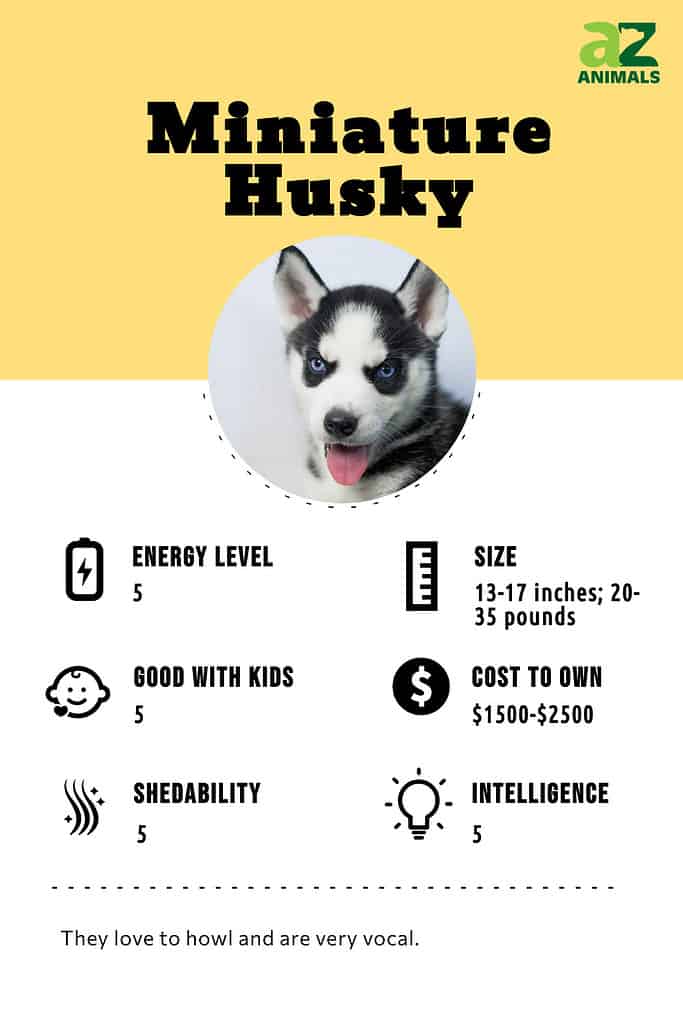
Miniature husky classification levels generally encompass two primary categories: intentionally bred smaller companion dogs like the Alaskan Klee Kai and undersized or mixed Siberian Huskies resulting from specific breeding practices. The Alaskan Klee Kai is an established separate breed developed specifically to replicate the appearance of a Siberian Husky in a toy, miniature, or standard size framework, complete with distinct breed registry recognition. Conversely, dogs marketed strictly as “miniature huskies” or “teacup huskies” often result from breeding smaller Siberian Huskies together, sometimes utilizing smaller breeds such as the American Eskimo Dog or Pomeranian to reduce stature. Understanding Dog Breeds helps clarify that these categories carry different implications for health, temperament, and physical conformation.
Evaluating the Impact of Size Variations on Care and Physiology
Physical classification levels directly influence daily management, exercise requirements, and potential structural vulnerabilities in compact northern dogs. While standard sled dogs are built for endurance and heavy pulling across snowy terrain, smaller variants require careful attention to joint health, metabolic stability, and precise nutritional balance. Rapid growth phases in smaller puppies demand proper caloric control to support developing skeletal systems without encouraging orthopedic stress.
The American Kennel Club recognizes the Siberian Husky as a medium-sized working dog with strict standard measurements, explicitly distinguishing it from smaller companion variants like the Alaskan Klee Kai. — American Kennel Club
Managing a compact northern dog involves accommodating high energy levels, intelligent problem-solving tendencies, and strong prey drives within a smaller physical footprint. Structured daily exercise, interactive puzzle toys, and secure fencing remain essential components of daily care, as miniature northern dogs inherit the notorious escape artistry of their larger ancestors. Proper socialization from an early age helps prevent excessive wariness, particularly in breeds derived from companion-focused northern lineage.
Best Practices and Common Misconceptions Regarding Smaller Husky Variants
Avoiding common pitfalls in ownership requires recognizing that smaller size does not automatically equate to lower exercise needs or easier obedience training. A frequent mistake involves assuming that compact northern dogs adapt seamlessly to sedentary apartment living without adequate mental stimulation. Incorporating consistent positive reinforcement methods supports effective Dog Training by channeling natural instincts into cooperative household behaviors rather than destructive boredom.
Canine behavioral studies indicate that high-energy working breeds require robust mental enrichment alongside physical exercise to prevent stress-related behaviors regardless of their adult body weight. — Association of Professional Dog Trainers
Pet Care & Wellness Overview Table
| Life Stage | Daily Activity Level | Key Nutrition / Care Focus |
|---|---|---|
| Puppy / Kitten | High (frequent short bursts) | High-protein growth diet & early socialization |
| Adult Companion | Moderate (30–60 mins daily) | Balanced maintenance nutrition & dental hygiene |
| Senior Pets | Low to Gentle (mindful walks) | Joint support (Glucosamine) & routine vet checks |
Images References



Temperament, Lifespan, and Generational Considerations Across Classification Tiers
Temperament and longevity often vary significantly depending on whether a dog belongs to a standardized companion breed or an unstandardized crossbreed category. Established companion breeds typically display more predictable behavioral traits and predictable adult sizing, whereas unstandardized crosses may exhibit wider variability in coat type, temperament, and adult height. Exploring Dog Health insights assists owners in anticipating breed-specific inherited conditions, such as patellar luxation or certain ocular anomalies sometimes seen in smaller canine variants.
When to Consult a Veterinary Professional or Certified Behaviorist
Professional guidance becomes necessary whenever sudden behavioral shifts, persistent fear responses, or unexplained physical discomfort arise in northern breed dogs. For persistent reactivity, separation anxiety, or complex training hurdles, seeking support from a qualified, certified professional ensures the use of humane, evidence-based methods. Routine veterinary examinations remain crucial for monitoring joint integrity, metabolic function, and overall wellness throughout every life stage of a compact northern companion.
Closing Perspectives on Compact Northern Companions
Navigating the nuances of miniature husky classification levels empowers dog owners to make informed decisions regarding selection, daily husbandry, and long-term wellness planning. Understanding the distinctions between established companion breeds and smaller mixed variants ensures realistic expectations for behavior and care requirements. Discover additional expert resources, guidance on Dog Nutrition, and comprehensive care tips by visiting PetsAnimalsWorld.com to support a thriving relationship with a canine companion.


