
Understanding the Unique Appeal and Reality of the Blu Labrador
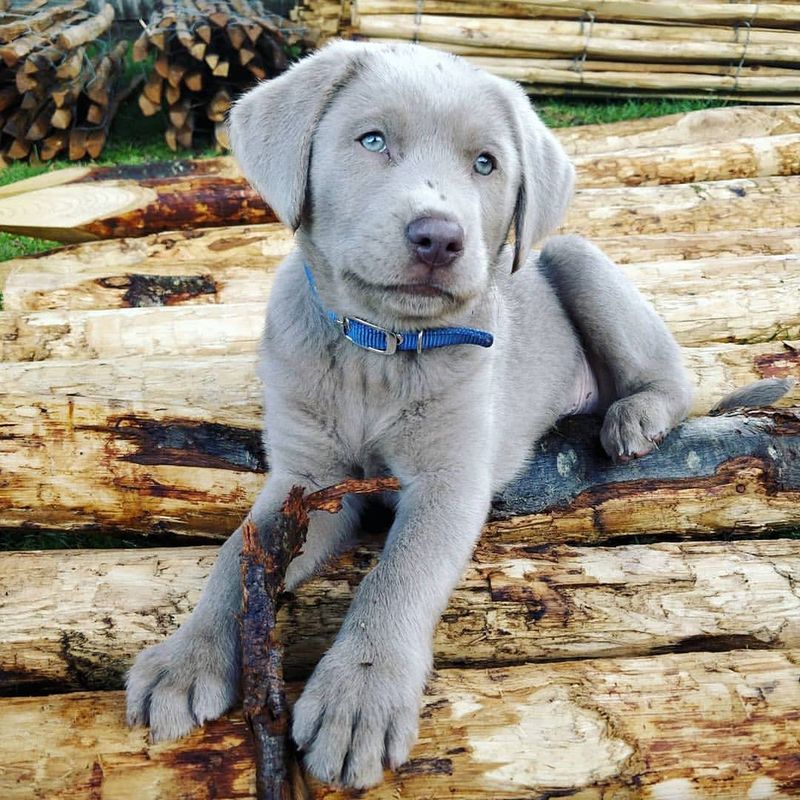
The blu labrador, often referred to by enthusiasts as the silver or charcoal Labrador Retriever, generates substantial interest among potential dog owners searching for striking coat variations within a beloved family companion breed. According to the American Kennel Club, the Labrador Retriever remains one of the most popular registered dog breeds, celebrated for a friendly disposition, high intelligence, and strong working heritage. However, unusual coat colors outside the standard spectrum often spark considerable debate regarding genetics, registry recognition, and long-term well-being. Examining these dogs objectively helps families navigate the complexities surrounding non-standard coat colors while ensuring optimal welfare for any animal entering the household.
💡 Pet Care Key Takeaways:
- Core Focus: Practical health, nutrition, and wellness guidelines for Blu Labrador.
- Target Scope: Pet owners, animal caregivers, and veterinary support staff.
- Best Recommendation: Maintain consistent daily routines and consult an accredited veterinarian before introducing major diet or medical changes.
Genetics and Official Classification of the Blu Labrador
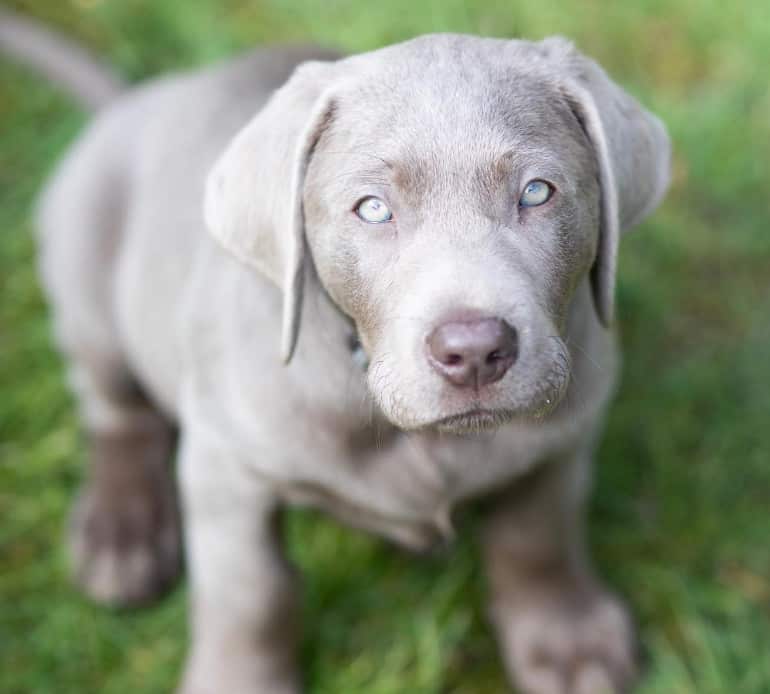
A blu labrador typically possesses a diluted black or brown coat resulting from recessive gene interactions that modify standard pigment expression. In canine genetics, the dilution gene (often designated as the ‘d’ locus) alters eumelanin production, transforming standard black pigment into a metallic charcoal or slate gray appearance, and chocolate pigment into a lighter silver shade. Major kennel clubs, including the American Kennel Club, recognize only three standard coat colors for the breed: black, yellow, and chocolate. Dogs exhibiting diluted coats are frequently registered under these standard categories—often as chocolate or black—because the dilution trait was historically introduced through crossbreeding or recessive inheritance paths that fall outside the traditional breed standard framework.
Physical Traits, Health Considerations, and Coat Care
Silver and charcoal Labradors share the robust physical structure, webbed paws, and friendly temperament characteristic of the broader retriever family, though specific health conditions warrant careful attention. Genetic dilution in certain canine breeds can be associated with color dilution alopecia, a form of hair loss and skin inflammation that affects follicles carrying altered pigment granules. Responsible breeding practices require rigorous health screenings for common canine ailments such as hip dysplasia, elbow dysplasia, and progressive retinal atrophy, regardless of coat color. Maintaining a healthy coat requires routine brushing to distribute natural oils, regular ear cleaning due to the breed’s drop-ear conformation, and balanced nutrition tailored to individual life stages and energy levels.
The American Kennel Club recognizes only three standard coat colors for Labrador Retrievers: black, yellow, and chocolate. — American Kennel Club
Managing Health, Exercise, and Environmental Needs
Providing appropriate physical and mental stimulation remains essential for maintaining the overall vitality of any retriever, regardless of whether the coat shade is standard or diluted. Daily exercise routines should incorporate structured walks, interactive play sessions, and swimming opportunities that honor the heritage embedded within Dog Care guidelines. Environmental management must account for skin sensitivity in diluted coats, ensuring adequate protection during extreme weather conditions and prompt veterinary evaluation for any persistent dermatological changes.
Best Practices and Common Misconceptions in Color Breeding
Prospective owners benefit from understanding that coat color does not dictate fundamental temperament, trainability, or loyalty, despite marketing claims surrounding rare color variations. A common mistake involves assuming that unusual coat shades represent a distinct, rare breed rather than a color variation within the established Labrador lineage. Prioritizing health, temperament, and genetic transparency over superficial aesthetic traits ensures a more rewarding relationship between the companion animal and the household.
Canine skin health and coat condition depend heavily on proper nutrition, parasite prevention, and routine veterinary oversight. — American Veterinary Medical Association
Pet Care & Wellness Overview Table
| Life Stage | Daily Activity Level | Key Nutrition / Care Focus |
|---|---|---|
| Puppy / Kitten | High (frequent short bursts) | High-protein growth diet & early socialization |
| Adult Companion | Moderate (30–60 mins daily) | Balanced maintenance nutrition & dental hygiene |
| Senior Pets | Low to Gentle (mindful walks) | Joint support (Glucosamine) & routine vet checks |
Images References







Temperament, Socialization, and Lifespan Expectations
The behavioral profile of a charcoal or silver retriever mirrors that of standard-colored counterparts, displaying an eagerness to please, affectionate demeanor, and moderate-to-high energy levels. Early socialization and positive reinforcement methods, aligned with foundational principles in Dog Training, help develop a confident, well-adjusted adult dog capable of navigating diverse social environments. With proper veterinary care, appropriate nutrition, and regular exercise, these dogs typically enjoy a healthy lifespan ranging from ten to twelve years.
When to Consult a Veterinarian or Professional Behaviorist
Professional guidance becomes necessary whenever physical symptoms, behavioral shifts, or chronic skin irritations emerge that exceed standard household management capabilities. Any sudden changes in mobility, persistent scratching, unexplained hair thinning, or progressive behavioral issues warrant a comprehensive examination by a licensed veterinarian. For complex behavioral concerns such as severe anxiety or reactivity, consulting a certified behaviorist ensures humane, evidence-based intervention strategies that prioritize animal welfare and safety.
Closing Perspectives on Unusual Labrador Variations
Navigating the world of non-standard coat colors requires a balanced perspective that values canine health and ethical breeding above aesthetic novelty. Exploring comprehensive resources across Dog Breeds and Dog Health equips owners with the knowledge necessary to provide exceptional, lifelong care. To discover more guidance on canine companionship, return to PetsAnimalsWorld.com for trusted veterinary-informed insights.




