
Introduction
Muzzle training a dog involves acclimating a canine companion to comfortably and willingly wear a muzzle. This vital skill, often misunderstood or associated with aggression, is actually a proactive measure that enhances a dog’s overall safety, well-being, and quality of life. Understanding when and why muzzle training might be beneficial is crucial for responsible dog ownership. It is not solely reserved for dogs with behavioral issues, but can be an essential tool for routine care, emergency situations, or compliance with specific regulations, ultimately reducing stress for both the dog and its owner in various circumstances.
💡 Pet Care Key Takeaways:
- Core Focus: Practical health, nutrition, and wellness guidelines for Muzzle Training Dog.
- Target Scope: Pet owners, animal caregivers, and veterinary support staff.
- Best Recommendation: Maintain consistent daily routines and consult an accredited veterinarian before introducing major diet or medical changes.
Common Causes and Key Factors
Several situations necessitate or greatly benefit from muzzle training a dog, making it a valuable part of comprehensive canine care. One primary reason is to ensure safety. Dogs with a history of biting, whether due to fear, pain, or resource guarding, can be managed more safely with a muzzle while undergoing behavior modification or in unpredictable environments. Furthermore, some breed-specific legislation in certain areas may require particular breeds to wear a muzzle in public spaces. For more related activities, check out our What Trick Can Only A Border Collie Learn.
Muzzles are also invaluable for veterinary examinations and grooming appointments. Dogs that are fearful, anxious, or in pain might snap or bite when being handled, making necessary procedures challenging or even impossible without a muzzle. Similarly, during recovery from an injury or surgery, a muzzle can prevent a dog from licking or chewing at wounds, stitches, or bandages, serving as a less intrusive alternative to an Elizabethan collar in some cases.
Behavioral management is another significant factor. For dogs exhibiting reactivity or aggression towards other animals or people, a muzzle provides a safety net during training sessions, allowing a behavior specialist to work more effectively without risk. Additionally, some dogs are prone to scavenging dangerous items during walks, and a muzzle can prevent them from ingesting harmful substances. Finally, certain public transportation systems or travel regulations may mandate muzzle use for dogs, making pre-emptive training advantageous.
Signs and Symptoms to Observe
When introducing a muzzle, observing a dogs body language is paramount to ensure the training progresses positively. Signs of calm acceptance include a relaxed posture, soft eyes, and a willingness to sniff or voluntarily place the snout into the muzzle. A dog might also show curiosity, investigating the muzzle with its nose.
Conversely, negative reactions indicate discomfort or stress and necessitate a step back in the training process. These can include avoidance behaviors such as turning the head away, backing up, or trying to hide. More overt signs of stress involve lip licking, yawning, panting when not exerting energy, a tense body, or pinned ears. Some dogs may actively resist by pawing at the muzzle, attempting to rub it off, or vocalizing through whining or growling. In severe cases, a dog might panic, thrashing or trying to flee, which indicates extreme distress and a need for professional intervention. These reactions can vary; younger dogs might adapt more readily, while older dogs with previous negative experiences might exhibit stronger resistance.
Practical Solutions and Management Strategies
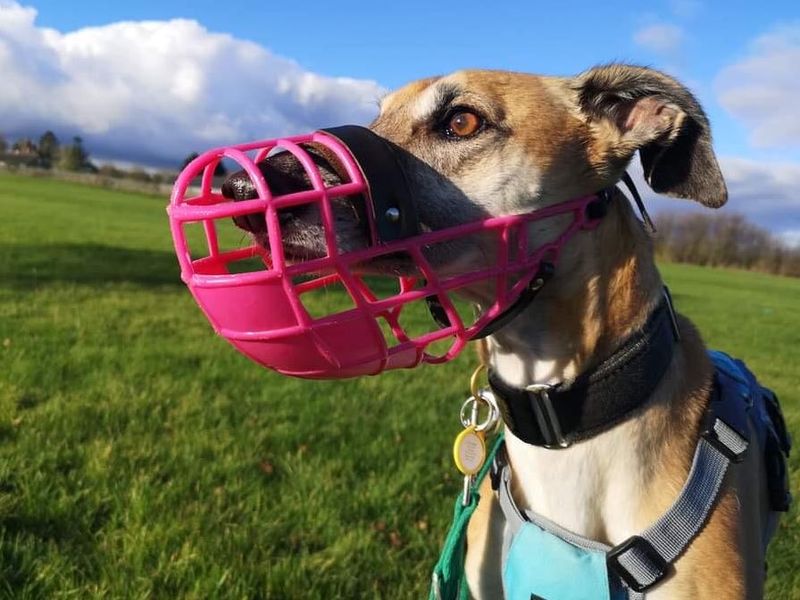
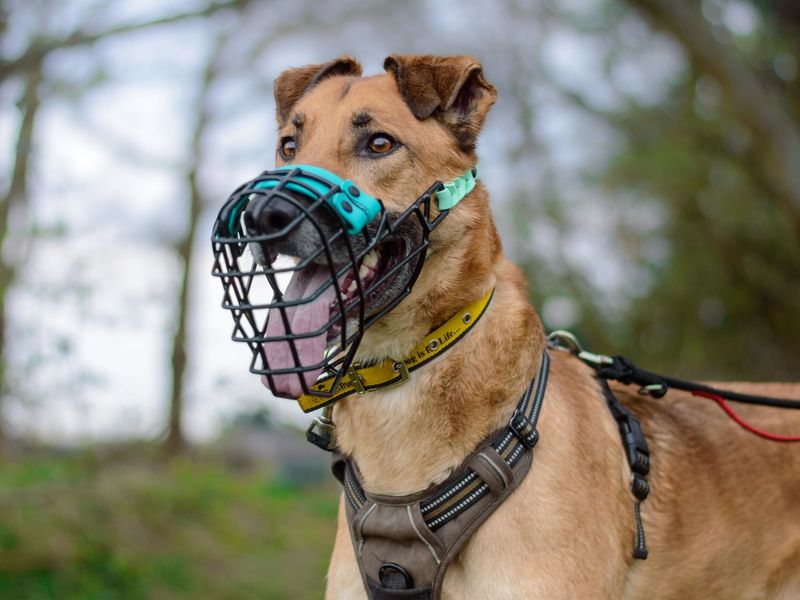
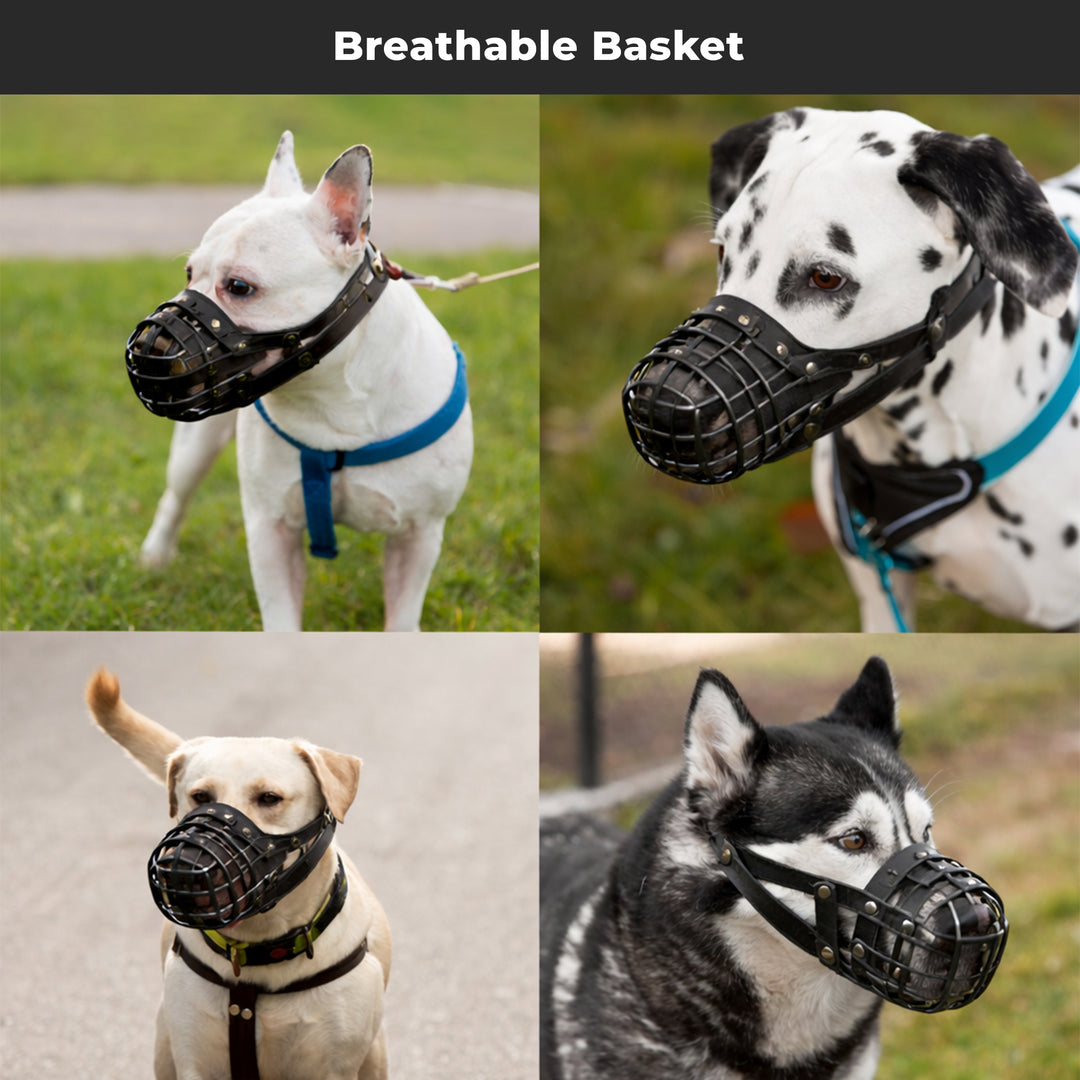
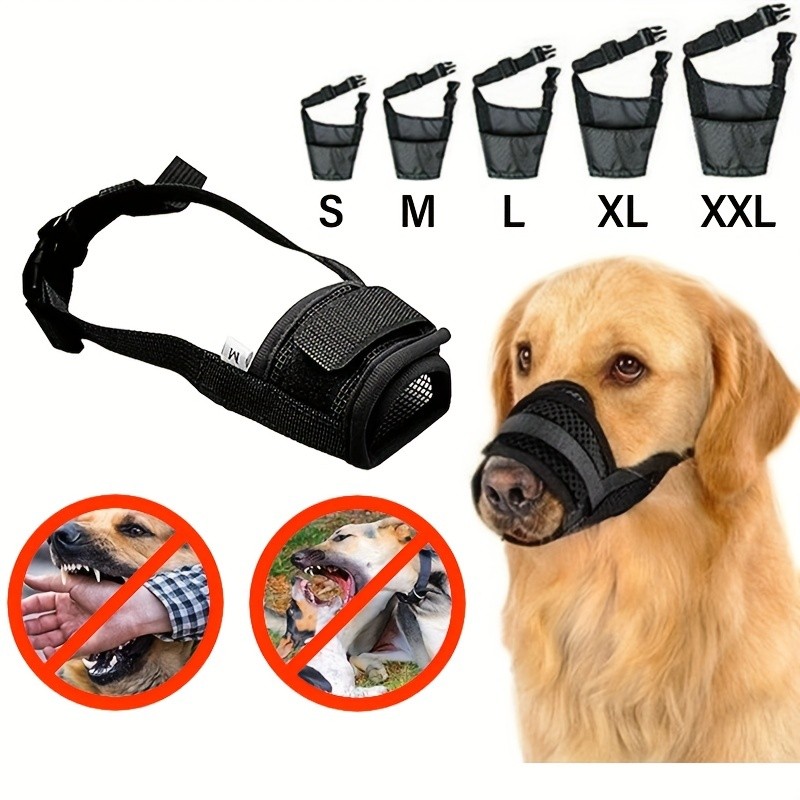
Successful muzzle training relies on positive reinforcement and a gradual approach. The initial step involves selecting the appropriate muzzle. A basket muzzle is generally recommended as it allows a dog to pant, drink water, and accept treats, which is crucial for positive reinforcement and for longer wear times. Fabric muzzles, which hold the mouth shut, should only be used for very brief periods or emergencies, as they restrict panting and can lead to overheating. Proper fit is essential; a muzzle should be secure but not rub, impede vision, or be easily removed by the dog.
Begin training by creating a positive association with the muzzle. Place high-value treats near or inside the muzzle, allowing the dog to sniff and explore it without pressure. Progress to having the dog voluntarily touch its nose to the muzzle, then briefly place its snout inside to retrieve a treat. These initial interactions should be very short and consistently paired with rewards.
Once comfortable with putting its nose in, gradually increase the duration. Present the muzzle, allow the dog to place its snout inside, deliver a treat, and then remove the muzzle. Repeat this several times. Next, introduce the buckle, fastening it for only a second or two before immediately unbuckling and rewarding. Over several sessions, extend the time the muzzle is fastened, always pairing it with treats.
Incorporating lickable treats like peanut butter or cheese spray applied inside the muzzle can help maintain positive associations during longer wear times. Keep training sessions brief, typically 2-5 minutes, and always end on a positive note. Forcing a dog into a muzzle will create negative associations and make future training significantly harder. Once a dog is comfortable wearing the muzzle at home, practice short durations in different, calm environments to help generalize the positive experience.
When Professional Help May Be Needed
While many dogs can be successfully muzzle trained with consistent positive reinforcement, there are specific situations where professional help becomes indispensable. If a dog exhibits extreme fear, panic, or aggression when a muzzle is introduced, attempting to proceed without expert guidance can exacerbate these reactions. Similarly, if consistent, patient positive training methods do not yield any progress, or if the dog’s resistance intensifies, it indicates a need for a tailored approach.
For dogs requiring a muzzle as part of a broader behavior modification planespecially those with reactivity, resource guarding, or generalized aggressionconsultation with a professional is crucial. A certified professional dog trainer or a certified dog behaviorist can provide individualized strategies, help identify underlying causes of behavioral issues, and ensure the muzzle is used as a safe and effective tool within a comprehensive training program. In cases where the vet recommends a muzzle for medical procedures, but the dog shows significant resistance, a veterinary behaviorist can offer specialized insight and training techniques to manage the dog’s anxiety. Seeking professional assistance early can prevent escalation of fear or aggression, fostering a more positive outcome for the dog’s well-being.
Conclusion
Muzzle training a dog is an important skill that contributes significantly to a dogs safety and overall well-being. It transforms what might appear as a restrictive device into a tool that facilitates necessary veterinary care, enables safe management in various public settings, and supports behavioral modification efforts. Owners should approach this training with patience, prioritize positive reinforcement, and ensure the selection of a properly fitted basket muzzle. Awareness of a dogs comfort level and consistent, gentle training are key to fostering a positive association. Embracing muzzle training as a responsible act of care not only prepares a dog for life’s unpredictable moments but also enhances the bond between a dog and its owner, contributing to a confident, well-adjusted, and secure companion.
Pet Care & Wellness Overview Table
| Life Stage | Daily Activity Level | Key Nutrition / Care Focus |
|---|---|---|
| Puppy / Kitten | High (frequent short bursts) | High-protein growth diet & early socialization |
| Adult Companion | Moderate (30–60 mins daily) | Balanced maintenance nutrition & dental hygiene |
| Senior Pets | Low to Gentle (mindful walks) | Joint support (Glucosamine) & routine vet checks |
Images References





For more expert pet care tips and advice, check out our dedicated Dog Training guides to keep your companions healthy and happy.




