
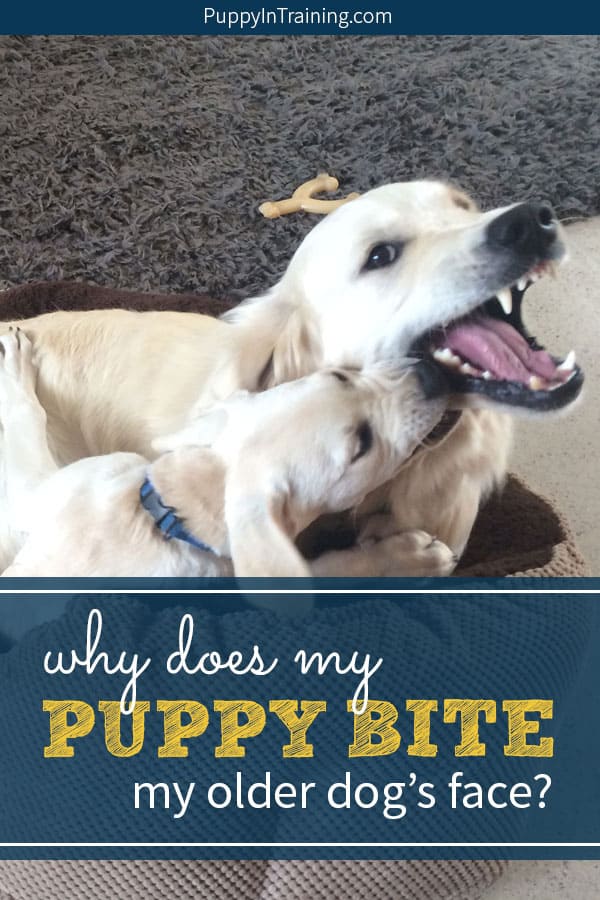
Understanding the daily challenges when a puppy constantly bites an older dog
According to the American Society for the Prevention of Cruelty to Animals, multi-pet households require careful monitoring during the initial integration phases to ensure harmonious relationships develop over time. Bringing a new canine family member into a home with a seasoned adult dog often brings delightful moments, yet it frequently introduces unexpected friction. Many households experience immediate tension when a young dog fixates on mouthing, nipping, and chewing on the resident adult pet. This behavior can quickly exhaust an older companion who simply wants peace and quiet. Recognizing the root causes of this youthful exuberance allows households to establish effective boundaries. Professional guidance in Dog Training helps bridge the generational gap between an energetic youngster and a patient senior.
💡 Pet Care Key Takeaways:
- Core Focus: Practical health, nutrition, and wellness guidelines for My Puppy Conatantly Bites My Older Dog.
- Target Scope: Pet owners, animal caregivers, and veterinary support staff.
- Best Recommendation: Maintain consistent daily routines and consult an accredited veterinarian before introducing major diet or medical changes.
Exploring the primary motivations behind puppy mouthing and biting behaviors
Puppy mouthing directed at senior dogs is a normal developmental phase driven by exploration, teething pain, and social play initiation. Canine babies experience the world through their mouths, much like human infants. When an immature canine interacts with a senior resident, those needle-sharp teeth often find the tail, ears, or loose neck skin of the older animal. This action is rarely driven by genuine malice; rather, it represents a lack of impulse control and canine social etiquette. Puppies must learn bite inhibition—the ability to control the force of their jaws—through structured interactions. Without proper guidance, these playful pestering sessions can escalate into stress for the adult dog.
Evaluating the physical and emotional impact on the resident senior dog
Unchecked puppy harassment can lead to chronic stress, physical exhaustion, and accidental injuries for older canine companions whose joints and immune systems are already declining. Senior dogs require significantly more rest than their youthful counterparts, often sleeping up to eighteen hours a day. Constant interruptions from a relentless youngster disrupt this vital recovery time, potentially aggravating arthritis or other age-related ailments. Furthermore, if a senior animal feels trapped or repeatedly cornered, fear-based defensive reactions may occur, permanently damaging the household dynamic. Monitoring pet wellness requires keeping a close eye on the older dog’s body language for signs of fatigue, stiffness, or withdrawal.
Chronic behavioral stress in senior dogs subjected to relentless puppy nipping can accelerate age-related cognitive decline and physical stiffness — American Kennel Club
Implementing proactive management and positive reinforcement strategies
Effective management of puppy-senior interactions relies on structured supervision, scheduled rest periods, and redirecting youthful energy toward appropriate outlets. Pet parents should never use punitive or dominance-based techniques, such as alpha rolls or physical reprimands, as these methods only increase anxiety and can trigger defensive aggression. Instead, utilize baby gates or exercise pens to create safe zones where the senior dog can escape without interference. Whenever the young dog approaches the adult with calm behavior, reward the interaction with high-value treats and praise. Consistency in Dog Care routines provides the predictable environment that helps canines of all ages thrive.
Allowing a puppy unlimited access to an older dog without intervention often teaches the senior animal to handle discipline independently, which can escalate into dangerous fights. Handlers should intervene before the adult dog feels forced to snap or growl excessively. Another frequent mistake is punishing the senior animal for growling, which removes their primary warning signal and increases the risk of unannounced bites. Instead, view a low growl as a normal communication tool and immediately remove the puppy from the area to give both animals a cooling-off period. Providing durable chew toys filled with frozen paste can keep the youngster occupied away from the resident pet.
Providing designated sanctuary spaces for adult dogs significantly reduces inter-household friction during the first six months of puppy development — Association of Professional Dog Trainers
Pet Care & Wellness Overview Table
| Life Stage | Daily Activity Level | Key Nutrition / Care Focus |
|---|---|---|
| Puppy / Kitten | High (frequent short bursts) | High-protein growth diet & early socialization |
| Adult Companion | Moderate (30–60 mins daily) | Balanced maintenance nutrition & dental hygiene |
| Senior Pets | Low to Gentle (mindful walks) | Joint support (Glucosamine) & routine vet checks |
Images References





Accounting for breed traits, age disparities, and temperament variations
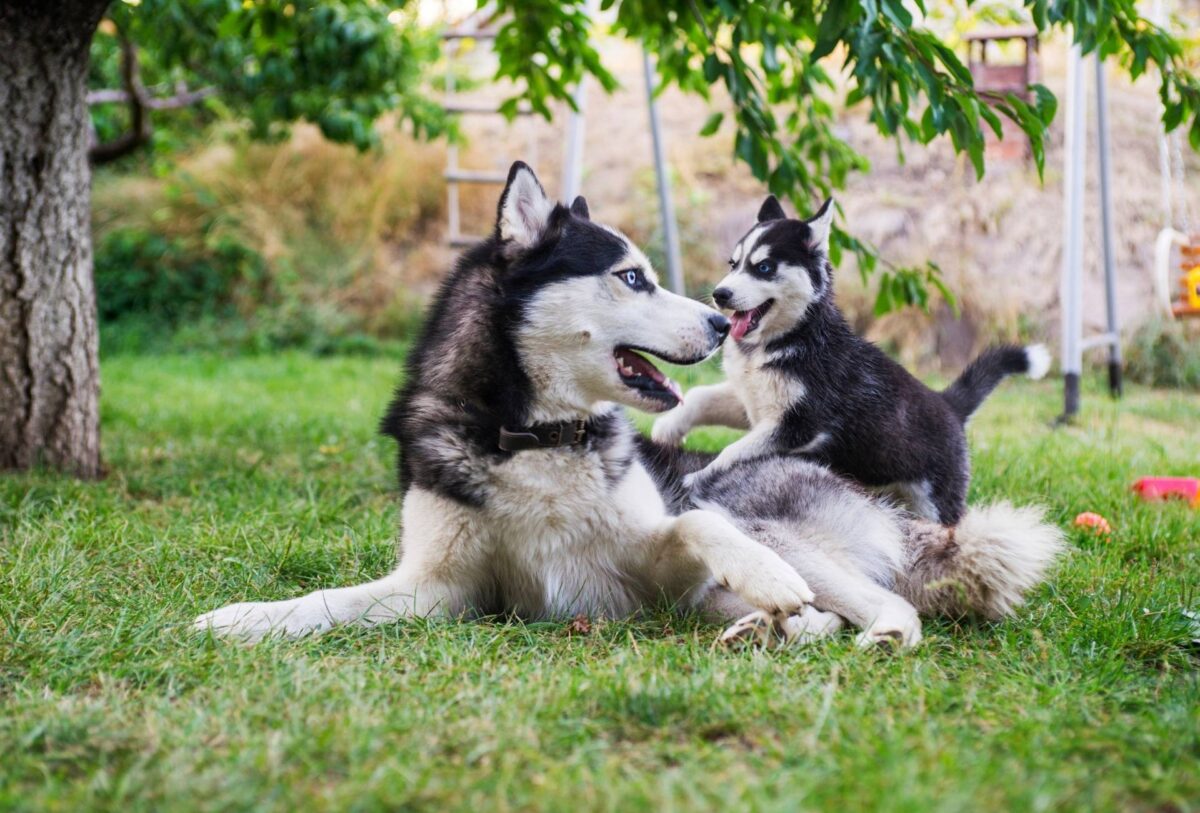
High-energy working breeds and terriers possess immense stamina and prey drive, meaning they will persistently pester older dogs long after calmer breeds would have settled down. Understanding specific Dog Breeds assists owners in setting realistic expectations for daily exercise requirements. A sporting puppy requires extensive mental stimulation and vigorous games of fetch to burn off the fuel that would otherwise be directed at the family pet. Conversely, miniature or toy breeds might struggle with fragility, making physical interactions risky if the larger puppy plays too roughly. Tailoring management techniques to match the individual personalities in the home ensures safety for everyone.
Recognizing when professional behavioral intervention becomes necessary
Persistent, high-intensity aggression, unbroken fixation, or physical injury to either animal requires immediate consultation with a certified professional dog trainer or veterinary behaviorist. General guidance from articles cannot replace an in-person behavioral assessment for severe reactivity issues. If the adult dog shows signs of severe distress, such as refusing to eat, hiding constantly, or reacting with uncharacteristic snapping, expert help is essential. Protecting the psychological well-being of the senior resident remains a primary responsibility for any conscientious pet owner navigating multi-dog dynamics.
Fostering long-term harmony in a multi-dog household environment
Creating a peaceful home where both youngsters and seniors coexist happily demands patience, structure, and ongoing commitment from every household member. By understanding the underlying motivations of youthful biting and applying compassionate management techniques, pet parents can guide their animals toward a balanced relationship. Exploring resources on Dog Health ensures that both pets receive proper veterinary support throughout their lives. Discover more expert advice and helpful guides by visiting PetsAnimalsWorld.com to support your journey in responsible pet guardianship.




