

Understanding the complexities of canine vocalization during everyday interactions
According to the American Kennel Club, communication among canines is a sophisticated system that relies heavily on body language, posture, and vocal cues rather than a single sound in isolation. When families notice unusual vocalizations in their living spaces, understanding the underlying message becomes essential for maintaining a harmonious household. In professional behavior consultations, handling large working breeds requires a deep appreciation for their evolutionary history as guardians and protectors. Many individuals misinterpret standard rumblings as unprovoked aggression, missing the subtle contextual clues that explain why the animal is making noise.
💡 Pet Care Key Takeaways:
- Core Focus: Practical health, nutrition, and wellness guidelines for German Shepherd Growling Behavior.
- Target Scope: Pet owners, animal caregivers, and veterinary support staff.
- Best Recommendation: Maintain consistent daily routines and consult an accredited veterinarian before introducing major diet or medical changes.
During daily evaluations in the clinic, one frequently observes working dogs using low-frequency vocalizations simply to express uncertainty in novel environments. For instance, a dog standing stiffly near a window while rumbling is often gathering information about an unfamiliar disturbance outside rather than threatening immediate harm. Recognizing these nuances prevents unnecessary friction between humans and their canine companions, fostering an environment built on mutual trust and clear communication instead of fear-based reactions. For more related activities, check out our Dog Care Electric Collar.
German shepherd growling behavior represents a natural form of communication rather than an automatic sign of malice
German shepherd growling behavior is fundamentally an auditory warning system that dogs utilize to communicate discomfort, anxiety, or boundaries before escalating to other physical measures. Rather than punishing this vocalization, caretakers should view it as valuable feedback indicating the animal feels overwhelmed or threatened by a specific stimulus. Suppressing this vital warning through harsh disciplinary methods often removes the animal’s primary warning system, leading to sudden, unannounced incidents later on.
In professional training circles, this rumbling is frequently categorized into distinct types, including play-related sounds, defensive vocalizations, and resource-guarding warnings. A play-rumble usually features a loose body posture, bouncy movements, and an open, relaxed mouth, contrasting sharply with the rigid stance and hard stare of a defensive warning. Learning to differentiate these emotional states allows handlers to respond appropriately, ensuring that normal communicative expressions are neither misinterpreted nor mishandled.
Physical discomfort and environmental triggers heavily influence how these powerful working dogs express distress
Underlying medical issues and chronic pain are primary catalysts for unexpected vocalizations in large, active canine breeds. When an aging animal experiences joint stiffness, hip dysplasia—a genetic malformation of the hip socket—or dental pain, routine handling or movement can provoke defensive rumbling as a protective response against physical agony. Veterinary evaluations are therefore a critical first step when addressing sudden shifts in temperament or vocal habits.
Orthopedic conditions like hip dysplasia frequently manifest as sudden behavioral shifts, including defensive vocalizations when touched in sensitive areas — American Kennel Club
Environmental stressors also play a major role in triggering protective sounds, especially in high-vigilance working dogs bred to monitor their surroundings. Loud noises, unfamiliar visitors, or disruptions in daily routines can overwhelm an animal’s coping capacity, resulting in defensive vocalizations as a means of creating distance from the perceived threat. Addressing these environmental factors through desensitization and structured management helps reduce the frequency of stress-induced rumblings over time.
Positive reinforcement and systematic desensitization provide the safest framework for modifying vocal responses
Systematic desensitization combined with counter-conditioning helps transform an animal’s emotional response to triggers that previously elicited defensive rumbling. Instead of reacting with anger, handlers should calmly remove the dog from the overwhelming situation and reward relaxed behavior when the animal settles down. Consulting a certified behaviorist ensures that complex cases involving fear or resource guarding receive a tailored, force-free intervention strategy.
Another common observation in rescue and shelter environments involves dogs emitting defensive sounds over food bowls or high-value toys, a behavior known as resource guarding. Rather than confronting the animal, professionals recommend trading the item for something of higher value, teaching the dog that human approach predicts abundance rather than loss. This positive approach builds confidence and diminishes the instinct to guard possessions fiercely.
Common mistakes to avoid and best practices for responding to canine vocalizations
Punishing an animal for rumbling is a critical mistake that destroys trust and removes the early warning signs of canine discomfort. When a handler shouts or strikes a dog for communicating anxiety, the animal learns that expressing discomfort leads to human unpredictability, which often escalates fear into defensive biting. Instead, best practices dictate maintaining a calm demeanor, assessing the environment for stressors, and giving the animal adequate physical space to decompress safely.
Punitive training methods frequently increase anxiety and suppress warning signals, raising the statistical risk of unpredictable bite incidents — American Veterinary Medical Association
Pet Care & Wellness Overview Table
| Life Stage | Daily Activity Level | Key Nutrition / Care Focus |
|---|---|---|
| Puppy / Kitten | High (frequent short bursts) | High-protein growth diet & early socialization |
| Adult Companion | Moderate (30–60 mins daily) | Balanced maintenance nutrition & dental hygiene |
| Senior Pets | Low to Gentle (mindful walks) | Joint support (Glucosamine) & routine vet checks |
Images References




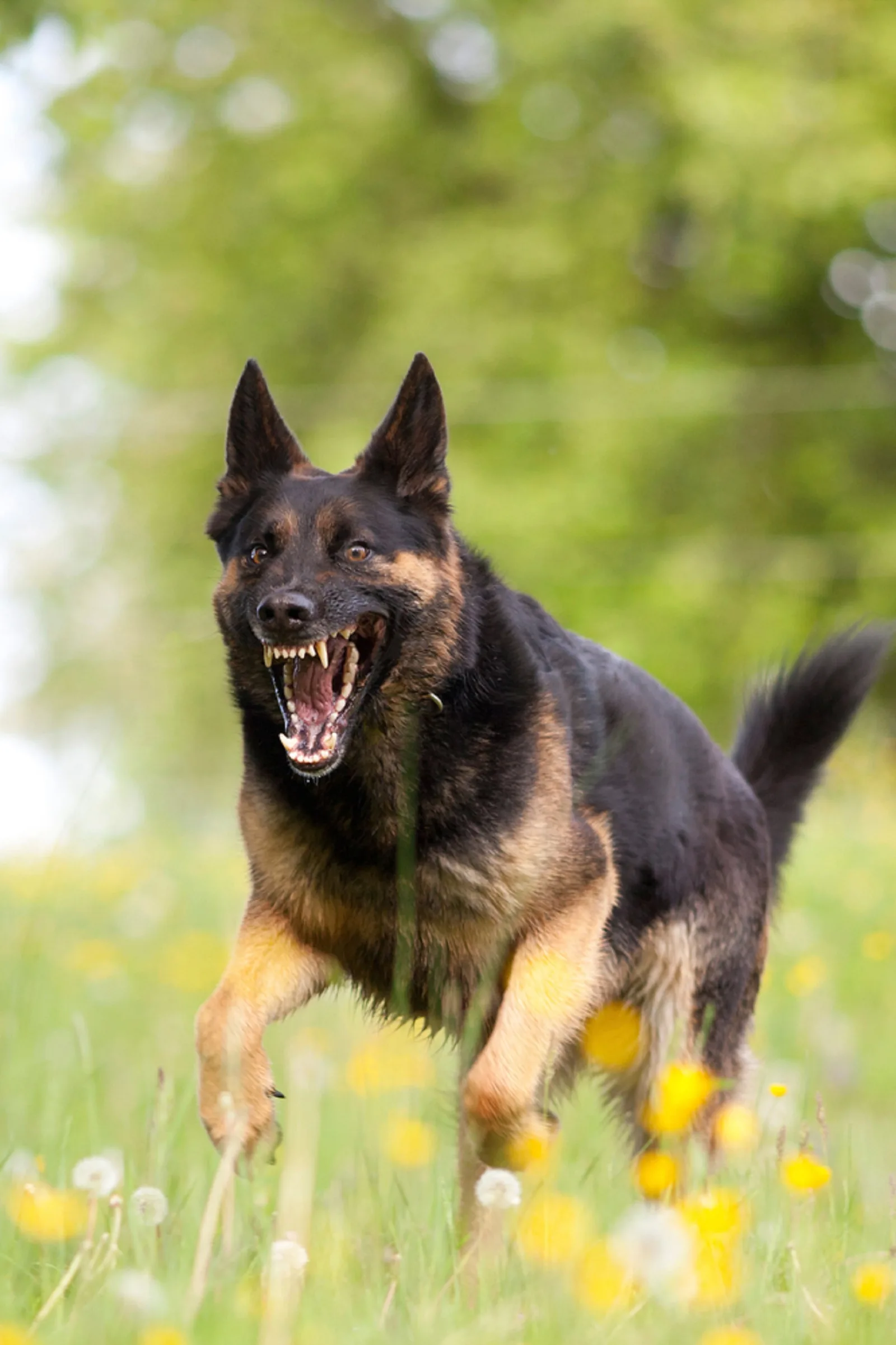

Consistent daily routines, clear boundaries, and predictable handling exercises further support emotional stability in intelligent guard breeds. When interactions remain positive and stress-free, the necessity for defensive vocalizations diminishes significantly, creating a safer and more peaceful home for every household member.
Breed heritage, developmental stages, and individual temperament shape how these dogs process stress
The distinct genetic heritage of this intelligent working breed emphasizes strong protective instincts, high energy levels, and intense loyalty to family units. During adolescence, which typically spans from six to eighteen months of age, young dogs often test boundaries and exhibit increased reactivity to unfamiliar stimuli as their adult confidence develops. Recognizing these normal developmental milestones helps caretakers navigate transitional phases with patience and structured guidance.
Individual temperament varies significantly even within the same litter, meaning some animals naturally possess a higher threshold for stress while others require more socialization and careful management. Tailoring management strategies to suit the specific personality of the individual dog prevents unnecessary conflict and promotes lifelong behavioral health.
When to consult a veterinary professional or certified behavioral specialist for persistent behavioral concerns
Persistent or escalating vocalizations that occur without clear triggers warrant an immediate consultation with a qualified veterinarian or a veterinary behaviorist. Medical screening is essential to rule out hidden injuries, neurological disorders, or cognitive dysfunction syndromes that may cause sudden changes in temperament and vocal habits. A professional diagnosis ensures that underlying health problems receive proper medical care before behavioral training commences.
Furthermore, any incident involving snapping, biting, or intense aggression requires the direct intervention of a certified professional who utilizes humane, science-based methodologies. Attempting to manage severe behavioral issues without expert guidance can endanger both the handler and the animal, making professional partnership an invaluable resource for long-term safety.
Creating a harmonious living environment through education, empathy, and professional guidance
Mastering the intricacies of canine communication requires continuous learning, patience, and a deep respect for the emotional lives of our animal companions. By addressing the root causes of stress, avoiding punitive reactions, and seeking timely expert advice, families can ensure a safe and supportive home for their dogs. To explore further insights into canine well-being, discover more resources on PetsAnimalsWorld.com, including specialized guides on Dog Behavior, Dog Training, Dog Health, and proper Dog Care.




