
Introduction
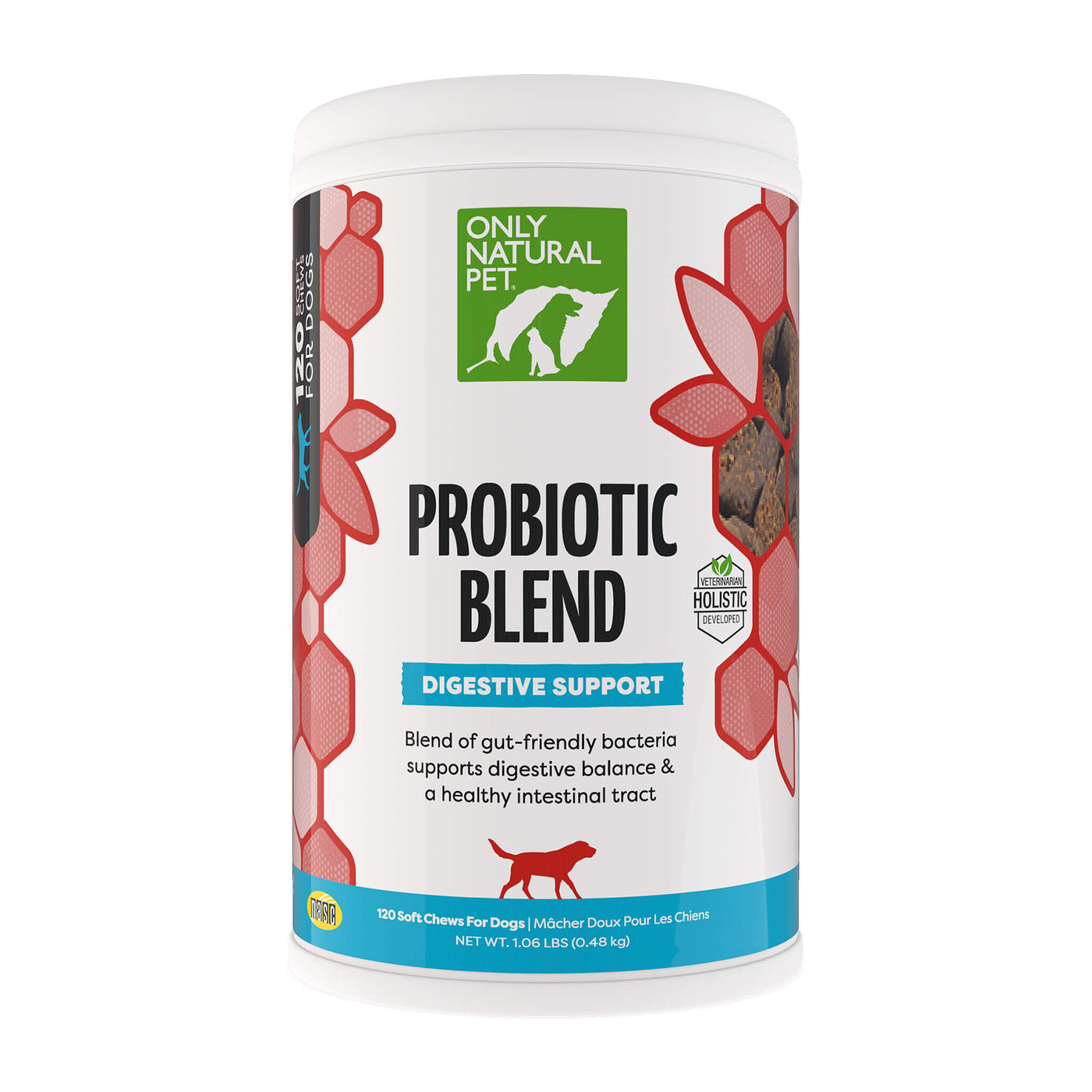
Understanding the intricate world within a dog’s gut is fundamental to ensuring their overall vitality and well-being. At the heart of this internal ecosystem lie beneficial microorganisms, commonly supported by natural dog probiotics. These living microorganisms, when administered in adequate amounts, confer a health benefit on the host, particularly by supporting a balanced gut microbiome. The gut microbiome refers to the diverse community of bacteria, fungi, and other microbes residing in the digestive tract, playing a critical role in digestion, nutrient absorption, and immune function. Issues commonly arise when this delicate balance is disrupted, leading to various health concerns. Exploring how natural dog probiotics contribute to maintaining this balance can significantly improve a dogs digestive health, immune response, and overall quality of life, leading to a happier, healthier canine companion.
💡 Pet Care Key Takeaways:
- Core Focus: Practical health, nutrition, and wellness guidelines for Natural Dog Probiotics.
- Target Scope: Pet owners, animal caregivers, and veterinary support staff.
- Best Recommendation: Maintain consistent daily routines and consult an accredited veterinarian before introducing major diet or medical changes.
Common Causes and Key Factors
A dog’s gut microbiome is a dynamic environment susceptible to various influences that can tip its balance. One of the most significant factors is dietary changes or inconsistencies, which can introduce new bacteria or stress existing populations, potentially leading to digestive upset. A diet lacking in fiber or essential nutrients can also impair the growth of beneficial gut flora. For more related activities, check out our Can Apoquel Cause Aggression In Dogs.
Stress is another major contributor to microbiome imbalance. Environmental changes, separation anxiety, visits to the veterinarian, or even a change in routine can trigger stress responses that negatively impact gut health. The gut-brain axis, a bidirectional communication system, means that psychological stress can directly affect intestinal function and microbial composition.
Medications, particularly antibiotics, are well-known disruptors. While vital for fighting bacterial infections, antibiotics do not discriminate between harmful and beneficial bacteria, often wiping out a significant portion of the gut’s helpful inhabitants. Similarly, certain anti-inflammatory drugs can also affect the gut lining and microbial environment.
Aging naturally alters the digestive system and immune function, often leading to a reduction in beneficial bacteria and an increase in potentially harmful ones. Illnesses, infections, and parasitic infestations also place a considerable strain on the digestive system, further compromising gut health and the microbial balance. Even exposure to environmental toxins or pathogens can contribute to an unhealthy gut environment.
Signs and Symptoms to Observe
Recognizing the signs that a dog’s gut health may be compromised and could benefit from natural dog probiotics is crucial for timely intervention. The most prominent indicators are often digestive in nature. Chronic or intermittent diarrhea is a common sign, along with constipation, excessive gas, and bloating. Stool quality can also be a key indicator; unusually soft, watery, or irregularly formed stools suggest an imbalance.
Beyond digestive issues, a dog’s overall appearance and demeanor can provide clues. A dull coat, dry skin, or excessive shedding may indicate poor nutrient absorption, often linked to an unhealthy gut. Bad breath can sometimes originate from digestive problems rather than just dental issues.
Allergies and skin irritations can also be manifestations of an imbalanced gut. The gut plays a significant role in immune function, and a compromised gut barrier can lead to a heightened immune response to environmental or food allergens, resulting in itching, rashes, or hot spots.
In some cases, changes in appetite or energy levels might be observed. A dog might become unusually lethargic or experience a sudden decrease in appetite. While less common, some behavioral changes, such as increased anxiety or irritability, have been linked to gut health through the gut-brain axis, though these should always be evaluated in conjunction with other symptoms. These signs can vary by age and breed, but persistent digestive or health issues warrant closer observation.
Practical Solutions and Management Strategies
Implementing strategies to support a dog’s gut health often involves a multi-faceted approach, with natural dog probiotics playing a central role. One of the most direct methods is through dietary adjustments. Incorporating probiotic-rich foods into a dog’s diet, always in moderation and after ensuring suitability, can be beneficial. Examples include small amounts of plain, unsweetened yogurt or kefir, which contain live active cultures. Some fermented vegetables, such as sauerkraut or kimchi (ensure they are free from onions, garlic, and excessive salt), can also offer probiotic benefits when introduced cautiously.
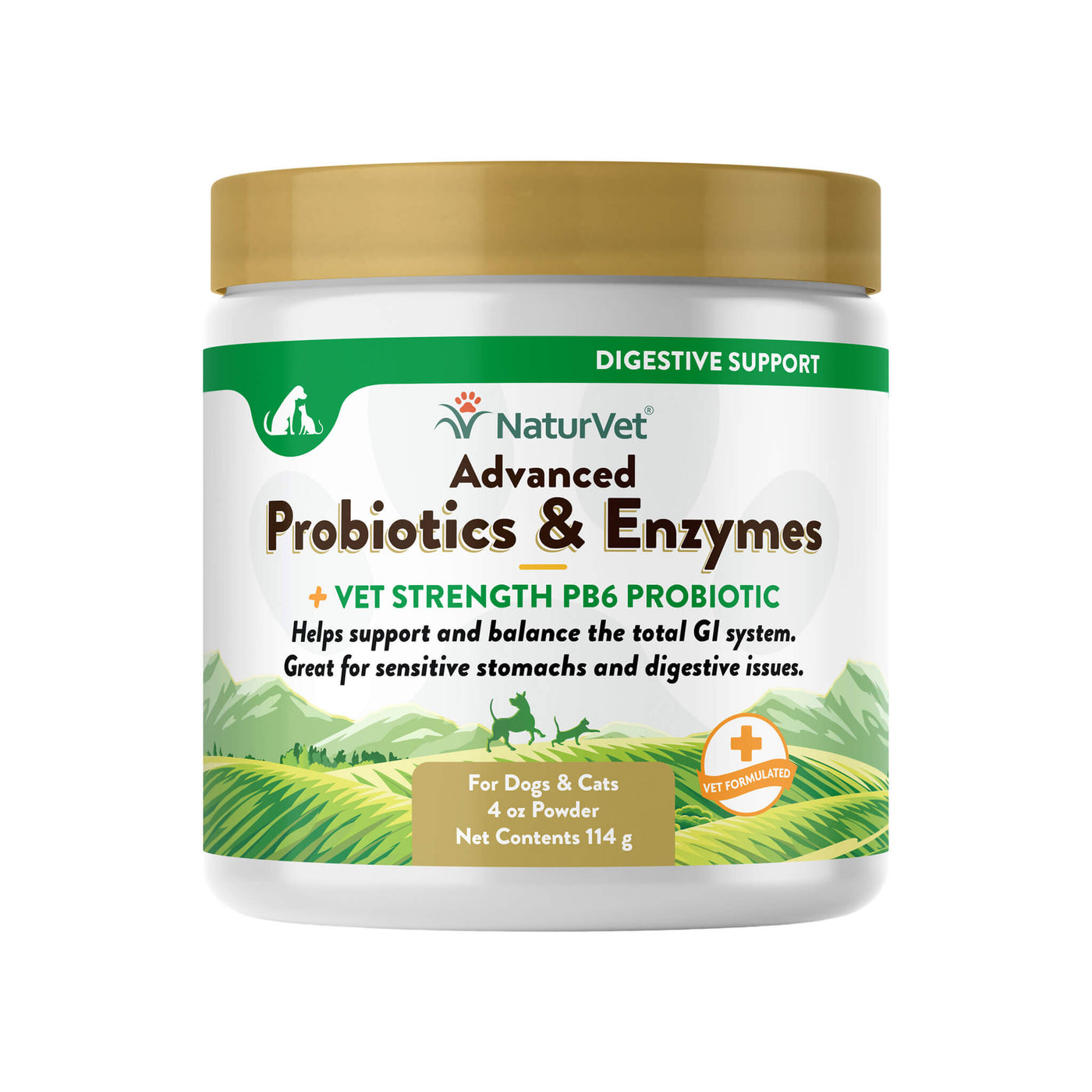
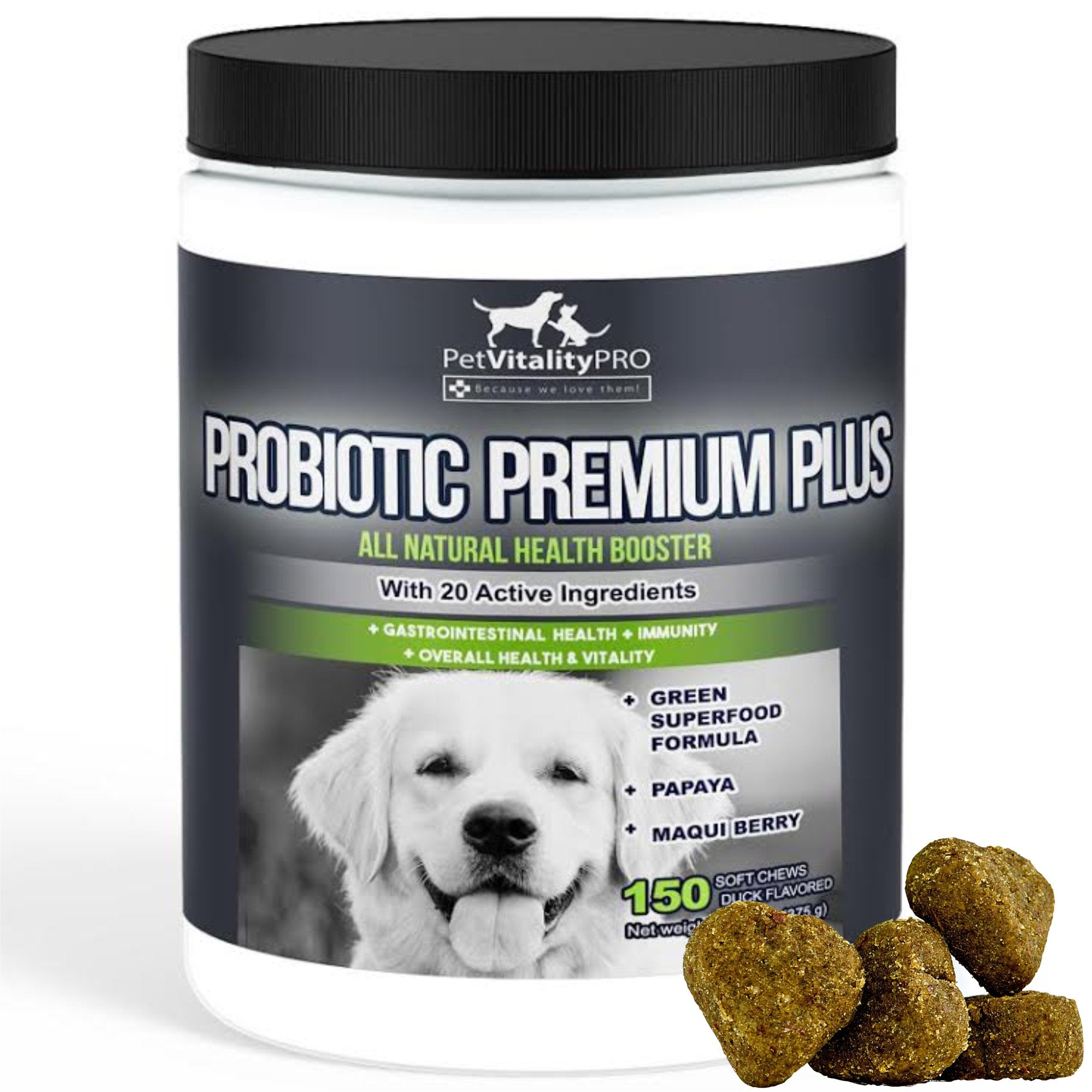
For a more targeted and consistent approach, canine-specific probiotic supplements are often recommended. These supplements are formulated with strains of bacteria specifically beneficial for dogs, and they typically contain a guaranteed number of colony-forming units (CFUs) to ensure efficacy. It is important to choose products from reputable manufacturers that provide clear labeling of strains and CFUs.
Beyond direct probiotic intake, supporting the growth of existing beneficial bacteria is crucial. This is achieved through prebioticsnon-digestible fiber compounds that feed good bacteria. Prebiotics are found in foods such as bananas, oats, apples, and certain root vegetables, or they can be given as a supplement. Many high-quality dog foods now include both prebiotics and probiotics.
Stress reduction also contributes significantly to gut health. Establishing consistent routines, providing ample exercise, ensuring a secure environment, and utilizing positive reinforcement training techniques can minimize stress and its adverse effects on the digestive system. When considering any new dietary addition or supplement, it is prudent to introduce it gradually and monitor the dog’s response.
When Professional Help May Be Needed
While incorporating natural dog probiotics and making dietary adjustments can significantly improve a dog’s digestive health, there are specific circumstances where professional veterinary intervention becomes essential. Persistent or severe symptoms, such as bloody diarrhea, prolonged vomiting, significant weight loss, or lethargy, warrant immediate veterinary attention. These signs could indicate underlying serious health conditions that require diagnosis and specific medical treatment beyond probiotic support.
A veterinary consultation is also advisable before introducing any new supplements, including probiotics, especially for dogs with pre-existing medical conditions, those on medication, or very young puppies and senior dogs. A veterinarian can offer tailored advice, recommend appropriate strains and dosages, and rule out any contraindications.
If digestive issues persist despite consistent efforts with natural remedies, or if a dog experiences recurring bouts of gastrointestinal upset, it is a clear signal that a deeper investigation is needed. A veterinarian can perform diagnostic tests to identify allergies, parasites, bacterial overgrowth, inflammatory bowel disease, or other conditions. Probiotics are a supportive measure, not a cure for serious medical ailments, and professional guidance ensures that dogs receive comprehensive and appropriate care for their specific health needs.
Conclusion
The health of a dog’s digestive system forms the bedrock of their overall well-being, influencing everything from nutrient absorption to immune function. Understanding and supporting the gut microbiome through natural dog probiotics is a proactive step that can yield significant benefits. By recognizing the signs of an imbalanced gut, understanding the factors that disrupt it, and implementing practical strategies through diet and supplementation, dog owners can play a pivotal role in optimizing their companion’s health. While natural approaches offer substantial advantages, it is always important to observe a dog’s individual response and consult with a veterinarian for persistent concerns or before making significant changes. Consistent care and informed decisions empower dog owners to foster a vibrant, healthy life for their beloved pets, contributing to their happiness and longevity.
Pet Care & Wellness Overview Table
| Life Stage | Daily Activity Level | Key Nutrition / Care Focus |
|---|---|---|
| Puppy / Kitten | High (frequent short bursts) | High-protein growth diet & early socialization |
| Adult Companion | Moderate (30–60 mins daily) | Balanced maintenance nutrition & dental hygiene |
| Senior Pets | Low to Gentle (mindful walks) | Joint support (Glucosamine) & routine vet checks |
Images References





For more expert pet care tips and advice, check out our dedicated Dog Health guides to keep your companions healthy and happy.


