
Introduction
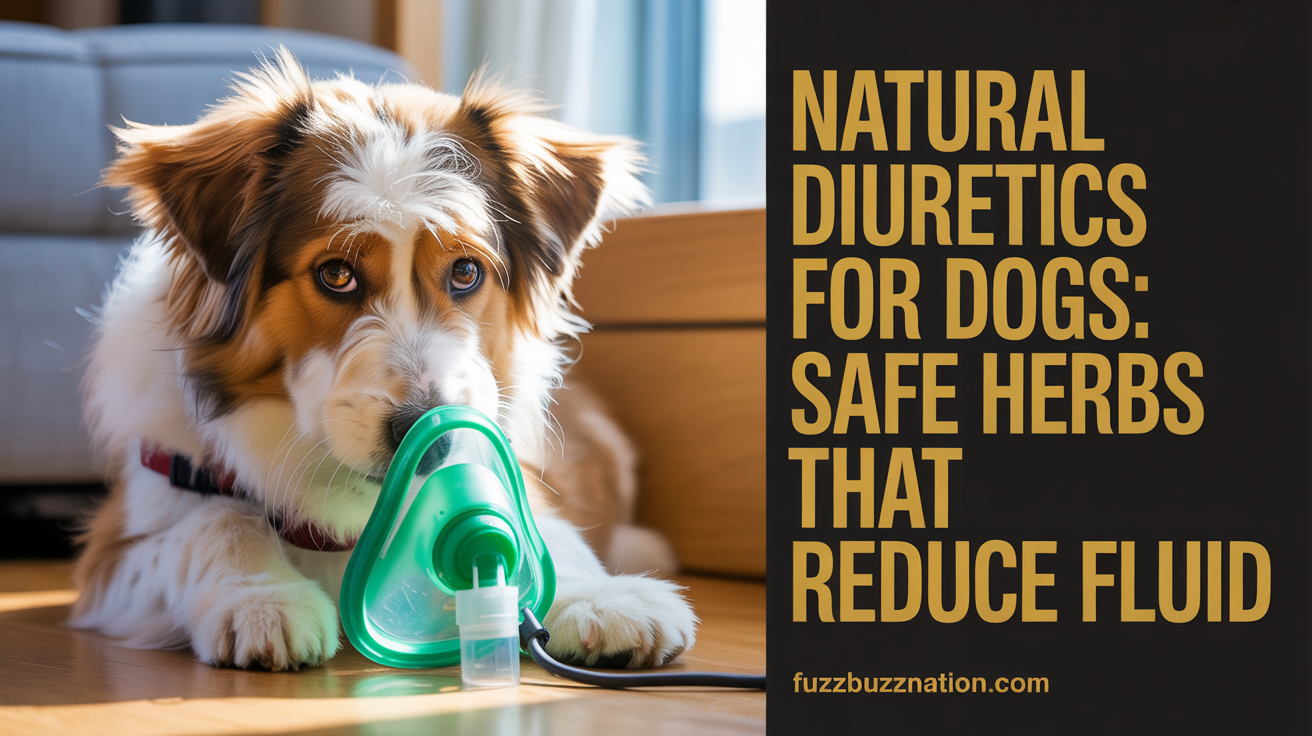
Observing a beloved canine companion experiencing discomfort can be distressing for any pet owner. One particular condition that can signal underlying health concerns is fluid retention, medically known as edema. This condition involves the accumulation of excess fluid in the body’s tissues or cavities, leading to swelling and a range of other symptoms. While the term “natural remedies for fluid retention in dogs” often sparks interest, it is crucial to understand that fluid retention itself is usually a symptom of a more significant health issue, not a standalone disease. Understanding the nature of canine fluid retention, its potential causes, and the role natural approaches might play always under professional veterinary guidance is paramount for supporting a dog’s well-being and overall quality of life. This knowledge empowers owners to act promptly and appropriately, ensuring their furry friends receive the best possible care.
💡 Pet Care Key Takeaways:
- Core Focus: Practical health, nutrition, and wellness guidelines for Natural Remedies For Fluid Retention In Dogs.
- Target Scope: Pet owners, animal caregivers, and veterinary support staff.
- Best Recommendation: Maintain consistent daily routines and consult an accredited veterinarian before introducing major diet or medical changes.
Common Causes and Key Factors
Fluid retention in dogs can stem from various serious underlying health conditions, making a thorough veterinary diagnosis indispensable. One of the most common biological factors is heart disease, where a weakened heart struggles to pump blood effectively, leading to fluid buildup in the lungs or abdomen. Kidney disease can also be a significant contributor; compromised kidneys may not properly regulate fluid and electrolyte balance, resulting in edema. Liver disease, particularly when it affects protein production, can lower albumin levels in the blood, leading to fluid leaking from blood vessels into surrounding tissues. For more related activities, check out our Sick Pug At Veterinarian.
Other factors include severe allergic reactions, which can cause localized swelling; injuries or trauma, leading to inflammatory edema; and certain types of cancer, which can obstruct lymphatic drainage or produce substances that cause fluid accumulation. Nutritional deficiencies, though less common as a primary cause in well-fed dogs, can sometimes play a role. The indiscriminate use of some medications can also have fluid retention as a side effect. Recognizing that fluid retention is a red flag for deeper systemic issues is the first step toward effective management.
Signs and Symptoms to Observe
Identifying fluid retention in a dog often involves careful observation of both physical and behavioral changes. The most apparent sign is swelling, which can manifest in various locations. Peripheral edema is typically seen as puffiness in the limbs, paws, or face. Abdominal distension, characterized by a bloated or swollen belly, often indicates fluid accumulation within the abdominal cavity (ascites). Fluid in the lungs (pulmonary edema) may present as difficulty breathing, coughing, or labored respiration.
Beyond visible swelling, affected dogs may exhibit lethargy, reduced activity levels, and a general reluctance to move. A decrease in appetite or noticeable weight gain despite no change in diet can also be indicative. The skin over swollen areas might appear taut, shiny, or stretched. Depending on the underlying cause, other symptoms might include increased thirst, changes in urination patterns, or pale gums. These signs can vary in intensity based on the dog’s age, breed, the severity of the condition, and the specific underlying disease, necessitating a vigilant approach to monitoring a dog’s health.
Practical Solutions and Management Strategies
Once a dog has received a definitive diagnosis from a veterinarian regarding the cause of fluid retention, certain natural approaches can complement prescribed medical treatments, always under professional guidance. Dietary adjustments are often a key component. A low-sodium diet, which often involves preparing fresh, whole foods or using specialized veterinary prescription diets, can help reduce the body’s tendency to retain water. Ensuring adequate protein intake is also crucial, particularly if liver or kidney issues are present, as protein helps maintain osmotic pressure in the blood.
Herbal support, when approved and overseen by a veterinarian or a holistic vet, can sometimes be considered. Dandelion leaf, known for its natural diuretic properties, may assist in promoting increased urination and fluid excretion. Parsley is another herb with mild diuretic effects and can support kidney function. Ginger possesses anti-inflammatory properties that could be beneficial in certain contexts. However, the use of any herbal remedy must be approached with extreme caution, as dosages and interactions with other medications need careful management by a professional.
Beyond diet and specific botanicals, ensuring consistent access to fresh, clean water is vital. This helps the kidneys flush out toxins and maintain hydration without overwhelming the system. Moderate, regular exercise, tailored to the dogs physical condition and the underlying cause of fluid retention, can improve circulation and lymphatic drainage. Gentle massage of non-painful swollen areas, again only with veterinary approval, might also aid in encouraging fluid movement. Lastly, reducing environmental stress can support overall health and potentially mitigate some symptoms.
When Professional Help May Be Needed
The presence of fluid retention in a dog is almost invariably a signal that professional veterinary intervention is needed. This condition is not a minor ailment but rather a serious symptom often indicative of significant underlying diseases such as heart failure, kidney disease, liver dysfunction, or cancer. Attempting to manage fluid retention with natural remedies alone without a precise diagnosis from a qualified veterinarian can be extremely dangerous and delay life-saving treatment.
Immediate veterinary consultation is crucial upon noticing any signs of swelling, difficulty breathing, or sudden abdominal distension. A veterinarian will conduct a thorough examination, including blood tests, urinalysis, X-rays, ultrasound, or other diagnostic procedures, to pinpoint the exact cause of the fluid buildup. Only once a diagnosis has been established can an appropriate treatment plan be formulated. Natural remedies, when considered, should only ever be implemented as a complementary or supportive measure, strictly under the direct supervision and approval of a veterinary professional, and never as a substitute for primary medical treatment.
Conclusion
Fluid retention in dogs is a serious symptom demanding careful attention and, most importantly, professional veterinary diagnosis and management. While the concept of “natural remedies for fluid retention in dogs” offers appealing avenues for supportive care, it is critical to underscore that these approaches should never precede a veterinary assessment. Understanding the various causes, recognizing the subtle signs, and seeking prompt professional help are non-negotiable steps in addressing this condition effectively. With a veterinarian’s expert guidance, a holistic approach that includes appropriate medical treatments alongside carefully selected and approved natural strategies can significantly contribute to a dog’s comfort and long-term well-being. Proactive observation and a commitment to consistent, informed care remain the cornerstones of ensuring a healthy and happy life for canine companions.
Pet Care & Wellness Overview Table
| Life Stage | Daily Activity Level | Key Nutrition / Care Focus |
|---|---|---|
| Puppy / Kitten | High (frequent short bursts) | High-protein growth diet & early socialization |
| Adult Companion | Moderate (30–60 mins daily) | Balanced maintenance nutrition & dental hygiene |
| Senior Pets | Low to Gentle (mindful walks) | Joint support (Glucosamine) & routine vet checks |
Images References



For more expert pet care tips and advice, check out our dedicated Dog Health guides to keep your companions healthy and happy.


