

Introduction
Maintaining optimal health for canine companions is a primary concern for dedicated pet owners. Among the many aspects of a dog’s well-being, the health of the urinary system plays a crucial role in overall comfort and vitality. Challenges within this system can manifest in various ways, often causing discomfort and affecting a dog’s quality of life. Understanding the role of specific nutritional support has become increasingly relevant. This article delves into the topic of urinary supplements for dogs, exploring what these products are, why they are considered, and how they contribute to supporting the intricate mechanisms of a dogs urinary tract. By understanding the potential benefits and appropriate use of these supplements, dog owners can make informed decisions to help improve their dogs urinary health and contribute to a happier, healthier existence.
💡 Pet Care Key Takeaways:
- Core Focus: Practical health, nutrition, and wellness guidelines for Urinary Supplements For Dogs.
- Target Scope: Pet owners, animal caregivers, and veterinary support staff.
- Best Recommendation: Maintain consistent daily routines and consult an accredited veterinarian before introducing major diet or medical changes.
Common Causes and Key Factors
Canine urinary issues can stem from a variety of factors, ranging from infections to dietary imbalances and even stress. One of the most common concerns is bacterial urinary tract infections (UTIs), which can cause inflammation and discomfort. Another significant factor involves the formation of urinary crystals or stones, often influenced by diet, water intake, and urine pH levels. Certain breeds may have a genetic predisposition to specific types of stones. For more related activities, check out our Purina One Xxl 10Kg Feeding Guide 20Kg Dog.
Age also plays a role; older dogs may experience weakened bladder control or reduced immune function, making them more susceptible to urinary challenges. Environmental stressors and insufficient access to fresh water can also contribute to urinary system strain. Recognizing these underlying causes is fundamental to understanding when and why a targeted approach, potentially including urinary supplements, might be beneficial in conjunction with veterinary guidance.
Signs and Symptoms to Observe
Recognizing the signs of urinary discomfort or dysfunction in a dog is critical for timely intervention. Subtle changes in behavior or routine can often indicate an underlying issue. Owners should be vigilant for increased frequency of urination or straining during urination, which may suggest inflammation or obstruction. Accidents inside the home, especially from a previously house-trained dog, can also be a significant indicator.
Other observable symptoms include blood in the urine, often appearing as a pinkish or reddish tint, or cloudy urine. Excessive licking of the genital area, lethargy, decreased appetite, or crying out during urination are also serious signs that warrant immediate attention. While these signs can vary depending on the dog’s age, breed, and the severity of the condition, consistent observation for any deviation from normal urinary habits is paramount.
Practical Solutions and Management Strategies
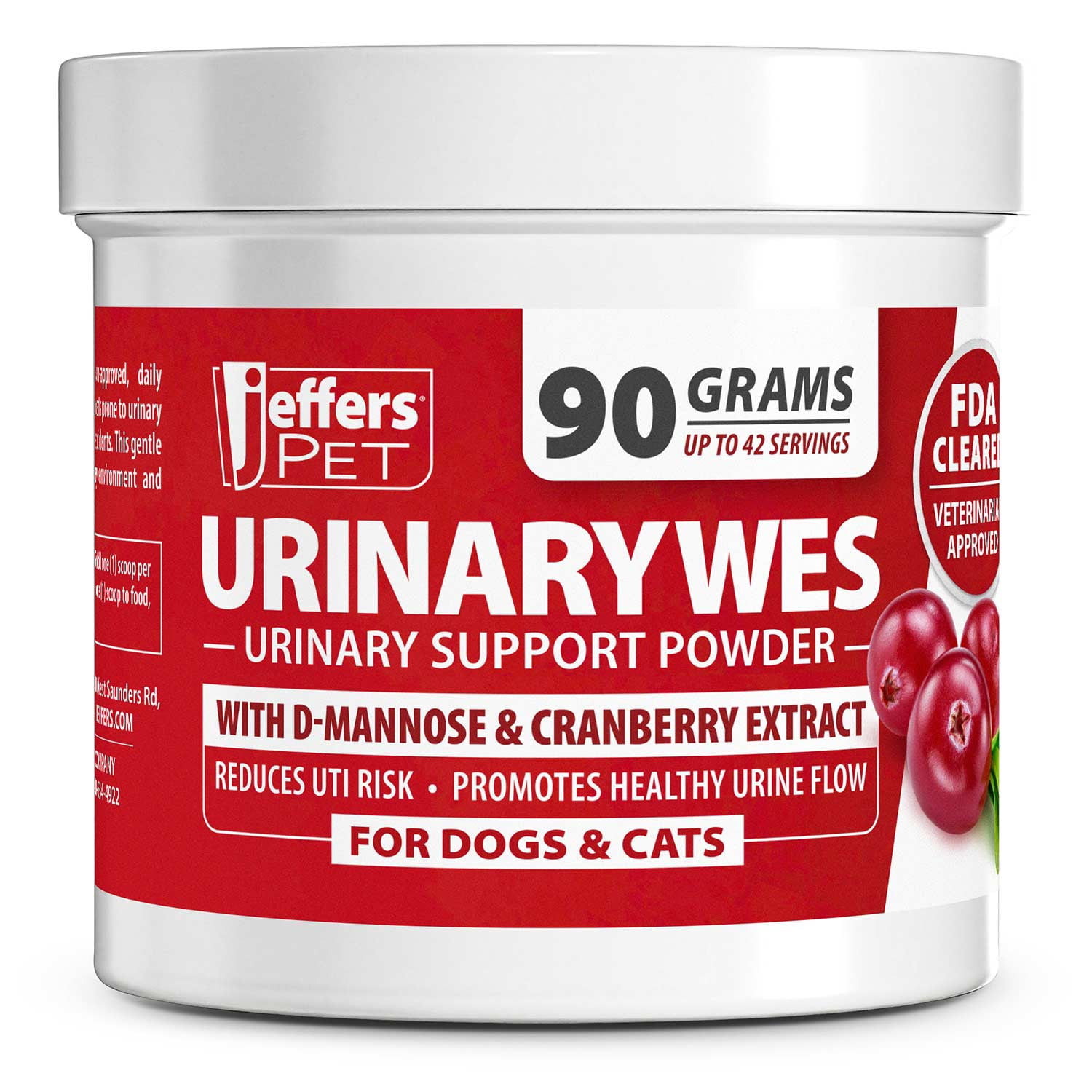
Addressing canine urinary health often requires a multi-faceted approach, with urinary supplements playing a supportive role alongside other management strategies. These supplements typically contain ingredients chosen for their properties in supporting urinary tract integrity and function. Common components include cranberry extract, known for its ability to help prevent bacteria from adhering to bladder walls; D-Mannose, a sugar that can bind to certain bacteria; and Glucosamine, which helps support the protective lining of the bladder.
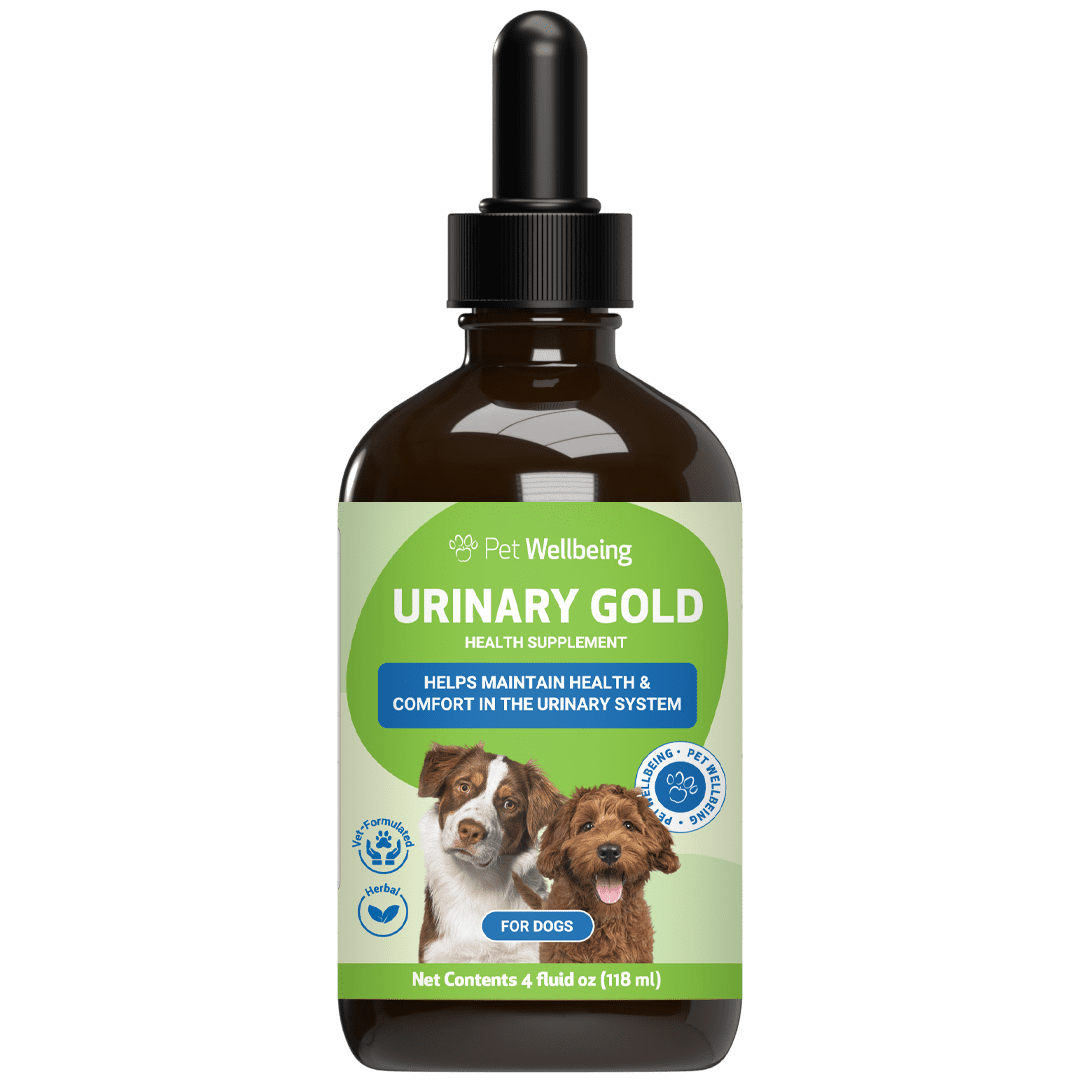
Marshmallow root and juniper berry are sometimes included for their soothing and diuretic properties, respectively. When considering urinary supplements for dogs, it is crucial to consult a veterinarian to determine the most appropriate type and dosage based on a dog’s specific needs and existing health conditions.
Beyond supplements, practical management involves ensuring constant access to fresh water to encourage hydration and dilute urine. Dietary adjustments, such as switching to prescription urinary diets formulated to manage pH levels or reduce stone formation, may be recommended by a veterinarian. Regular potty breaks are essential to prevent urine retention, and maintaining a clean living environment helps minimize exposure to bacteria. Lifestyle changes, such as reducing stress for anxious dogs, can also contribute to overall urinary health.
When Professional Help May Be Needed
While urinary supplements can offer supportive benefits, it is imperative to understand that they are not a substitute for professional veterinary diagnosis and treatment. Any observable signs of urinary distress, such as straining, blood in the urine, frequent accidents, or changes in urination patterns, necessitate an immediate consultation with a veterinarian. These symptoms could indicate serious conditions like severe infections, bladder stones, or even tumors, which require medical intervention.
A veterinarian can perform a thorough examination, including urinalysis, blood tests, and imaging, to accurately diagnose the underlying cause of the urinary issue. Only after a proper diagnosis can an effective treatment plan be established. Supplements are typically recommended as a complementary part of a broader health strategy, often used to prevent recurrence or provide ongoing support after an acute issue has been resolved. Attempting to self-treat significant urinary problems solely with supplements can delay crucial medical care and potentially worsen a dog’s condition.
Conclusion
The maintenance of a dog’s urinary health is a vital component of its overall well-being, impacting comfort, behavior, and quality of life. Urinary supplements for dogs serve as a valuable tool in a comprehensive approach to supporting the urinary tract, offering beneficial ingredients designed to bolster bladder health and deter common issues. However, their role is best understood within the context of a holistic care plan, emphasizing proper hydration, appropriate nutrition, and a watchful eye for any concerning symptoms. Prioritizing regular veterinary check-ups and seeking professional advice at the first sign of trouble are non-negotiable steps. By combining informed decisions about supplements with expert veterinary guidance and attentive daily care, dog owners can proactively contribute to the enduring urinary health and happiness of their cherished canine companions.
Pet Care & Wellness Overview Table
| Life Stage | Daily Activity Level | Key Nutrition / Care Focus |
|---|---|---|
| Puppy / Kitten | High (frequent short bursts) | High-protein growth diet & early socialization |
| Adult Companion | Moderate (30–60 mins daily) | Balanced maintenance nutrition & dental hygiene |
| Senior Pets | Low to Gentle (mindful walks) | Joint support (Glucosamine) & routine vet checks |
Images References



For more expert pet care tips and advice, check out our dedicated Dog Nutrition guides to keep your companions healthy and happy.




