

Introduction
Understanding the nuances of canine temperament is crucial for every devoted dog owner. The term “neurotic dog behavior” refers to a pattern of exaggerated, often anxiety-driven, and sometimes maladaptive actions that deviate from typical canine responses. These behaviors are not merely “bad habits”; rather, they frequently stem from underlying stress, fear, or an inability to cope with environmental stimuli. When a dog exhibits neurotic behaviors, its overall well-being and quality of life can be significantly impacted, potentially leading to chronic stress, physical ailments, and even a strained relationship with its human companions. Recognizing, understanding, and addressing these patterns effectively can profoundly improve a dog’s emotional health, enhance its daily comfort, and strengthen the bond shared with its family.
💡 Pet Care Key Takeaways:
- Core Focus: Practical health, nutrition, and wellness guidelines for Neurotic Dog Behavior.
- Target Scope: Pet owners, animal caregivers, and veterinary support staff.
- Best Recommendation: Maintain consistent daily routines and consult an accredited veterinarian before introducing major diet or medical changes.
Common Causes and Key Factors
Neurotic dog behavior often arises from a complex interplay of genetic predispositions, environmental factors, and past experiences. While certain breeds may exhibit a genetic inclination towards anxiety or compulsive disorders, these tendencies are frequently exacerbated by external circumstances. For more related activities, check out our Dog Heat Behavior Changes.
A significant cause can be insufficient mental and physical stimulation. Dogs are intelligent and active creatures; a lack of appropriate outlets for their energy and innate drives can lead to frustration and the development of repetitive, displacement behaviors. Conversely, over-stimulation or chronic stress from a chaotic environment, loud noises, or frequent changes in routine can also trigger neurotic responses.
Traumatic experiences during a dog’s formative years, such as abuse, neglect, or even a single frightening event, can leave lasting psychological scars. Similarly, social isolation or improper socialization can lead to profound anxiety when confronted with novel situations, people, or other animals.
Furthermore, underlying medical conditions can mimic or contribute to neurotic behaviors. Pain, neurological disorders, hormonal imbalances (like thyroid issues), or even nutrient deficiencies can manifest as anxiety, compulsive licking, or unexplained restlessness. Always ruling out physical ailments is a crucial first step when observing a shift in a dog’s behavior. Inconsistent training or accidental reinforcement of anxious behaviors can also inadvertently perpetuate these patterns.
Signs and Symptoms to Observe
Observing a dog for signs of neurotic behavior requires careful attention to changes in its typical demeanor and actions. These indicators can vary in intensity and manifestation, often depending on the individual dog’s breed, age, and specific triggers.
One of the most identifiable categories involves repetitive or compulsive behaviors performed out of context or to an excessive degree. Examples include incessant pacing, tail chasing, flank sucking, spinning, or prolonged, intense licking of paws or other body parts, which can sometimes lead to lick granulomas (self-inflicted sores). These actions often appear ritualistic and are difficult to interrupt.
Anxiety-related behaviors are also prominent. These may present as excessive panting or drooling when not hot or exercising, constant whining or whimpering, destructive chewing (especially when left alone), inappropriate urination or defecation indoors, or persistent restlessness and an inability to settle. Some dogs might become hyper-vigilant, constantly scanning their surroundings and reacting with exaggerated fear to commonplace sounds or movements.
Fear-based reactions can escalate to neurotic levels. A dog might cower, tremble excessively, try to hide, or even show signs of aggression (snapping, growling, lunging) when encountering specific triggers like unfamiliar people, other dogs, or certain sounds. Extreme shyness or withdrawal from social interaction, a loss of interest in play, or a sudden change in eating habits can also signal underlying distress. It is important to remember that such signs are not deliberate misbehavior but rather symptoms of an internal struggle.
Practical Solutions and Management Strategies
Addressing neurotic dog behavior involves a multi-faceted approach, often requiring patience, consistency, and a deep understanding of canine psychology. Successful management strategies aim to reduce stress, provide appropriate outlets, and teach coping mechanisms.
Establishing a predictable routine is foundational. Dogs thrive on consistency; regular schedules for feeding, exercise, training, and rest can provide a sense of security and reduce anxiety. This predictability helps them understand expectations and anticipate events, minimizing surprises that might trigger stress.
Environmental enrichment plays a vital role. Providing a variety of stimulating toys, puzzle feeders, and opportunities for scent work can engage a dog’s mind and redirect compulsive tendencies into constructive activities. Creating a safe, quiet space, such as a comfortable crate or a designated bed in a low-traffic area, offers a retreat when a dog feels overwhelmed.
Adequate physical exercise, tailored to the dog’s breed and age, is essential for expending pent-up energy and promoting a calm demeanor. Alongside physical activity, mental stimulation through short, positive reinforcement-based training sessions helps build confidence and strengthens cognitive abilities. Techniques such as desensitization and counter-conditioning can be effective for specific fears or anxieties, gradually exposing the dog to triggers while pairing them with positive experiences.
Dietary considerations can sometimes complement behavioral management. A balanced, high-quality diet supports overall health, and in some cases, veterinarians may suggest supplements containing ingredients like L-theanine or alpha-casozepine, known for their calming properties. However, any dietary changes or supplement additions should always be discussed with a veterinary professional. Consistency in applying these strategies and a commitment to positive reinforcement are key to fostering lasting improvements.
When Professional Help May Be Needed
While many cases of neurotic dog behavior can be managed with dedicated home efforts, there are specific circumstances where professional intervention becomes not only beneficial but necessary. Recognizing these thresholds ensures a dog receives the most appropriate and effective care.
A primary indicator for seeking professional help is when a dog’s behaviors are persistent, worsening, or significantly impacting its quality of life or the daily function of the household. If initial attempts at management, such as increased exercise or environmental enrichment, yield no significant improvement, further investigation is warranted.
Any sudden onset of neurotic behaviors in an adult dog should always prompt a visit to a veterinarian. A thorough medical examination is crucial to rule out underlying health issues, pain, or neurological conditions that might be contributing to or causing the behavioral changes. Ignoring potential physical causes can delay appropriate treatment and prolong a dog’s distress.
Situations involving self-harm, such as obsessive licking that leads to open sores or mutilation, or behaviors that pose a safety risk to people or other animals (e.g., fear-induced aggression), demand immediate professional consultation. A certified professional dog trainer or a veterinary behaviorist possesses specialized knowledge and tools to develop tailored behavior modification plans. A veterinary behaviorist, specifically, can also assess the need for pharmacological interventions, which, when used in conjunction with behavior modification, can significantly improve outcomes for dogs with severe anxiety or compulsive disorders. Collaborating with these experts provides a comprehensive strategy for managing complex neurotic behaviors effectively.
Conclusion
Neurotic dog behavior, while challenging to witness and manage, represents a cry for help from a beloved companion. Understanding its root causes, diligently observing the signs, and implementing thoughtful management strategies are fundamental steps toward fostering a healthier, happier dog. From establishing consistent routines and providing rich environmental stimulation to employing positive reinforcement training, every effort contributes to a dog’s emotional resilience. It is vital to remember that persistent or severe behaviors, especially those that involve self-harm or aggression, necessitate the invaluable expertise of veterinary professionals or certified behaviorists. Through informed care, patience, and a deep commitment to their well-being, dog owners can help their canine companions navigate internal struggles, ultimately strengthening the remarkable bond shared and enhancing the overall quality of life for every member of the family.
Pet Care & Wellness Overview Table
| Life Stage | Daily Activity Level | Key Nutrition / Care Focus |
|---|---|---|
| Puppy / Kitten | High (frequent short bursts) | High-protein growth diet & early socialization |
| Adult Companion | Moderate (30–60 mins daily) | Balanced maintenance nutrition & dental hygiene |
| Senior Pets | Low to Gentle (mindful walks) | Joint support (Glucosamine) & routine vet checks |
Images References





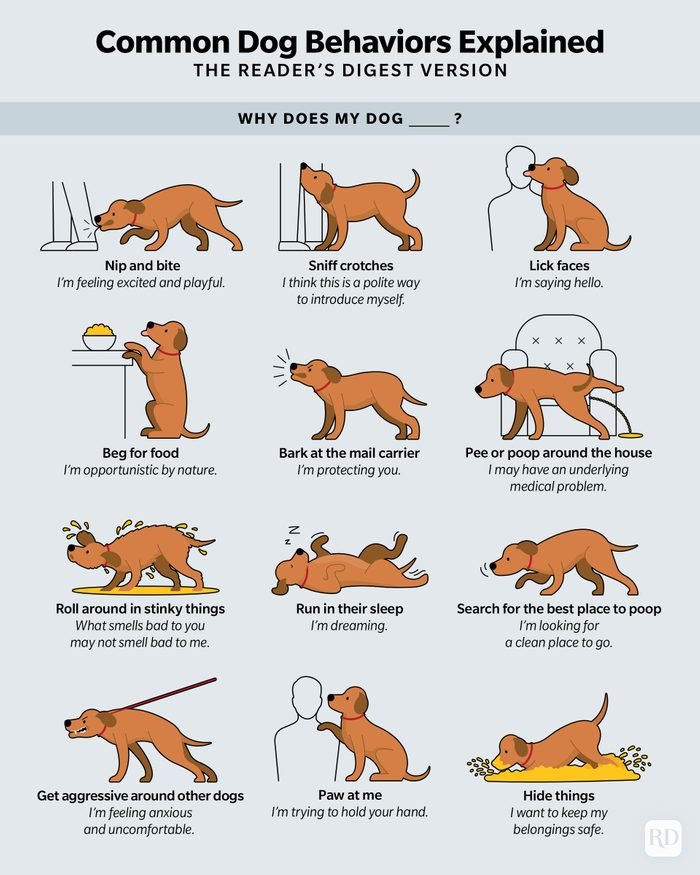


For more expert pet care tips and advice, check out our dedicated Dog Behavior guides to keep your companions healthy and happy.




