

Introduction
The term “no pull leash” refers to a category of dog walking equipment specifically designed to discourage or reduce a dog’s tendency to pull while on a leash. This equipment is primarily a tool to facilitate better leash manners and improve the walking experience for both canine companions and their human guardians. Pulling on the leash is a common and often frustrating challenge encountered by many dog owners. It can lead to discomfort for the dog, potential injuries for the handler, and can make walks feel like a chore rather than an enjoyable shared activity. Understanding the mechanics and appropriate use of a no-pull leash, often a specialized harness or head halter, can significantly enhance a dog’s well-being by preventing strain on the neck and spine, while also fostering a more harmonious relationship through improved communication and control during outdoor excursions.
💡 Pet Care Key Takeaways:
- Core Focus: Practical health, nutrition, and wellness guidelines for No Pull Leash.
- Target Scope: Pet owners, animal caregivers, and veterinary support staff.
- Best Recommendation: Maintain consistent daily routines and consult an accredited veterinarian before introducing major diet or medical changes.
Common Causes and Key Factors
Several factors contribute to a dog’s habit of pulling on the leash. A primary cause is often excitement and overstimulation. Dogs experience the world through their noses and are naturally eager to investigate new scents, sights, and sounds, leading them to surge forward. Insufficient early training or inconsistent reinforcement of loose-leash walking principles can also establish pulling as a learned behavior; if pulling results in reaching a desired destination or object, the behavior is inadvertently reinforced. For more related activities, check out our Puppy Bites Skin Not Toys Overstimulated Veterinary Behaviorist Management.
Furthermore, high energy levels, particularly in young or active breeds, can manifest as pulling if adequate physical and mental stimulation is not provided before walks. Instinctual drives, such as a strong prey drive, can cause sudden lunging towards squirrels, birds, or other small animals. In some cases, fear or anxiety can lead a dog to pull frantically in an attempt to escape a perceived threat or an uncomfortable situation. The type of equipment used also plays a role; traditional flat collars can exert pressure on a dog’s throat when pulling, which can be uncomfortable and potentially harmful, yet often fails to deter the behavior effectively.
Signs and Symptoms to Observe
Observing a dog’s behavior on a walk can clearly indicate a pulling habit. The most evident sign is a consistently taut leash, with the dog’s body often angled forward, straining against the restraint. Dogs wearing traditional collars might exhibit choking or gagging sounds, a clear indication of pressure on the trachea. Handlers may frequently find themselves being pulled off balance, struggling to maintain control, especially with larger or stronger dogs.
Other indicators include heightened excitement levels from the moment the leash is clipped on, sometimes accompanied by excessive whining or barking. A pulling dog may also become less responsive to commands or cues during walks, focusing solely on moving forward. Physical signs like rubbing or soreness around the neck or chest area, depending on the collar or harness type, can also point to excessive force being applied. These signs can vary by age, with younger dogs often exhibiting more vigorous pulling, and by breed, where working breeds might naturally pull more due to their build and instinctual drives.
Practical Solutions and Management Strategies
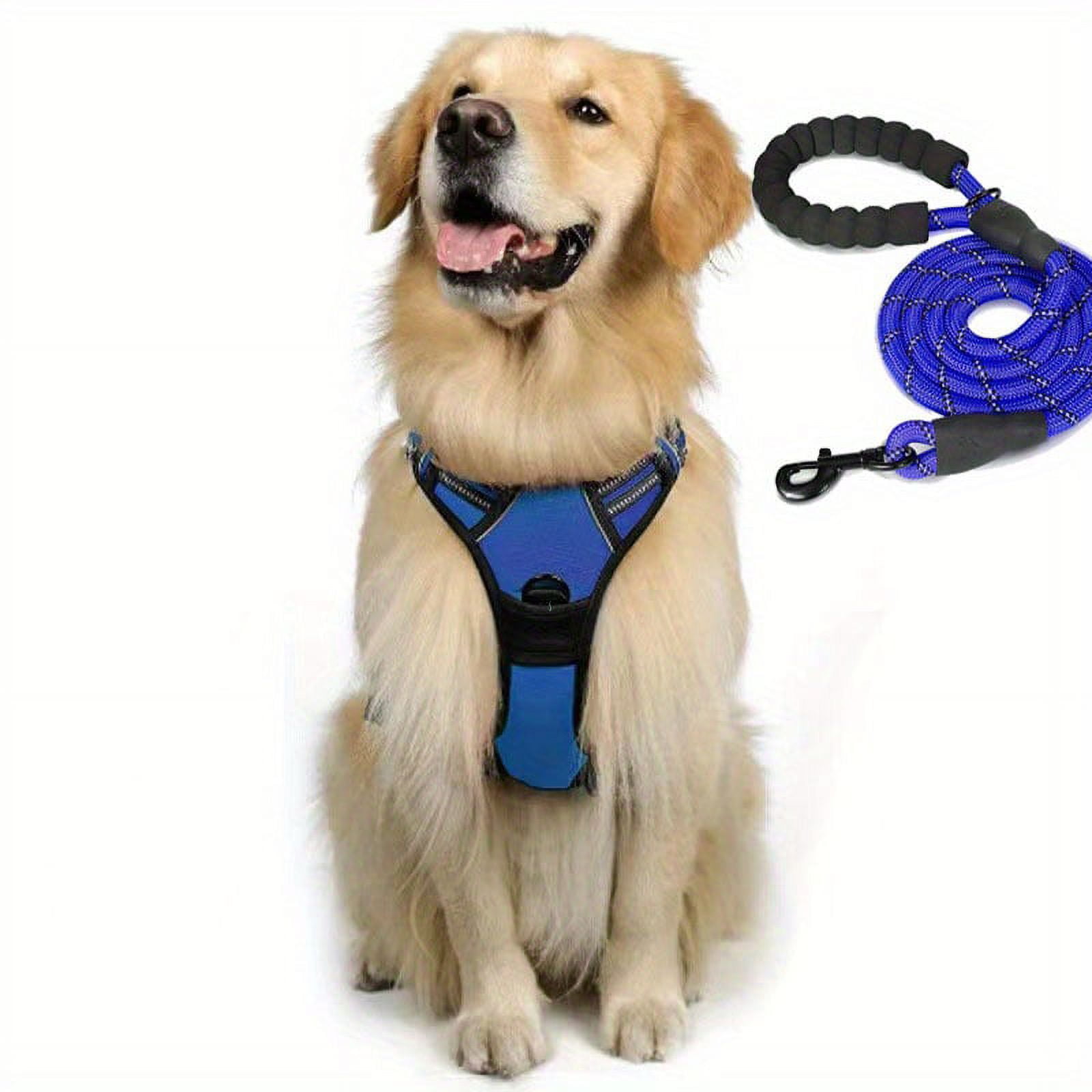
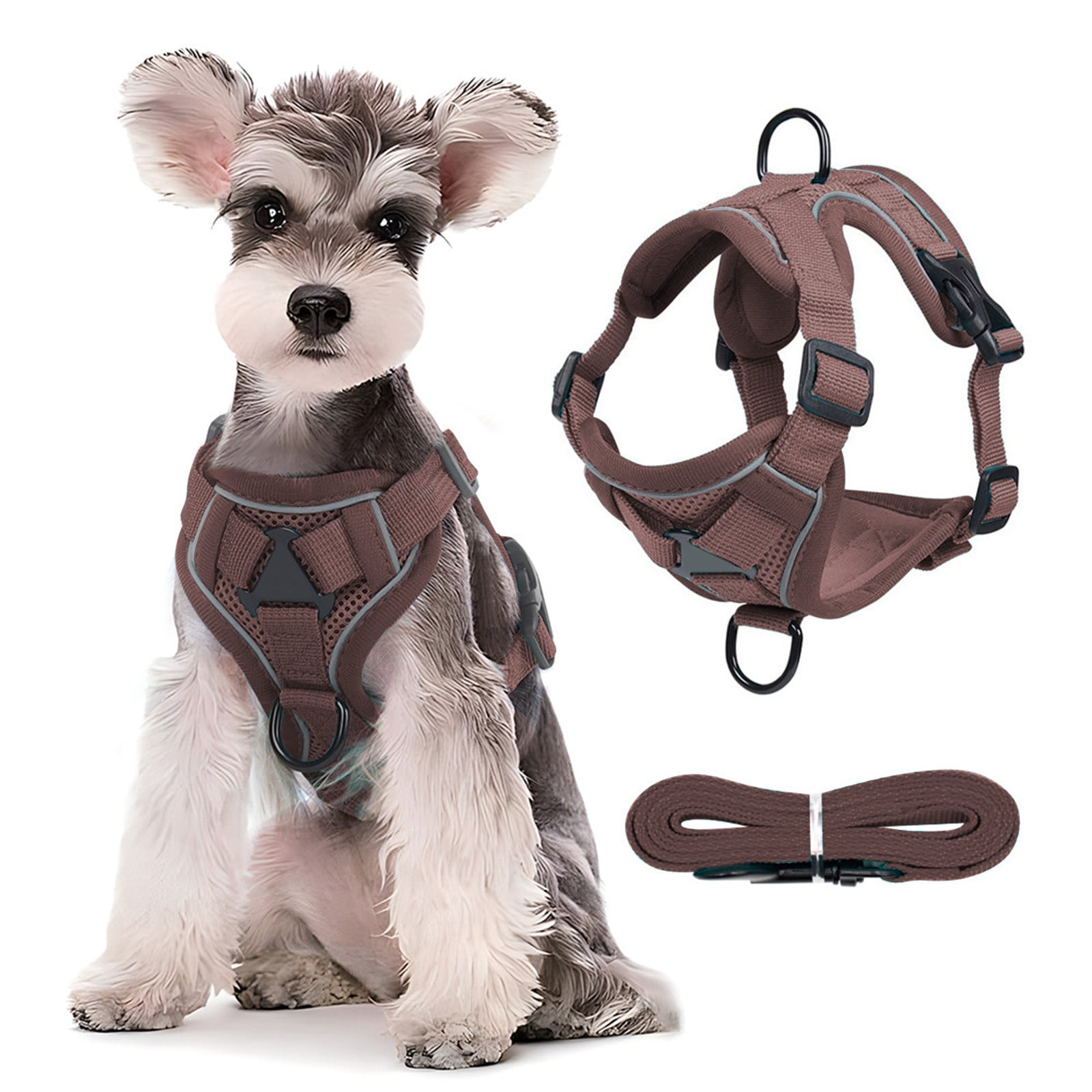
Addressing leash pulling often involves a combination of appropriate equipment and consistent training. A “no pull leash” system, typically a specialized harness or head halter, is designed to redirect a dog’s natural pulling strength. Front-clip harnesses, for instance, attach the leash at the dog’s chest, causing the dog to turn sideways when pulling, thus making it uncomfortable and ineffective to pull forward. Head halters, such as a Halti or Gentle Leader, provide control over the dog’s head, which naturally guides the body, similar to how a halter works on a horse. These tools are not punitive but rather leverage canine biomechanics to teach better leash manners.
Complementary training techniques are crucial. Loose-leash walking training emphasizes rewarding the dog for keeping a slack leash. Methods like the “stop-and-go” technique involve stopping immediately whenever the dog pulls and only resuming the walk when the leash slackens. Changing direction abruptly when pulling occurs can also disrupt the dog’s forward momentum and encourage attention to the handler. Positive reinforcement using high-value treats and verbal praise for walking calmly beside the handler is highly effective. Prioritizing adequate physical and mental exercise before walks can also help expend excess energy, making dogs more receptive to training and less inclined to pull. Starting training in low-distraction environments and gradually introducing more stimulating settings ensures a higher chance of success.
When Professional Help May Be Needed
While many cases of leash pulling can be managed with consistent training and appropriate equipment, there are situations where professional intervention becomes advisable. If persistent pulling continues despite diligent efforts with varied training techniques and a no-pull leash, a certified professional dog trainer or a veterinary behaviorist can provide invaluable assistance. These experts can accurately assess the root cause of the pulling, which might extend beyond simple excitement to more complex behavioral issues such as anxiety, reactivity, or frustration.
Situations involving aggression or extreme reactivity towards other dogs or people while on leash, accompanied by intense pulling, are definite indicators for professional support. Furthermore, if a dog exhibits signs of physical discomfort or potential injury from previous pulling, a veterinary check-up is prudent to rule out any underlying health issues. When a dog’s size and strength, combined with its pulling habits, create a significant safety risk for the handler or the dog itself, seeking professional guidance becomes a responsible and necessary step to ensure the well-being and safety of all involved.
Conclusion
The journey to achieving enjoyable, loose-leash walks is a rewarding one, and understanding the role of a “no pull leash” is a significant step. These specialized tools are invaluable aids, not quick fixes, working best when combined with consistent, positive reinforcement training. Addressing leash pulling requires patience, observation, and a commitment to teaching desirable behaviors. By recognizing the causes of pulling, utilizing appropriate equipment, and implementing effective training strategies, dog owners can transform frustrating walks into pleasant, bonding experiences. This holistic approach not only enhances a dog’s physical comfort and safety but also strengthens the companionship between dogs and their human families, fostering a happier and healthier relationship overall.
Pet Care & Wellness Overview Table
| Life Stage | Daily Activity Level | Key Nutrition / Care Focus |
|---|---|---|
| Puppy / Kitten | High (frequent short bursts) | High-protein growth diet & early socialization |
| Adult Companion | Moderate (30–60 mins daily) | Balanced maintenance nutrition & dental hygiene |
| Senior Pets | Low to Gentle (mindful walks) | Joint support (Glucosamine) & routine vet checks |
Images References






For more expert pet care tips and advice, check out our dedicated Dog Training guides to keep your companions healthy and happy.




