

Understanding the Adolescent Canine Transition
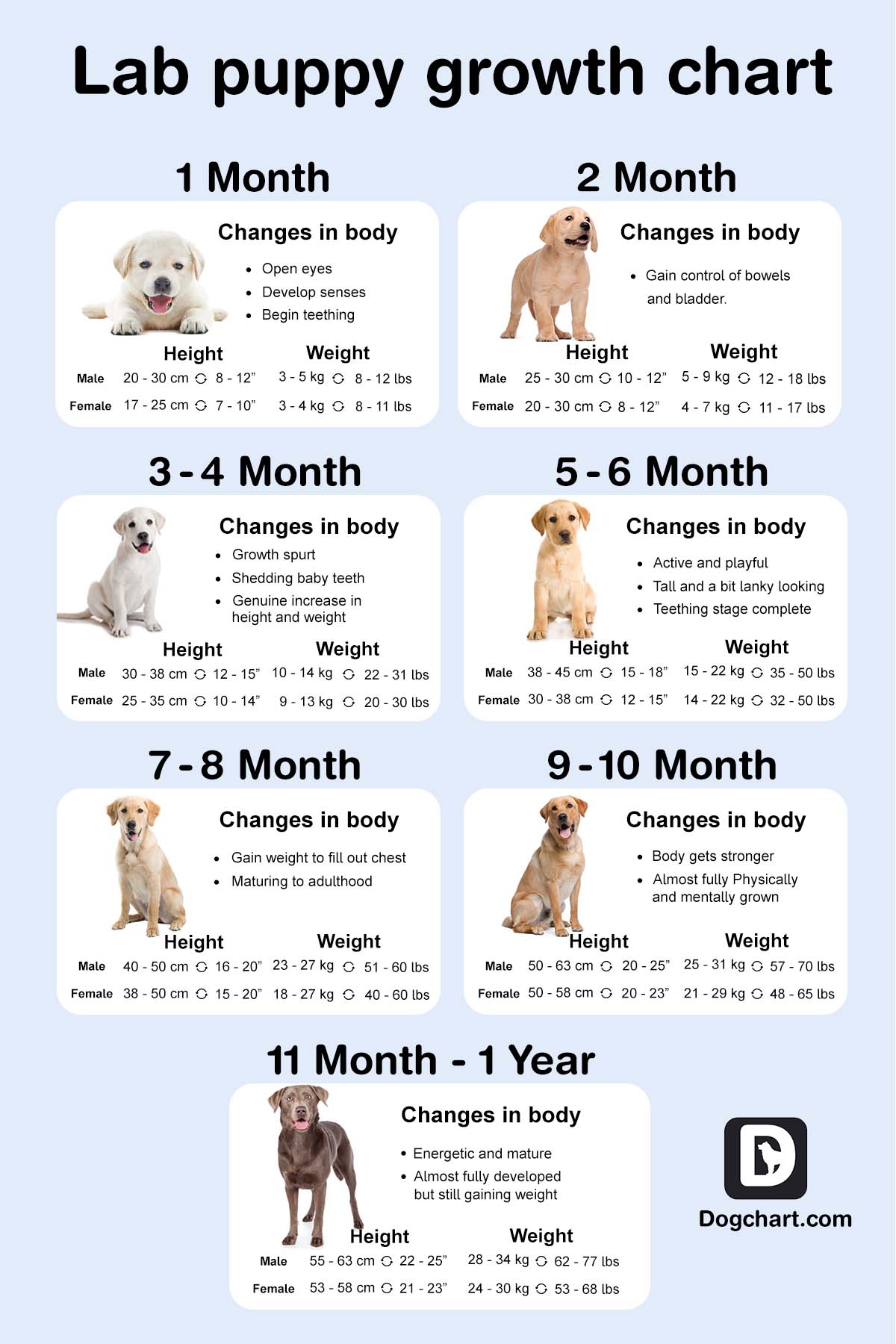
Entering late puppyhood brings a wave of developmental shifts that often catch households completely unprepared. According to the American Kennel Club, adolescence in dogs frequently begins around six months of age and continues through maturity, marking a period of profound hormonal, neurological, and physical changes. During this phase, a nine-month-old canine may suddenly appear to forget previously mastered cues, test established household boundaries, and display boundless bursts of energy. This transition is entirely typical for growing dogs, yet it can test the patience of even the most dedicated caregivers. Recognizing these developmental markers helps reframe frustration into constructive guidance, ensuring households remain calm and supportive while navigating canine adolescence.
💡 Pet Care Key Takeaways:
- Core Focus: Practical health, nutrition, and wellness guidelines for Normal Behavior Issues For 9 Month Old Puppy.
- Target Scope: Pet owners, animal caregivers, and veterinary support staff.
- Best Recommendation: Maintain consistent daily routines and consult an accredited veterinarian before introducing major diet or medical changes.
Defining Normal Behavior Issues at Nine Months of Age
Normal behavior issues for a nine-month-old puppy typically encompass boundary testing, intensified curiosity, adolescent reactivity, and a temporary regression in obedience. Neurologically, a nine-month-old dog is undergoing significant brain restructuring, much like human teenagers. This developmental phase often manifests as selective listening, where a puppy hears a command but chooses to investigate a more stimulating environmental scent instead. Additionally, changing hormone levels can heighten territorial awareness or increase interest in social interactions with unfamiliar dogs. Destructive chewing often peaks around this age as permanent adult teeth settle securely into the jaw, driving an instinctive need to relieve dental discomfort and jaw tension through persistent gnawing on household objects. For more related activities, check out our Dog Unusual Behavior.
Adolescent behavioral shifts directly influence household harmony, daily scheduling, and the physical safety of both the dog and the human family. Unmanaged chewing can lead to the ingestion of hazardous foreign objects, presenting significant medical risks that require constant supervision and preventative management. Furthermore, jumping up on visitors or pulling forcefully during walks transforms routine outings into stressful experiences. Addressing these challenges requires patience and structured consistency rather than harsh discipline. Positive reinforcement methods reinforce desired habits while strengthening the bond between the maturing dog and the household caregivers.
Adolescent dogs frequently experience a developmental stage characterized by increased independence and temporary obedience regression, which requires consistent, positive reinforcement to navigate successfully. — American Kennel Club
Strategies for Managing Adolescent Canine Conduct
Managing adolescent behavior effectively relies on environmental management, clear communication, and predictable daily routines. Providing adequate physical exercise tailored to the specific breed and individual health status helps channel excess energy away from destructive outlets. Mental enrichment, such as puzzle toys and scent games, satisfies the cognitive needs of a growing canine mind. Establishing reliable impulse control exercises through positive reinforcement encourages the puppy to make better choices during high-distraction scenarios. Consistency across all household members ensures the dog receives unambiguous signals regarding acceptable household conduct.
Best Practices and Common Mistakes to Avoid
Avoiding punitive or intimidation-based techniques is essential for maintaining trust and preventing fear-based reactivity during the sensitive adolescent window. A common misstep involves granting too much freedom too soon, which often leads to repeated rehearsal of unwanted habits like counter-surfing or excessive barking. Instead, caregivers should utilize secure crates, puppy-safe rooms, and leash tethers indoors to prevent unsupervised trouble. Rewarding calm behavior proactively rather than only reacting to disruptive moments encourages the puppy to offer desirable conduct more frequently throughout the day.
Environmental management and proactive positive reinforcement are foundational to safely guiding dogs through behavioral changes during late puppyhood. — American Society for the Prevention of Cruelty to Animals
Pet Care & Wellness Overview Table
| Life Stage | Daily Activity Level | Key Nutrition / Care Focus |
|---|---|---|
| Puppy / Kitten | High (frequent short bursts) | High-protein growth diet & early socialization |
| Adult Companion | Moderate (30–60 mins daily) | Balanced maintenance nutrition & dental hygiene |
| Senior Pets | Low to Gentle (mindful walks) | Joint support (Glucosamine) & routine vet checks |
Images References




Breed, Size, and Temperament Influences
The intensity and duration of adolescent challenges vary widely depending on the breed, adult size, and individual genetic temperament of the dog. Larger and giant breeds often retain puppy-like exuberance for up to two years or longer, combining immense physical strength with a juvenile mindset. Working and herding breeds typically possess higher internal drive levels, requiring dedicated mental tasks to prevent frustration-induced behaviors such as nipping at heels or obsessive pacing. Recognizing these innate characteristics allows caregivers to tailor expectations and exercise routines to match the distinct profile of their specific companion.
When to Seek Professional Guidance
While adolescent regression is a standard part of development, certain behaviors warrant professional intervention from a qualified veterinary behaviorist or certified professional dog trainer. Persistent fear, sudden unprovoked aggression, severe separation anxiety, or obsessive compulsions require specialized assessment beyond standard obedience training. If destructive chewing involves the consumption of non-food items, prompt consultation with a veterinarian is necessary to rule out medical conditions such as pica and to prevent dangerous gastrointestinal blockages. Early professional support helps resolve complex behavioral concerns safely and humanely.
Supporting Your Dog Through the Adolescent Journey
Guiding a young canine through the energetic months of late puppyhood demands patience, empathy, and an unwavering commitment to positive reinforcement principles. By understanding the underlying biology and developmental milestones of this phase, caregivers can foster a balanced, confident adult dog. Explore further educational resources on Dog Behavior, Dog Training, and Dog Care to support your journey. Visit PetsAnimalsWorld.com for continuous guidance on nurturing a healthy, happy companion.




