According to the American Kennel Club, adolescence in large-breed dogs brings a significant surge in hormonal activity, often testing the boundaries established during early puppyhood. Observing a canine companion transition from a clumsy puppy into a powerful young adult reveals fascinating shifts in focus, physical stature, and social interaction. In clinical practice, this specific window frequently catches households off guard because physical growth often outpaces cognitive maturity. Recognizing this developmental stage helps caregivers provide the right structure, diet, and outlets for boundless energy without resorting to frustration. Explore more in our Pets collection.
💡 Pet Care Key Takeaways:
- Core Focus: Practical health, nutrition, and wellness guidelines for What To Expect With A Lab 10 Months Old.
- Target Scope: Pet owners, animal caregivers, and veterinary support staff.
- Best Recommendation: Maintain consistent daily routines and consult an accredited veterinarian before introducing major diet or medical changes.
A ten-month-old Labrador Retriever sits right in the middle of teenage adolescence, characterized by peak physical stamina and exploratory testing.
Adolescent Labrador behavior involves a temporary regression in obedience coupled with an intense desire to investigate every scent, sound, and moving object in the environment. At this age, a young dog typically reaches nearly full adult height while still filling out in muscle mass and chest depth, creating a powerful combination of size and unrefined enthusiasm. Handling a ten-month-old retriever means managing a dog that looks like an adult but still possesses the impulse control of a juvenile. Mental stimulation becomes just as important as physical exercise to prevent destructive chewing, excessive jumping, and boundary-pushing. For more related activities, check out our Puppy Scratching Floor Of Crate When Settling For Bed.
The physiological and behavioral impact of this age centers around the rapid maturation of the musculoskeletal system and teenage brain rewiring.
Joint development during this phase demands careful attention because the growth plates in a young Labrador’s long bones have not yet fully closed. High-impact activities like repetitive jumping or forced running on hard pavement can cause lasting damage, making low-impact swimming and controlled retrieval games much safer choices for canine fitness. Furthermore, hormonal shifts can trigger newfound reactivity or fear periods where familiar objects suddenly seem terrifying. Providing consistent guidance rooted in positive reinforcement helps shape a resilient adult temperament while protecting fragile joints from injury.
Adolescent dogs require structured mental enrichment and joint-safe exercise to navigate skeletal development safely — American Kennel Club
Managing a ten-month-old Labrador successfully requires structured routines, consistent boundary-setting, and appropriate outlets for predatory motor patterns.
Channeling the natural retrieving instinct into structured games of fetch gives a young dog a productive job that satisfies deep-seated biological drives. Establishing clear, predictable rules around meal times, doorway manners, and greeting rituals prevents adolescent chaos from turning into ingrained bad habits. When managing a high-drive retriever, owners must remember that verbal cues mastered indoors will often disintegrate in outdoor environments filled with distractions; proofing commands in varied settings is essential for long-term reliability.
Avoiding common pitfalls during the adolescent phase prevents behavioral regressions and protects physical well-being.
One frequent mistake involves allowing unmonitored access to household items, which can lead to the ingestion of foreign objects requiring emergency veterinary intervention. Additionally, neglecting social exposure during adolescence can cause a well-socialized puppy to develop sudden mistrust toward strangers or other animals. Caregivers should also avoid harsh punitive methods, which damage the trust bond and exacerbate anxiety during fear periods. Focusing instead on clear communication and rewarding calm choices yields much better long-term obedience and emotional stability.
Young large-breed dogs are prone to foreign body ingestion due to heavy chewing tendencies during the teething and adolescent phases — American Society for the Prevention of Cruelty to Animals
Pet Care & Wellness Overview Table
| Life Stage | Daily Activity Level | Key Nutrition / Care Focus |
|---|---|---|
| Puppy / Kitten | High (frequent short bursts) | High-protein growth diet & early socialization |
| Adult Companion | Moderate (30–60 mins daily) | Balanced maintenance nutrition & dental hygiene |
| Senior Pets | Low to Gentle (mindful walks) | Joint support (Glucosamine) & routine vet checks |
Images References
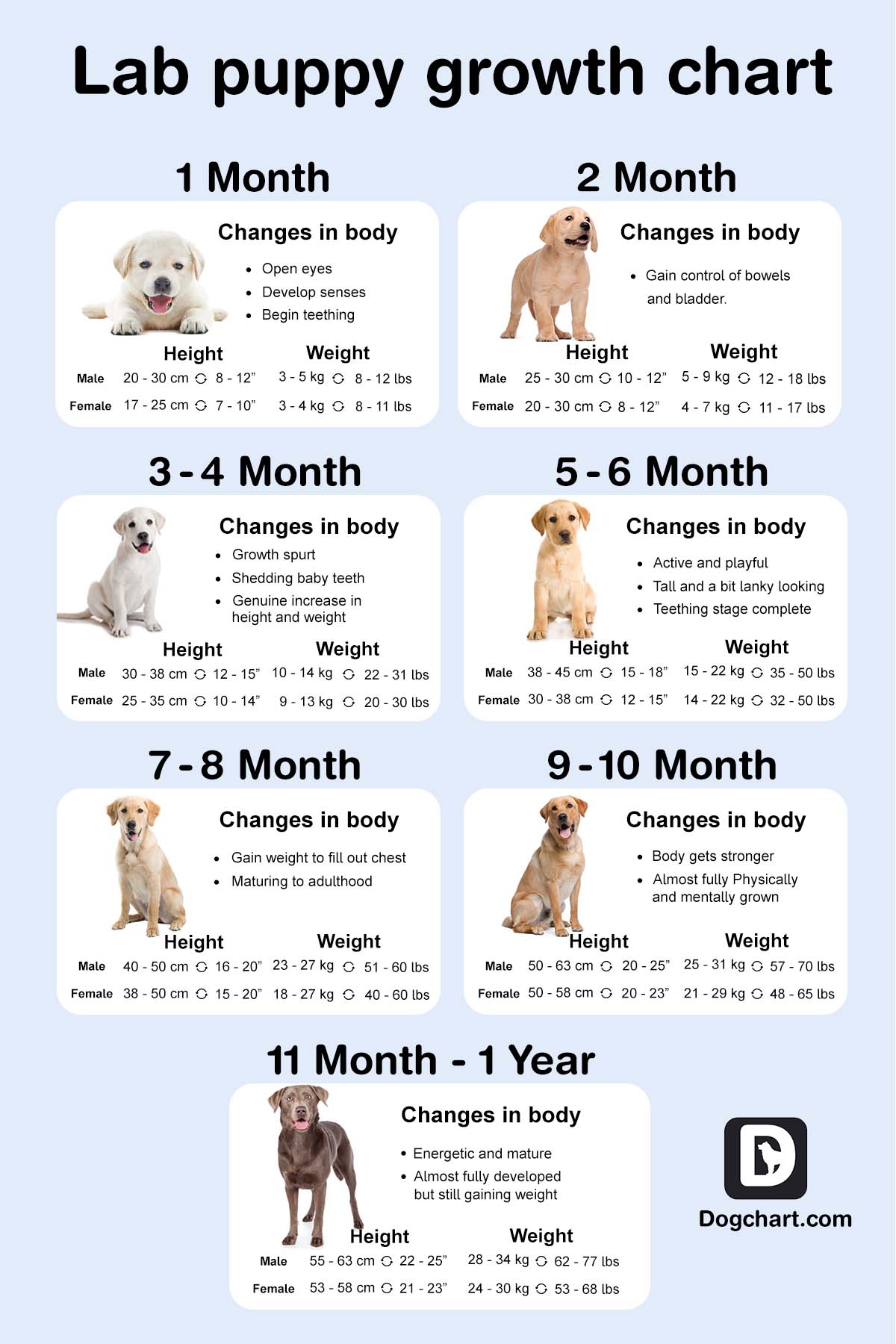


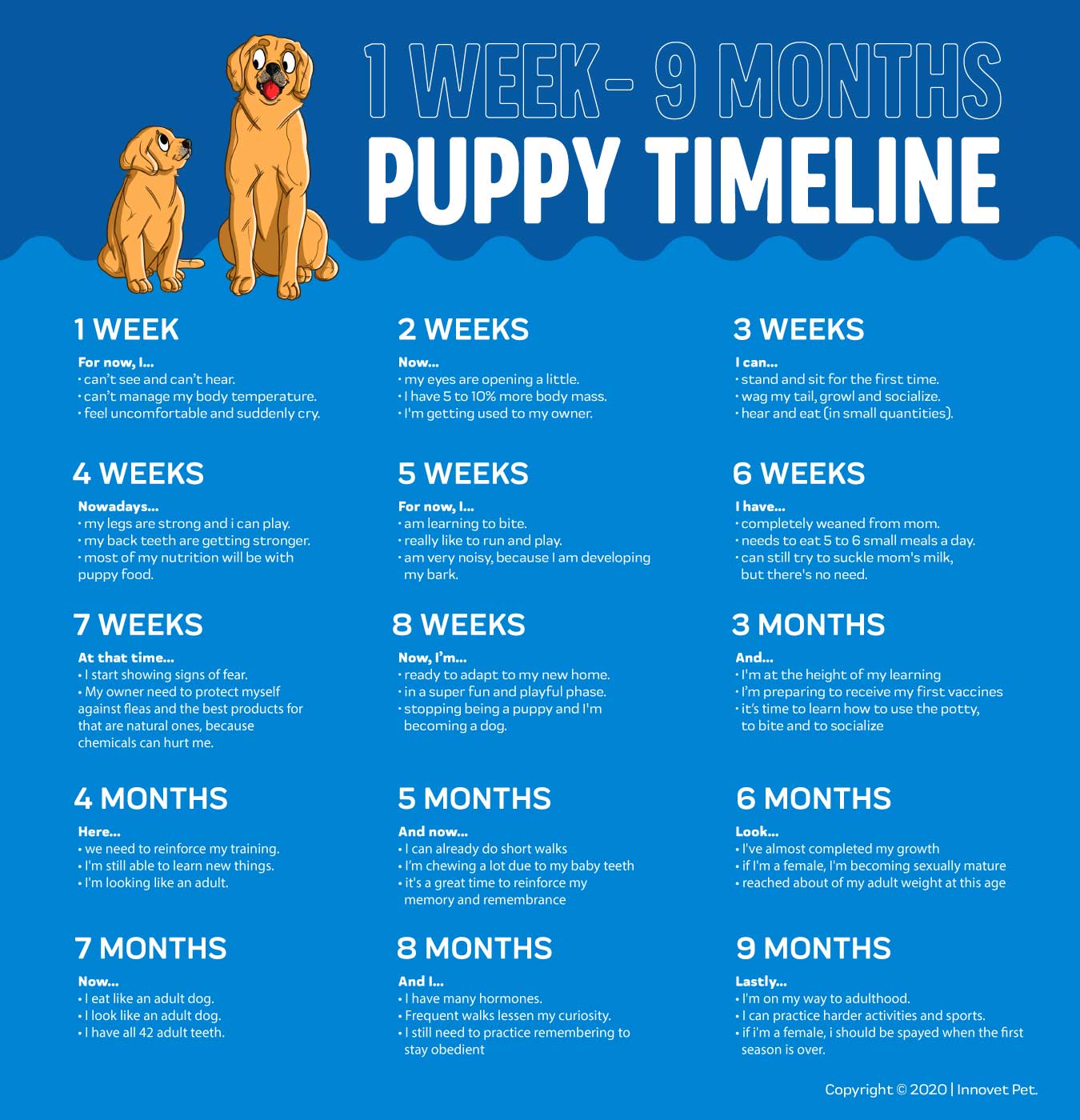
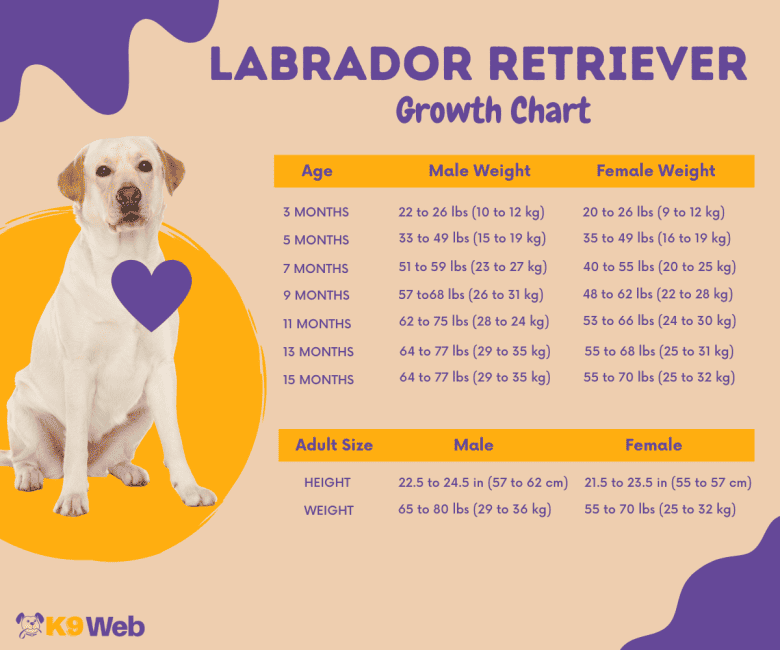


Labrador Retriever characteristics at ten months include a double coat that is thickening, an intense appetite, and a strong drive to carry objects in the mouth.
The iconic soft mouth of the retriever breed becomes very apparent as these dogs constantly seek items to hold, lick, or gently chew throughout the day. Providing designated durable toys satisfies this urge safely and keeps household shoes and furniture intact. Nutrition also requires careful oversight; growing adolescents need balanced diets formulated for large breeds to support steady bone growth without promoting excessive weight gain that stresses developing hips and elbows. Monitoring body condition score rather than relying solely on feeding guidelines ensures optimal physical development.
Consulting a veterinarian or certified professional trainer becomes necessary when adolescent behaviors escalate into persistent reactivity, severe separation anxiety, or resource guarding.
While normal teenage testing resolves with consistent guidance, sudden aggression or intense fear responses warrant professional evaluation to rule out underlying medical pain or neurological issues. A certified behaviorist utilizes humane, science-based protocols to address complex behavioral challenges safely and effectively. Regular veterinary check-ups during this transitional year also allow clinicians to monitor joint health, discuss appropriate parasite prevention, and evaluate overall physiological maturation as the dog approaches adulthood.
Embracing the challenges and triumphs of raising a young retriever strengthens the lifelong bond between human and canine companions.
Navigating this energetic chapter takes patience, consistency, and a sense of humor as the puppy personality gradually transforms into a steady, loyal adult. Exploring specialized resources on Dog Training, understanding specific needs through Dog Behavior guides, and learning about wellness via Dog Health articles can make the journey smoother. Every positive interaction builds a stronger foundation for the many wonderful years ahead. Visit PetsAnimalsWorld.com for more expert tips, breed insights, and comprehensive care guides tailored to every stage of canine life.