Introduction
The initial weeks of a puppy’s life are a period of rapid development and profound learning. Understanding normal puppy behavior 8 weeks is crucial for new dog owners, providing a foundational insight into what to expect from their young companion. This developmental stage often coincides with a puppy’s transition from its birth home to a new family, making it a critical time for forming bonds, beginning socialization, and establishing routines. By recognizing typical behaviors, owners can proactively address needs, mitigate potential challenges, and lay the groundwork for a well-adjusted and happy adult dog. Awareness of these early behavioral patterns significantly contributes to a dogs overall well-being and aids in fostering a harmonious relationship within its new environment. Explore more in our Dog Behavior collection.
💡 Pet Care Key Takeaways:
- Core Focus: Practical health, nutrition, and wellness guidelines for Normal Puppy Behavior 8 Weeks.
- Target Scope: Pet owners, animal caregivers, and veterinary support staff.
- Best Recommendation: Maintain consistent daily routines and consult an accredited veterinarian before introducing major diet or medical changes.
Common Causes and Key Factors
At 8 weeks of age, a puppy’s behaviors are largely driven by a combination of inherent biological processes and environmental influences. Biologically, the brain is undergoing significant maturation, leading to increased sensory awareness and an eagerness to explore the world. Vision and hearing are fully developed, enabling the puppy to process new sights and sounds effectively. This age marks a peak in the primary socialization window, a critical period where puppies are most receptive to learning about their environment, other animals, and humans. For more related activities, check out our Dog Unpredictable Behavior.
Environmentally, the transition to a new home presents a multitude of novel stimuli. The absence of littermates and the mother dog prompts the puppy to learn new ways of interacting and coping with separation. New human companions become the primary source of security, play, and guidance. This sudden shift necessitates adapting to different sights, sounds, smells, and routines. Emotional factors play a significant role as the puppy learns to navigate independence while seeking comfort and reassurance from its new family. Establishing clear boundaries and consistent expectations during this period is vital for emotional stability and behavioral development. Discover more free resources across our collection library.
Signs and Symptoms to Observe
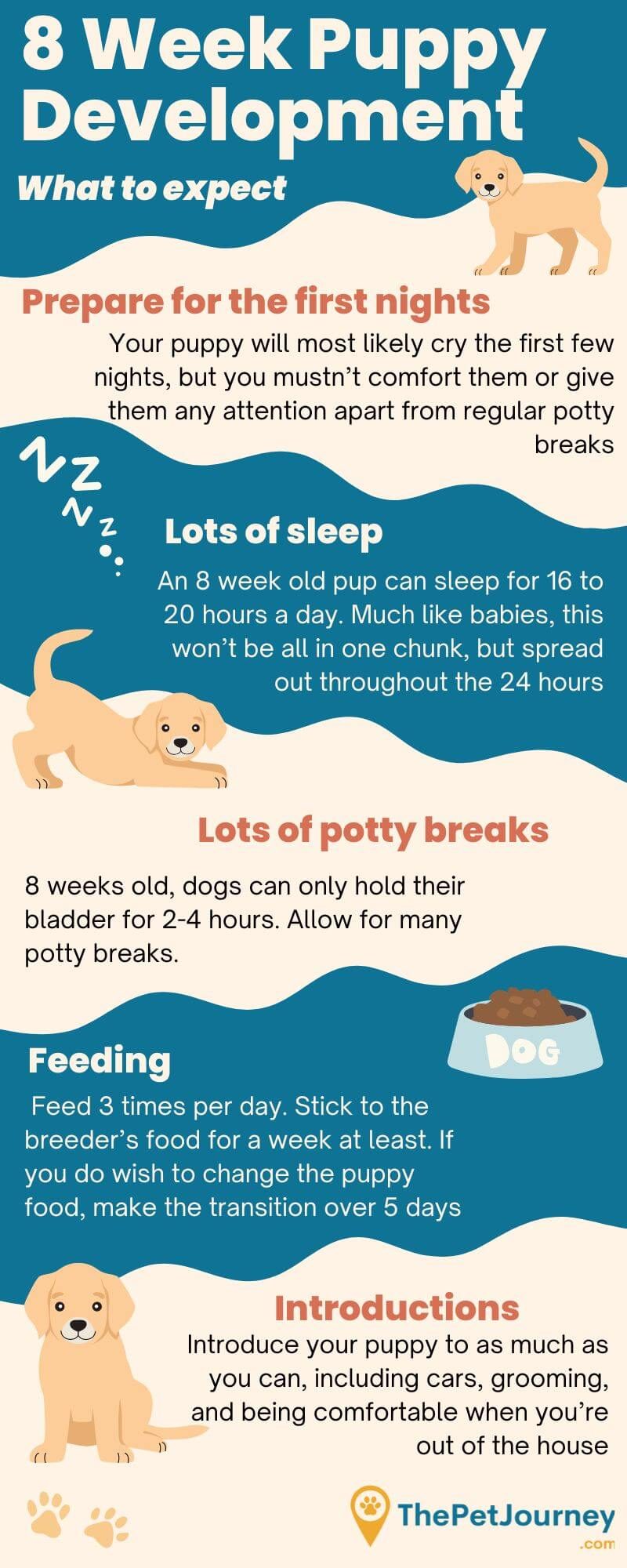
Observing normal puppy behavior 8 weeks reveals a predictable set of actions and responses. Play is a dominant activity, characterized by nipping, mouthing, wrestling, and chasing. While sharp, this mouthing is typically exploratory and a crucial part of developing bite inhibition. Owners should expect significant amounts of sleep, with puppies often resting for 18 to 20 hours a day, interspersed with bursts of energetic play.
Exploration is constant, with puppies sniffing, chewing, and tasting almost everything they encounter. This natural curiosity is how they learn about their surroundings. Frequent elimination is also normal; a young puppy lacks full bladder and bowel control, requiring very frequent potty breaks often every 1-2 hours while awake. Vocalizations such as whining, yipping, and short barks are common, especially when seeking attention, food, or comfort, or when left alone. Socially, puppies at this age display curiosity towards people and other animals, although some initial shyness can be observed. They eagerly seek interaction but also require quiet periods for rest and processing.
Practical Solutions and Management Strategies
Managing normal puppy behavior 8 weeks involves establishing structure, promoting positive experiences, and gentle guidance. Socialization is paramount; safely and positively exposing the puppy to a variety of sights, sounds, people, and vaccinated dogs is essential before the critical socialization window closes. House training requires consistency, with scheduled potty breaks immediately after waking, eating, and play. Positive reinforcement, such as praise and treats for appropriate elimination outdoors, is highly effective.
Crate training should be introduced as a positive experience, positioning the crate as a safe, comfortable den for rest and quiet time. To address mouthing and nipping, redirection to appropriate chew toys is crucial. Owners can also use a gentle “yelp” sound when nipped to mimic a littermate’s reaction, followed by offering a toy. Providing a wide array of safe, stimulating chew toys helps satisfy the puppy’s natural urge to chew. Establishing a predictable daily routine for feeding, potty breaks, play, and sleep provides security and helps the puppy learn expectations. Consistent positive reinforcement for desired behaviors reinforces good habits and builds confidence. Close supervision is always recommended to prevent accidents and ensure safety during exploration.
When Professional Help May Be Needed
While most 8-week puppy behaviors fall within the normal developmental spectrum, certain signs warrant professional consultation. Persistent lethargy, a significant lack of appetite, or ongoing episodes of vomiting or diarrhea could indicate underlying medical issues and require immediate veterinary attention. Similarly, extreme shyness or fear that prevents interaction, or conversely, unusually aggressive behavior beyond normal puppy nipping and play, may signal deeper behavioral concerns.
If house training efforts consistently fail despite strict adherence to a schedule and positive reinforcement, it could point to a medical condition or a need for a different training approach. Excessive destructive chewing that is not alleviated by appropriate chew toys and redirection might indicate anxiety or insufficient mental stimulation. Any consistent pattern of behavior that significantly deviates from the described normal behaviors, or severely impacts the puppy’s ability to settle into its new home, justifies seeking guidance from a veterinarian or a certified professional dog trainer or behaviorist. Early intervention can often prevent minor issues from escalating into more significant problems.
Conclusion
Understanding normal puppy behavior 8 weeks provides an invaluable roadmap for new dog owners. This pivotal stage is characterized by intense learning, exploration, and the foundational development of social skills. By recognizing typical behaviors such as play, exploration, frequent elimination, and the need for significant rest, owners can provide appropriate care, establish effective training strategies, and foster a secure environment. Patience, consistency, and positive reinforcement are the cornerstones of guiding a puppy through this crucial period. A well-understood and supported puppy, receiving consistent care and early positive experiences, is far more likely to develop into a confident, well-adjusted, and cherished member of the family, embodying the educational mission of petsanimalsworld.com.
Pet Care & Wellness Overview Table
| Life Stage | Daily Activity Level | Key Nutrition / Care Focus |
|---|---|---|
| Puppy / Kitten | High (frequent short bursts) | High-protein growth diet & early socialization |
| Adult Companion | Moderate (30–60 mins daily) | Balanced maintenance nutrition & dental hygiene |
| Senior Pets | Low to Gentle (mindful walks) | Joint support (Glucosamine) & routine vet checks |
Images References