

Introduction
Understanding the specific nutritional needs of small dogs, particularly those under five pounds, is crucial for responsible pet ownership. These diminutive canine companions often possess unique metabolic characteristics that necessitate careful dietary management. The term “Nutri-Cal for small dogs under 5 pounds” refers to a high-calorie nutritional supplement specifically formulated to provide concentrated energy and essential nutrients, helping to maintain stable blood sugar levels and support overall vitality in these petite breeds. This supplement becomes particularly important in scenarios where a small dog may not be consuming adequate calories through their regular diet, such as during periods of stress, illness, recovery, or even due to pickiness. Recognizing when and why this type of support might be beneficial can significantly contribute to a small dog’s sustained well-being, energy levels, and overall quality of life.
💡 Pet Care Key Takeaways:
- Core Focus: Practical health, nutrition, and wellness guidelines for Nutrical For Small Dogs Under 5 Pounds.
- Target Scope: Pet owners, animal caregivers, and veterinary support staff.
- Best Recommendation: Maintain consistent daily routines and consult an accredited veterinarian before introducing major diet or medical changes.
Common Causes and Key Factors
Several factors contribute to the heightened need for a caloric supplement like Nutri-Cal in small dogs under five pounds. A primary consideration is the inherently fast metabolism of these smaller breeds. Due to their higher surface-area-to-volume ratio, small dogs lose heat more rapidly and burn calories at an accelerated rate compared to larger dogs, requiring a denser caloric intake to maintain their body temperature and energy. For more related activities, check out our “Fortiflora” And “Gut Health”.
Hypoglycemia, or dangerously low blood sugar, presents a significant risk, especially in toy breed puppies and adult dogs facing stress or illness. Their small energy reserves can quickly deplete, making consistent caloric intake vital. Furthermore, small dogs can be notoriously picky eaters, often consuming insufficient quantities of their regular food to meet their daily energy demands. This pickiness can be exacerbated by environmental changes, travel, or even separation anxiety, which can further suppress appetite.
Periods of illness or recovery from surgery also increase caloric and nutrient requirements while often decreasing appetite. In such cases, a highly palatable, calorie-dense supplement can provide crucial support for healing and energy. Similarly, very young puppies undergoing rapid growth, or senior small dogs experiencing reduced appetite or nutrient absorption, may benefit from supplemental caloric support to prevent weight loss and maintain muscle mass.
Signs and Symptoms to Observe
Observing a small dog’s behavior and physical condition is paramount for identifying potential nutritional deficiencies or low energy levels that might warrant the use of a supplement like Nutri-Cal. One of the most common indicators is lethargy or weakness. A dog that is typically energetic but suddenly appears sluggish, reluctant to play, or struggles to stand may be experiencing a dip in blood sugar or overall energy.
Changes in appetite are also significant. A small dog consistently skipping meals, showing disinterest in food, or eating only small amounts can quickly become calorically deficient. Weight loss or a noticeable failure to gain weight, particularly in growing puppies, signals inadequate nutrition. Physical signs such as a dull coat, visible ribs, or a generally poor body condition are further red flags.
More severe symptoms, often associated with hypoglycemia, include disorientation, staggering, tremors or shaking, and even seizures. These signs require immediate attention. Any marked change in a small dog’s typical demeanor, such as increased irritability, withdrawn behavior, or unusual vocalizations, can also be an subtle indicator of underlying discomfort or low energy levels. These observable signs can vary slightly based on the dog’s age, specific breed, and individual temperament, but a consistent decline in energy or appetite warrants close monitoring.
Practical Solutions and Management Strategies
Implementing Nutri-Cal effectively for small dogs under five pounds involves careful administration and integration with a broader nutritional strategy. The supplement is typically administered directly into the dog’s mouth or spread on a paw where it can be licked off. Adhering to the recommended dosage based on the dogs weight and specific needs, as outlined on the product packaging or advised by a veterinarian, is essential. Frequency of administration usually depends on the dog’s condition, ranging from once daily for maintenance to several times a day during critical periods like illness or hypoglycemia episodes.
It is crucial to understand that Nutri-Cal is a supplement and not a meal replacement. It should be used in conjunction with a high-quality, balanced diet specifically formulated for small breeds. Monitoring the dog’s regular food intake remains vital; the supplement bridges nutritional gaps rather than replacing core meals. Providing a quiet, stress-free eating environment can also encourage better appetite.
Consistent access to fresh water is indispensable, as dehydration can exacerbate many health issues. Regular weighing of the dog helps in tracking progress and adjusting supplement amounts if necessary. For dogs prone to stress-induced appetite loss, minimizing environmental stressors, providing a consistent routine, and ensuring comfortable resting places can also support better eating habits. Always store the supplement according to manufacturer instructions to maintain its efficacy.
When Professional Help May Be Needed
While Nutri-Cal offers valuable support for small dogs, there are distinct situations where veterinary consultation or professional guidance becomes indispensable. If a small dog exhibits persistent lethargy, extreme weakness, or does not respond positively to the supplement within a short period, immediate veterinary attention is warranted. Recurrent episodes of hypoglycemia, marked by symptoms such as disorientation, staggering, or seizures, indicate a serious underlying issue that requires prompt professional diagnosis and treatment.
Significant or unexplained weight loss despite the consistent use of a caloric supplement, vomiting, or diarrhea also signal potential health problems that extend beyond simple caloric deficiency. These symptoms could point to gastrointestinal issues, metabolic diseases, or other serious conditions requiring veterinary intervention. Furthermore, if a dog consistently refuses to eat their regular food over an extended period, even with supplementation, or if there is any suspicion of an underlying illness, a veterinary visit is crucial. A professional can conduct comprehensive examinations, diagnostic tests, and formulate an appropriate treatment plan to address the root cause of the nutritional challenges.
Conclusion
For small dogs under five pounds, maintaining optimal energy levels and preventing nutritional deficiencies are critical aspects of their care. Nutri-Cal serves as an important tool in this endeavor, providing concentrated caloric and nutritional support particularly beneficial during times of stress, illness, recovery, or for inherently picky eaters. Awareness of the unique metabolic demands of these petite companions, coupled with diligent observation of their behavior and physical condition, empowers owners to identify early signs of low energy or nutritional gaps. A balanced approach that integrates a high-quality diet with strategic supplementation, all while maintaining open communication with a veterinarian, forms the cornerstone of proactive care. Prioritizing consistent observation and timely intervention ensures that these delicate dogs receive the precise support needed to thrive, enjoying a life filled with vitality and well-being.
Pet Care & Wellness Overview Table
| Life Stage | Daily Activity Level | Key Nutrition / Care Focus |
|---|---|---|
| Puppy / Kitten | High (frequent short bursts) | High-protein growth diet & early socialization |
| Adult Companion | Moderate (30–60 mins daily) | Balanced maintenance nutrition & dental hygiene |
| Senior Pets | Low to Gentle (mindful walks) | Joint support (Glucosamine) & routine vet checks |
Images References

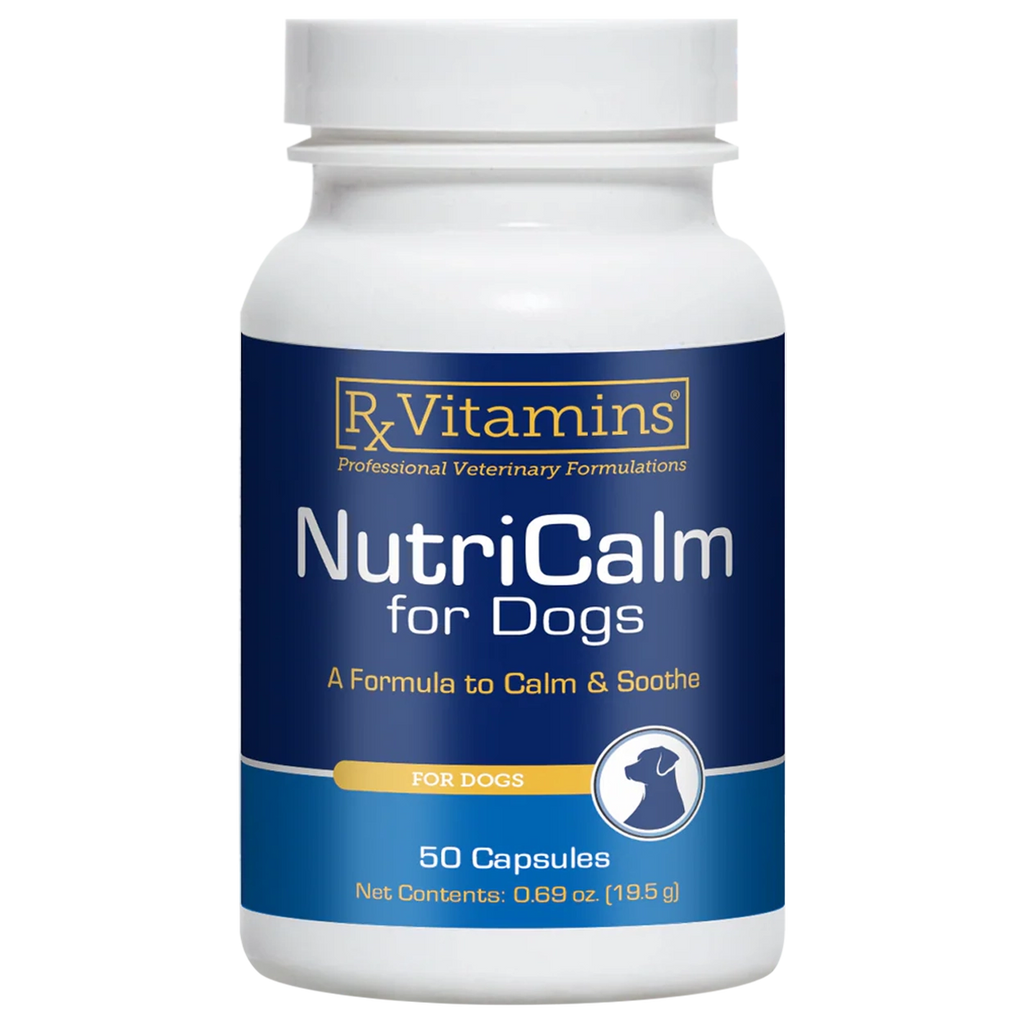


For more expert pet care tips and advice, check out our dedicated Dog Nutrition guides to keep your companions healthy and happy.




