

Introduction
Ultimate dog nutrition is not merely about providing food; it involves a comprehensive approach to a canine’s dietary needs, striving for optimal health, vitality, and longevity. This concept emphasizes tailoring nutritional intake to a dog’s unique biological requirements, considering factors such as breed, age, activity level, and specific health conditions. A dog’s diet serves as the bedrock of its overall well-being, directly influencing its energy levels, immune system strength, coat luster, and even behavioral patterns. Issues related to suboptimal nutrition can manifest at any life stage, from a growing puppy to a senior dog, often stemming from a lack of understanding regarding appropriate food choices or an evolving nutritional landscape. Grasping the principles of ultimate dog nutrition can profoundly enhance a dogs quality of life, leading to improved physical health, more stable behavior, and a stronger bond between dog and owner.
💡 Pet Care Key Takeaways:
- Core Focus: Practical health, nutrition, and wellness guidelines for Ultimate Dog Nutrition.
- Target Scope: Pet owners, animal caregivers, and veterinary support staff.
- Best Recommendation: Maintain consistent daily routines and consult an accredited veterinarian before introducing major diet or medical changes.
Common Causes and Key Factors
Achieving ultimate dog nutrition requires an understanding of several key factors that dictate a dog’s dietary requirements. One significant aspect is the dog’s life stage. Puppies necessitate diets rich in calories, protein, and specific minerals like calcium and phosphorus for proper growth and bone development. Adult dogs, by contrast, require maintenance diets, while senior dogs often benefit from fewer calories and increased fiber, along with joint-supporting nutrients. For more related activities, check out our Natural Balance Puppy Food Quantity Chart.
Breed-specific considerations also play a crucial role. Larger breeds, for example, are predisposed to joint issues and may require controlled growth rates, while smaller breeds can be prone to dental problems or have faster metabolisms. Activity level is another primary determinant; a highly active working dog will require significantly more calories and different macronutrient ratios than a sedentary companion animal.
Furthermore, individual health status profoundly influences nutritional needs. Dogs with allergies, gastrointestinal sensitivities, kidney disease, diabetes, or other medical conditions necessitate specialized therapeutic diets. The quality and type of food ingredients are paramount; highly digestible proteins, healthy fats, complex carbohydrates, and a balanced array of vitamins and minerals are essential. Understanding the nutritional integrity of commercial kibble, wet food, or even carefully formulated home-cooked or raw diets is vital for ensuring ultimate dog nutrition. Both under-nutrition and over-nutrition can lead to severe health consequences, underscoring the importance of proper balance.
Signs and Symptoms to Observe
Observing a dog for specific signs and symptoms is crucial for assessing its nutritional status and detecting potential dietary imbalances. A dull, dry, or excessively shedding coat, often accompanied by flaky skin or persistent itching, can indicate deficiencies in essential fatty acids or other vital nutrients. Conversely, a healthy coat should be shiny and smooth.
Fluctuations in energy levels are another clear indicator. A dog that is lethargic, displays reduced stamina during walks, or, conversely, exhibits hyperactive or anxious behaviors, may be experiencing nutritional deficiencies or sensitivities. Weight management is a straightforward sign; an underweight dog with visible ribs and hip bones or an overweight dog lacking a discernible waistline and struggling with mobility points directly to caloric imbalance.
Digestive health offers immediate clues. Chronic diarrhea, constipation, excessive flatulence, recurrent vomiting, or consistently poor stool quality (too soft, too hard, or discolored) are often direct consequences of an unsuitable diet or food intolerance. Oral health issues such as bad breath, excessive tartar buildup, or inflamed gums can also be linked to diet, particularly the presence of easily fermentable carbohydrates or a lack of dental-friendly ingredients.
Beyond these physical manifestations, weakened immune function, evidenced by frequent infections or slow wound healing, may suggest a compromised nutritional state. While less common, some behavioral changes, such as increased irritability, anxiety, or difficulty focusing, can sometimes be exacerbated by dietary imbalances or sensitivities, though other factors should also be considered. These signs can vary depending on a dogs age and breed, highlighting the need for individualized observation.
Practical Solutions and Management Strategies
Implementing practical solutions is key to achieving ultimate dog nutrition. The primary strategy involves selecting an appropriate dog food. This requires careful evaluation of ingredient labels, prioritizing whole protein sources (e.g., chicken, lamb, fish), healthy fats (e.g., omega-3 and omega-6 fatty acids), and complex carbohydrates. Owners should look for foods that meet the nutritional standards set by organizations like AAFCO (Association of American Feed Control Officials) or FEDIAF (European Pet Food Industry Federation). Consideration of the dog’s specific life stage, breed size, and activity level is paramount when choosing between puppy, adult, or senior formulas, or large versus small breed-specific diets.
Accurate portion control is vital for maintaining a healthy weight and preventing both under- and over-feeding. Caloric needs should be calculated based on the dogs ideal weight, age, and activity level, with food measured precisely using scales or standard measuring cups. Establishing a consistent feeding schedule helps regulate a dog’s metabolism and digestive system, typically involving two meals per day for adult dogs.
Ensuring constant access to fresh, clean water is as crucial as food for overall health and nutrient absorption. While not always necessary, supplementation for specific nutritional deficiencies should only be undertaken under veterinary guidance, as indiscriminate use can be harmful. For example, omega-3 fatty acids might be beneficial for skin and coat health, but the dosage and necessity must be determined by a professional.
Treats should be given in moderation and accounted for within the dog’s daily caloric intake. Opting for healthy, low-calorie treats or using small pieces of fruits and vegetables (safe for dogs) can be beneficial. When transitioning to a new food, a gradual introduction over 7-10 days is recommended to prevent digestive upset, slowly mixing increasing amounts of the new food with decreasing amounts of the old. Finally, ongoing observational feeding, noting a dogs energy, stool quality, and coat condition, allows for fine-tuning the diet to achieve ultimate dog nutrition.
When Professional Help May Be Needed
While many dietary adjustments can be made by owners, certain situations warrant professional veterinary consultation or specialized nutritional guidance to ensure ultimate dog nutrition. Persistent and unexplained digestive issues, such as chronic vomiting, diarrhea that lasts for more than a few days, or significant, sudden weight loss or gain, should prompt an immediate visit to the veterinarian. These symptoms can indicate underlying medical conditions that require diagnosis and tailored dietary management.
Similarly, severe or unresponsive skin and coat problems, including excessive itching, recurrent skin infections, or significant hair loss, might signal food allergies, nutrient deficiencies, or other dermatological conditions that necessitate professional assessment. If a dog exhibits profound lethargy, weakness, or noticeable behavioral changes that appear linked to its diet, a vet can rule out medical causes and suggest appropriate nutritional interventions.
For dogs with diagnosed medical conditions such as diabetes, kidney disease, heart disease, or specific food allergies, a veterinary nutritionist can formulate a precise therapeutic diet to manage the condition effectively. Furthermore, owners considering a home-cooked or raw diet should always consult with a board-certified veterinary nutritionist. Crafting a nutritionally complete and balanced home-prepared diet without professional input is extremely challenging and often leads to serious deficiencies or excesses. Seeking professional advice ensures that a dog’s dietary plan is safe, effective, and supports its long-term health.
Conclusion
Achieving ultimate dog nutrition is a dynamic, individualized journey that forms the cornerstone of a dog’s health and happiness. It encompasses a careful selection of high-quality foods, precise portion control, a consistent feeding schedule, and continuous observation of a dogs well-being. Understanding a dog’s unique needs based on its life stage, breed, activity level, and health status is crucial for tailoring an optimal diet. From a lustrous coat and vibrant energy to robust immune function and stable behavior, the benefits of superior nutrition are far-reaching. By remaining aware, observant, and proactive in their dietary choices, dog owners can ensure their canine companions not only survive but truly thrive. Prioritizing ultimate dog nutrition is a profound commitment to a dog’s welfare, directly contributing to a longer, healthier, and more joyful life.
Pet Care & Wellness Overview Table
| Life Stage | Daily Activity Level | Key Nutrition / Care Focus |
|---|---|---|
| Puppy / Kitten | High (frequent short bursts) | High-protein growth diet & early socialization |
| Adult Companion | Moderate (30–60 mins daily) | Balanced maintenance nutrition & dental hygiene |
| Senior Pets | Low to Gentle (mindful walks) | Joint support (Glucosamine) & routine vet checks |
Images References
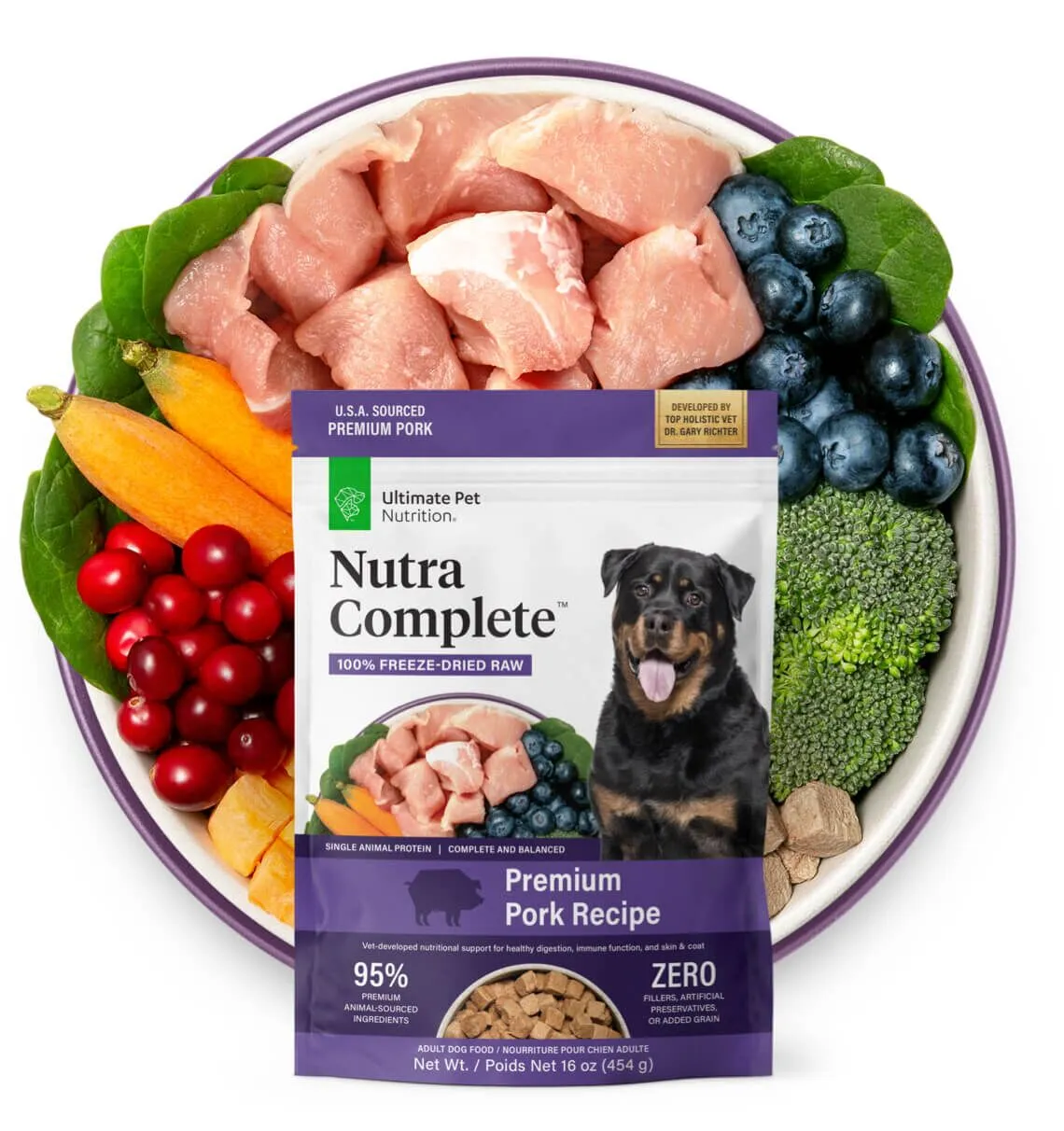

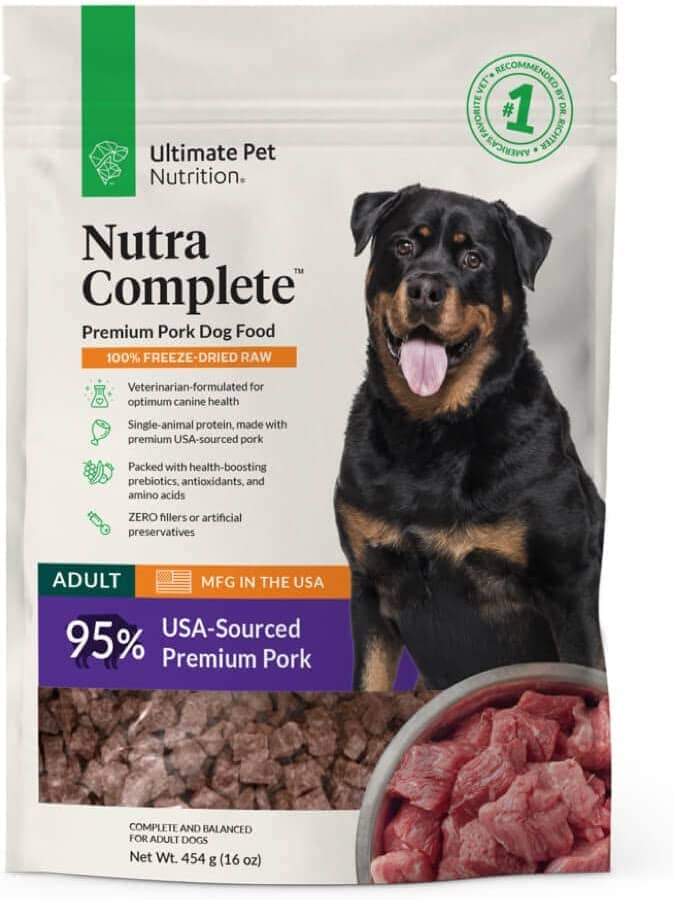


For more expert pet care tips and advice, check out our dedicated Dog Nutrition guides to keep your companions healthy and happy.




