

Introduction
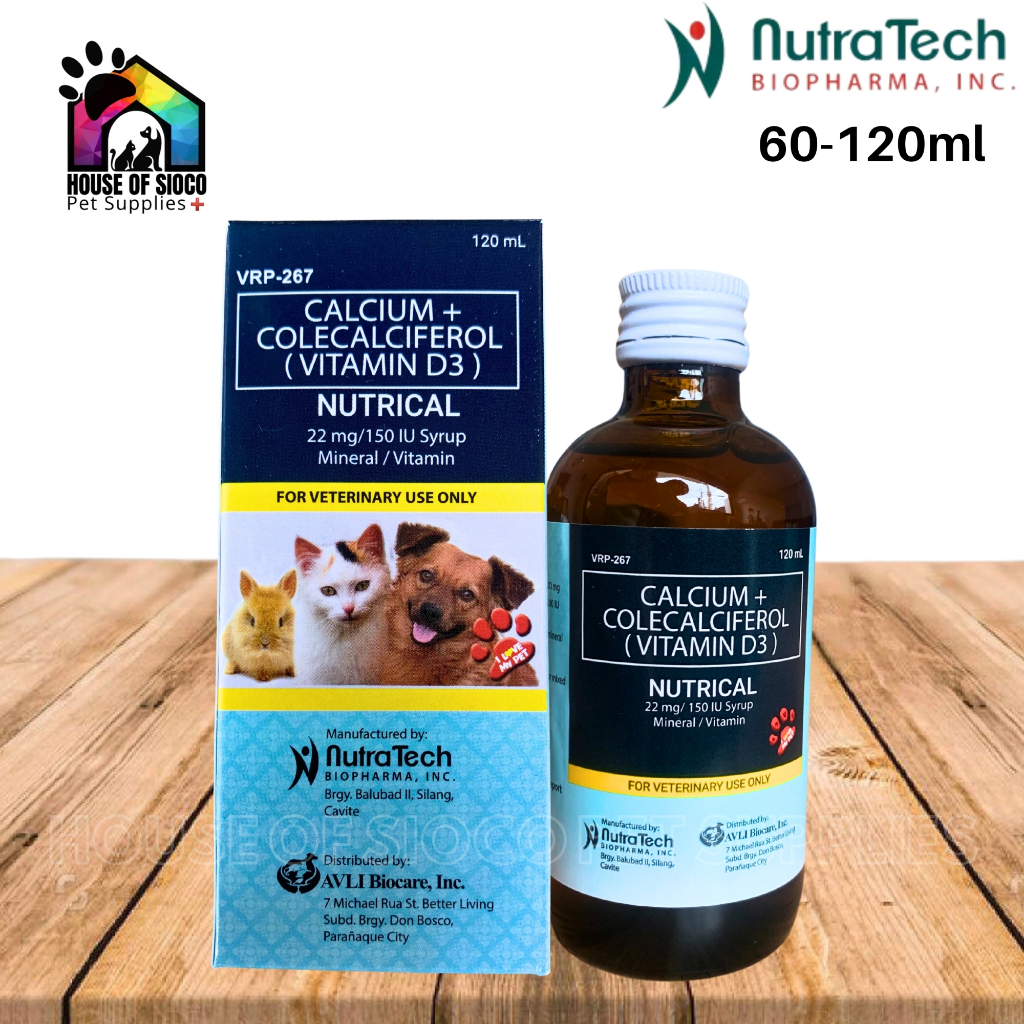
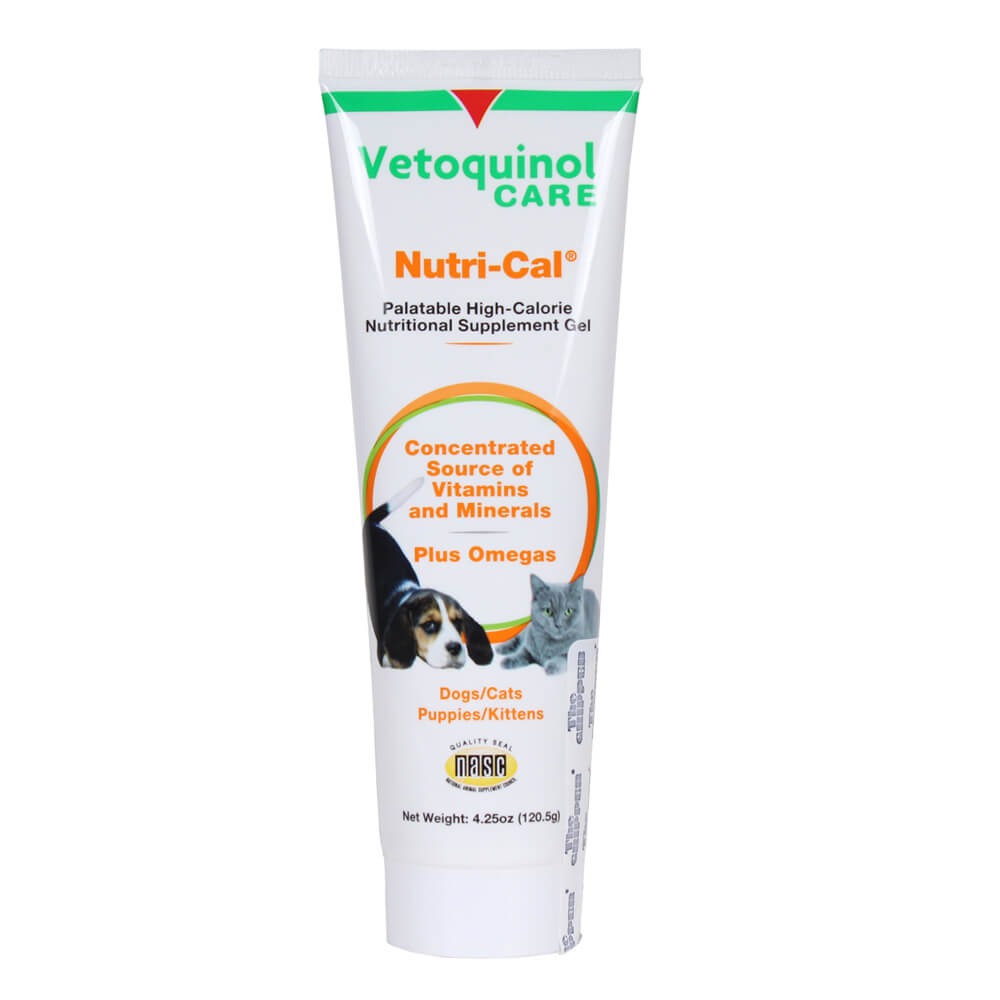
Small dogs, with their compact size and often energetic personalities, possess unique nutritional requirements that sometimes necessitate specialized support. A common and effective solution for addressing these specific needs is a high-calorie nutritional supplement, frequently referred to by brand names such as Nutri-Cal or similar products. Understanding the role of a concentrated nutritional gel for small dogs is crucial for owners, especially when faced with scenarios that can impact their pets caloric intake or energy reserves. These supplements are designed to provide easily digestible calories and essential vitamins, minerals, and fatty acids, offering a vital boost when a regular diet may not suffice. Recognizing when and why this type of support might be beneficial can significantly improve a small dogs overall well-being, energy levels, and resilience against common health challenges.
💡 Pet Care Key Takeaways:
- Core Focus: Practical health, nutrition, and wellness guidelines for Nutrical For Small Dogs.
- Target Scope: Pet owners, animal caregivers, and veterinary support staff.
- Best Recommendation: Maintain consistent daily routines and consult an accredited veterinarian before introducing major diet or medical changes.
Common Causes and Key Factors
Several physiological and situational factors contribute to why small dogs often benefit from or require high-calorie nutritional supplementation. Small and toy breeds typically possess a significantly higher metabolic rate per pound of body weight compared to larger dogs. This means their bodies burn calories at a much faster pace, demanding a consistent and rich supply of energy. Concurrently, their smaller stomach capacity limits the amount of food they can consume at any single feeding, making it challenging to meet their intense caloric demands through diet alone, especially if they are particularly active or have specific health conditions. For more related activities, check out our “Fortiflora” And “Gut Health”.
A critical concern for small dogs, particularly puppies and toy breeds, is the risk of hypoglycemia (low blood sugar). Their limited reserves of glycogen in the liver mean they can deplete their blood glucose rapidly if meals are missed or energy expenditure is high. Stress, illness, or recovery from medical procedures can also suppress appetite, making it difficult for a small dog to consume enough food. During these periods, their body requires even more energy to heal and recover, creating a dangerous caloric deficit. Furthermore, some small dogs can be notoriously finicky eaters, adding another layer of complexity to ensuring adequate nutrition.
Signs and Symptoms to Observe
Vigilant observation of a small dogs behavior and physical condition is essential for identifying when supplemental nutrition might be beneficial. Key indicators suggesting a need for additional caloric support include noticeable lethargy, a general lack of energy, or unusual weakness. A particularly concerning sign, especially in young puppies or toy breeds, is shaking or trembling, which can be a direct symptom of hypoglycemia.
Changes in eating habits, such as a reduced appetite, skipping meals, or outright food refusal, are clear red flags. Over time, these can lead to weight loss or a failure to gain weight, which is particularly critical for growing puppies. A dull or unhealthy-looking coat, poor muscle tone, or an overall diminished body condition can also indicate insufficient nutrient intake. For puppies, a failure to thrive or keep up with their littermates in terms of growth and activity levels warrants attention. Pale gums can also be an indicator of underlying issues, including low blood sugar or anemia, reinforcing the need for closer examination.
Practical Solutions and Management Strategies
When a small dog exhibits signs of requiring additional nutritional support, implementing practical solutions can make a significant difference. The most direct approach involves the careful administration of a high-calorie nutritional gel, such as Nutri-Cal. These supplements are often formulated as palatable pastes, making them easy to administer directly into a dogs mouth or mixed with a small amount of food. Following the dosage instructions provided by the manufacturer or a veterinarian is crucial.
Beyond supplementation, optimizing feeding practices is paramount. Offering smaller, more frequent meals throughout the day can help meet the high metabolic demands of small dogs without overwhelming their limited stomach capacity. Ensuring a high-quality, nutrient-dense diet specifically formulated for small breeds or puppies is also vital. Owners should actively monitor food intake, ensuring that the dog consumes an adequate amount at each meal. Reducing environmental stress, particularly during feeding times, can encourage better appetite. For very small or recovering dogs, maintaining a warm environment minimizes energy expenditure on thermoregulation, reserving calories for essential bodily functions. Introducing supplements gradually and making them a positive experience can enhance acceptance.
When Professional Help May Be Needed
While nutritional supplements can be highly beneficial for small dogs, there are specific situations when veterinary consultation or professional guidance becomes essential. Persistent or worsening symptoms, such as ongoing lethargy, significant weakness, or uncontrolled trembling, warrant immediate veterinary attention, as these could indicate severe hypoglycemia or other underlying medical conditions. Any rapid or unexplained weight loss, especially if accompanied by a complete lack of appetite lasting more than 24 hours, should also prompt a visit to the veterinarian.
If a small dog experiences vomiting or diarrhea alongside poor food intake, this combination can quickly lead to dehydration and critical nutrient deficiencies, necessitating prompt professional intervention. Puppies that consistently fail to thrive, despite efforts to improve their nutrition, require a thorough veterinary examination to rule out congenital issues or other developmental problems. A veterinarian can accurately diagnose the root cause of nutritional deficiencies or low energy, recommend the most appropriate type and dosage of supplements, and develop a comprehensive health plan tailored to the individual dog’s needs. Professional advice ensures that any nutritional support complements existing health protocols and addresses any underlying medical concerns responsibly.
Conclusion
Understanding the specific nutritional vulnerabilities of small dogs and the role of high-calorie supplements like Nutri-Cal is a cornerstone of responsible pet ownership. These products serve as invaluable tools for supporting the health and vitality of small breeds, especially during growth, recovery, or periods of high energy expenditure. Constant vigilance, including careful observation of a dogs behavior, appetite, and physical condition, empowers owners to identify potential issues early. By proactively addressing nutritional gaps through appropriate dietary management and timely supplementation, owners can ensure their small companions maintain optimal health and enjoy a full, energetic life. The well-being of a small dog relies on consistent care, informed decisions, and a commitment to meeting their unique dietary needs.
Pet Care & Wellness Overview Table
| Life Stage | Daily Activity Level | Key Nutrition / Care Focus |
|---|---|---|
| Puppy / Kitten | High (frequent short bursts) | High-protein growth diet & early socialization |
| Adult Companion | Moderate (30–60 mins daily) | Balanced maintenance nutrition & dental hygiene |
| Senior Pets | Low to Gentle (mindful walks) | Joint support (Glucosamine) & routine vet checks |
Images References




For more expert pet care tips and advice, check out our dedicated Dog Nutrition guides to keep your companions healthy and happy.




