

Introduction
The demanding journey of motherhood places immense physiological stress on a female dog. During the critical period of lactation, a mother dog, often referred to as a dam, dedicates significant energy and nutrient reserves to produce milk for her growing litter. Understanding the role of a supplement for nursing dogs is paramount for ensuring both the dam’s health and the optimal development of her puppies. This article explores why specific nutritional support might be necessary, outlining the factors that contribute to increased dietary needs and how appropriate supplementation can significantly enhance a dogs well-being and the successful rearing of her litter. Recognizing the importance of a balanced approach to nutrition during this phase can help prevent common complications and promote a thriving environment for new canine families.
💡 Pet Care Key Takeaways:
- Core Focus: Practical health, nutrition, and wellness guidelines for Supplement For Nursing Dogs.
- Target Scope: Pet owners, animal caregivers, and veterinary support staff.
- Best Recommendation: Maintain consistent daily routines and consult an accredited veterinarian before introducing major diet or medical changes.
Common Causes and Key Factors
The primary reason for considering a supplement for nursing dogs stems from the extraordinarily high metabolic demands of milk production. A dams nutritional requirements can be two to four times higher than her usual maintenance needs, depending on the size of her litter. For more related activities, check out our Pitbullnutrition.
- High Milk Production: Producing nutrient-rich milk for multiple puppies rapidly depletes the mother’s bodily reserves, particularly calcium, phosphorus, and essential vitamins.
- Large Litter Size: Larger litters impose an even greater strain on the dam, necessitating more milk production and thus accelerating nutrient depletion.
- Inadequate Pre-Pregnancy Nutrition: A dam entering pregnancy with suboptimal nutritional reserves is more likely to face deficiencies during lactation, increasing the need for supplementation.
- Breed Predisposition: Certain breeds, especially small and toy breeds, are more susceptible to conditions like eclampsia (puerperal hypocalcemia) due to their rapid metabolism and smaller calcium reserves.
- Dietary Gaps: Even premium commercial dog foods formulated for growth and reproduction might not fully meet the peak nutritional demands of every individual nursing dog, especially if the dog is particular about eating during this stressful period.
- Weight Loss During Lactation: Significant weight loss in the dam can indicate insufficient caloric and nutrient intake, signaling a need for dietary adjustments and potential supplementation.
These factors collectively highlight why a strategic approach to a nursing dog’s diet, potentially including targeted supplements, is often crucial for her sustained health and the healthy growth of her puppies.
Signs and Symptoms to Observe
Observing a nursing dog closely can reveal early indicators of nutritional deficiency or stress, suggesting that a supplement for nursing dogs might be beneficial. Prompt recognition of these signs can prevent more serious health issues for both the dam and her puppies.
- Lethargy and Weakness: A nursing dam might appear unusually tired, reluctant to move, or generally listless, even beyond typical post-whelping exhaustion.
- Reduced Appetite or Anorexia: While some fluctuation in appetite is normal, a sustained disinterest in food can lead to significant nutrient deficits.
- Weight Loss: Rapid or excessive weight loss, often noticeable around the ribs and hips, indicates that the dam is not consuming enough calories and nutrients to meet her milk production demands.
- Poor Coat Condition: A dull, dry, or brittle coat, sometimes accompanied by excessive shedding, can signal a lack of essential fatty acids or other micronutrients.
- Poor Milk Production: If puppies seem unusually restless, cry frequently, or are not gaining weight adequately, it could indicate insufficient milk supply from the dam, potentially due to nutritional deficiencies.
- Behavioral Changes: In extreme cases, particularly with calcium deficiency (eclampsia), a dam might exhibit restlessness, panting, muscle tremors, stiffness, or even seizures. This is a medical emergency requiring immediate veterinary attention.
- Puppy Health Issues: Puppies that are consistently underweight, lethargic, or show signs of developmental delay might reflect a dams compromised nutritional status and potentially inadequate milk quality.
Any of these observations should prompt a thorough evaluation of the dam’s diet and consultation with a veterinarian.
Practical Solutions and Management Strategies
Implementing practical strategies for managing the nutritional needs of a nursing dog is essential for her well-being and the health of her puppies. A thoughtful approach to a supplement for nursing dogs involves a combination of dietary adjustments and carefully chosen supplements, always under professional guidance.
1. Dietary Foundations
- High-Quality Diet: Provide a premium-quality puppy formula or a diet specifically designed for growth and reproduction, as these are typically higher in calories, protein, and essential nutrients than adult maintenance foods.
- Increased Feeding Frequency: Offer smaller, more frequent meals throughout the day to accommodate the dams increased caloric needs and to prevent overwhelming her digestive system. Free-choice feeding may be appropriate if weight is managed properly.
- Hydration: Ensure constant access to fresh, clean water. Dehydration can significantly impact milk production.
2. Supplementation Considerations
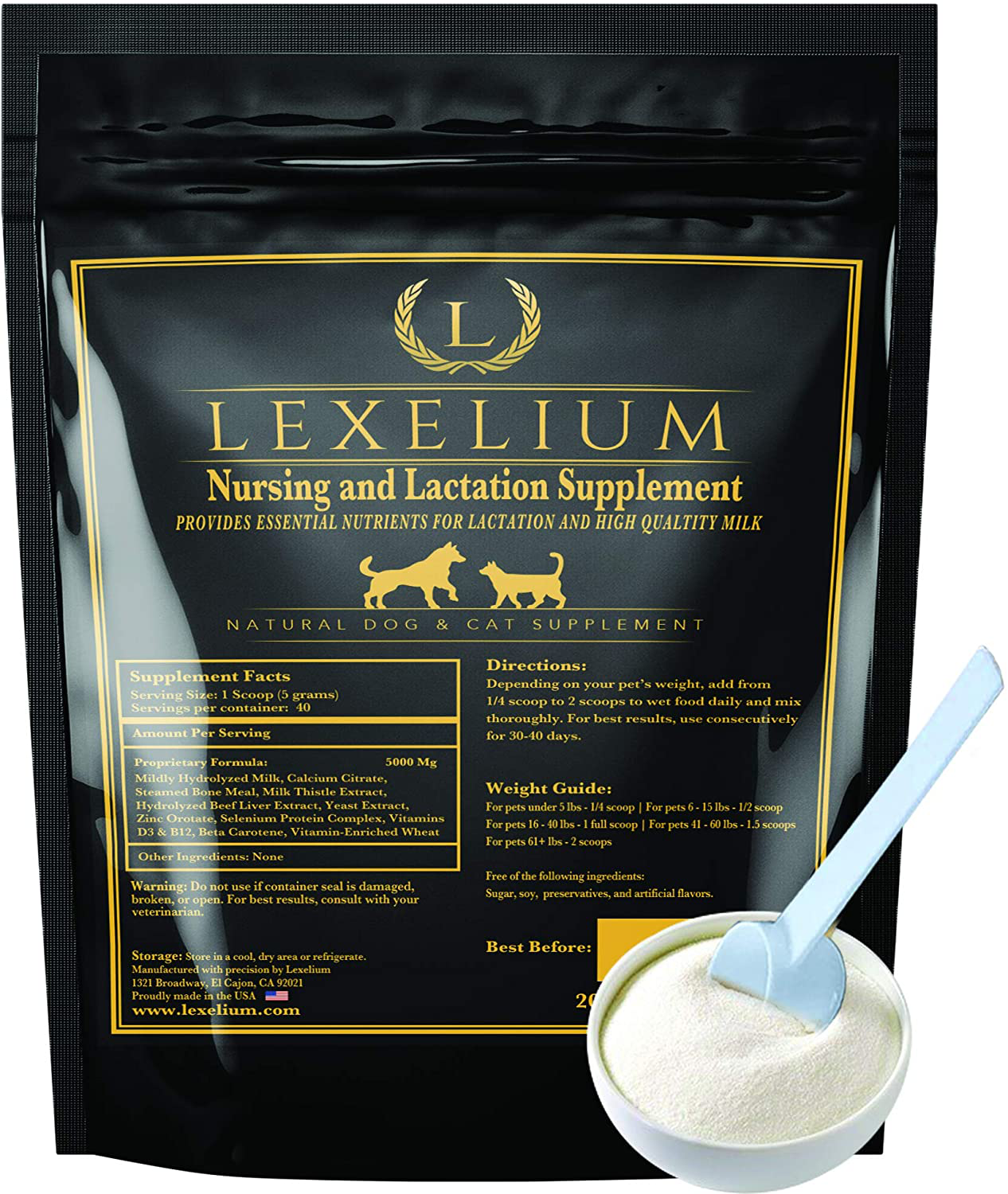
- Multivitamin/Mineral Supplements: A broad-spectrum supplement designed for pregnant and lactating dogs can help ensure adequate intake of vitamins and trace minerals, acting as a nutritional safeguard.
- Calcium Supplements: While crucial, calcium supplementation must be approached with extreme caution and only under veterinary supervision. Excessive or inappropriate calcium supplementation can lead to hypercalcemia or, paradoxically, increase the risk of eclampsia by suppressing the body’s natural calcium regulation. If calcium is needed, a veterinarian will determine the correct dosage and form.
- Essential Fatty Acids (EFAs): Omega-3 fatty acids, particularly DHA (docosahexaenoic acid), are beneficial for both the dams skin and coat health and for the neurological and visual development of her puppies. Fish oil supplements are a common source.
- Probiotics: These can support digestive health and nutrient absorption, which is particularly important during periods of high demand.
- Energy Boosters: In some cases, high-calorie gels or pastes might be recommended by a veterinarian to provide concentrated energy for dams struggling to maintain weight or appetite.
Any decision to introduce a supplement for nursing dogs should always be made in consultation with a veterinarian to ensure it is appropriate, correctly dosed, and does not interact negatively with the dams overall health or diet. Monitoring the dam’s weight, appetite, energy levels, and the puppies’ growth rates provides valuable feedback on the efficacy of the chosen management strategy.
When Professional Help May Be Needed
While informed observation and proactive care are invaluable, there are definitive instances when professional veterinary intervention becomes absolutely necessary concerning a supplement for nursing dogs and the dam’s overall health.
- Signs of Eclampsia: Any indication of muscle tremors, stiffness, disorientation, difficulty walking, excessive panting, or seizures in a nursing dog constitutes a medical emergency. Immediate veterinary care is critical, as eclampsia (puerperal hypocalcemia) can be fatal if untreated.
- Significant Weight Loss: If a nursing dam is rapidly losing weight despite increased food intake, or becomes emaciated, a veterinarian should evaluate for underlying health issues or severe nutritional deficiencies.
- Poor Milk Production: If puppies consistently appear hungry, are not gaining weight, or exhibit signs of malnourishment, a veterinarian can assess the dam’s milk supply and overall health, potentially recommending specific interventions or alternative feeding strategies for the puppies.
- Persistent Lethargy or Weakness: While some fatigue is normal, prolonged or severe lethargy, inability to care for puppies, or general weakness warrants a veterinary examination to rule out infection, anemia, or other complications.
- Uncertainty Regarding Supplementation: Before introducing any new supplement for nursing dogs, especially calcium, it is crucial to consult a veterinarian. They can accurately assess the dam’s specific needs, recommend appropriate products, and provide correct dosages, preventing potential harm from improper supplementation.
- Any General Health Concerns: Diarrhea, vomiting, abnormal discharge, fever, or changes in behavior that cannot be easily explained should always prompt a visit to the veterinarian.
Veterinary professionals possess the expertise to diagnose underlying conditions, perform necessary blood tests to identify specific deficiencies, and tailor a comprehensive nutritional and care plan, ensuring the best possible outcome for the nursing dog and her litter.
Conclusion
The nutritional demands placed on a nursing dog are substantial, making the consideration of a supplement for nursing dogs a critical aspect of responsible pet ownership during this vulnerable period. Understanding the signs of deficiency, the key factors influencing nutritional needs, and the appropriate management strategies can profoundly impact a dams health and the successful development of her puppies. While a high-quality, balanced diet forms the foundation, specific supplementation, particularly under veterinary guidance, can bridge nutritional gaps and prevent serious health complications such as eclampsia. Consistent observation, proactive dietary adjustments, and a willingness to seek professional veterinary advice when concerns arise are all indispensable components of providing comprehensive care for a mother dog and ensuring a healthy start for her growing family. Prioritizing optimal nutrition ensures a strong foundation for the well-being of the entire canine family.
Pet Care & Wellness Overview Table
| Life Stage | Daily Activity Level | Key Nutrition / Care Focus |
|---|---|---|
| Puppy / Kitten | High (frequent short bursts) | High-protein growth diet & early socialization |
| Adult Companion | Moderate (30–60 mins daily) | Balanced maintenance nutrition & dental hygiene |
| Senior Pets | Low to Gentle (mindful walks) | Joint support (Glucosamine) & routine vet checks |
Images References





For more expert pet care tips and advice, check out our dedicated Dog Nutrition guides to keep your companions healthy and happy.




