

Introduction
Ensuring the optimal health and vitality of a canine companion begins with its diet. A fundamental concept for every dog owner to grasp is that of “nutrition complete dog food.” This term refers to a diet specifically formulated to provide all the essential nutrients a dog requires for its growth, maintenance, and overall well-being, without the need for additional supplements. It signifies that the food, when fed according to the manufacturer’s guidelines, supplies a balanced array of proteins, fats, carbohydrates, vitamins, and minerals in appropriate proportions. Understanding the profound impact of a truly nutrition complete dog food is crucial because it directly influences a dog’s energy levels, coat condition, immune response, and even its cognitive function and behavior. Making informed dietary choices is a cornerstone of responsible pet ownership, significantly enhancing a dogs overall quality of life and potentially extending its healthy years.
💡 Pet Care Key Takeaways:
- Core Focus: Practical health, nutrition, and wellness guidelines for Nutrition Complete Dog Food.
- Target Scope: Pet owners, animal caregivers, and veterinary support staff.
- Best Recommendation: Maintain consistent daily routines and consult an accredited veterinarian before introducing major diet or medical changes.
Common Causes and Key Factors
The concept of a nutrition complete dog food is not arbitrary; it is built upon rigorous scientific understanding of canine physiological needs. Several key factors determine whether a dog food truly qualifies as “complete.” Foremost among these are the nutritional profiles established by regulatory bodies such as the Association of American Feed Control Officials (AAFCO) in North America or the European Pet Food Industry Federation (FEDIAF) in Europe. These organizations set nutrient requirements for different life stages, including growth (puppies), adult maintenance, gestation/lactation, and senior dogs. For more related activities, check out our Tibetan Mastiff Food Aggression.
A genuinely complete dog food must contain the correct balance of macronutrients and micronutrients. Proteins are essential for muscle development, tissue repair, and enzyme production, derived from sources like meat, poultry, fish, or plant-based alternatives. Fats provide concentrated energy, support vitamin absorption, and contribute to skin and coat health, often sourced from animal fats or vegetable oils. Carbohydrates, such as grains or vegetables, offer readily available energy. Beyond these, a complete diet includes a spectrum of vitamins (like A, D, E, B-complex) and minerals (calcium, phosphorus, zinc, iron) that are vital for metabolic processes, bone health, nerve function, and immune system strength. Water, though often overlooked, is also a critical nutrient, essential for all bodily functions. The quality and digestibility of these ingredients are also paramount, as a dog can only benefit from the nutrients it can properly absorb and utilize.
Signs and Symptoms to Observe
When a dog’s diet falls short of being nutrition complete, or if the food is complete but not appropriate for its specific needs, various observable signs and symptoms can manifest. These indicators serve as important cues for owners to assess the adequacy of their dog’s diet.
Physically, one of the most noticeable signs of inadequate nutrition is a dull, dry, or brittle coat, often accompanied by excessive shedding or flaky skin. Dogs may exhibit persistent itching or develop skin lesions. Energy levels can decline significantly, leading to lethargy, reduced playfulness, and a general lack of enthusiasm. Weight abnormalities are also common; a dog might become underweight despite consuming sufficient quantities of food, or conversely, struggle with obesity if the food lacks proper nutrient density or balance. Digestive issues such as chronic diarrhea, constipation, or frequent vomiting can also indicate a dietary imbalance or sensitivity. In puppies, poor nutrition can severely impede growth and development, leading to stunted growth or skeletal abnormalities.
Behaviorally, dogs may become irritable, anxious, or develop abnormal eating habits like coprophagia (eating feces) or pica (eating non-food items), driven by a craving for missing nutrients. A weakened immune system due to nutritional deficiencies can lead to frequent infections or a longer recovery time from illness. These signs can vary in intensity depending on the dog’s age, breed predispositions, underlying health conditions, and the specific nutrient deficiencies present. Consistent observation of these indicators is key to proactive dietary management.
Practical Solutions and Management Strategies
Ensuring a dog receives a truly nutrition complete dog food involves making informed choices and adhering to best practices in feeding. The primary solution lies in selecting a high-quality commercial dog food that explicitly states it is “complete and balanced” for the dog’s specific life stage (e.g., puppy, adult, senior) or for “all life stages,” as verified by regulatory bodies like AAFCO or FEDIAF. Owners should carefully examine the product label, looking for a nutritional adequacy statement that confirms the food meets the established nutrient profiles.
Understanding ingredient lists is also vital. Ingredients are listed by weight, so the first few ingredients provide insight into the primary nutrient sources. A balanced food will typically feature high-quality protein sources (e.g., chicken, lamb, salmon) prominently, followed by complex carbohydrates and healthy fats. Avoid foods with excessive fillers or ambiguous ingredient descriptions. When introducing a new complete dog food, a gradual transition over 7-10 days, slowly mixing the new food with the old, helps prevent digestive upset.
Portion control is equally important. Even a complete food can lead to health issues like obesity if overfed. Manufacturers’ feeding guidelines provide a good starting point, but individual needs vary based on age, activity level, and metabolism. Regular monitoring of body condition score helps adjust portions accordingly. Always provide constant access to fresh, clean water, as hydration is integral to nutrient absorption and overall health. Proper storage of dog food in a cool, dry place, ideally in an airtight container, prevents spoilage and preserves nutrient integrity.
When Professional Help May Be Needed
While many dietary adjustments can be made by dog owners with careful research, there are specific circumstances where professional veterinary consultation is not only advisable but crucial. If a dog exhibits persistent or severe signs of poor health despite a switch to a high-quality nutrition complete dog food, veterinary intervention is necessary. These signs include chronic digestive issues, unexplained weight loss or gain, persistent skin and coat problems, prolonged lethargy, or changes in appetite. These symptoms could indicate underlying medical conditions that mimic nutritional deficiencies, or they might point to specific dietary intolerances or allergies that require specialized therapeutic diets.
Furthermore, dogs with pre-existing health conditions such as kidney disease, diabetes, pancreatitis, or severe allergies often require highly specialized prescription diets that cater to their unique metabolic needs. Attempting to manage these conditions with over-the-counter foods or homemade diets without professional guidance can be detrimental. Pregnant or lactating dogs, as well as very active working or athletic dogs, also have significantly elevated nutritional requirements that may necessitate a tailored approach beyond standard adult maintenance formulas. In such cases, a consultation with a veterinarian, and potentially a board-certified veterinary nutritionist, can ensure the dog receives a precisely formulated diet to support its specific health challenges or demanding lifestyle, guaranteeing that its nutritional needs are met comprehensively and safely.
Conclusion
Understanding and prioritizing nutrition complete dog food is fundamental to fostering a healthy and vibrant life for canine companions. This commitment involves recognizing the specific components that define a complete diet, carefully observing a dog for any signs of nutritional imbalance, and proactively selecting and managing dietary choices. By scrutinizing food labels, adhering to proper feeding guidelines, and ensuring consistent hydration, dog owners can provide a strong foundation for their pet’s physical health and mental well-being. When persistent health concerns or specialized dietary needs arise, seeking the expertise of a veterinarian ensures that complex nutritional requirements are addressed effectively. Through informed decisions and diligent care, every dog owner can contribute significantly to their cherished companion’s longevity, happiness, and overall quality of life.
Pet Care & Wellness Overview Table
| Life Stage | Daily Activity Level | Key Nutrition / Care Focus |
|---|---|---|
| Puppy / Kitten | High (frequent short bursts) | High-protein growth diet & early socialization |
| Adult Companion | Moderate (30–60 mins daily) | Balanced maintenance nutrition & dental hygiene |
| Senior Pets | Low to Gentle (mindful walks) | Joint support (Glucosamine) & routine vet checks |
Images References


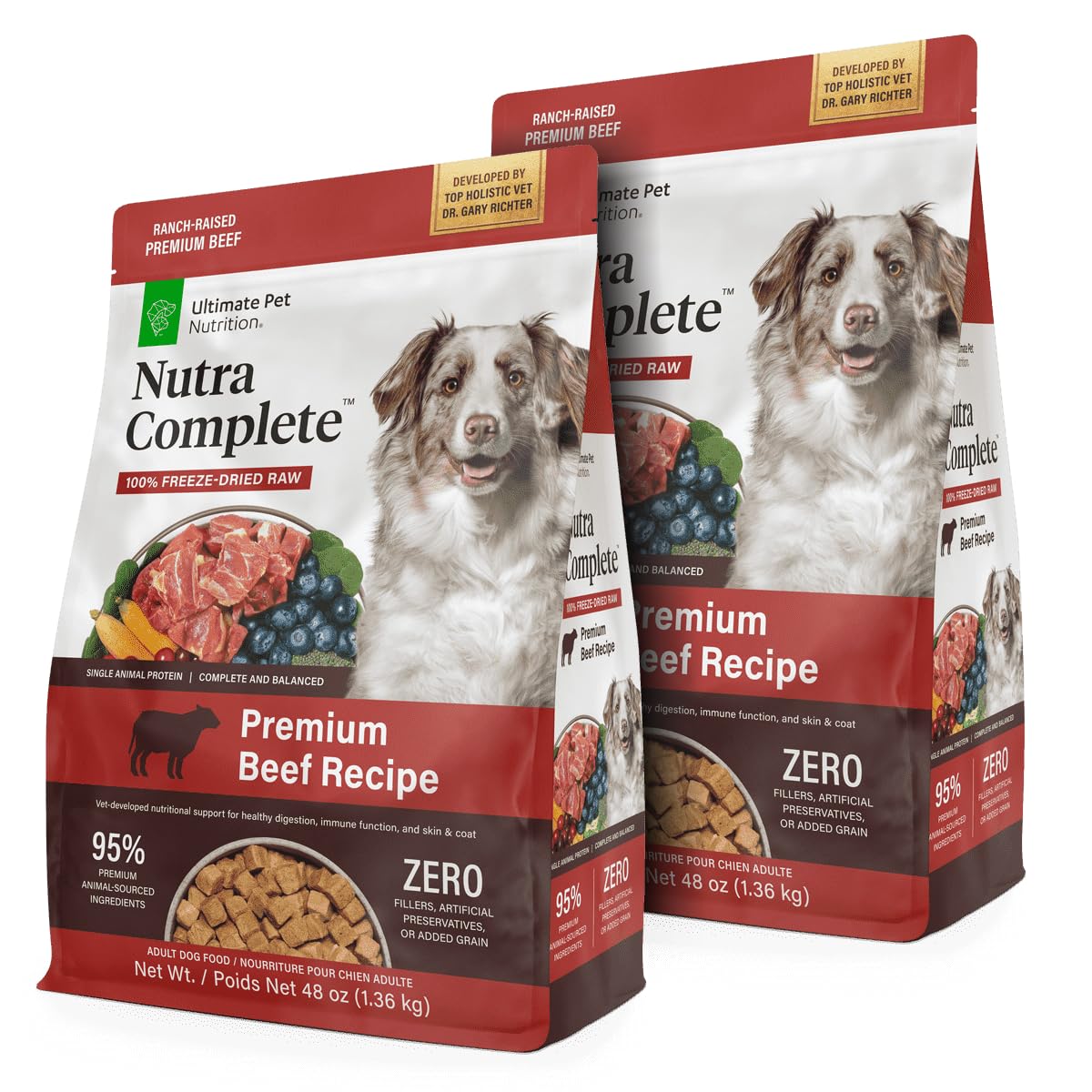

For more expert pet care tips and advice, check out our dedicated Dog Nutrition guides to keep your companions healthy and happy.




