

Introduction
The well-being of canine companions is a primary concern for dedicated pet owners around the globe. Understanding the role of various nutrients in a dog’s diet is fundamental to promoting optimal health and preventing common ailments. Among the most discussed and beneficial dietary additions is the omega 3 dog supplement. These essential fatty acids are crucial for numerous physiological functions and are often not adequately supplied through standard dog food alone. By delving into what omega-3s are, their sources, and their impact, a clearer picture emerges regarding how strategic supplementation can significantly enhance a dogs vitality, improve coat condition, support joint mobility, and contribute to overall cognitive and cardiovascular health. Addressing dietary needs through targeted supplementation can lead to a noticeable improvement in a dogs comfort, behavior, and quality of life.
💡 Pet Care Key Takeaways:
- Core Focus: Practical health, nutrition, and wellness guidelines for Omega 3 Dog Supplement.
- Target Scope: Pet owners, animal caregivers, and veterinary support staff.
- Best Recommendation: Maintain consistent daily routines and consult an accredited veterinarian before introducing major diet or medical changes.
Common Causes and Key Factors
The primary reason for considering an omega 3 dog supplement stems from the typical canine diet and the inherent biological needs of dogs. Many commercial dog foods, while balanced, may not contain sufficient levels of the active forms of omega-3 fatty acids, Eicosapentaenoic Acid (EPA) and Docosahexaenoic Acid (DHA), which are most beneficial for dogs. For more related activities, check out our Tibetan Mastiff Food Aggression.
A significant factor is the omega-6 to omega-3 ratio. While omega-6 fatty acids are also essential, an imbalance, often skewed towards higher omega-6 levels in many modern diets, can promote inflammation. Omega-3s, conversely, possess powerful anti-inflammatory properties, making them vital for managing conditions linked to chronic inflammation, such as allergies, arthritis, and certain skin conditions.
Furthermore, specific life stages and health conditions increase a dog’s requirement for these fatty acids. Growing puppies benefit from DHA for proper brain and eye development. Senior dogs often require additional omega-3s to support aging joints, cognitive function, and cardiovascular health. Dogs prone to dry, itchy skin, dull coats, or those with diagnosed inflammatory conditions like osteoarthritis or irritable bowel disease also present key factors indicating a potential need for supplementation. The quality and source of omega-3s are also crucial, with marine sources like fish oil being highly bioavailable for dogs.
Signs and Symptoms to Observe
Observing certain signs and symptoms can indicate that a dog might benefit from an omega 3 dog supplement. One of the most common indicators relates to skin and coat health. A dull, dry, brittle coat, excessive shedding, or persistent skin irritation, such as flakiness, redness, or chronic itching that leads to scratching or licking, often suggests a deficiency. These issues can manifest regardless of a dog’s age or breed but are particularly noticeable in breeds predisposed to skin allergies.
Mobility issues, especially in older dogs, are another significant sign. Stiffness after rest, reluctance to jump or climb stairs, or a general decrease in activity level can point towards joint inflammation and discomfort, for which omega-3s are known to provide relief. While not a cure, a noticeable improvement in gait or willingness to engage in activity can be observed after consistent supplementation.
Less obvious signs can include changes in cognitive function, particularly in senior dogs experiencing age-related decline. Increased disorientation, reduced interaction, or altered sleep-wake cycles might suggest a need for brain support, where DHA plays a critical role. While more subtle, dogs with compromised immune systems or those recovering from illness might also benefit from the immune-modulating effects of omega-3s. Monitoring these observable behaviors and physical changes allows dog owners to make informed decisions about their pet’s nutritional support.
Practical Solutions and Management Strategies
Integrating an omega 3 dog supplement into a dog’s routine involves careful consideration of product type, quality, dosage, and administration. The most effective omega-3 supplements for dogs are derived from marine sources like fish oil (from salmon, sardines, anchovies, mackerel) or krill oil, as these provide EPA and DHA directly. Plant-based sources such as flaxseed oil contain Alpha-Linolenic Acid (ALA), which dogs must convert to EPA and DHA, a process that is often inefficient. Therefore, prioritizing supplements rich in EPA and DHA is generally recommended.
When selecting a supplement, prioritize high-quality products that are third-party tested for purity, potency, and the absence of contaminants like heavy metals (mercury) and PCBs. Molecular distillation is a process often used to remove toxins from fish oils. Checking for certifications and a clear ingredient list is vital.
Dosage is highly dependent on the dog’s weight, overall health, and the specific condition being addressed. It is crucial to consult a veterinarian to determine the appropriate starting dose and any necessary adjustments. Typically, supplementation begins with a lower dose and is gradually increased.
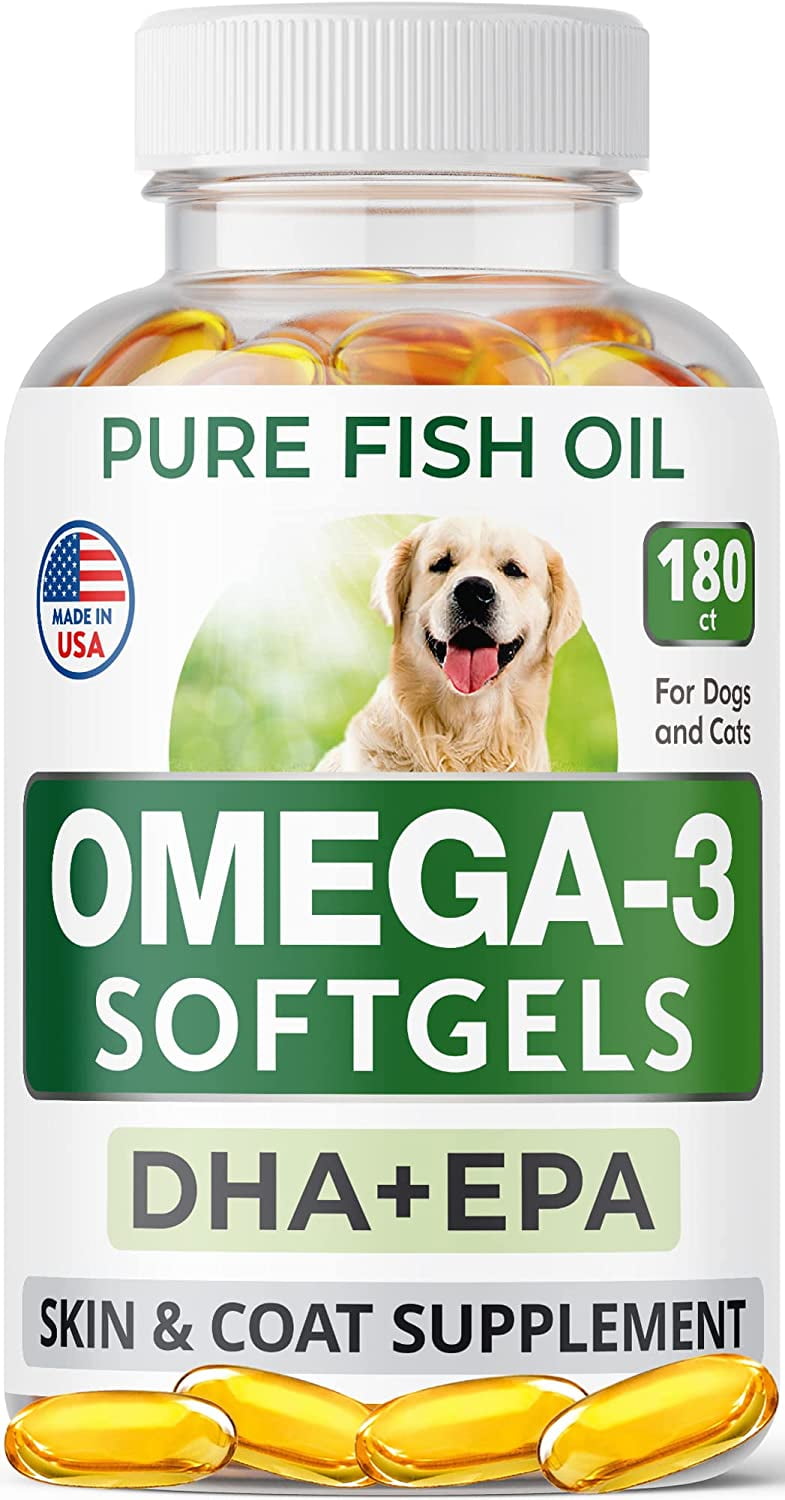
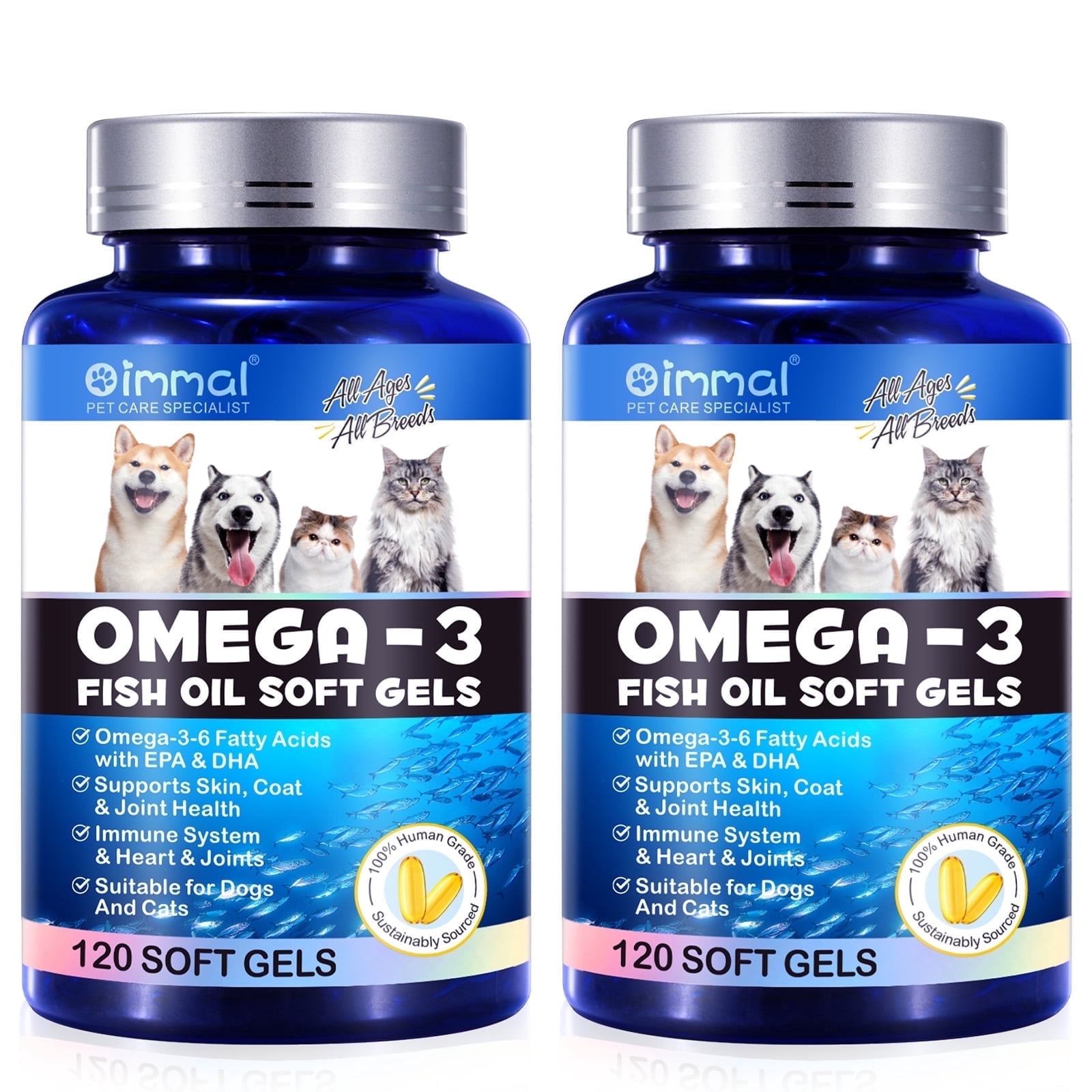
Omega 3 dog supplements are available in various forms, including liquid oils, softgel capsules, and chewable treats, allowing for flexibility in administration. Liquid forms can be easily added to food, while capsules can be given directly or hidden in treats. Proper storage is essential; supplements should be kept in a cool, dark place away from direct sunlight and heat to prevent oxidation, which can reduce their efficacy and palatability. Consistent daily administration is key to realizing the full benefits of omega-3 fatty acids.
When Professional Help May Be Needed
While an omega 3 dog supplement can offer significant health benefits, it is crucial to approach supplementation with informed caution and professional guidance. A veterinary consultation is always recommended before introducing any new supplement into a dog’s diet. This step ensures that the dog’s specific health needs are properly assessed, and any underlying conditions that might require different or additional treatments are identified.
Professional advice becomes particularly important for dogs with pre-existing health conditions. For instance, dogs with clotting disorders, pancreatitis, or those already on certain medications (such as blood thinners or anti-inflammatory drugs) require careful consideration, as omega-3s can potentially interact or exacerbate certain conditions if not dosed correctly. A veterinarian can provide tailored recommendations, monitor for potential adverse effects, and adjust dosages as needed.
Furthermore, if observable signs of improvement do not occur after a reasonable period of consistent supplementation, or if a dog experiences any adverse reactions such as digestive upset (vomiting, diarrhea), excessive fishy breath, or increased lethargy, immediate veterinary attention is warranted. These situations indicate that the supplement might not be suitable or that the dosage requires modification. Professional oversight ensures that supplementation is a safe and effective component of a dogs comprehensive health plan.
Conclusion
The integration of an omega 3 dog supplement represents a proactive and impactful step towards enhancing a canine companion’s overall health and vitality. These essential fatty acids are instrumental in supporting healthy skin and a lustrous coat, promoting joint flexibility and mobility, bolstering cognitive function, and maintaining cardiovascular health. Understanding the signs that a dog might benefit from supplementation, coupled with selecting high-quality, marine-derived products rich in EPA and DHA, forms the bedrock of effective nutritional support. However, the importance of professional veterinary consultation cannot be overstated. A tailored approach, guided by an expert, ensures that the appropriate type and dosage of supplement are chosen, maximizing benefits while safeguarding against potential interactions or adverse effects. Through informed choices and consistent care, the addition of an omega 3 dog supplement can significantly contribute to a dog’s comfort, longevity, and overall quality of life, aligning perfectly with the mission of promoting animal well-being.
Pet Care & Wellness Overview Table
| Life Stage | Daily Activity Level | Key Nutrition / Care Focus |
|---|---|---|
| Puppy / Kitten | High (frequent short bursts) | High-protein growth diet & early socialization |
| Adult Companion | Moderate (30–60 mins daily) | Balanced maintenance nutrition & dental hygiene |
| Senior Pets | Low to Gentle (mindful walks) | Joint support (Glucosamine) & routine vet checks |
Images References





For more expert pet care tips and advice, check out our dedicated Dog Nutrition guides to keep your companions healthy and happy.




