

Introduction
Understanding the specific dietary needs of a purebred dog is a cornerstone of responsible pet ownership. The term “pedigree nutrition” refers to a tailored approach to feeding that considers a dog’s unique breed, genetic predispositions, and historical background. It recognizes that not all dogs are nutritionally identical, and a generic diet may not fully address the nuanced requirements of a specific lineage. This issue commonly arises when a new purebred puppy joins a family or when an existing purebred dog exhibits health or behavioral concerns that might be linked to inadequate dietary provision. By appreciating the intricacies of pedigree nutrition, guardians can make informed decisions that significantly improve a dogs well-being, mitigate potential health issues, and enhance overall quality of life.
💡 Pet Care Key Takeaways:
- Core Focus: Practical health, nutrition, and wellness guidelines for Pedigree Nutrition.
- Target Scope: Pet owners, animal caregivers, and veterinary support staff.
- Best Recommendation: Maintain consistent daily routines and consult an accredited veterinarian before introducing major diet or medical changes.
Common Causes and Key Factors
The necessity for specialized “pedigree nutrition” stems from several key factors inherent to purebred dogs. Firstly, different breeds were developed over centuries for distinct purposes, leading to varied energy levels and metabolic rates. For instance, a high-energy working breed like a Border Collie requires a different caloric intake and nutrient balance compared to a low-energy companion breed such as a Bulldog. For more related activities, check out our Tibetan Mastiff Food Aggression.
Secondly, genetic predispositions play a crucial role. Purebred dogs often carry a higher risk for certain hereditary health conditions. Large breeds, for example, are frequently prone to joint issues like hip and elbow dysplasia, necessitating diets with carefully balanced calcium-to-phosphorus ratios and supplemental joint support. Conversely, small breeds may be more susceptible to dental disease, benefiting from specific kibble shapes or dental-friendly ingredients. Other breeds might have genetic tendencies towards specific allergies, sensitivities, or organ weaknesses, all of which are influenced by diet.
Furthermore, a dog’s size and growth rate significantly impact its nutritional demands. Giant breeds experience rapid growth spurts that require precise nutritional control to prevent musculoskeletal problems, while small breeds possess higher metabolisms and need calorie-dense foods to sustain their energy levels. Even factors like coat type and skin sensitivity can be breed-specific, dictating the need for particular fatty acids or protein sources to maintain optimal health.
Signs and Symptoms to Observe
Recognizing the signs of inadequate “pedigree nutrition” is vital for timely intervention. Observational indicators often manifest in various aspects of a dog’s health and behavior. One common sign is a poor coat condition, characterized by dullness, excessive shedding, dry or flaky skin, or the development of hot spots. These can suggest a lack of essential fatty acids or the presence of food allergies, which are often breed-specific.
Digestive issues such as chronic diarrhea, recurrent vomiting, or excessive gas are also significant red flags. Certain breeds are predisposed to sensitive stomachs, inflammatory bowel disease, or specific food intolerances that can be managed through dietary adjustments. Imbalances in energy levels, presenting as unusual lethargy or hyperactivity that deviates from a breeds typical temperament, might indicate nutrient deficiencies or an unsuitable caloric intake.
Weight management problems, including unexplained obesity or being underweight despite consistent feeding, can point to metabolic differences or breed-specific appetite regulation issues. In large and giant breeds, signs of lameness or stiffness can sometimes be exacerbated by inappropriate nutrition that fails to support healthy joint development. Dental problems, such as excessive plaque buildup, tartar, or persistent bad breath, are particularly prevalent in smaller breeds and can be influenced by diet and chew choices. Finally, persistent allergies and intolerances, manifesting as constant itching, scratching, or recurring ear infections, often have a strong genetic component in purebred dogs and are frequently linked to dietary triggers.
Practical Solutions and Management Strategies
Implementing effective “pedigree nutrition” strategies begins with informed decision-making. A fundamental step involves thoroughly researching a dog’s specific breed to understand its typical health predispositions, inherent energy levels, and common dietary sensitivities. This foundational knowledge empowers guardians to make proactive choices.
Selecting high-quality commercial dog foods specifically formulated for a dogs breed size, life stage (puppy, adult, senior), or sensitive systems is often recommended. Many reputable pet food brands offer breed-specific diets designed to address these nuanced needs. Constant monitoring of a dogs weight and body condition score is crucial, allowing for timely adjustments to food intake to maintain an ideal physique, which is particularly important for breeds prone to obesity or joint issues.
For certain breeds or specific health concerns, nutritional supplements might be beneficial, but their use should always be approached with caution and under veterinary guidance. Omega-3 fatty acids can support skin, coat, and joint health, while glucosamine and chondroitin are often considered for large breeds prone to orthopedic issues. Probiotics may aid dogs with sensitive digestion. Controlled feeding, involving measured portions at scheduled times rather than free-feeding, helps prevent overeating and ensures precise nutrient delivery. Furthermore, ensuring constant access to fresh, clean water is paramount for overall health. In cases of suspected allergies, a veterinarian can guide the implementation of novel protein or limited ingredient diets to identify and eliminate triggers.
When Professional Help May Be Needed
While many dietary adjustments can be made at home, certain situations warrant the expertise of a veterinary professional regarding “pedigree nutrition.” Persistent digestive issues such as chronic vomiting, diarrhea, or significant unexplained weight loss are clear indicators that a veterinary consultation is necessary. These symptoms could point to underlying medical conditions or severe dietary intolerances requiring precise diagnosis and management.
Unexplained lethargy, sudden changes in temperament, or persistent behavioral issues that do not resolve with basic dietary or environmental adjustments should also prompt a veterinary visit. Severe or recurring skin and coat problems, including constant itching, hair loss, or persistent infections, may require diagnostic testing to identify allergies or other dermatological conditions that benefit from specialized dietary intervention.
When a dog experiences significant challenges with weight management, being either consistently overweight or underweight despite consistent feeding efforts, professional guidance can help identify metabolic issues or formulate an effective long-term dietary plan. The onset or diagnosis of breed-specific health conditions like hip dysplasia, diabetes, heart disease, or kidney disease makes dietary modifications critical and necessitates close collaboration with a veterinarian to develop a therapeutic nutritional strategy. Additionally, transitioning a dog with known health concerns or a sensitive system to a new diet should always be done under professional supervision to minimize adverse reactions.
Conclusion
The concept of “pedigree nutrition” underscores the critical importance of understanding and meeting a purebred dog’s unique dietary requirements. It emphasizes that a dog’s breed, genetic heritage, and predispositions are powerful factors influencing its optimal diet and overall health. By embracing informed choices regarding food selection, observing a dog’s physical condition and behavior for any signs of imbalance, and seeking professional guidance when needed, guardians can proactively address potential challenges and optimize their companion’s well-being. Tailored nutrition contributes significantly to a dog’s vitality, longevity, and overall quality of life, affirming the profound rewards of providing diligent and appropriate care for these cherished family members.
Pet Care & Wellness Overview Table
| Life Stage | Daily Activity Level | Key Nutrition / Care Focus |
|---|---|---|
| Puppy / Kitten | High (frequent short bursts) | High-protein growth diet & early socialization |
| Adult Companion | Moderate (30–60 mins daily) | Balanced maintenance nutrition & dental hygiene |
| Senior Pets | Low to Gentle (mindful walks) | Joint support (Glucosamine) & routine vet checks |
Images References
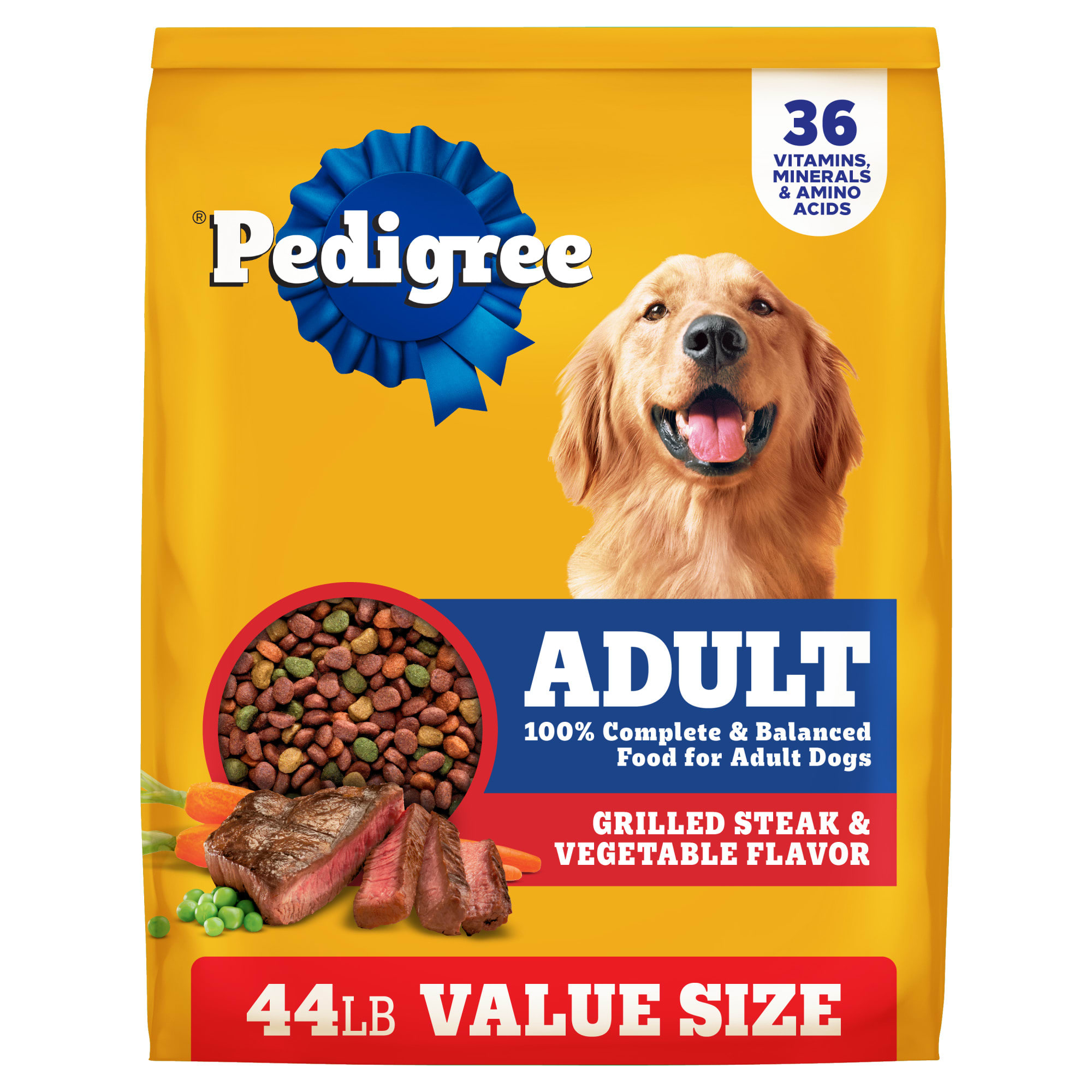


For more expert pet care tips and advice, check out our dedicated Dog Nutrition guides to keep your companions healthy and happy.




