

Understanding pitbull dog psychology requires looking past common public misconceptions to appreciate how these distinct canines truly think and perceive the world around them.
According to the American Temperament Testing Society, dogs commonly grouped under the pit bull umbrella consistently score above average in temperament testing compared to many traditional family companion breeds. Decades of observing these resilient dogs in professional behavior settings reveal animals that are deeply attuned to human emotion, highly motivated by praise, and remarkably eager to please their human caretakers. Yet, navigating the inner mind of a muscular, high-drive dog demands patience, consistency, and a solid grasp of canine mental wellness. Careful observation in clinical environments often highlights how quickly these dogs absorb emotional cues from their handlers, reacting instantly to tension or calm in the immediate surroundings.
💡 Pet Care Key Takeaways:
- Core Focus: Practical health, nutrition, and wellness guidelines for Pitbull Dog Psychology.
- Target Scope: Pet owners, animal caregivers, and veterinary support staff.
- Best Recommendation: Maintain consistent daily routines and consult an accredited veterinarian before introducing major diet or medical changes.
Pitbull dog psychology encompasses the cognitive processes, emotional drivers, and behavioral motivations unique to bull-and-terrier-derived lineages.
This specific mindset is shaped by a blend of genetic history and individual socialization experiences, heavily featuring high tenacity and intense focus. Originally bred for utility roles that required unwavering determination, modern representatives of this classification inherit a strong work ethic and deep environmental engagement. In daily practice, watching a dog lock onto a scented toy or intently study a handler’s hand signals clearly demonstrates this innate fixation capability. Channeling that intense mental drive into structured games and obedience tasks prevents frustration and supports overall emotional stability.
Environmental enrichment and mental stimulation play a foundational role in shaping positive behavioral outcomes for pitbull-type dogs.
Without adequate outlets for their robust energy, these intelligent canines frequently invent their own entertainment, which can manifest as destructive chewing, barrier frustration, or excessive vocalization. Professional behaviorists emphasize that physical walks alone rarely satisfy a high-drive dog; cognitive challenges are equally vital for maintaining a balanced state of mind. During training sessions, a well-placed food puzzle or a structured nose-work game transforms restless pacing into focused, calm engagement. Supporting this daily routine contributes significantly to long-term Dog Behavior health.
Canine temperament testing indicates that well-socialized pitbull-type dogs frequently achieve passing scores that outpace the general canine population average. — American Temperament Testing Society
Implementing positive reinforcement methodologies is the most effective approach for guiding pitbull dog psychology toward calm, predictable household manners.
Force-free training builds mutual trust and encourages problem-solving skills without triggering fear or defensive responses from the dog. Because these animals possess immense physical strength, managing their behavior through intimidation creates dangerous liabilities rather than reliable obedience. Instead, teaching clear boundaries using high-value rewards establishes a cooperative dynamic that respects the dog’s intelligence. For further guidance on structured daily management, exploring comprehensive resources on Dog Training helps owners refine their approach.
Avoiding common missteps in management ensures that behavioral hurdles are addressed proactively rather than reactively.
A frequent mistake involves punishing minor stress signals like low growling, which inadvertently teaches the dog to suppress warning signs and can lead to unpredictable reactions. Recognizing early body language indicators—such as stiffening postures, dilated pupils, or whale eye—allows handlers to de-escalate situations safely before distress escalates. Incorporating safe handling practices into routine Dog Care guarantees that physical maintenance remains a low-stress experience for both dog and owner.
Behavioral specialists consistently advise that suppressing early canine warning signs through punitive measures dramatically increases the risk of unpredictable bite incidents. — International Association of Animal Behavior Consultants
Pet Care & Wellness Overview Table
| Life Stage | Daily Activity Level | Key Nutrition / Care Focus |
|---|---|---|
| Puppy / Kitten | High (frequent short bursts) | High-protein growth diet & early socialization |
| Adult Companion | Moderate (30–60 mins daily) | Balanced maintenance nutrition & dental hygiene |
| Senior Pets | Low to Gentle (mindful walks) | Joint support (Glucosamine) & routine vet checks |
Images References


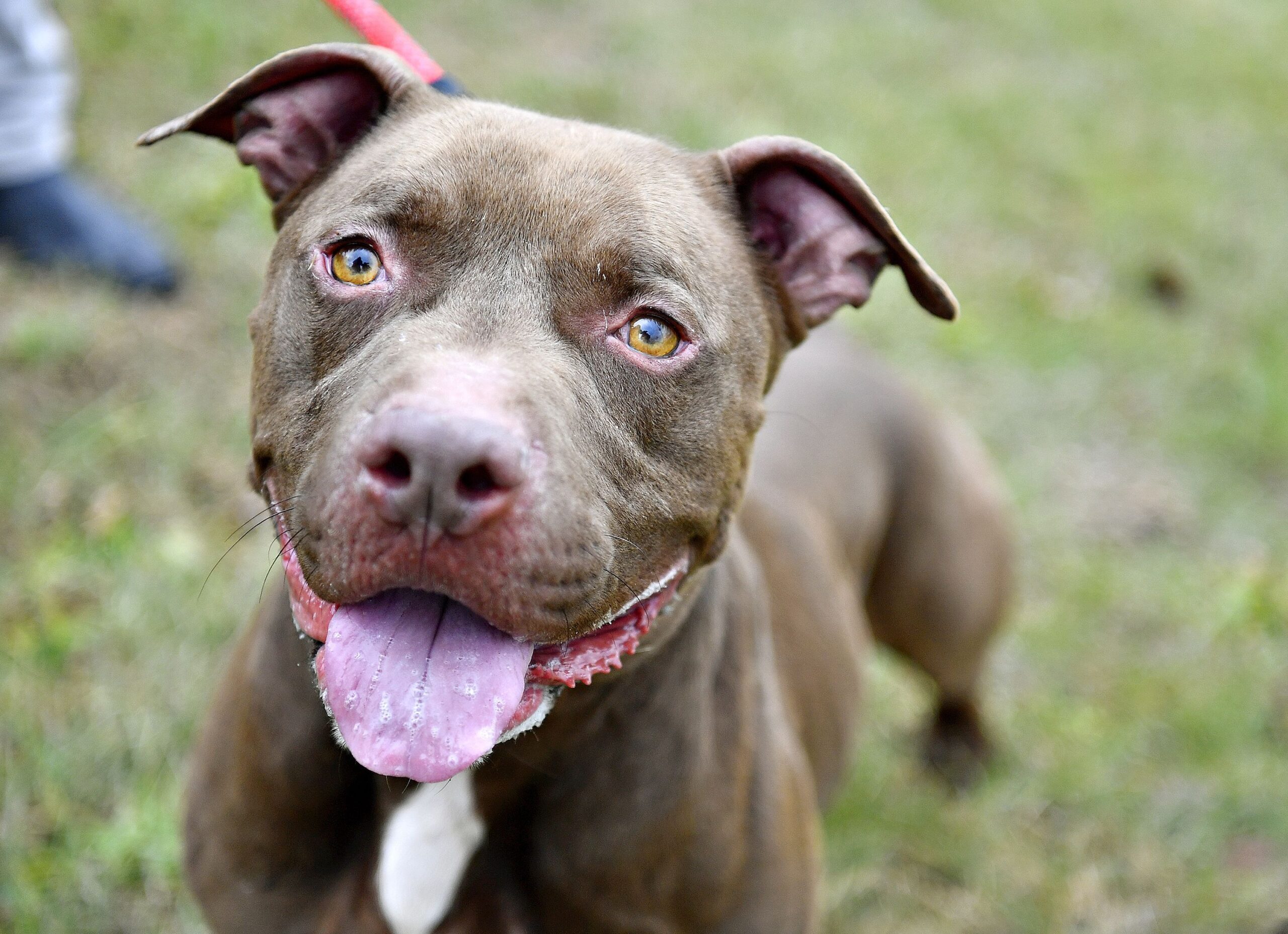

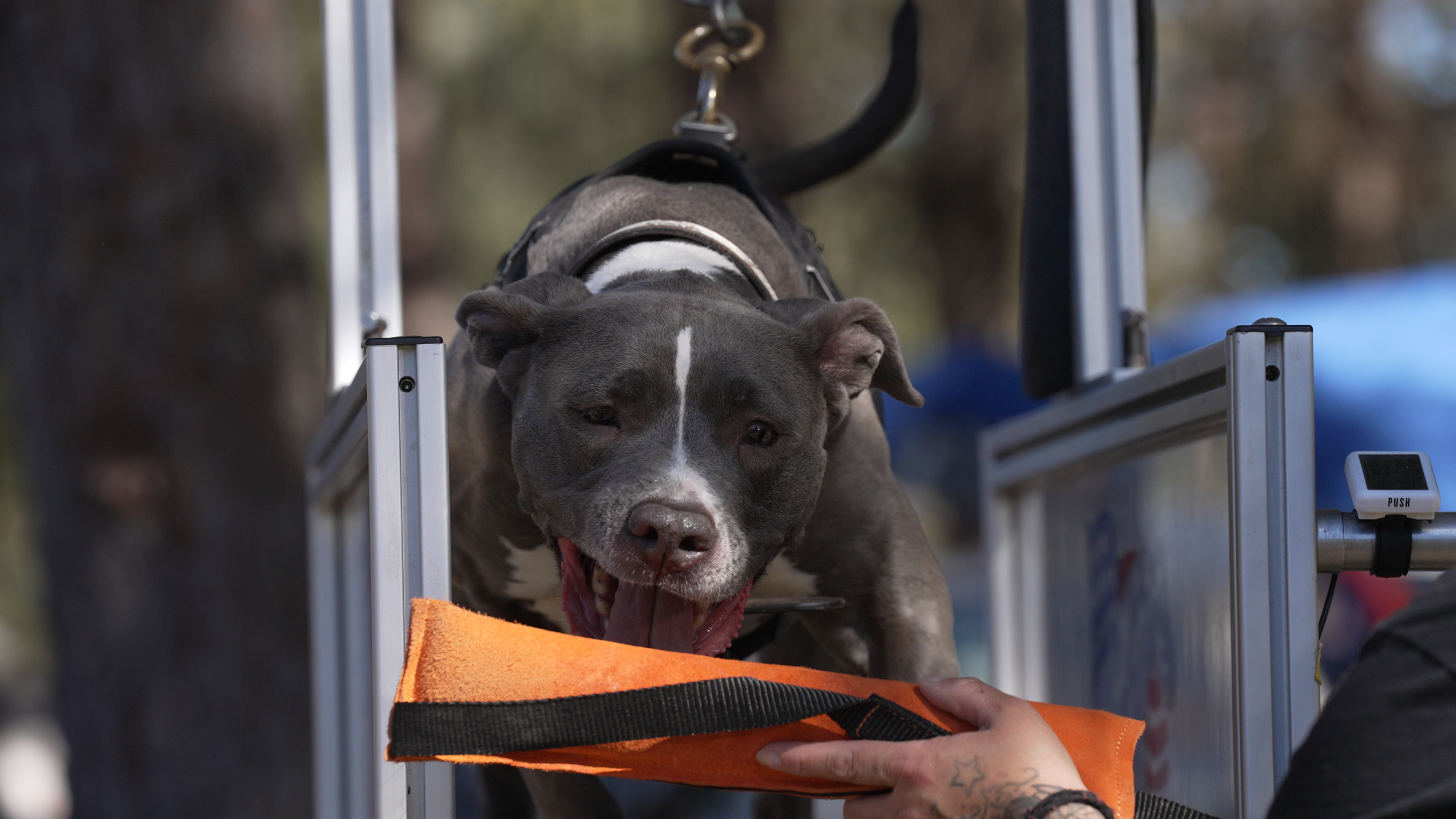

Individual temperament variations, age milestones, and physical maturity heavily influence how pitbull dog psychology manifests in a domestic setting.
Puppies and young adults often experience intense bursts of exuberance that require deliberate impulse-control exercises to manage safely. As these dogs mature into adulthood, their protective instincts and loyalty deepen, making early and continuous socialization an absolute necessity for preventing fear-based reactivity. Monitoring nutritional needs through proper Dog Nutrition also supports brain development and steady energy regulation across all life stages. Each dog responds uniquely based on its background, reinforcing the importance of treating every animal as an individual.
Consulting a certified professional behaviorist or veterinarian becomes essential when behavioral challenges exceed standard household management strategies.
Underlying medical discomfort, sudden fear periods, or escalating anxiety require expert diagnostic evaluation to rule out physiological causes for unusual conduct. Never attempt to handle severe aggression or intense panic independently; instead, seek a qualified veterinary behaviorist who utilizes science-based, humane intervention plans. Routine check-ups focused on overall Dog Health ensure that physical pain or neurological issues are never mistaken purely for stubbornness or disobedience.
Empowering yourself with knowledge about pitbull dog psychology fosters a harmonious, lifelong bond built on mutual respect and understanding.
By honoring their genetic heritage, providing appropriate mental challenges, and practicing compassionate leadership, owners unlock the truly affectionate and loyal nature of these remarkable animals. Discover more expert advice, breed insights, and wellness tips across PetsAnimalsWorld.com to give your companion the best life possible.




