

Understanding the distinct personality and instincts of the spotted hound
According to the American Kennel Club, the Dalmatian stands out not only for its striking spotted coat, but also for a rich historical heritage as a versatile coaching dog that ran alongside horse-drawn carriages. This legacy of endurance shapes the modern temperament, influencing how these spotted companions interact with family members, strangers, and the surrounding environment. Observing a spotted dog patrol a perimeter or persistently shadow a household member reveals an animal driven by strong historical instincts. Recognizing these innate tendencies helps households build harmonious relationships and prevents misunderstandings regarding why certain actions occur.
💡 Pet Care Key Takeaways:
- Core Focus: Practical health, nutrition, and wellness guidelines for Common Behaviours In A Dalmatian.
- Target Scope: Pet owners, animal caregivers, and veterinary support staff.
- Best Recommendation: Maintain consistent daily routines and consult an accredited veterinarian before introducing major diet or medical changes.
Defining the signature traits and everyday actions of the breed
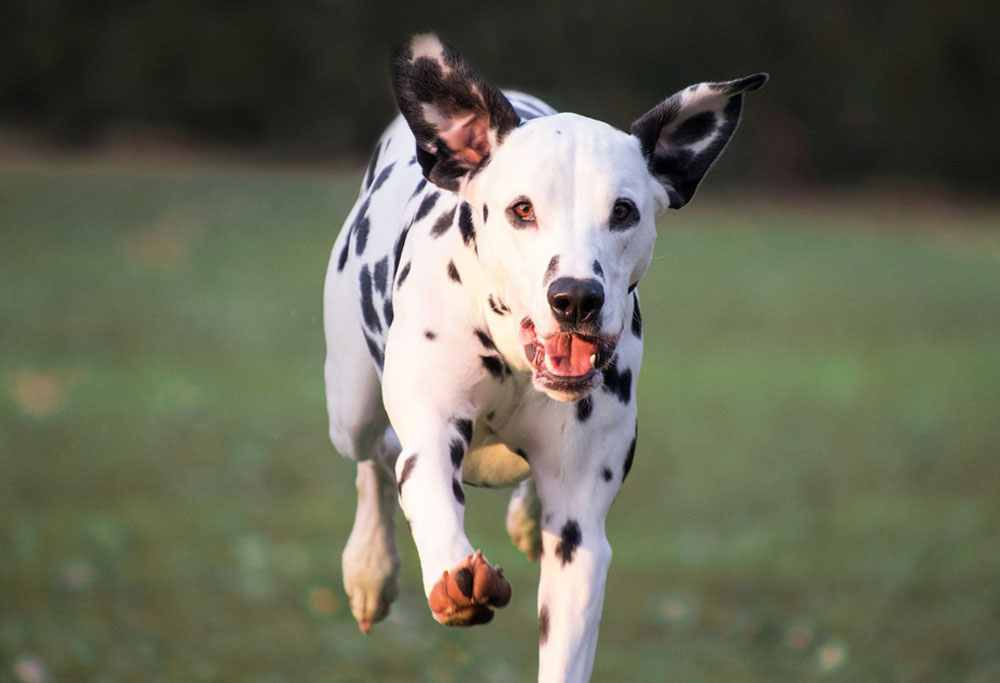
Common behaviours in a dalmatian encompass a dynamic mix of high physical endurance, intense social loyalty, and a distinct sensitivity that requires mindful daily management. Professional behaviorists frequently describe these athletic canines as energetic, highly vigilant, and deeply attached to their chosen circles, often earning them the affectionate nickname of velcro dogs. Beyond their iconic appearance, these animals display a unique facial expression known as the smiling grin, where the lips pull back to expose the front teeth in a gesture of appeasement or excitement. Coupled with a tendency toward vocalization ranging from soft murmurs to sharp barks, understanding these foundational patterns provides a clearer window into the mind of a high-energy spotted companion. For more related activities, check out our Dog Heat Behavior Changes.
Evaluating the physical and psychological impact of high energy levels
Unspent energy frequently manifests as destructive chewing, excessive pacing, or anxious fence-running if daily exercise requirements are not consistently met. Because these animals were bred to trot for miles without tiring, routine walks around the block rarely satisfy their deep cardiovascular drive. Furthermore, sensory stimulation plays a vital role in preventing boredom-induced reactivity. When mental enrichment is neglected, intelligent canines often invent their own games, which may include counter-surfing or digging in prized garden beds. Meeting these physiological demands safeguards domestic tranquility and promotes sound psychological health.
Routine daily exercise and structured problem-solving games significantly reduce stress-related behavioral expressions in high-endurance sporting and utility breeds — American Kennel Club
Implementing structured management strategies for a balanced household
Establishing clear boundaries through positive reinforcement training ensures that common behaviours in a dalmatian remain manageable and positive for everyone involved. Professional trainers emphasize that punishment-based methods should always be avoided, as sensitive hounds easily become fearful or shut down when treated harshly. Instead, rewarding calm focus with high-value treats builds trust and reinforces desirable conduct. Integrating puzzle toys, scent games, and agility exercises into the weekly routine channels natural athleticism into productive outlets. Consistency across every household member prevents confusion and solidifies household rules.
Avoiding common management missteps and embracing best practices
One frequent misstep involves underestimating the socialization needs of young puppies, which can lead to adult wariness around unfamiliar people or animals. Early and positive exposure to diverse environments, sounds, and gentle handling helps cultivate a confident temperament. Additionally, leaving an active hound alone for extended periods without adequate mental outlets invites separation anxiety. Owners achieve the best results by pairing physical exertion with structured obedience sessions, ensuring the canine brain works just as hard as the body. Patience and routine remain the cornerstones of successful household integration.
Early socialization and continuous positive reinforcement during the first year of life drastically lower the incidence of fear-based reactivity in medium-to-large guard and utility breeds — American Society for the Prevention of Cruelty to Animals
Pet Care & Wellness Overview Table
| Life Stage | Daily Activity Level | Key Nutrition / Care Focus |
|---|---|---|
| Puppy / Kitten | High (frequent short bursts) | High-protein growth diet & early socialization |
| Adult Companion | Moderate (30–60 mins daily) | Balanced maintenance nutrition & dental hygiene |
| Senior Pets | Low to Gentle (mindful walks) | Joint support (Glucosamine) & routine vet checks |
Images References



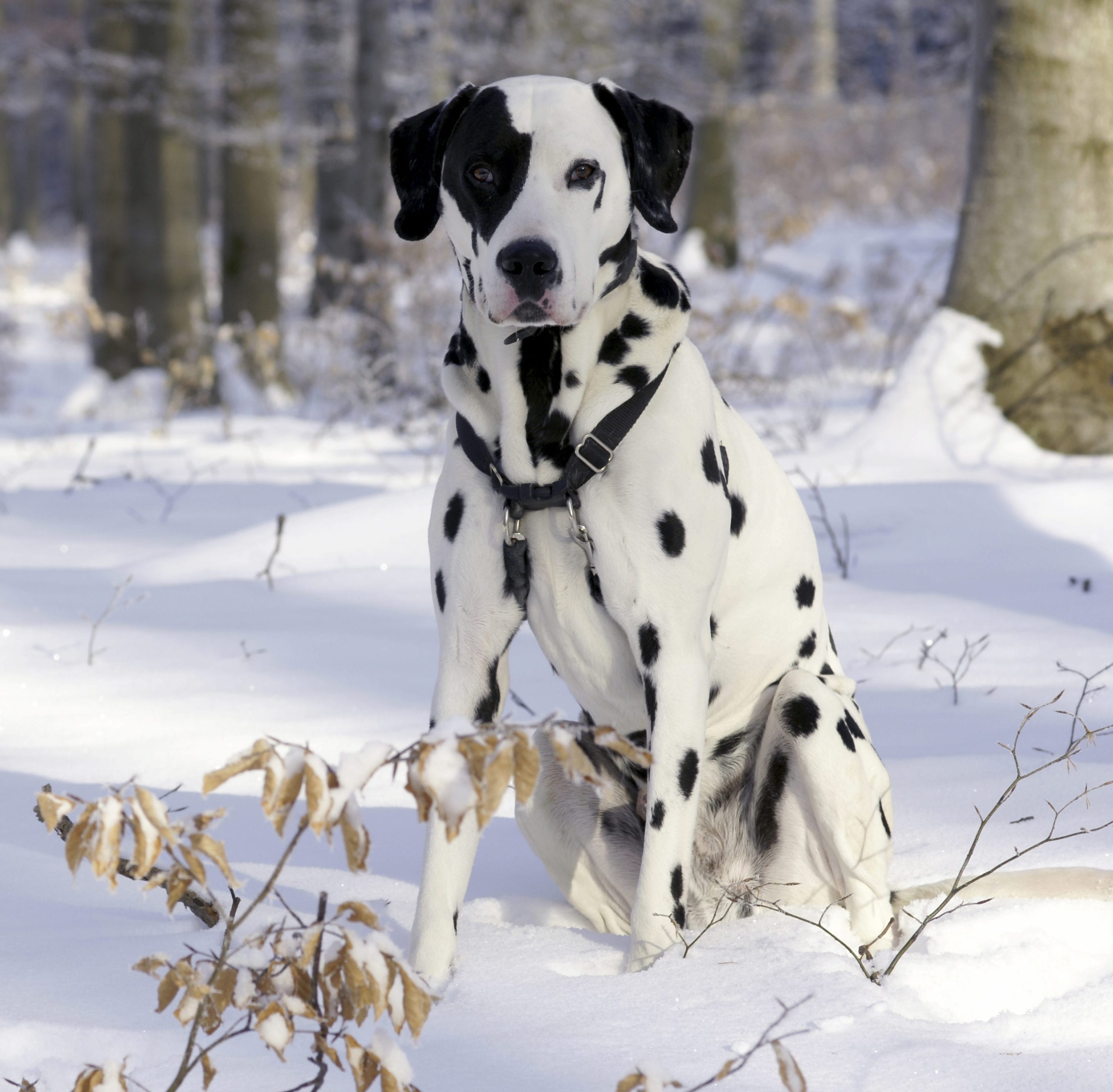


Adolescence in this breed brings an extra burst of independent drive, testing the patience of even the most dedicated owners. During this transitional phase, maintaining rigorous training schedules reinforces good habits and curbs boundary-pushing tendencies. It is also essential to note the distinct urinary tract physiology of the breed, which processes uric acid differently than most other canines, requiring specialized hydration and dietary management to prevent stone formation. Understanding how physical health intertwines with temperament ensures that every aspect of the animal’s well-being receives proper attention.
Knowing when to seek guidance from veterinary and behavioral professionals
While normal training hurdles can be managed at home, sudden shifts in temperament or escalating fear responses warrant professional intervention. Consulting a certified veterinary behaviorist ensures that underlying medical discomfort or neurological factors are properly identified and addressed. Never attempt to handle severe aggression or panic without expert support, as punitive corrections can escalate defensive reactions. Partnering with qualified professionals safeguards both human and canine safety while offering tailored solutions for complex challenges.
Fostering a lifelong bond through informed companionship
Living with a spirited spotted companion offers endless rewards for those willing to match their enthusiasm and dedication. By understanding their rich history and unique psychological needs, households create safe, loving environments where these remarkable animals thrive. Exploring resources on Dog Behavior and Dog Training can provide further insights into canine psychology. Additional guidance on daily upkeep is available through Dog Care, helping every owner ensure a vibrant lifestyle. Discover more expert tips and breed guides right here at PetsAnimalsWorld.com to support your journey.




