
Introduction
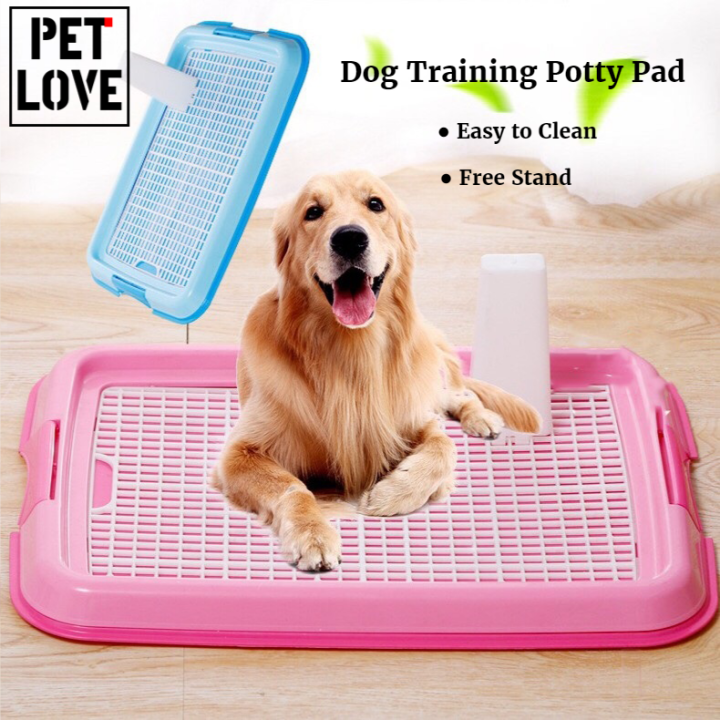
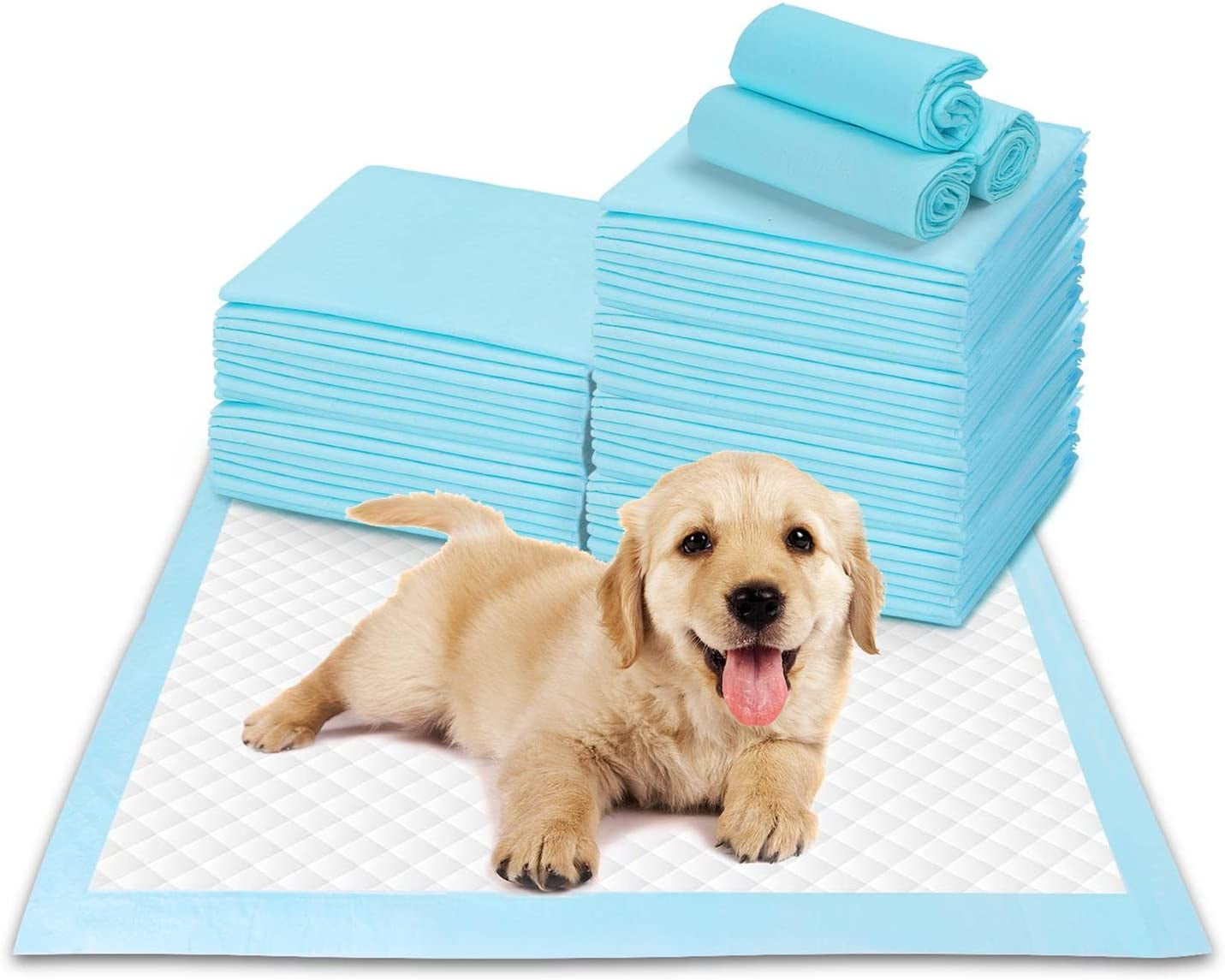
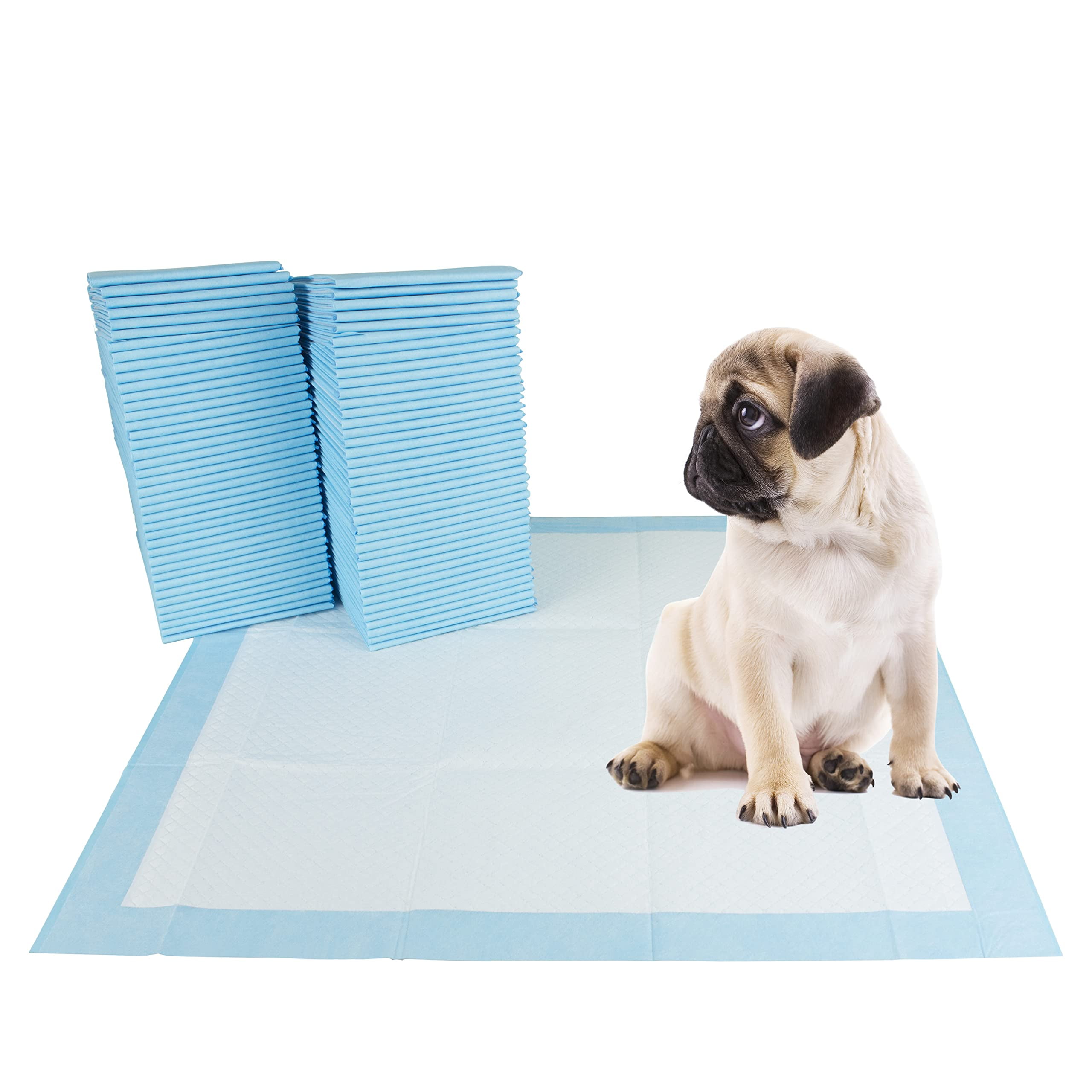
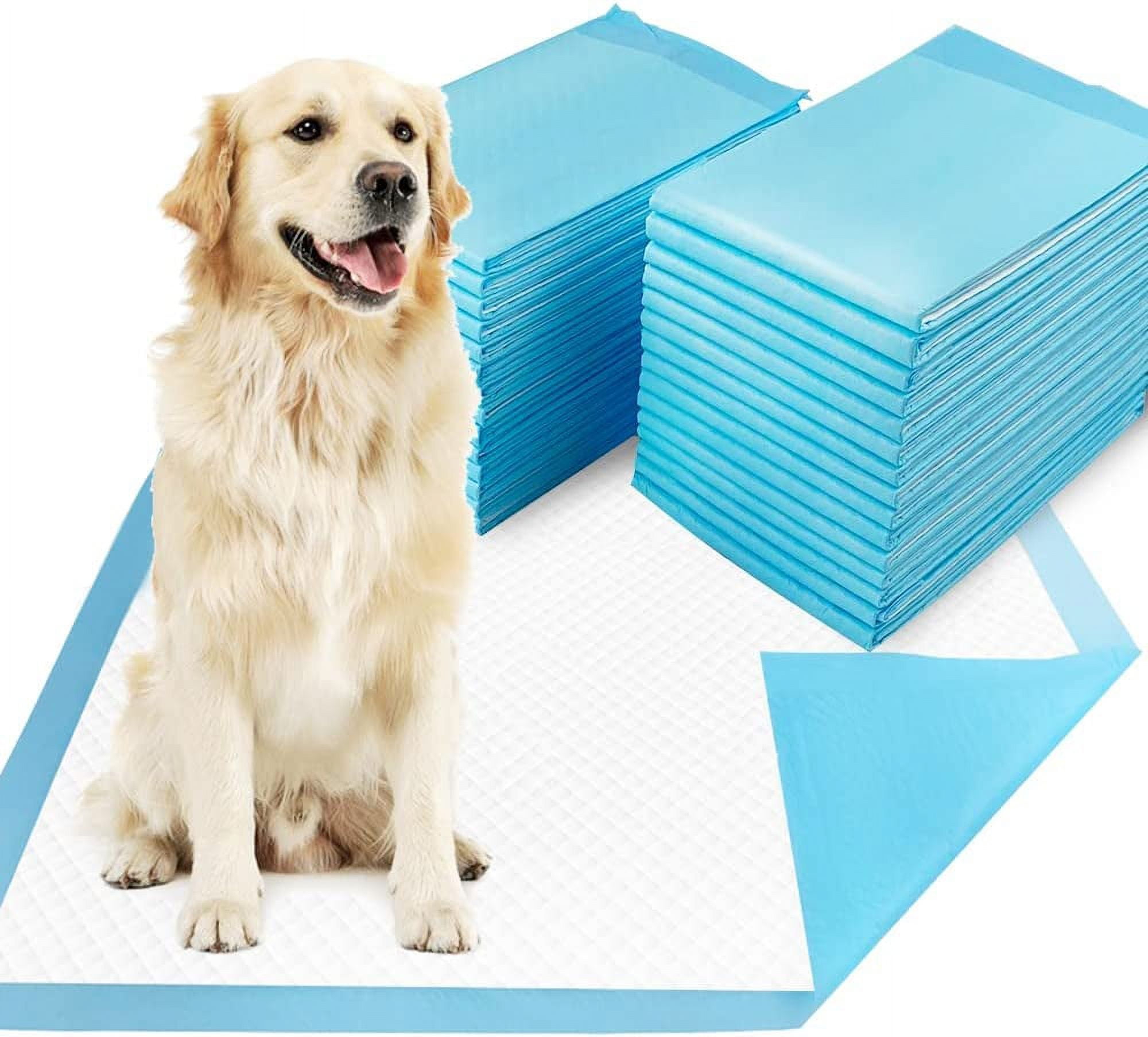
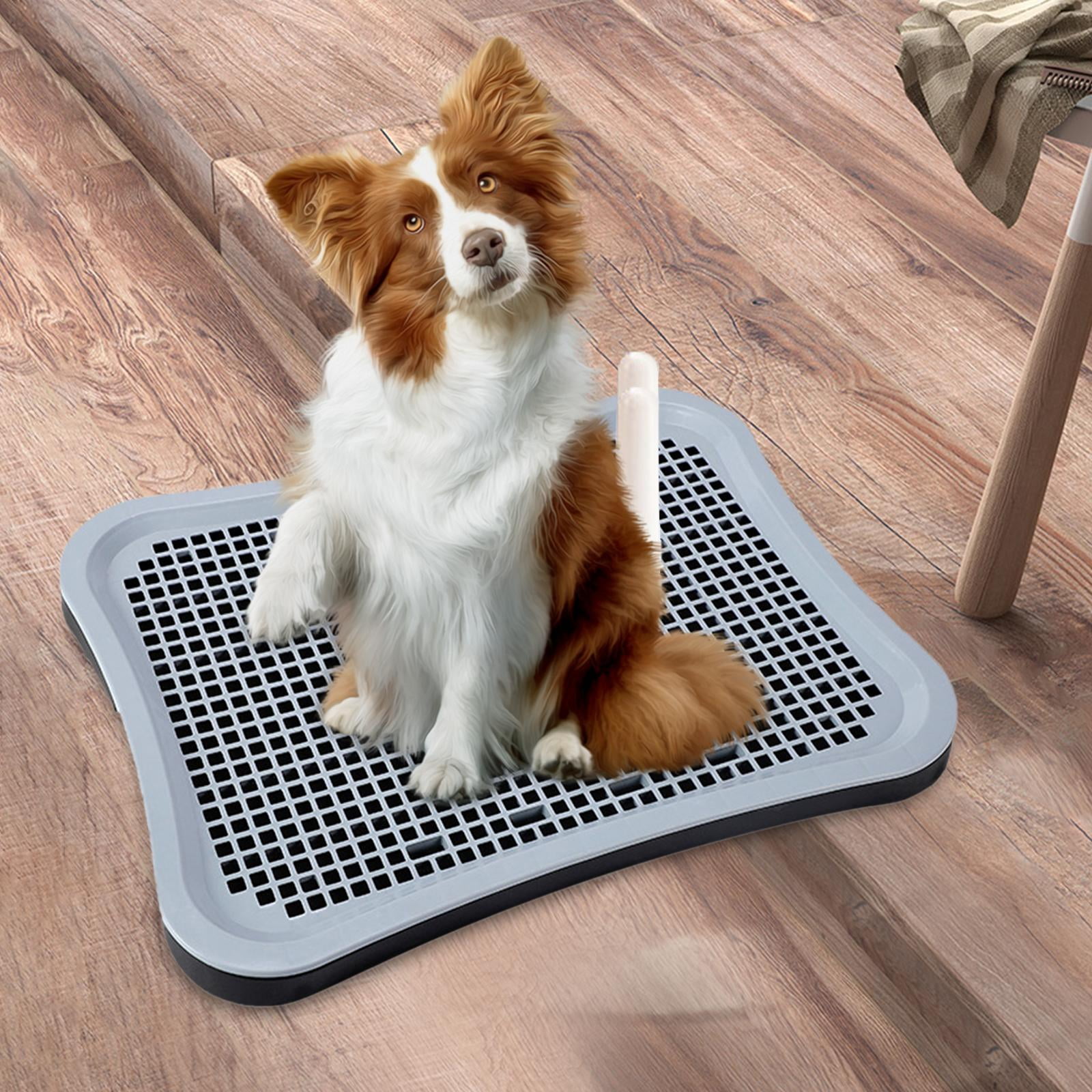
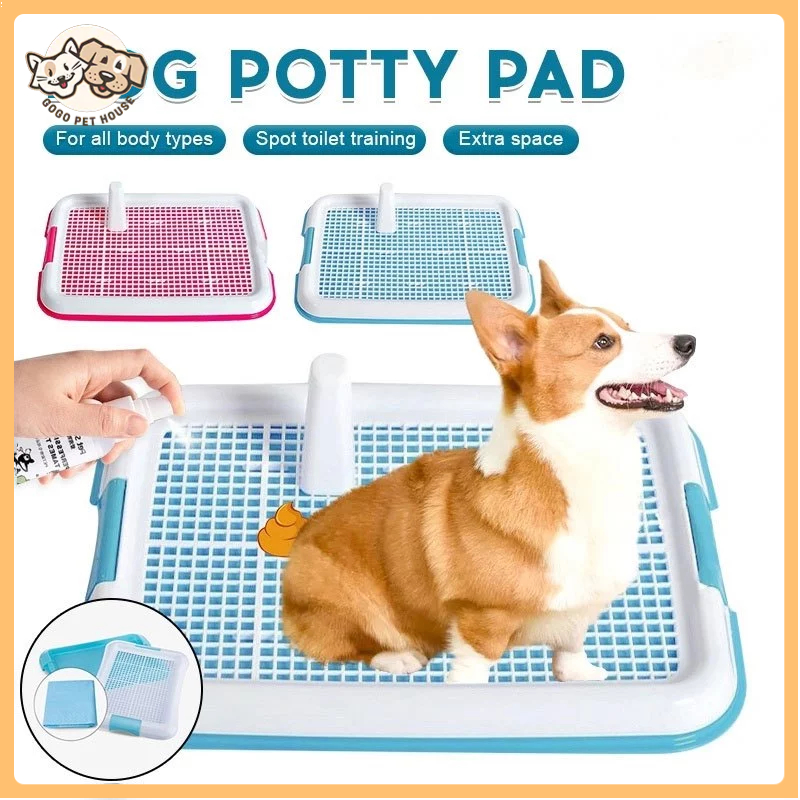
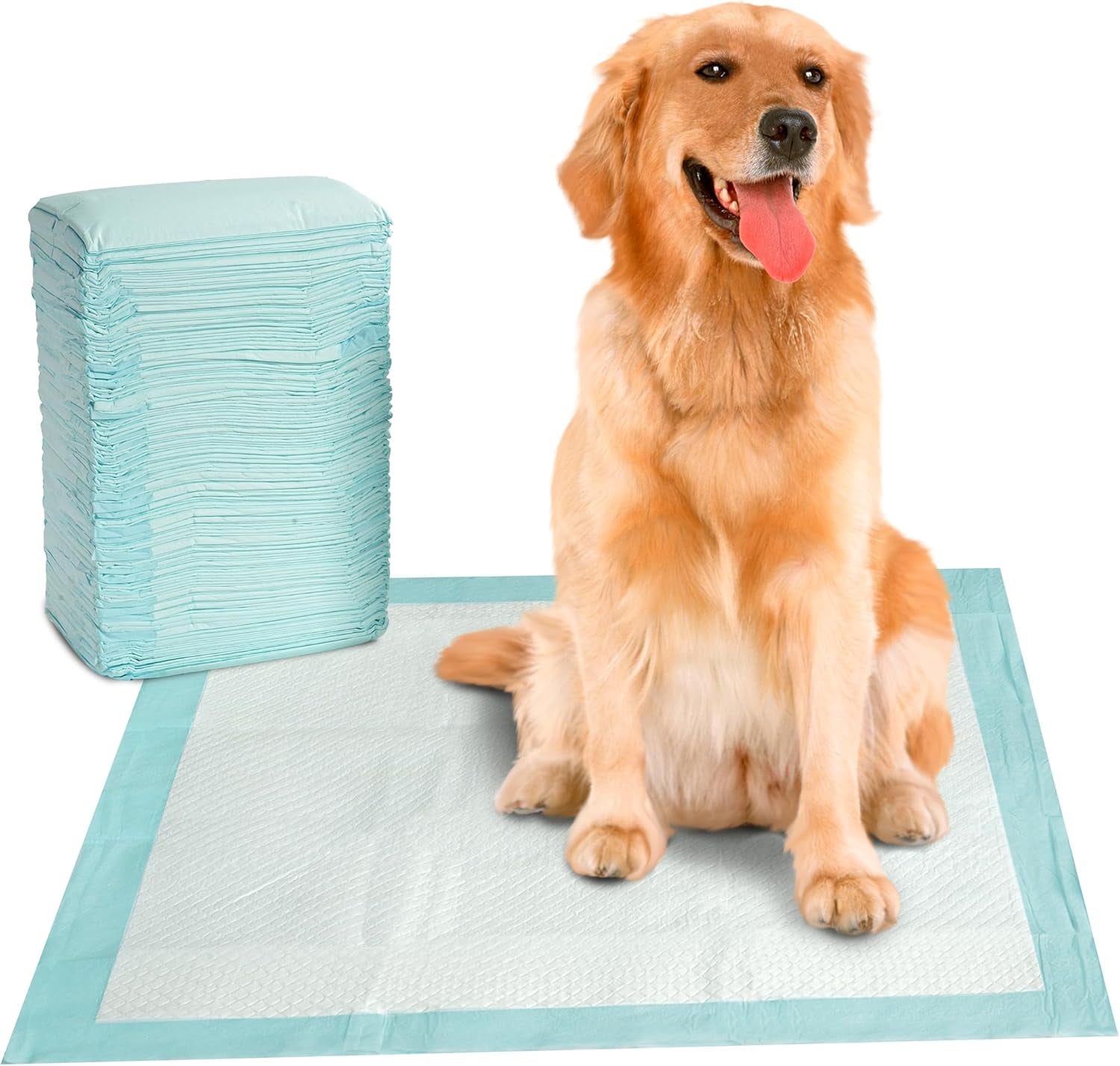
The term “potty pad” refers to an absorbent mat designed for dogs to urinate or defecate upon indoors. These specialized pads, often featuring multiple layers and an attractant scent, offer a designated and convenient spot for canine elimination when outdoor access is limited or impractical. Potty pads serve various crucial purposes for dog owners, ranging from facilitating the initial stages of housetraining young puppies to providing a reliable indoor option for elderly dogs with incontinence or those recovering from surgery. Understanding the role and proper use of a potty pad is fundamental for maintaining a clean living environment and supporting a dog’s well-being, behavior, and overall quality of life by establishing consistent elimination habits.
💡 Pet Care Key Takeaways:
- Core Focus: Practical health, nutrition, and wellness guidelines for Potty Pad.
- Target Scope: Pet owners, animal caregivers, and veterinary support staff.
- Best Recommendation: Maintain consistent daily routines and consult an accredited veterinarian before introducing major diet or medical changes.
Common Causes and Key Factors
Several factors influence a dog’s need for or reliance on a potty pad. For puppies, the primary reason is developmental; their bladder control is still maturing, and they are learning the concept of designated elimination areas. Potty pads provide a bridge during this critical housetraining phase. For more related activities, check out our Kikkopupbiting.
Adult and senior dogs may require potty pads due to age-related changes, such as reduced bladder control (incontinence), decreased mobility, or cognitive decline that impacts their ability to signal a need to go outside. Certain health conditions like urinary tract infections, diabetes, kidney disease, or gastrointestinal issues can also lead to more frequent or urgent elimination needs, making an indoor potty pad a practical solution.
Environmental factors play a significant role. Dogs residing in apartments without easy outdoor access, or those living in areas with extreme weather conditions (heavy rain, snow, or excessive heat), may benefit from having an indoor option. Inconsistent training, a lack of a clear routine, or past negative experiences with outdoor elimination can also contribute to a dog’s reliance on or preference for indoor potty pad use. Behavioral issues, such as separation anxiety, can sometimes manifest as indoor accidents if a dog is left alone for extended periods and feels unable to hold its bladder or bowel.
Signs and Symptoms to Observe
Observing a dog’s behavior provides valuable insights into its elimination needs and patterns related to potty pad use. For puppies, common signs include sniffing the ground, circling, or suddenly squatting in an inappropriate area, indicating an immediate need to eliminate. When a potty pad is available, a puppy might be seen heading directly towards it or showing hesitation before using it.
In adult or senior dogs, symptoms requiring attention may include an increase in the frequency of urination or defecation, accidents occurring indoors despite previous housetraining, or a noticeable urgency to eliminate. Dogs might whine, scratch at the door, or exhibit restlessness before an accident. Physical signs like straining during elimination, blood in the urine or stool, or changes in the color or consistency of waste are crucial indicators that warrant veterinary consultation.
Behavioral indicators can also signal issues with potty pad acceptance or use. A dog might purposefully avoid the potty pad, tearing it up instead of using it, or choosing to eliminate right next to it. Conversely, excessive licking of the genital area or showing signs of discomfort after using the pad could suggest a medical issue. The presence of anxiety or stress, such as pacing or panting, when a dog needs to eliminate but cannot access its preferred spot, further highlights the importance of consistent monitoring.
Practical Solutions and Management Strategies
Effective management of potty pad use centers on consistency, positive reinforcement, and addressing underlying factors. For puppies undergoing housetraining, establishing a strict schedule for potty breaks, including immediately upon waking, after eating, and before bedtime, is paramount. Always guide the puppy to the potty pad during these times and offer praise and a small treat immediately after successful elimination. Crate training can complement potty pad training by teaching a puppy to hold its bladder in a confined space, naturally encouraging it to use the designated pad when released.
Potty pads should be placed in an easily accessible, consistent location away from food and sleeping areas. Regular replacement of soiled pads is essential to maintain hygiene and encourage continued use. For dogs transitioning from pads to outdoor elimination, a gradual approach is effective. This involves slowly moving the potty pad closer to the exit door over several days, eventually placing it just outside, and then completely phasing it out as the dog consistently uses outdoor spots.
For older dogs or those with medical conditions, ensuring constant access to a clean potty pad can alleviate stress and prevent accidents. Dietary adjustments, such as timing meals to coincide with regular elimination schedules, can also be beneficial. In cases of incontinence, specific management products like dog diapers may be used in conjunction with pads. Always use enzymatic cleaners to thoroughly eliminate urine odors from “accident” spots, as residual smells can attract a dog back to the same inappropriate area. Reducing stressors in a dog’s environment can also improve elimination habits, especially if anxiety is a contributing factor.
When Professional Help May Be Needed
While many potty pad-related challenges can be managed with consistent training and environmental adjustments, there are situations where professional intervention becomes necessary. A sudden and unexplained onset of indoor accidents in a previously housetrained dog, especially if accompanied by changes in appetite, energy levels, or behavior, warrants immediate veterinary attention. These signs could indicate underlying medical conditions such as urinary tract infections, kidney disease, diabetes, or even neurological issues that require diagnosis and treatment.
Furthermore, if a dog exhibits signs of pain or discomfort during elimination, or if there are noticeable changes in the volume, color, or consistency of urine or stool, a comprehensive veterinary examination is crucial. These physical symptoms are often clear indicators of health problems that cannot be resolved through training alone.
For persistent behavioral issues, such as marking, extreme anxiety, or a strong refusal to use a potty pad or transition to outdoor elimination despite consistent efforts, consulting with a certified professional dog trainer or a veterinary behaviorist is highly recommended. These experts can assess the specific circumstances, identify complex behavioral triggers, and develop tailored training plans or behavioral modification strategies that address the root cause of the problem. Seeking professional guidance ensures that both a dog’s physical health and emotional well-being are properly supported.
Conclusion
The potty pad serves as a versatile tool in a dog owner’s arsenal, proving invaluable for housetraining puppies, assisting senior dogs, and managing elimination for canines with specific health or lifestyle needs. Understanding the various factors that influence a dog’s use of these pads be they developmental, health-related, environmental, or behavioral is crucial for effective management. Consistent observation of a dog’s habits and physical indicators allows owners to proactively address concerns and implement appropriate strategies. By combining diligent training, environmental modifications, and prompt professional consultation when necessary, dog owners can ensure a clean home, reduce stress for their canine companions, and ultimately foster a healthier, happier living experience for all. Awareness, patience, and a commitment to consistent care are the cornerstones of successful potty pad utilization and overall canine well-being.
Pet Care & Wellness Overview Table
| Life Stage | Daily Activity Level | Key Nutrition / Care Focus |
|---|---|---|
| Puppy / Kitten | High (frequent short bursts) | High-protein growth diet & early socialization |
| Adult Companion | Moderate (30–60 mins daily) | Balanced maintenance nutrition & dental hygiene |
| Senior Pets | Low to Gentle (mindful walks) | Joint support (Glucosamine) & routine vet checks |
Images References



For more expert pet care tips and advice, check out our dedicated Dog Training guides to keep your companions healthy and happy.




