Introduction
The intricate world of canine health often points to the gut as a cornerstone of overall well-being. Understanding probiotics for my dog is a vital aspect of modern pet care, offering a pathway to supporting a robust digestive system and a strong immune response. Probiotics are live microorganisms, often referred to as “good bacteria” or beneficial yeasts, that, when administered in adequate amounts, confer a health benefit on the host. For dogs, a balanced gut microbiome the community of microorganisms living in the digestive tract is crucial for nutrient absorption, immune system function, and even mood regulation. Disruptions to this delicate balance can manifest in various ways, from digestive upset to skin issues and reduced vitality. Introducing targeted probiotic supplementation can help restore equilibrium, support digestive efficiency, and contribute to a dogs improved health and comfort. This awareness empowers pet owners to proactively address potential health challenges and enhance their companion’s quality of life. Explore more in our Dog Health collection.
💡 Pet Care Key Takeaways:
- Core Focus: Practical health, nutrition, and wellness guidelines for Probiotics For My Dog.
- Target Scope: Pet owners, animal caregivers, and veterinary support staff.
- Best Recommendation: Maintain consistent daily routines and consult an accredited veterinarian before introducing major diet or medical changes.
Common Causes and Key Factors
Several factors can disrupt a dog’s natural gut flora, creating a need for beneficial supplementation. One of the most common instances arises during or after antibiotic treatment. While antibiotics are essential for combating bacterial infections, they are indiscriminate, eliminating beneficial gut bacteria alongside harmful pathogens. This collateral damage can leave the gut microbiome depleted and vulnerable. For more related activities, check out our Breeds Susceptable To Diabetes.
Dietary changes also play a significant role. Abrupt transitions in food, consumption of unsuitable items during scavenging, or even persistent food sensitivities can lead to digestive upset and an imbalance in gut microorganisms. Stress, whether from travel, boarding, new environments, or separation anxiety, can profoundly impact gut health due to the intricate gut-brain axis. Physiological responses to stress can alter gut motility and permeability, allowing harmful bacteria to thrive. Discover more free resources across our collection library.
A dog’s age is another crucial consideration. Puppies are still developing their gut flora, and beneficial bacteria can support this process. Senior dogs, on the other hand, may experience a natural decline in gut diversity and function, making them more susceptible to digestive issues. Furthermore, underlying health conditions such as Inflammatory Bowel Disease (IBD), allergies, pancreatitis, or chronic diarrhea inherently involve dysbiosis (an imbalance of microorganisms) in the gut. In such cases, supporting the gut with beneficial bacteria can be an integral part of a comprehensive management plan. Environmental factors, including exposure to certain toxins, can also contribute to an unhealthy gut environment.
Signs and Symptoms to Observe
Observing a dog for signs that could indicate an imbalanced gut or a potential need for probiotics is crucial for proactive care. Digestive upset is often the most direct indicator. This can manifest as acute or chronic diarrhea, constipation, excessive gas, bloating, or intermittent vomiting. These symptoms suggest that the digestive system is not functioning optimally, possibly due to a lack of beneficial bacteria to aid in digestion and maintain gut integrity.
Beyond direct digestive issues, a dog’s coat and skin condition can offer clues. A dull, dry coat, excessive shedding, persistent itching, or the presence of hot spots may point to underlying gut imbalances, as gut health is intrinsically linked to skin health and the immune system’s ability to manage allergic reactions.
A weakened immune system, indicated by frequent infections, slow recovery from illness, or recurring health issues, can also be a sign. A significant portion of the immune system resides in the gut, making a healthy microbiome essential for robust immunity. Subtle behavioral changes, such as lethargy, a noticeable decrease in appetite, unexplained discomfort, or even increased anxiety or irritability, can sometimes be linked to the gut-brain axis, where gut dysbiosis influences neurological function and mood. Furthermore, persistent bad breath, which is not solely a dental issue, can sometimes indicate an imbalance in the digestive tract. Unexplained weight fluctuations, such as difficulty maintaining a healthy weight despite adequate food intake or sudden weight loss, might also signal issues with nutrient absorption, often tied to gut health. These varied signs emphasize the systemic impact of gut health on a dogs overall vitality and comfort.
Practical Solutions and Management Strategies
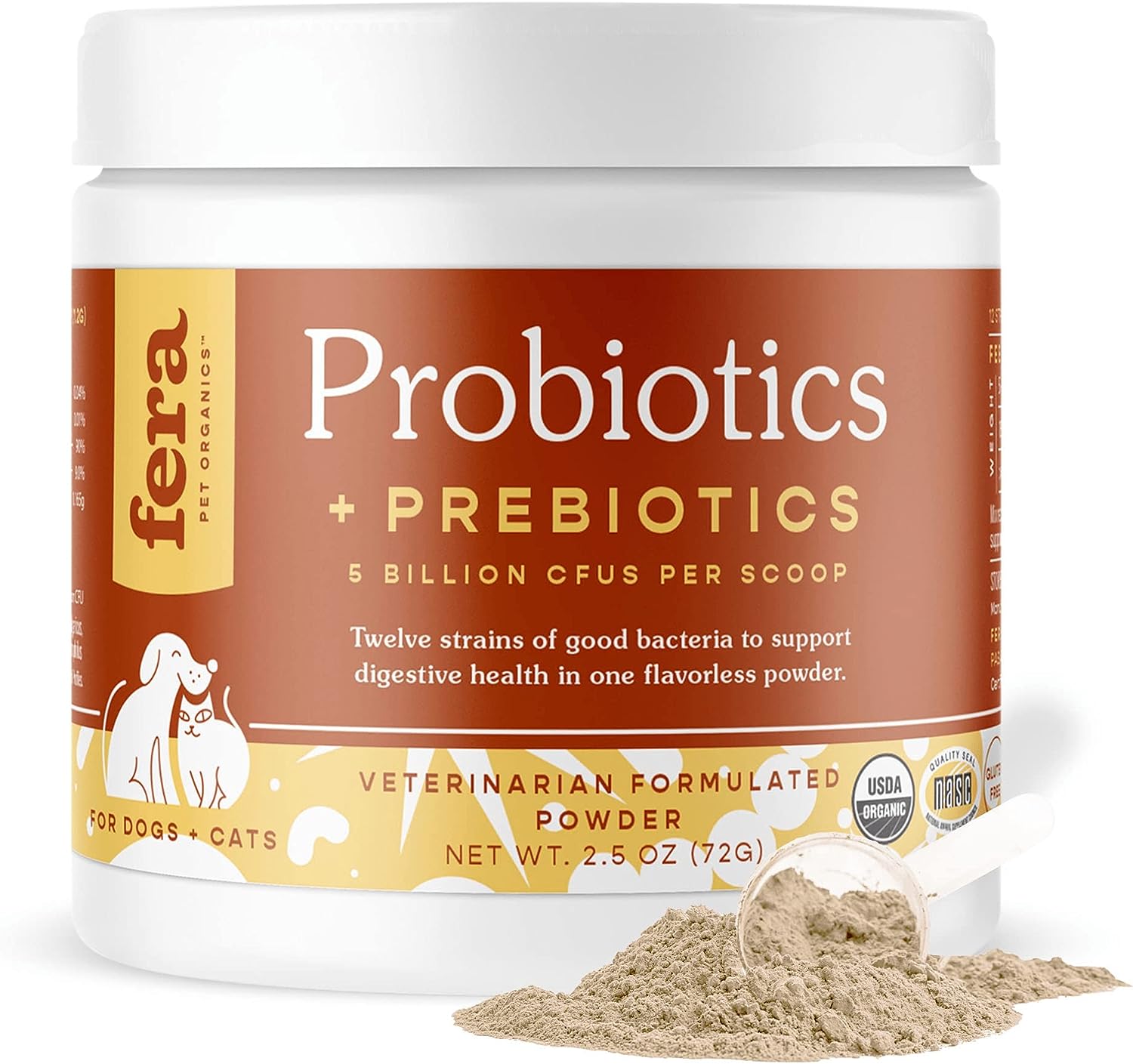
Managing a dog’s gut health with probiotics involves thoughtful selection and consistent application. The first crucial step is choosing a high-quality, dog-specific probiotic product. These products contain strains of beneficial bacteria and yeasts that are naturally found in the canine digestive tract, such as various species of Lactobacillus, Bifidobacterium, and Saccharomyces boulardii. It is important to look for products that specify a high Colony Forming Unit (CFU) count, indicating a robust number of live microorganisms. Probiotics are available in various forms, including powders, capsules, and chewable treats, allowing owners to choose the most convenient method for their dog.
Incorporating probiotics into a dogs daily routine typically involves mixing the recommended dose with their food. Consistency is key, as the benefits of probiotics are generally cumulative and require regular administration to maintain a healthy microbial balance. A gradual introduction, starting with a smaller dose, allows observation of tolerance and ensures the dog adjusts without any initial digestive upset.
Beyond direct supplementation, dietary support plays a fundamental role. Feeding a high-quality, balanced diet provides the essential nutrients for overall health and supports a healthy gut environment. Integrating sources of prebiotics, which are non-digestible fibers that act as food for beneficial gut bacteria, can further enhance the effectiveness of probiotics. Ingredients like chicory root, psyllium, and certain fruits and vegetables contain prebiotics. Ensuring constant access to fresh, clean water is also paramount for overall digestive health and proper bodily functions. A holistic approach that combines targeted probiotic use with a nourishing diet and appropriate hydration forms a strong foundation for a dogs gastrointestinal wellness.
When Professional Help May Be Needed
While probiotics can be a valuable tool in supporting canine gut health, it is important for owners to recognize when professional veterinary consultation becomes necessary. If a dog’s digestive issues, skin problems, or behavioral changes persist, worsen, or do not show improvement despite consistent probiotic use, a deeper underlying issue may be present that requires veterinary investigation. Probiotics are supplements designed to support health, not to diagnose or cure serious medical conditions.
Acute or severe symptoms always warrant immediate veterinary attention. This includes instances of bloody diarrhea, persistent and severe vomiting, extreme lethargy, sudden collapse, or any signs of dehydration. These could indicate serious conditions such as parvovirus, pancreatitis, severe parasitic infections, or organ failure, which require urgent medical intervention.
Before initiating any new supplement regimen, especially for dogs with pre-existing health conditions or those on medication, consulting a veterinarian is highly advisable. A professional can help determine the root cause of symptoms, ensure probiotics are appropriate for a specific dogs health profile, and rule out any serious illnesses. In some cases, a veterinarian might recommend specific probiotic strains or formulations tailored to address particular health concerns, such as those related to inflammatory bowel disease or chronic allergies, based on diagnostic testing and a comprehensive understanding of the dogs health history. This ensures that any interventions are safe, effective, and align with the dogs overall treatment plan.
Conclusion
The thoughtful integration of probiotics for my dog into a comprehensive wellness routine represents a proactive approach to canine health. A balanced gut microbiome is unequivocally linked to robust digestion, a strong immune system, healthy skin and coat, and even a balanced temperament. By understanding the factors that can disrupt this delicate internal ecosystem and recognizing the signs of imbalance, pet owners are better equipped to support their dog’s vitality. Selecting appropriate, dog-specific probiotic products and administering them consistently, alongside a high-quality diet and adequate hydration, lays a solid foundation for optimal gut health. However, vigilance remains paramount, and persistent or severe symptoms should always prompt professional veterinary consultation. Empowering oneself with knowledge about canine gut health and consistently applying these insights contributes significantly to a dogs enduring well-being, fostering a healthier, happier life for beloved companions on petsanimalsworld.com.
Pet Care & Wellness Overview Table
| Life Stage | Daily Activity Level | Key Nutrition / Care Focus |
|---|---|---|
| Puppy / Kitten | High (frequent short bursts) | High-protein growth diet & early socialization |
| Adult Companion | Moderate (30–60 mins daily) | Balanced maintenance nutrition & dental hygiene |
| Senior Pets | Low to Gentle (mindful walks) | Joint support (Glucosamine) & routine vet checks |
Images References