

Decoding the root causes behind pug dominance among male dogs
According to the American Kennel Club, understanding canine communication and social hierarchy is essential for resolving interpersonal conflicts within multi-pet households. Observing small companion animals often reveals surprising behavioral displays, particularly when two intact or mature males share a living space. Many guardians feel perplexed upon seeing a compact companion exhibit assertive postures typically associated with much larger guard breeds. In professional behavior practice, watching a small pug stiffen its posture, stand tall over another canine, or persistently mount a housemate highlights a complex mix of social signaling, excitement, and territorial posturing. Unpacking these interactions requires looking past physical size to examine the underlying motivations driving canine social structures.
💡 Pet Care Key Takeaways:
- Core Focus: Practical health, nutrition, and wellness guidelines for Pug Dominance Among Male Dogs.
- Target Scope: Pet owners, animal caregivers, and veterinary support staff.
- Best Recommendation: Maintain consistent daily routines and consult an accredited veterinarian before introducing major diet or medical changes.
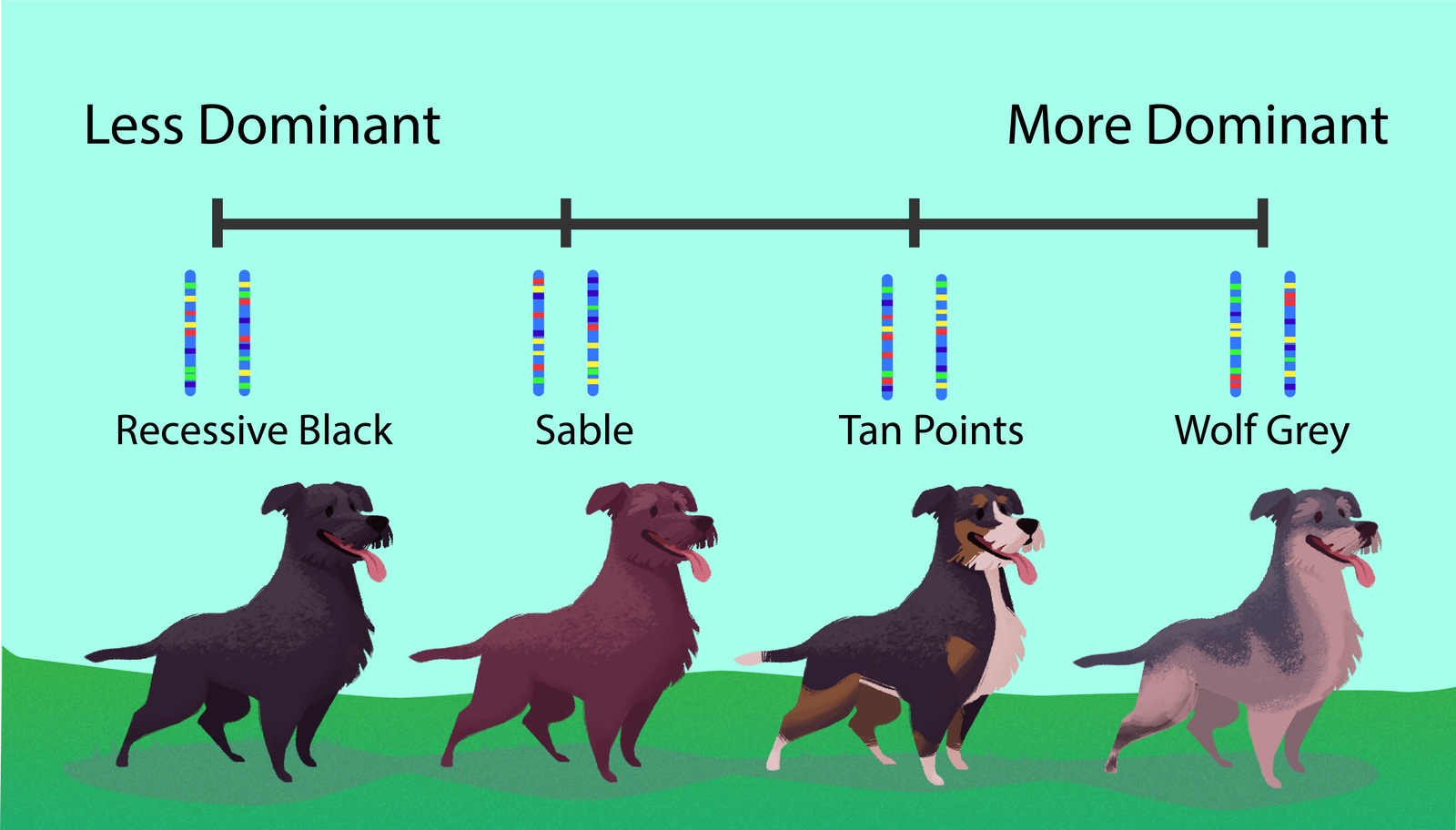
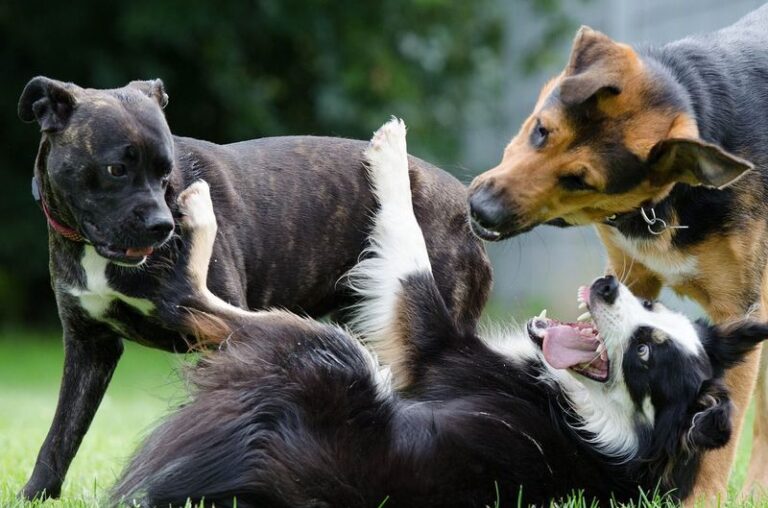
Dominance in domestic canines is not a fixed personality trait, but rather a dynamic relationship strategy focused on gaining access to valued resources such as food, resting spots, or human attention. When analyzing pug dominance among male dogs, certified behaviorists look closely at context-specific posturing rather than labeling an animal as inherently pushy. These small companion dogs, historically bred to sit on laps in imperial palaces, still possess rich communication toolkits that include direct eye contact, stiff-legged walking, and chin-resting over the shoulders of rivals. Such behaviors are rarely rooted in genuine aggression; instead, they often stem from over-arousal, anxiety, or an effort to establish predictable rules within the domestic pack. For more related activities, check out our Dog Velcro Behavior.
Assertive interactions among small male canines can lead to chronic household stress if underlying triggers remain unaddressed. Constant posturing often drains emotional energy, creating tension that disrupts peace for all household members. Furthermore, high-arousal moments—such as greeting family members at the door or mealtimes—frequently trigger competitive posturing in brachycephalic breeds, which are dogs characterized by shortened snouts and flat faces. Recognizing these environmental catalysts allows caregivers to modify the surroundings before minor posturing escalates into frantic scuffles.
Canine social behavior studies indicate that the majority of inter-dog conflicts in multi-pet homes arise from contested resources and high arousal rather than linear pack ranking — American Kennel Club
Managing male pug assertiveness requires positive reinforcement and environmental structure
Effective management of pug dominance among male dogs relies entirely on force-free, science-based intervention strategies rather than outdated alpha-rolling techniques. Punishing assertive behavior often increases anxiety, which intensifies the very posturing guardians wish to eliminate. Instead, redirecting attention toward incompatible behaviors—such as asking for a sit before receiving a treat—teaches emotional regulation and constructive communication. Establishing separate feeding stations and designated resting crates also removes daily friction points, ensuring every animal feels secure in its personal space.
Preventing escalation through calm leadership and consistent routines
Avoiding common training missteps is crucial when dealing with assertive small breeds. Caregivers frequently make the mistake of laughing at or encouraging pushy displays because the physical size of the animal makes the behavior seem comical rather than problematic. Consistency across all household members prevents confusion and reduces the need for the canine to constantly test social boundaries. Providing adequate mental stimulation through puzzle toys and scent games also channels high energy away from interpersonal posturing.
Behavioral consultations show that positive reinforcement protocols successfully reduce friction in over ninety percent of household social disputes when implemented consistently — International Association of Animal Behavior Consultants
Pet Care & Wellness Overview Table
| Life Stage | Daily Activity Level | Key Nutrition / Care Focus |
|---|---|---|
| Puppy / Kitten | High (frequent short bursts) | High-protein growth diet & early socialization |
| Adult Companion | Moderate (30–60 mins daily) | Balanced maintenance nutrition & dental hygiene |
| Senior Pets | Low to Gentle (mindful walks) | Joint support (Glucosamine) & routine vet checks |
Images References



Breed temperament, age, and health status heavily influence male dog interactions
Physical maturity plays a significant role in how male canines negotiate space and social standing. Adolescent dogs experience hormonal surges that frequently amplify posturing, while senior companions may become less tolerant of persistent approaches due to underlying joint discomfort or vision loss. When evaluating pug dominance among male dogs, veterinary professionals always screen for hidden medical conditions, as chronic pain frequently masquerades as behavioral irritability. Ensuring a complete physical checkup helps rule out discomfort before addressing purely social dynamics.
Consulting a certified professional or veterinarian ensures safe, tailored behavioral plans
Persistent posturing that escalates into snapping or severe distress warrants immediate guidance from a veterinary behaviorist or certified professional trainer. Safe intervention requires an objective assessment that only an experienced specialist can provide, especially when dealing with multi-dog households where safety is a primary concern. Professional guidance helps translate complex canine body language into actionable steps, protecting both human and animal well-being.
Fostering household harmony through informed canine care and positive guidance
Understanding the social motivations of companion animals transforms daily challenges into opportunities for deeper connection. By prioritizing positive reinforcement, environmental management, and regular veterinary checkups, guardians can cultivate a peaceful, balanced home. Explore more expert advice on Dog Behavior, learn about specific Dog Breeds, or discover essential tips on Dog Care to support your journey at PetsAnimalsWorld.com.




