

Understanding the vocalizations of a robust guardian dog during recreation requires looking beyond intimidating sounds.
According to the American Kennel Club, vocal communication is an entirely natural facet of canine interaction, yet specific breed tendencies often catch human observers off guard. When a powerful working dog unleashes a deep rumble during a game of tug-of-war, inexperienced guardians frequently mistake the sound for genuine menace. In professional behavioral practice, observing a massive canine initiate a play bow while emitting a low, vibrating growl is a common occurrence. This stark contrast between auditory perception and actual emotional state highlights a frequent misunderstanding among owners exploring Dog Behavior.
💡 Pet Care Key Takeaways:
- Core Focus: Practical health, nutrition, and wellness guidelines for Is Growling Normal When Rottwilers Are Happy And Play.
- Target Scope: Pet owners, animal caregivers, and veterinary support staff.
- Best Recommendation: Maintain consistent daily routines and consult an accredited veterinarian before introducing major diet or medical changes.
Play growling in this specific guarding breed is a completely normal form of enthusiastic communication driven by high arousal.
Vocalizations during recreation serve as a way for these powerful dogs to express excitement, investment in the game, and social engagement rather than hostility. Unlike a warning signal meant to create distance, play purrs and rumbles usually accompany loose, bouncy body language, such as relaxed jaws, wiggly hips, and bouncy strides. During hands-on training sessions with heavy-set breeds, professionals routinely witness energetic vocal bursts that sound alarming on recording equipment yet remain entirely benign in context. Interpreting canine intent requires observing the complete physical package—posture, ear set, and tail movement—rather than isolating a single acoustic output.
Suppressing natural vocalizations through harsh corrections can confuse a sensitive working dog, potentially eroding trust and creating genuine anxiety around human interaction. When guardians mistakenly scold an excited animal for making noise during fetch or wrestling, the animal learns that high arousal leads to unpredictable human displeasure. Over time, this dynamic damages the foundational bond necessary for proper Dog Training. Maintaining a balanced perspective ensures that safe outlets for physical energy remain available, supporting long-term emotional stability and proper Dog Care.
Play growling features higher pitch variability, shorter durations, and lower amplitude than defensive warning growls — American Kennel Club
Differentiating between friendly rumbles and genuine aggression relies on evaluating body stiffness, context, and postural shifts.
Recognizing the exact boundary where recreation transitions into tension involves watching for subtle physical cues like a rigid spine, direct staring, or a closed mouth. During play, a dog pauses frequently, allowing playmates a chance to reset, whereas a defensive animal maintains intense, unblinking focus. In multi-dog households, monitoring these shifts helps prevent misunderstandings before they escalate. Consulting resources dedicated to Dog Health and wellness further equips owners to read subtle physiological stress signals early.
Avoiding common missteps during active play ensures that interactions remain safe, positive, and stress-free for everyone involved.
One frequent error involves abruptly snatching toys away from a vocalizing dog, which can accidentally trigger a possessive defensive response. Instead, practicing calm trade games using high-value rewards teaches the animal that sharing is beneficial. When managing robust guarding animals, owners must prioritize patience and consistent positive reinforcement over intimidation tactics. Establishing clear boundaries without resorting to punitive measures protects the emotional well-being of strong-willed Dog Breeds.
Canine vocalizations during play are structurally distinct, showing rapid frequency modulations compared to the steady waveforms of true threat growls — Animal Behavior Science
Pet Care & Wellness Overview Table
| Life Stage | Daily Activity Level | Key Nutrition / Care Focus |
|---|---|---|
| Puppy / Kitten | High (frequent short bursts) | High-protein growth diet & early socialization |
| Adult Companion | Moderate (30–60 mins daily) | Balanced maintenance nutrition & dental hygiene |
| Senior Pets | Low to Gentle (mindful walks) | Joint support (Glucosamine) & routine vet checks |
Images References




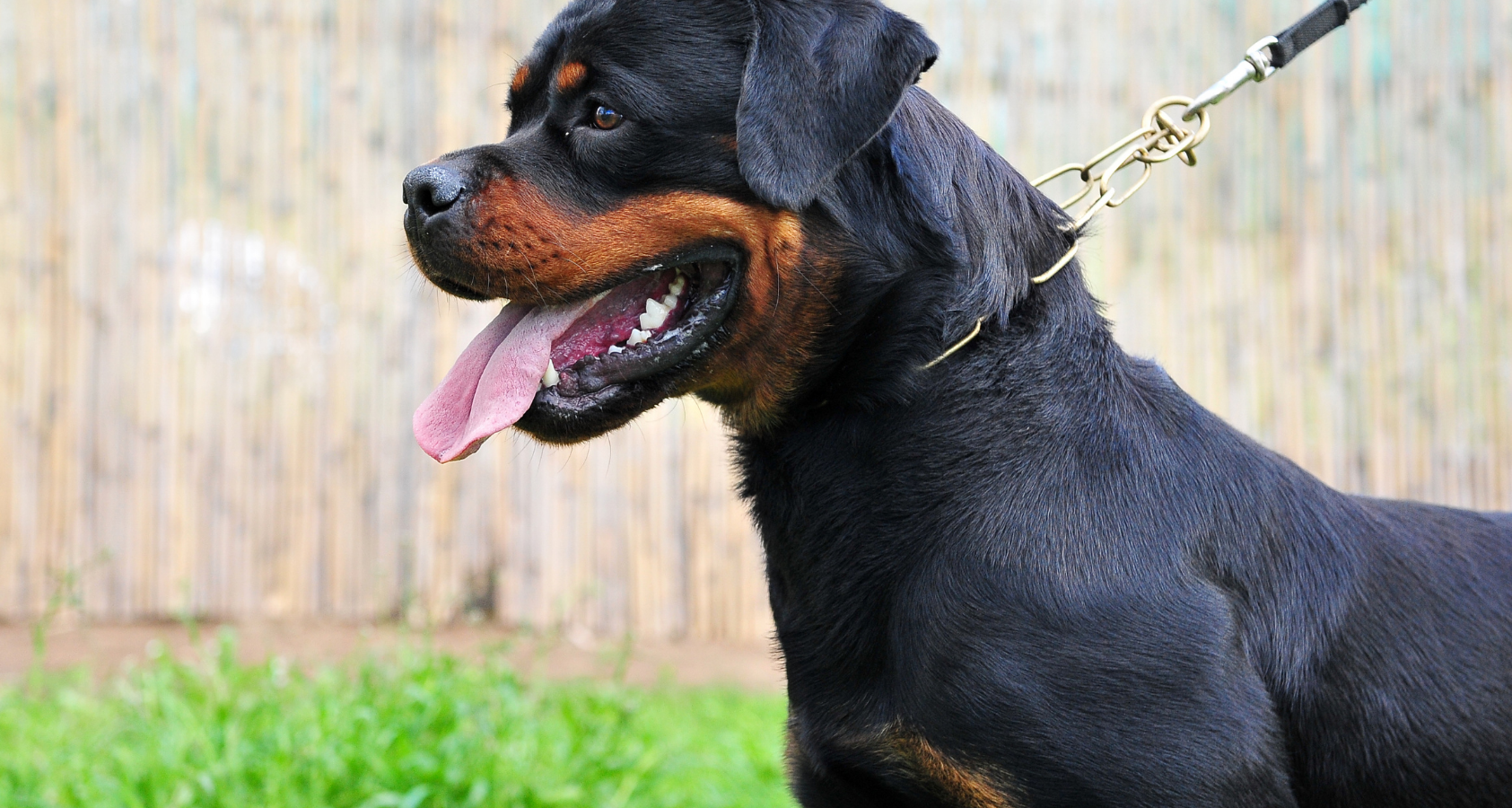
Breed-specific traits and individual temperament heavily influence how intensely these vocal guard dogs express themselves.
History as a formidable drover and estate protector means this breed possesses a naturally commanding vocal range designed to deter intruders. Even during joyous recreation, their sheer lung capacity produces vibrations that reverberate through the floorboards. Younger animals often test their vocal cords with exaggerated intensity, while mature adults tend to display more refined, quiet play styles. Recognizing these natural developmental milestones helps owners appreciate the unique personality of their canine companions.
Seeking guidance from a certified professional behaviorist becomes essential when vocalizations are accompanied by genuine stiffness or a history of resource guarding.
Any sudden shift in a dog’s play style, especially if accompanied by uncharacteristic stiffness, snapping, or guarding of items, warrants an immediate professional evaluation. Certified applied animal behaviorists or veterinary behaviorists possess the expertise to differentiate complex behavioral shifts from normal exuberance. Relying on force-free, science-based intervention methods ensures that any underlying anxieties are addressed safely and humanely. General guidance should never replace a personalized behavioral assessment conducted by a qualified expert.
Embracing the unique communication style of powerful canines builds a stronger relationship rooted in mutual understanding and trust.
By learning to decode the rich acoustic vocabulary of sturdy working dogs, owners can foster a secure, joyful environment for play and bonding. Exploring ongoing education across PetsAnimalsWorld.com provides valuable insights into every aspect of canine companionship. Understanding that a deep rumble often means pure joy allows humans and dogs to share harmonious, stress-free adventures together for years to come.




