

Introduction
Embarking on the journey of puppy ownership marks an exciting new chapter, but it also comes with significant responsibilities. “Puppy 101” encapsulates the essential foundational knowledge every new or prospective puppy owner requires to ensure their young canine companion thrives. This introductory guide covers the fundamental aspects of puppy care, health, behavior, and training that lay the groundwork for a happy, well-adjusted adult dog. Understanding these critical initial steps is paramount during a puppy’s formative months, as experiences and routines established early on profoundly impact their lifelong well-being, behavior, and overall quality of life. A proactive and informed approach during puppyhood helps prevent common issues, fosters a strong bond, and sets the stage for a harmonious life together.
💡 Pet Care Key Takeaways:
- Core Focus: Practical health, nutrition, and wellness guidelines for Puppy 101.
- Target Scope: Pet owners, animal caregivers, and veterinary support staff.
- Best Recommendation: Maintain consistent daily routines and consult an accredited veterinarian before introducing major diet or medical changes.
Common Causes and Key Factors
Successfully raising a puppy involves understanding several key factors and preparing for their arrival. The period of early development is a crucial time for puppies, as their brains are highly receptive to learning and their personalities are rapidly forming. For more related activities, check out our Iaabc Dog Behavior Welfare Enrichment Training Resources.
One primary factor is the puppy’s developmental stage. Puppies undergo rapid changes, from the critical socialization period (roughly 3-16 weeks) where positive exposure to various sights, sounds, people, and vaccinated dogs is vital, to fear periods where negative experiences can leave lasting impacts. Understanding these stages allows for appropriate intervention and exposure.
Environmental preparation is another crucial element. Before a puppy’s arrival, the living space must be thoroughly puppy-proofed to remove hazards such as toxic plants, exposed electrical cords, small objects that can be swallowed, and accessible household chemicals. Establishing a designated, safe space, such as a crate or playpen, provides security and aids in house training.
Breed-specific traits also play a significant role. Different breeds have varying energy levels, grooming needs, genetic predispositions to certain health issues, and temperaments. Researching a specific breed or understanding the potential traits of a mixed-breed puppy helps owners anticipate needs and tailor their approach to care and training.
Finally, early nutrition is foundational. Providing a high-quality, nutritionally complete puppy food appropriate for their age and expected adult size is critical for proper growth and development. Consistent feeding schedules also contribute to digestive health and aid in house training.
Signs and Symptoms to Observe
Observing a puppy’s behavior and physical condition is essential for early detection of potential health or behavioral concerns. Normal puppy behavior often includes bursts of high energy (often referred to as “zoomies”), frequent napping, play biting, and inquisitive exploration of their surroundings. Puppies typically exhibit a healthy appetite, drink water regularly, and have consistent bowel movements and urination patterns. Their coats should appear shiny, their eyes bright, and their noses moist (though not necessarily wet).
Variations in these signs can indicate underlying issues. For instance, changes in appetite or thirst, such as refusal to eat for more than 24 hours or excessive drinking, warrant attention. Digestive upset, including persistent vomiting or diarrhea, is particularly concerning in young puppies due to the risk of dehydration. Lethargy, a noticeable decrease in energy or prolonged periods of sleep beyond typical puppy napping, can signal illness.
Behavioral indicators also provide clues. Excessive whining, panting, or destructive chewing when left alone might suggest separation anxiety. Persistent growling, snapping, or fearfulness towards people or other animals, especially outside of normal fear periods, could indicate behavioral problems requiring early intervention. Lameness, difficulty moving, or signs of pain (e.g., yelping when touched) are physical symptoms that require immediate veterinary assessment. Any discharge from the eyes or nose, persistent coughing, or skin irritations are also signs that should not be ignored.
Practical Solutions and Management Strategies
Effective puppy management revolves around consistency, positive reinforcement, and a proactive approach to their needs.
Nutrition and Feeding: Establish a regular feeding schedule using a high-quality puppy-specific food. Follow the guidelines on the food packaging, adjusting portions based on the puppy’s age, weight, and activity level. Provide constant access to fresh water. Avoid feeding human food scraps, which can upset a puppy’s sensitive digestive system or be toxic.
House Training: Implement a strict potty schedule. Take the puppy out frequently: first thing in the morning, last thing at night, after waking from naps, after playing, and after eating. Praise and reward immediately upon successful elimination outside. Crate training can be highly effective as puppies are naturally reluctant to soil their sleeping areas. Clean accidents indoors thoroughly with an enzymatic cleaner to eliminate odors that attract the puppy back to the same spot.
Socialization: During the crucial socialization window, expose the puppy to a wide variety of positive experiences. This includes different people (adults, children), vaccinated dogs, various sounds (vacuum cleaner, doorbell), textures, and environments, all while ensuring safety and positive associations. Puppy classes offer a controlled environment for socialization and basic training.
Basic Training: Begin with simple commands such as “sit,” “stay,” “come,” and “leave it” using positive reinforcement methods like treats, praise, and play. Keep training sessions short, fun, and frequent. Consistency across all members of the household is key to success. Leash training should start early, gradually introducing the collar and leash in short, positive sessions.
Health and Grooming: Schedule initial veterinary visits for vaccinations, deworming, and a general health check. Discuss flea, tick, and heartworm prevention with the veterinarian. Introduce basic grooming routines early, such as gentle brushing, nail trimming, and teeth brushing, to help the puppy become accustomed to these practices.
Chewing and Enrichment: Provide a variety of appropriate chew toys to redirect natural chewing instincts away from household items. Puzzle toys and interactive feeders can offer mental stimulation and prevent boredom, which often leads to destructive behaviors.
When Professional Help May Be Needed
While many puppy challenges can be managed with consistent effort and practical strategies, certain situations warrant professional intervention. Recognizing these instances is crucial for a puppy’s health and behavioral development.
For Health Concerns: A veterinary consultation is imperative if a puppy exhibits persistent symptoms such as severe or prolonged vomiting or diarrhea, loss of appetite, extreme lethargy, sudden lameness, difficulty breathing, excessive coughing or sneezing, or any signs of pain or distress. Unexplained weight loss or a failure to thrive also requires immediate veterinary attention. These signs can indicate serious underlying health issues that may progress rapidly in young animals.
For Behavioral Challenges: Professional guidance from a certified dog trainer or a veterinary behaviorist may be necessary for significant behavioral issues. This includes unmanageable aggression (growling, snapping, biting), extreme fear or phobias, severe separation anxiety (excessive destruction or self-harm when alone), chronic house-training failures despite consistent efforts, or destructive behaviors that pose a risk to the puppy or household. While initial puppy classes can address basic training, specialized expertise is often required for complex or deeply ingrained behavioral patterns. Early intervention can prevent these issues from becoming more entrenched and difficult to modify in adulthood.
Seeking professional help demonstrates responsible pet ownership and can significantly improve the puppy’s chances of developing into a well-adjusted and happy adult dog.
Conclusion
Navigating the world of “puppy 101” is an enriching experience that forms the foundation of a lifelong bond with a canine companion. Success in raising a well-adjusted puppy hinges on proactive preparation, consistent observation, and the diligent application of positive care and training strategies. From understanding developmental stages and providing appropriate nutrition to implementing effective house training and socialization protocols, each step contributes to a puppy’s physical health, mental well-being, and behavioral aptitude. Remaining vigilant for signs of distress or illness and knowing when to seek professional veterinary or behavioral support are critical aspects of responsible ownership. With patience, dedication, and a commitment to their needs, owners can guide their puppies through this formative period, fostering a confident, happy, and loyal member of the family for years to come.
Pet Care & Wellness Overview Table
| Life Stage | Daily Activity Level | Key Nutrition / Care Focus |
|---|---|---|
| Puppy / Kitten | High (frequent short bursts) | High-protein growth diet & early socialization |
| Adult Companion | Moderate (30–60 mins daily) | Balanced maintenance nutrition & dental hygiene |
| Senior Pets | Low to Gentle (mindful walks) | Joint support (Glucosamine) & routine vet checks |
Images References

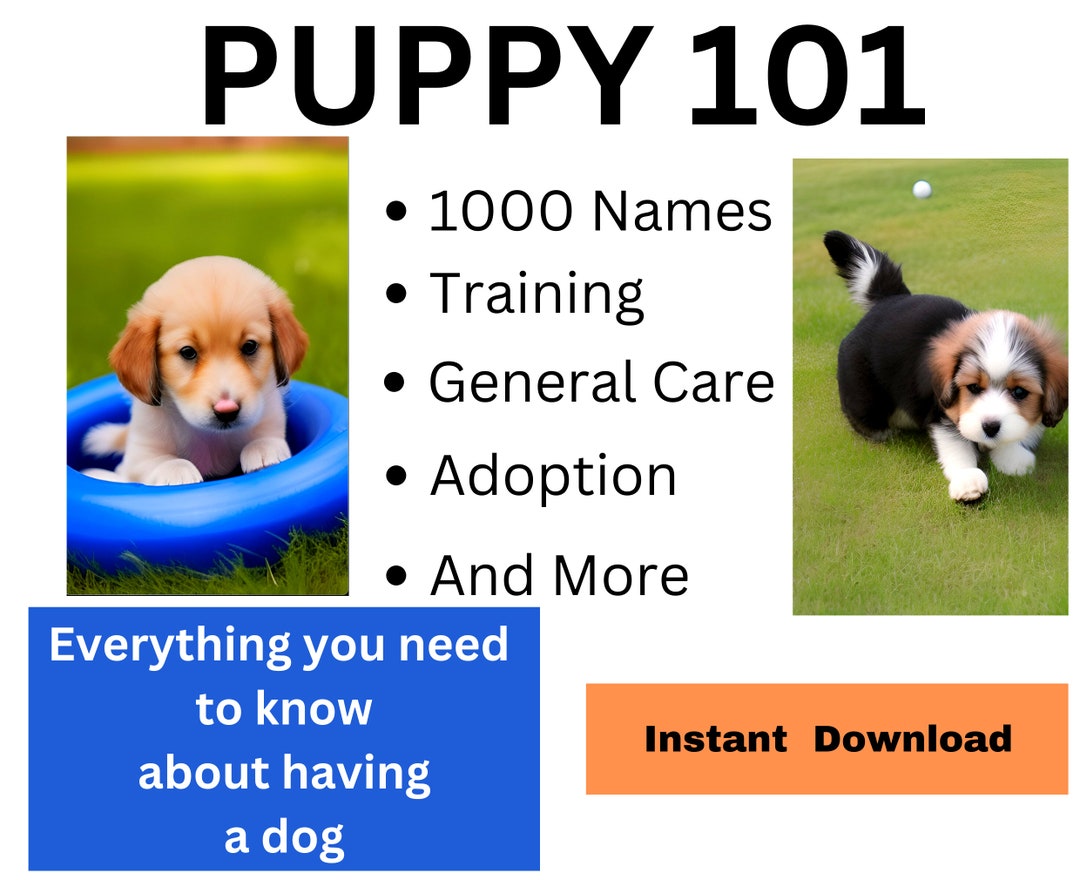





For more expert pet care tips and advice, check out our dedicated Dog Training guides to keep your companions healthy and happy.




