

Introduction
The phenomenon of a puppy biting at 6 months often presents a unique set of challenges and questions for dog owners. While playful nipping is a natural part of puppy development, particularly during earlier teething stages, its persistence or escalation at six months warrants careful attention. This period marks a significant transitional phase in a dog’s life, moving from early puppyhood into adolescence. Understanding the nuances of why a puppy might still be biting at this age is crucial for fostering appropriate behavior and preventing the development of undesirable habits. Addressing this behavior effectively can significantly improve a dogs well-being, reinforce positive interactions, and ultimately strengthen the bond between a dog and its family.
💡 Pet Care Key Takeaways:
- Core Focus: Practical health, nutrition, and wellness guidelines for Puppy Biting At 6 Months.
- Target Scope: Pet owners, animal caregivers, and veterinary support staff.
- Best Recommendation: Maintain consistent daily routines and consult an accredited veterinarian before introducing major diet or medical changes.
Common Causes and Key Factors
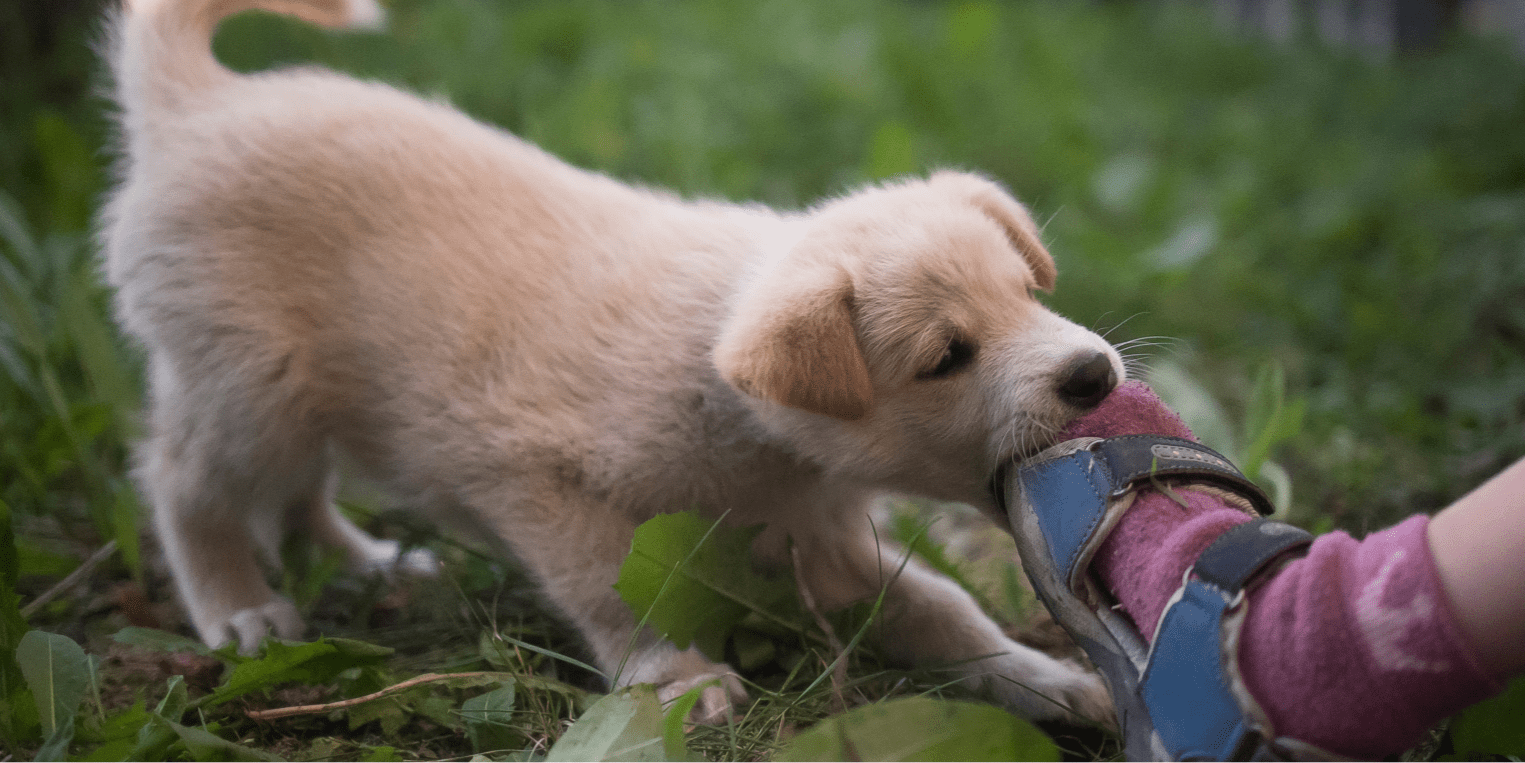
Several interconnected factors can contribute to a puppy biting at 6 months. One primary cause often misunderstood is continued oral exploration and residual discomfort. Although primary teething typically concludes around this age, the adult teeth are still settling, and gums can remain sensitive. This prompts a natural instinct to chew and mouth objects, including human hands or clothing, to relieve mild discomfort or simply to explore the environment. For more related activities, check out our How Do You Correct A Dog’S Behavior.
A lack of developed bite inhibition is another significant factor. Puppies learn the strength of their bite through interactions with littermates and their mother. If this crucial lesson was not fully ingrained during earlier weeks, or if consistent training has been absent, a puppy may not understand that human skin is sensitive. Furthermore, high energy levels and insufficient mental or physical stimulation can lead to frustration or boredom, which a puppy might express through nipping and biting.
Attention-seeking behavior can also play a role. Puppies quickly learn what actions elicit a response from their owners. If biting results in attention, even negative attention such as a reprimand, the behavior can inadvertently be reinforced. Over-stimulation or fatigue can also trigger excessive mouthing. An overtired or over-excited puppy, much like a human child, may become unruly and resort to biting as a way to cope with their heightened state. Finally, some breeds, particularly those with strong herding or hunting instincts, may naturally be more prone to mouthiness, requiring diligent and consistent guidance to redirect this natural inclination.
Signs and Symptoms to Observe
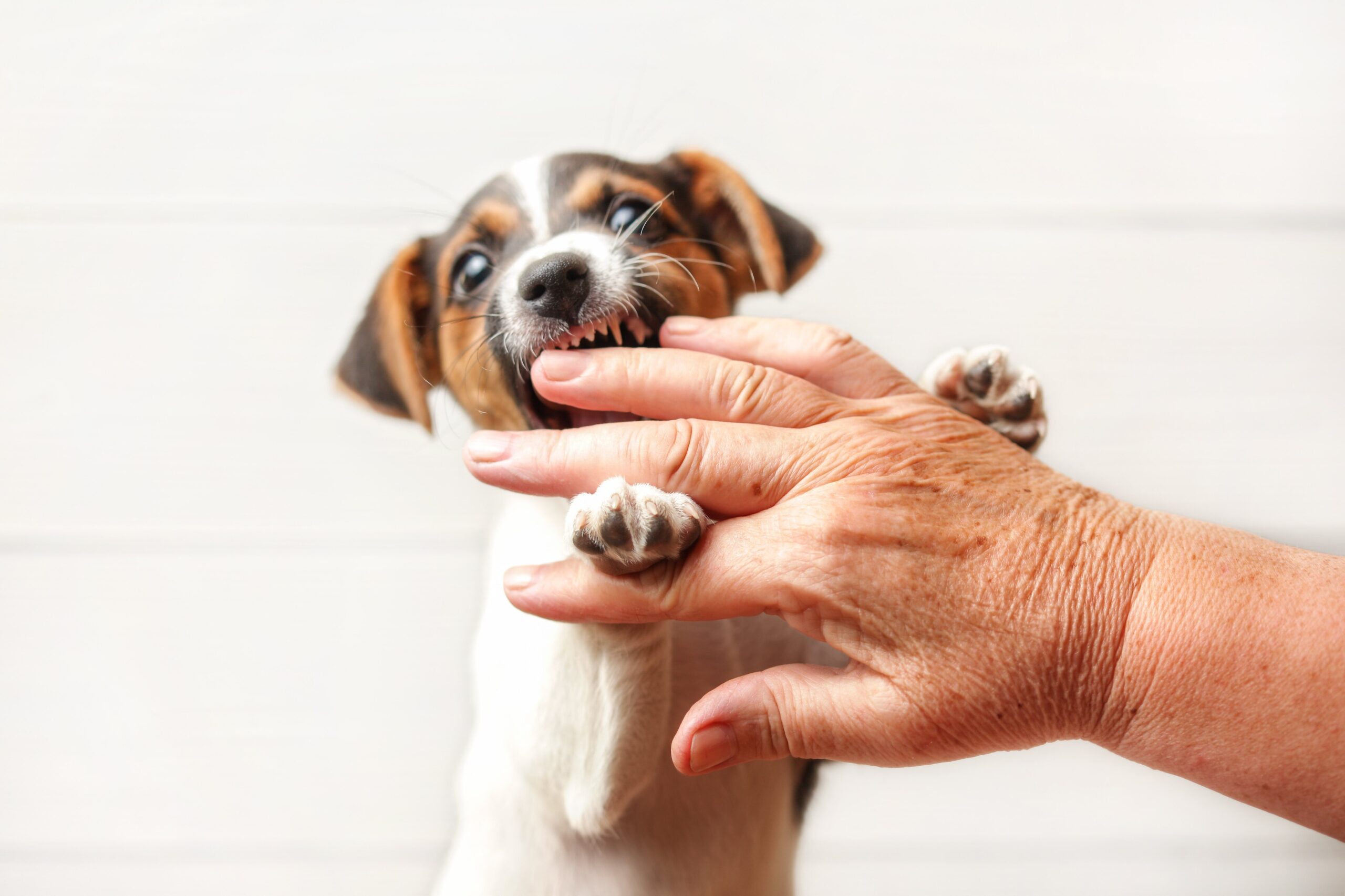
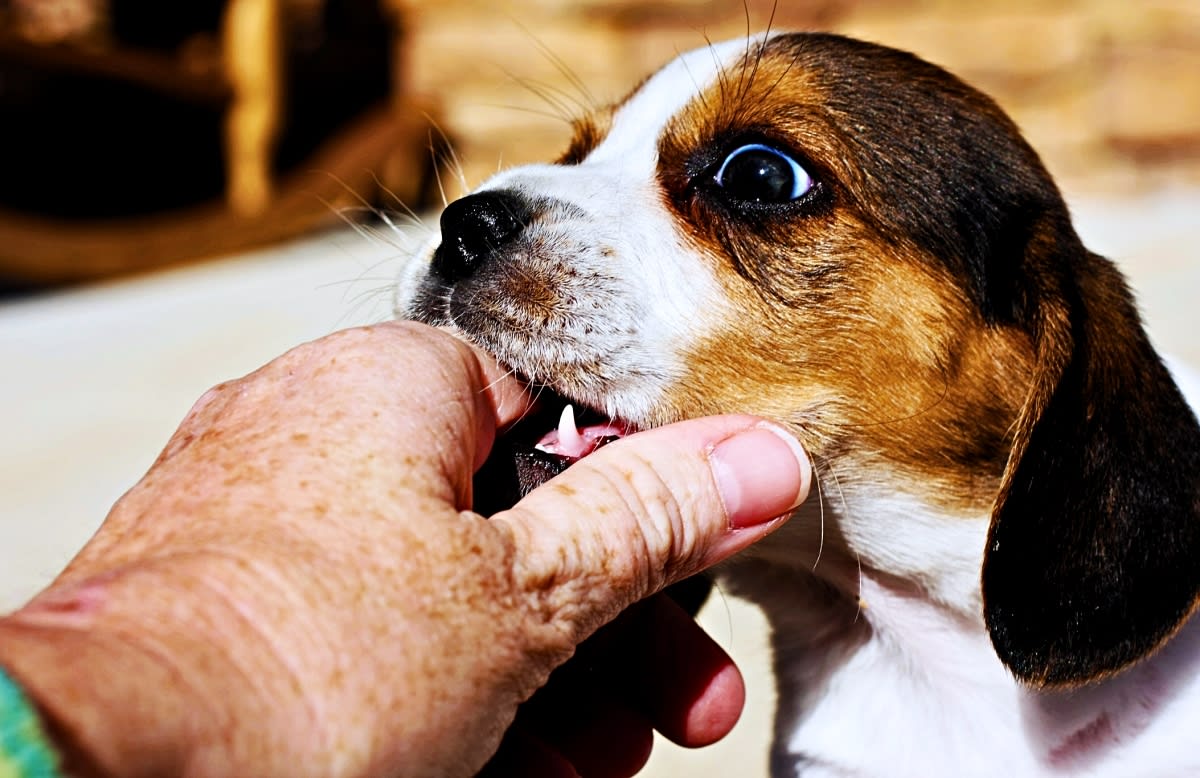
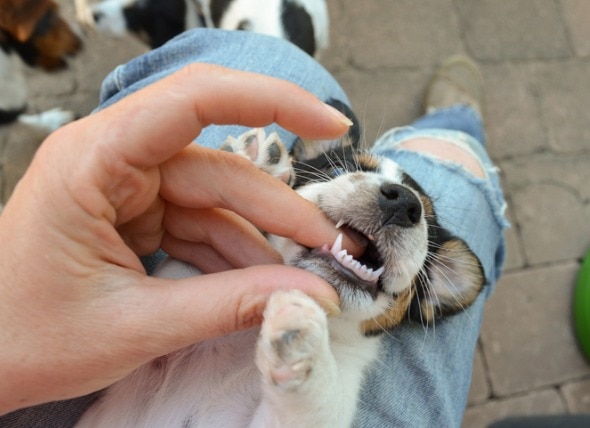
Observing the specific characteristics of a puppy’s biting behavior at 6 months provides valuable insight into its underlying causes and potential solutions. The intensity of the bite is a critical indicator; it ranges from gentle mouthing that does not break the skin to harder nips that can cause pain or injury. Owners should note if the biting is consistently painful or if it shows signs of escalation in force.
The frequency and context of the biting are equally important. Is the puppy biting primarily during excited play, when seeking attention, when frustrated, or when being handled in a particular way? Identifying patterns can pinpoint triggers. For example, biting that occurs only during vigorous play might indicate an issue with over-arousal or a need for better bite inhibition training, whereas biting when ignored could signal attention-seeking.
The puppy’s body language preceding and during a biting episode offers further clues. Playful nipping often accompanies a loose body, a “play bow,” and a relaxed facial expression. Conversely, biting associated with stiff body language, a direct stare, growling, or backing away could suggest fear, anxiety, or more serious behavioral concerns that require different intervention strategies. Observing the target of the bitingwhether hands, ankles, clothing, or furniturealso helps in understanding the motivation behind the behavior.
Practical Solutions and Management Strategies
Managing puppy biting at 6 months requires a consistent, patient, and multi-faceted approach. Continued emphasis on bite inhibition training is paramount. When a puppy bites too hard, a clear, high-pitched “ouch!” followed by an immediate cessation of interaction (a “reverse time-out”) teaches the puppy that hard bites end the fun. Resuming interaction only when the puppy is calm reinforces the desired behavior.
Redirection is another highly effective strategy. Always keep appropriate chew toys readily available. When a puppy attempts to mouth hands or clothing, immediately offer a suitable toy and praise the puppy for engaging with it. This teaches the puppy what is acceptable to bite. Structured play sessions using toys, rather than hands, are essential for channeling a puppy’s energy and instincts appropriately. Commands such as “leave it” and “drop it” should be regularly practiced to help manage mouthy behaviors.
Environmental enrichment is crucial for preventing boredom and frustration. Provide a variety of safe chew items, puzzle toys, and regular opportunities for physical exercise and mental stimulation through walks, training sessions, and interactive games. Consistent training sessions that focus on polite greetings and impulse control can also mitigate biting tendencies. It is also important to recognize and manage over-stimulation or fatigue; ensuring the puppy has adequate downtime in a quiet space can prevent over-arousal that often leads to nipping.
When Professional Help May Be Needed
While many cases of puppy biting at 6 months can be successfully managed through consistent home training, certain circumstances warrant professional intervention. Owners should consider seeking expert guidance if the intensity or frequency of the biting is escalating despite diligent efforts, or if the bites consistently break the skin or cause injury. These could be signs that the issue is more profound than typical developmental mouthing.
The presence of aggressive displays alongside biting, such as growling, snarling, resource guarding, or an unwillingness to disengage, indicates a need for immediate professional assessment. Similarly, if the biting appears to be rooted in fear, anxiety, or reactivity, a qualified professional can help address the underlying emotional state. When owners feel overwhelmed, frustrated, or are making no significant progress, seeking external support is a responsible and beneficial step.
A consultation with a veterinarian is always recommended to rule out any underlying medical conditions or pain that might be contributing to the biting behavior. If no medical cause is found, a certified professional dog trainer or a canine behaviorist can provide tailored strategies, hands-on guidance, and support specific to the puppy’s individual needs and the household environment.
Conclusion
Puppy biting at 6 months represents a common developmental stage that, while natural, requires careful attention and consistent management. Understanding the potential causes, from continued oral exploration and lack of bite inhibition to boredom or over-stimulation, empowers owners to address the behavior effectively. Through diligent observation of bite intensity, frequency, and context, appropriate strategies can be implemented. These include consistent bite inhibition training, strategic redirection with appropriate chew toys, structured play, and providing ample mental and physical enrichment. Early intervention and a commitment to positive reinforcement are vital. Recognizing when the behavior warrants professional guidance from a veterinarian or certified dog trainer ensures that more complex issues are addressed proactively. With patience, understanding, and consistent effort, a puppy’s biting tendencies can be transformed into gentle interactions, fostering a well-adjusted companion and strengthening the cherished bond with its human family.
Pet Care & Wellness Overview Table
| Life Stage | Daily Activity Level | Key Nutrition / Care Focus |
|---|---|---|
| Puppy / Kitten | High (frequent short bursts) | High-protein growth diet & early socialization |
| Adult Companion | Moderate (30–60 mins daily) | Balanced maintenance nutrition & dental hygiene |
| Senior Pets | Low to Gentle (mindful walks) | Joint support (Glucosamine) & routine vet checks |
Images References




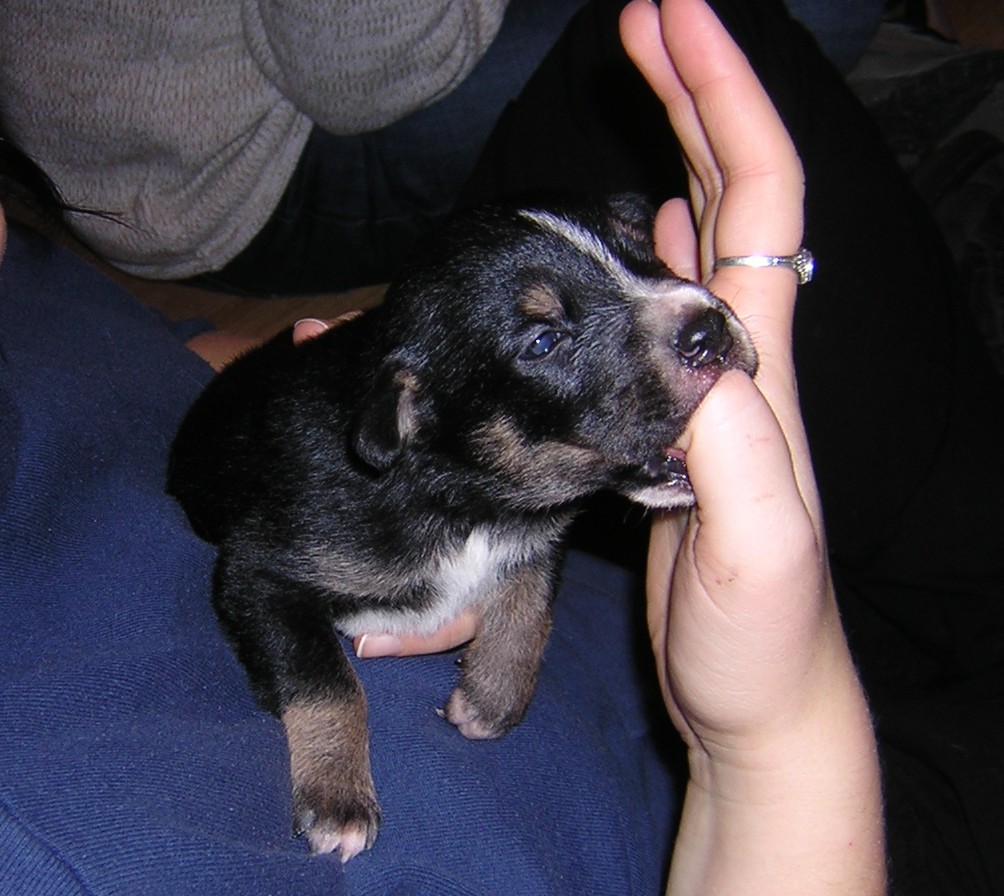
For more expert pet care tips and advice, check out our dedicated Dog Behavior guides to keep your companions healthy and happy.




