
Introduction
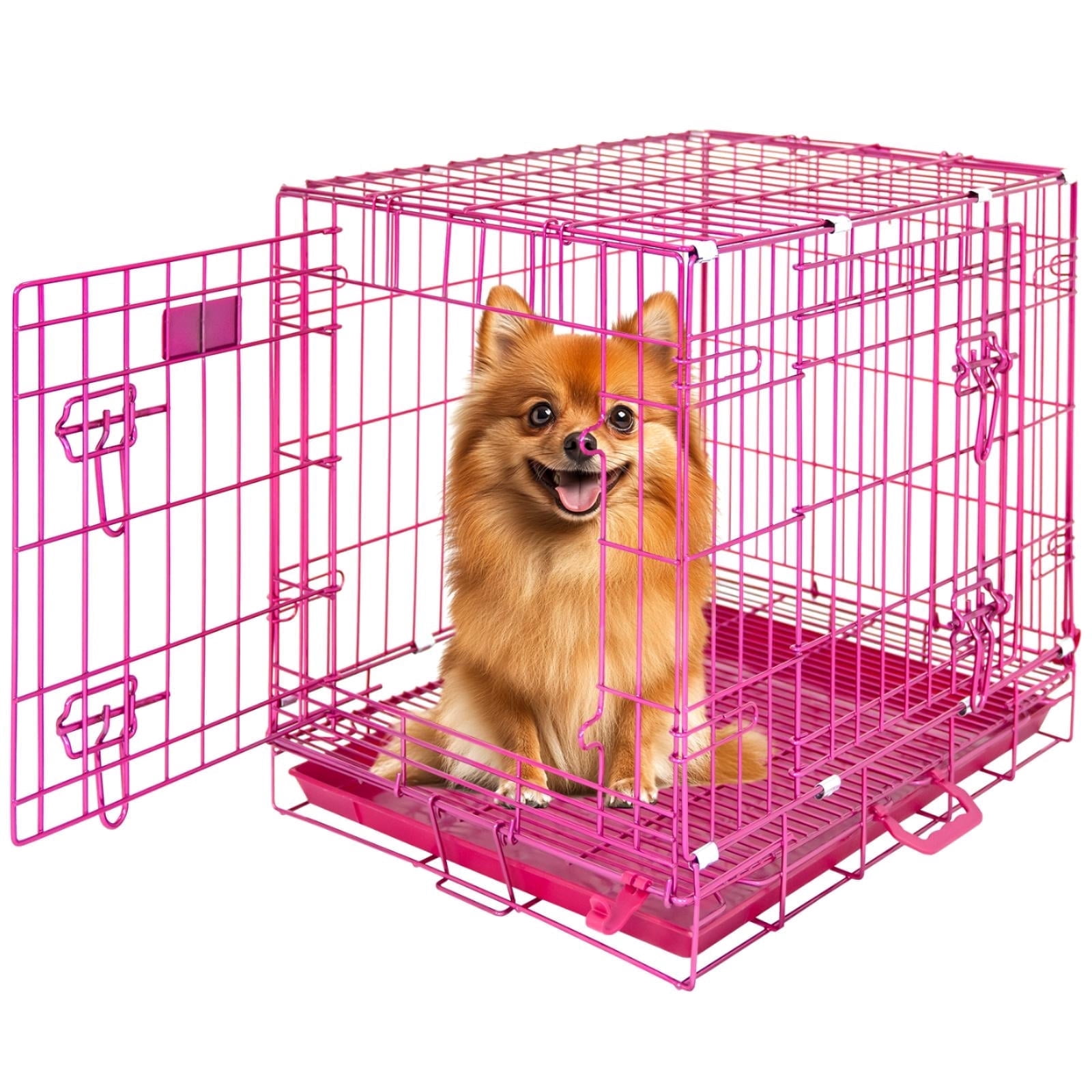
The term “puppy cage” refers to a structured enclosure, often made of wire, plastic, or fabric, designed to provide a safe, secure, and private space for a young dog. Far from being a mere containment device, a puppy cage, often interchangeably called a dog crate or pen, serves as a powerful tool in a puppy’s development and integration into a household. Its importance extends beyond simple management, playing a crucial role in house-training, preventing destructive behaviors, and establishing a sense of security for the canine. Understanding the correct implementation and purpose of a puppy cage can significantly enhance a dogs well-being, contribute to positive behavior patterns, and improve the overall quality of life for both the puppy and its human companions. This article will explore the multifaceted benefits and proper usage of a puppy cage, ensuring it becomes a positive sanctuary rather than a source of distress.
💡 Pet Care Key Takeaways:
- Core Focus: Practical health, nutrition, and wellness guidelines for Puppy Cage.
- Target Scope: Pet owners, animal caregivers, and veterinary support staff.
- Best Recommendation: Maintain consistent daily routines and consult an accredited veterinarian before introducing major diet or medical changes.
Common Causes and Key Factors
The effectiveness and acceptance of a puppy cage are influenced by several key factors and are rooted in fundamental canine behaviors. A primary reason for its utility stems from the innate “den instinct” common in dogs. Canines, descending from den-dwelling ancestors, naturally seek out small, enclosed spaces where they feel safe and protected. A properly introduced puppy cage can fulfill this instinct, becoming a private haven where a puppy can rest undisturbed. For more related activities, check out our Iaabc Dog Behavior Welfare Enrichment Training Resources.
Another critical factor is safety. Unsupervised puppies can inadvertently cause harm to themselves by chewing on electrical cords, ingesting hazardous items, or falling from elevated surfaces. A puppy cage provides a controlled environment, ensuring the puppy’s safety when direct supervision is not possible.
House-training is profoundly impacted by cage usage. Puppies inherently resist soiling their sleeping area, making a appropriately sized cage an invaluable aid in teaching bladder and bowel control. When the cage is correctly proportionedlarge enough to stand, turn around, and lie down comfortably, but not so spacious as to allow for a separate elimination areait encourages the puppy to hold its waste until released for a potty break.
Behavior management is also a significant aspect. A well-introduced cage can help mitigate issues such as destructive chewing, excessive barking, and anxiety-related behaviors by providing a predictable and secure environment. The method of introduction is paramount; negative initial experiences, such as forcing a puppy into the cage or using it for punishment, can lead to fear and resistance, undermining all potential benefits. Conversely, a gradual, positive introduction fosters acceptance and transforms the cage into a beloved personal space.
Signs and Symptoms to Observe
While a puppy cage is intended as a positive tool, certain signs can indicate that a puppy is not acclimating well or that the cage is being used improperly. Observing these behaviors is crucial for addressing potential issues proactively.
One common indicator of distress is reluctance or resistance to enter the cage. This might manifest as whining, barking, pulling away, or physically resisting placement inside. Once inside, persistent excessive vocalization, such as prolonged barking, howling, or crying, signals discomfort or anxiety. These vocalizations may last for extended periods, beyond the initial moments of settling in.
Destructive behavior while caged also points to an issue. Puppies might attempt to chew on the bars, scratch at the door, or try to break out, potentially causing injury to themselves. Elimination accidents inside the cage are another significant sign. This can mean the cage is too large, the puppy has been left for too long, or it is experiencing extreme stress or an underlying medical condition.
Other signs include anxiety signals such as excessive panting, drooling, trembling, frantic pacing, or hyper-vigilance when confined. A puppy might also exhibit lethargy or depression both inside and immediately after being released from the cage, indicating a negative association. These observations require careful attention and prompt adjustment to the caging routine.
Practical Solutions and Management Strategies
Implementing effective strategies is essential to ensure a puppy cage becomes a positive and beneficial resource. The foundation of successful cage training lies in creating a positive association and ensuring the cage meets the puppy’s needs.
Begin with a positive introduction. Place treats, toys, or a favorite blanket inside the cage, allowing the puppy to explore at its own pace. Initially, leave the door open, encouraging voluntary entry. Feed meals inside the cage to further establish a positive connection. Never use the cage as a form of punishment; it must always remain a safe sanctuary.
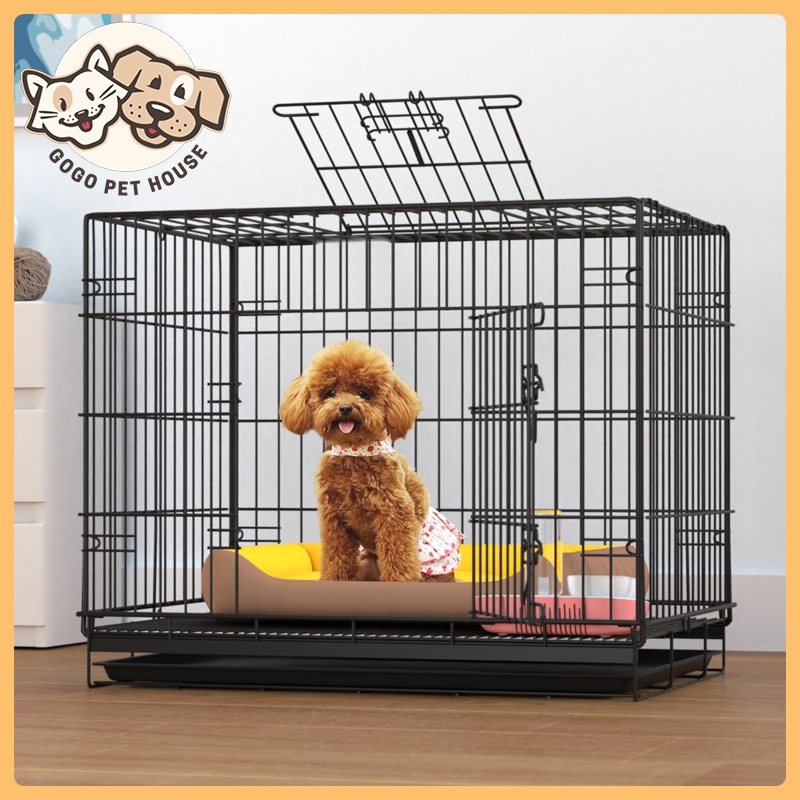
Appropriate sizing is crucial. The cage should be just large enough for the puppy to stand up, turn around, and lie down comfortably. If it is too large, the puppy may use one end as a potty area, hindering house-training. Many cages come with dividers that can be adjusted as the puppy grows. Ensure the cage is made comfortable with soft bedding and accessible water.
Gradual acclimation is key. Start with short periods of confinement, perhaps 5-10 minutes, gradually increasing the duration as the puppy becomes more comfortable. Stay nearby initially, then progressively extend periods of absence. Always release the puppy calmly, never immediately after it whines or barks, to avoid reinforcing those behaviors.
Before placing a puppy in its cage, ensure it has had ample opportunity to exercise and relieve itself. A tired puppy is more likely to settle down and rest. Establish a consistent routine for potty breaks, especially after waking, eating, and playing. The cage should be placed in a common area of the home, allowing the puppy to feel part of the family without being subjected to constant commotion. Regularly inspect the cage for any sharp edges or potential hazards.
When Professional Help May Be Needed
While most puppies can adapt to a cage with consistent, positive training, certain circumstances may warrant professional intervention. Recognizing these situations ensures a puppy receives the specialized support it might require.
If a puppy exhibits severe and persistent anxiety despite diligent efforts with positive introduction and gradual acclimation, professional help may be necessary. Signs include frantic escape attempts that lead to self-injury, excessive drooling, relentless vocalization, or persistent panting and trembling for extended periods when confined. These behaviors suggest a deeper anxiety issue that might be beyond standard training protocols.
Unresolved house-training issues within the cage, such as consistent urination or defecation despite appropriate cage sizing, frequent potty breaks, and a clean environment, could also indicate a problem. This might be a behavioral issue, or in some cases, an underlying medical condition requiring veterinary attention.
Any signs of aggression displayed towards family members when approaching the cage or attempting to place the puppy inside are serious and require immediate professional evaluation. This could signal fear-based aggression or resource guarding behaviors developing around the cage.
When owners have consistently applied all recommended management strategies, but the problems persist or escalate, consulting a certified professional dog trainer or a veterinary behaviorist is advisable. These specialists can assess the individual puppy’s temperament, identify specific triggers, and develop a tailored behavior modification plan. A veterinary consultation is also crucial to rule out any medical reasons for cage aversion or house-training difficulties.
Conclusion
A puppy cage, when introduced and utilized correctly, is an invaluable asset for any dog owner, offering multifaceted benefits for a puppy’s development and well-being. It serves as a safe haven, fulfilling a dog’s natural den instinct, while simultaneously proving to be an indispensable tool for house-training and preventing destructive behaviors. The journey to successful cage training hinges on positive association, ensuring the cage is appropriately sized and comfortable, and employing a patient, gradual acclimation process. Owners must remain vigilant, observing for any signs of distress, and adjust their approach accordingly. Consistency and understanding are paramount in transforming the cage into a beloved personal space rather than a place of fear. In cases where challenges persist despite best efforts, seeking guidance from qualified professionals ensures the puppy receives the specialized support it needs. Ultimately, a well-utilized puppy cage contributes significantly to a happy, well-adjusted canine companion and fosters a harmonious living environment for all.
Pet Care & Wellness Overview Table
| Life Stage | Daily Activity Level | Key Nutrition / Care Focus |
|---|---|---|
| Puppy / Kitten | High (frequent short bursts) | High-protein growth diet & early socialization |
| Adult Companion | Moderate (30–60 mins daily) | Balanced maintenance nutrition & dental hygiene |
| Senior Pets | Low to Gentle (mindful walks) | Joint support (Glucosamine) & routine vet checks |
Images References




For more expert pet care tips and advice, check out our dedicated Dog Training guides to keep your companions healthy and happy.




