

Introduction
The act of puppy chewing toys is a fundamental aspect of canine development, representing far more than mere play. For young dogs, chewing is an instinctive and essential behavior that plays a crucial role in their physical and mental well-being. This activity is particularly prominent during the critical teething phase, typically between three and six months of age, but it extends throughout a puppy’s early life as a means of exploration, stress relief, and mental stimulation. Understanding the motivations behind this behavior allows dog owners to guide it constructively, ensuring puppies chew appropriate items rather than valuable household possessions. A proactive approach to managing puppy chewing not only prevents potential damage but also supports healthy dental development, reinforces positive habits, and contributes significantly to a dogs overall quality of life and harmonious integration into a family environment.
💡 Pet Care Key Takeaways:
- Core Focus: Practical health, nutrition, and wellness guidelines for Puppy Chewing Toys.
- Target Scope: Pet owners, animal caregivers, and veterinary support staff.
- Best Recommendation: Maintain consistent daily routines and consult an accredited veterinarian before introducing major diet or medical changes.
Common Causes and Key Factors
Several factors contribute to the prevalence and importance of chewing in puppies. Foremost among these is teething, a natural physiological process where deciduous (puppy) teeth are replaced by permanent adult teeth. During this period, puppies experience discomfort and pain in their gums, and chewing provides relief by massaging the irritated areas. This is a primary driver for their need to mouth objects. For more related activities, check out our Dog Care Electric Collar.
Beyond teething, puppies primarily utilize their mouths as a way to explore their environment. Much like human infants, puppies investigate new objects, textures, and tastes by mouthing and chewing them. This oral exploration is vital for learning about the world around them.
Furthermore, boredom and a lack of mental or physical stimulation can significantly exacerbate chewing behaviors. A puppy without sufficient outlets for its energy or inquisitive mind may resort to destructive chewing out of frustration or a need for engagement. Similarly, anxiety or stress, such as separation anxiety when left alone, can manifest as excessive chewing as a coping mechanism. This provides a release for pent-up energy or emotional distress.
Finally, chewing is an inherent canine instinct. It serves various purposes in a dog’s life, including satisfying a natural oral fixation, problem-solving, and engaging in play. Understanding these underlying reasons is key to effectively managing and directing a puppy’s chewing habits.
Signs and Symptoms to Observe
Observing a puppy’s chewing habits involves noting several key indicators that can reveal the underlying cause or severity of the behavior. A primary sign is the age-appropriateness of the chewing. Intensified chewing between three and six months typically points to the teething phase, characterized by increased drooling and a heightened desire to gnaw on various items.
The types of objects being chewed offer significant insight. Chewing on designated chew toys is normal and healthy. However, a puppy consistently targeting inappropriate items such as furniture legs, shoes, electrical cords, or baseboards indicates a need for intervention. This can signal boredom, anxiety, or a lack of suitable alternatives.
Another important symptom is the intensity and frequency of the chewing. While some playful gnawing is normal, incessant, relentless chewing that goes beyond typical puppy behavior might suggest underlying issues. The context of the chewing also provides clues; for instance, chewing primarily when left alone may point to separation anxiety, while continuous chewing despite recent play or walks could indicate insufficient mental stimulation.
Lastly, any damage incurred to household items, or more concerningly, signs of discomfort or injury in the puppys mouth, such as bleeding gums, broken teeth, or reluctance to eat, warrants closer attention. Observing these signs helps owners differentiate normal developmental chewing from potentially problematic behaviors.
Practical Solutions and Management Strategies
Managing puppy chewing effectively involves a multi-faceted approach centered on redirection, supervision, and enrichment. The cornerstone of successful management is the provision of appropriate chew toys. A variety of safe, durable, and size-appropriate toys with different textures can keep a puppy engaged. Toys made from rubber, nylon, or specific dental-grade materials are often recommended. Regularly rotating chew toys helps maintain a puppy’s interest and prevents boredom with familiar objects.
Consistent supervision is crucial, especially during a puppy’s early months. When a puppy attempts to chew an inappropriate item, immediate, calm redirection to an acceptable chew toy is essential. This teaches the puppy what is permissible to chew. When the puppy chooses the correct toy, positive reinforcement in the form of praise or a small treat reinforces the desired behavior.
Puppy-proofing the home by removing tempting, valuable, or dangerous items from a puppy’s reach can prevent many chewing incidents. This includes securing electrical cords, storing shoes, and blocking access to restricted areas. For periods of unsupervised time, crate training provides a safe, confined space where destructive chewing is largely prevented.
Ensuring adequate mental and physical exercise is vital. Daily walks, interactive playtime, and the use of puzzle toys that dispense treats can effectively tire out a puppy and satisfy its need for engagement, reducing the likelihood of destructive chewing born out of boredom. For particularly enticing forbidden items, applying a bitter apple spray or similar deterrent can make them unappealing, though efficacy varies between individual puppies. Structured training commands such as “leave it” also empower owners to interrupt unwanted chewing behavior.
When Professional Help May Be Needed
While puppy chewing is a normal developmental stage, there are instances when the behavior warrants professional intervention. Owners should consider consulting a veterinarian or a certified professional dog trainer if excessive, destructive chewing persists despite consistent efforts and management strategies. This includes chewing that causes significant damage to property or poses a risk to the puppy’s health through ingestion of non-food items.
Professional help is also advisable if the chewing behavior is accompanied by other concerning signs, such as severe separation anxiety. Symptoms like persistent vocalization, pacing, house soiling, or self-mutilation when left alone, alongside destructive chewing, indicate a deeper behavioral issue requiring expert guidance. Similarly, if a puppy exhibits resource guarding over its chew toys or other items, displaying aggression when an attempt is made to remove them, professional training can address this potentially dangerous behavior.
Furthermore, if a puppy shows signs of dental concerns such as unusual tooth wear, bleeding gums that do not subside, or obvious pain when chewing, a veterinary examination is crucial. Ingesting inappropriate items that lead to vomiting, diarrhea, or lethargy also necessitates immediate veterinary attention, as it could indicate an intestinal blockage or poisoning. When owners feel overwhelmed or are making little progress in managing the chewing behavior, seeking the expertise of a professional can provide tailored strategies and support, ensuring the puppy’s well-being and the household’s peace.
Conclusion
Puppy chewing toys is an indispensable part of a young dog’s growth and development, serving as a natural outlet for exploration, teething relief, and mental stimulation. Recognizing the underlying reasons for this innate behavior empowers dog owners to guide it constructively, transforming a potential nuisance into a positive aspect of their puppy’s life. By providing appropriate, safe chew toys, implementing consistent supervision and redirection, puppy-proofing the home, and ensuring adequate physical and mental enrichment, owners can foster healthy chewing habits. Remaining observant for signs of excessive or problematic chewing, and understanding when to seek professional veterinary or training assistance, reinforces a commitment to responsible pet ownership. Ultimately, a proactive and informed approach to puppy chewing contributes significantly to a well-adjusted, happy canine companion and a harmonious household environment.
Pet Care & Wellness Overview Table
| Life Stage | Daily Activity Level | Key Nutrition / Care Focus |
|---|---|---|
| Puppy / Kitten | High (frequent short bursts) | High-protein growth diet & early socialization |
| Adult Companion | Moderate (30–60 mins daily) | Balanced maintenance nutrition & dental hygiene |
| Senior Pets | Low to Gentle (mindful walks) | Joint support (Glucosamine) & routine vet checks |
Images References




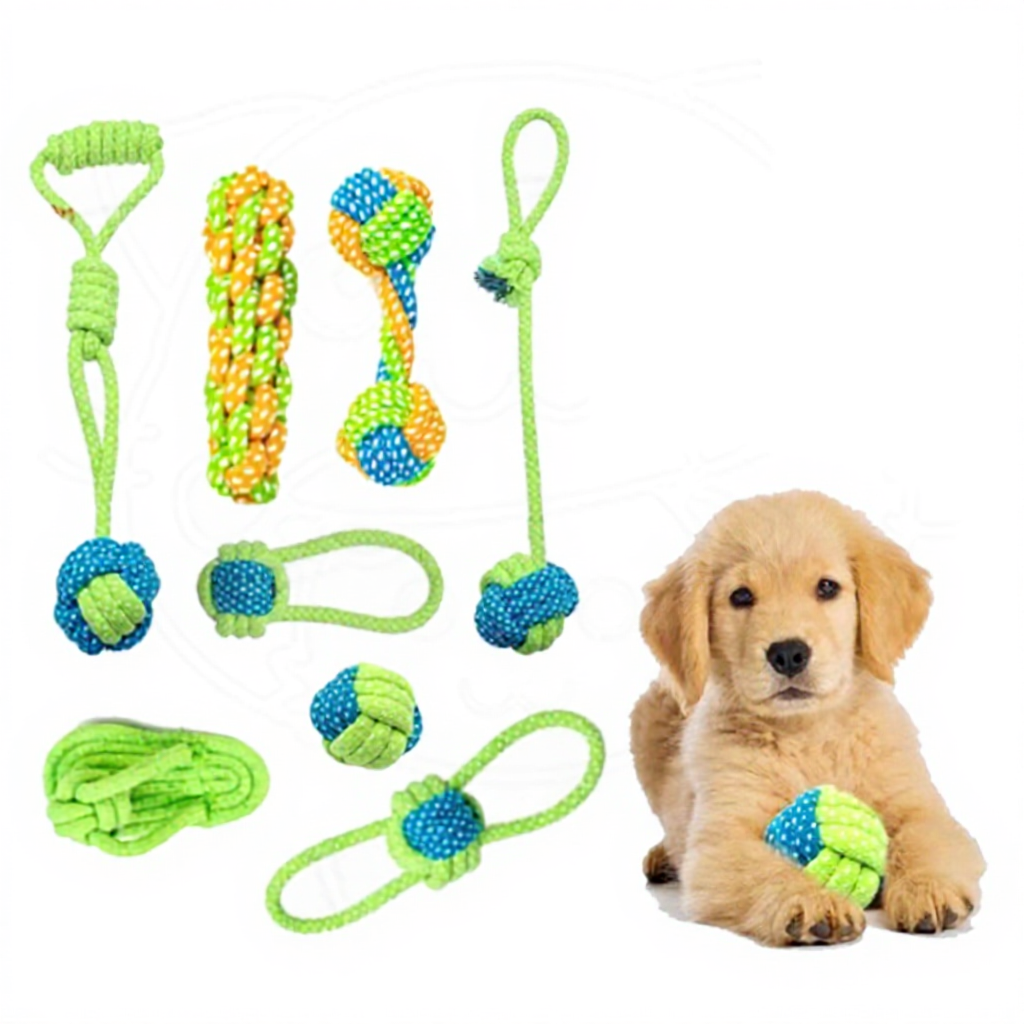


For more expert pet care tips and advice, check out our dedicated Dog Behavior guides to keep your companions healthy and happy.




