Introduction
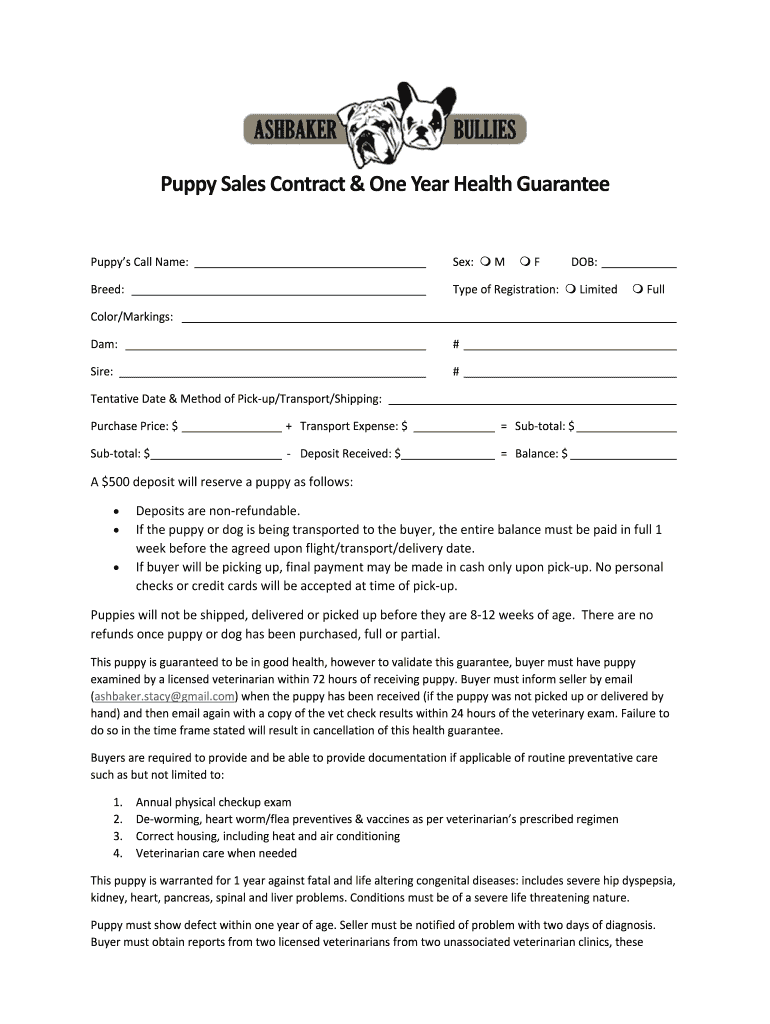
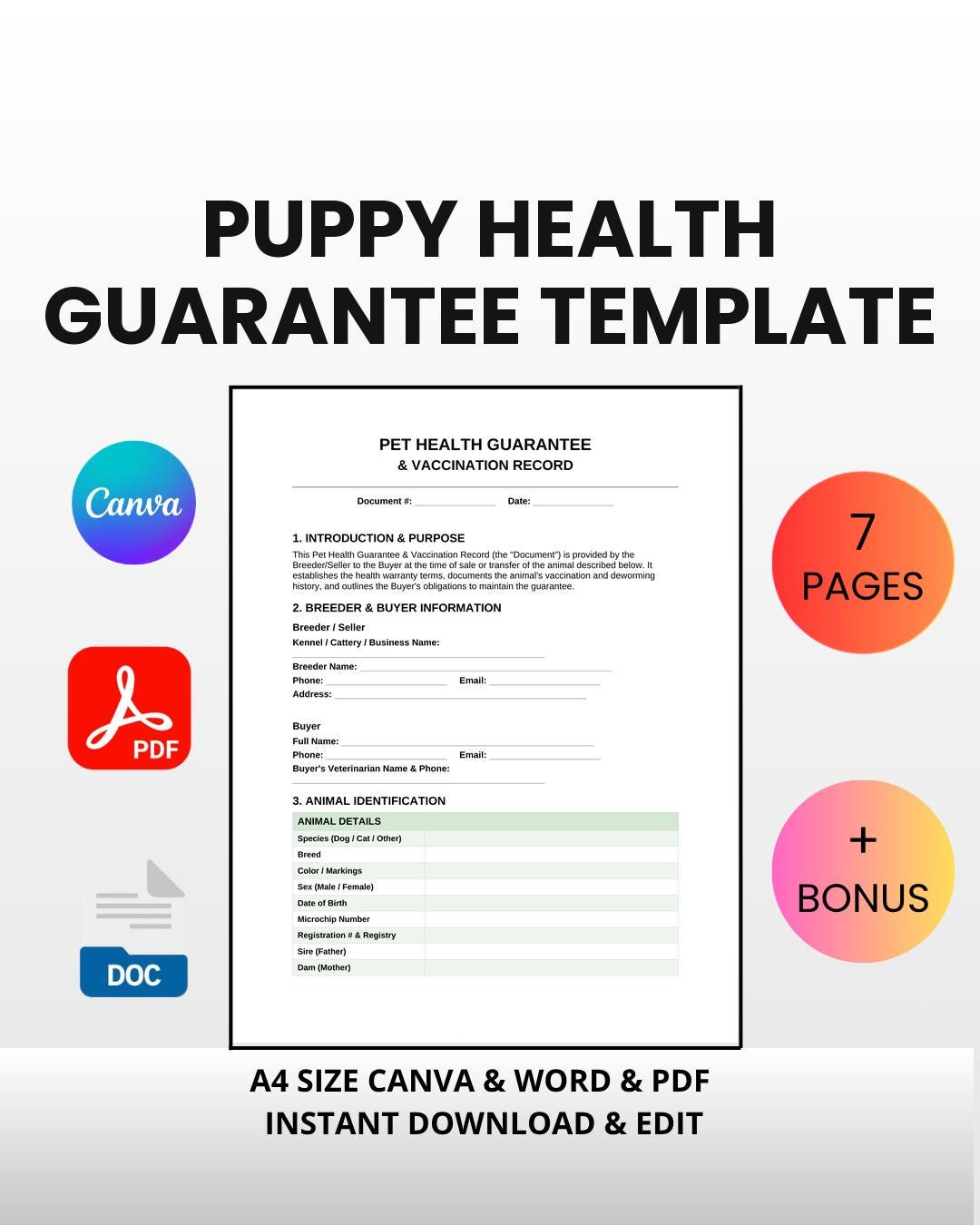
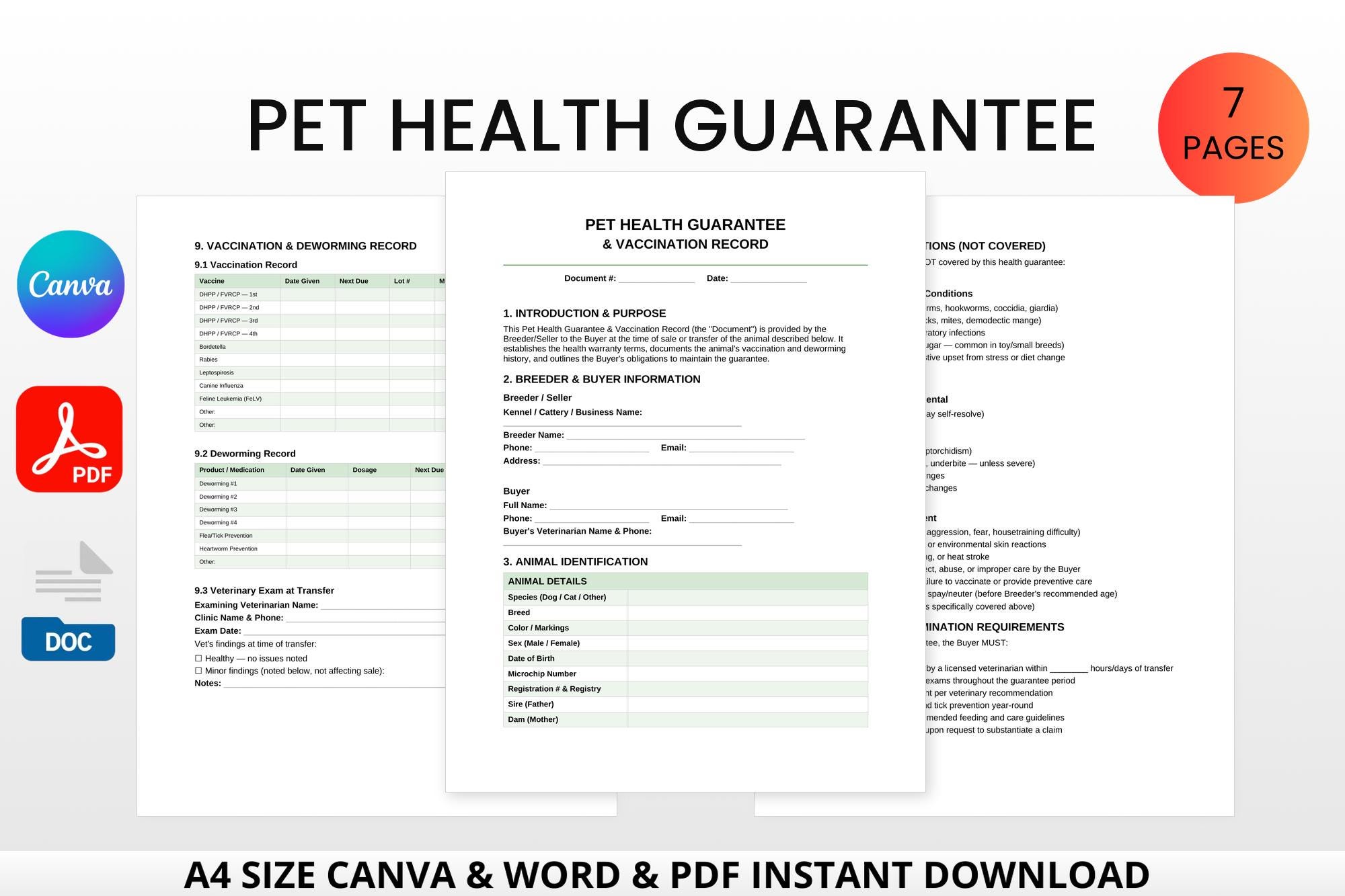
Welcoming a new puppy into a home is a joyous occasion, filled with anticipation and excitement. However, beneath the boundless energy and adorable antics lies a significant responsibility: ensuring the puppy’s long-term health and well-being. A critical safeguard in this journey is the puppy health guarantee. This essential document, often provided by reputable breeders or sellers, serves as a contractual agreement designed to protect both the buyer and the puppy. It outlines the sellers commitment to the puppy’s initial health and provides a framework for recourse should certain health issues arise shortly after acquisition. Understanding the intricacies of a puppy health guarantee is not merely about financial protection; it is about establishing a foundation for responsible pet ownership and ensuring that a new canine companion begins life with the best possible start, contributing significantly to a dogs overall quality of life and the owner’s peace of mind. Explore more in our Dog Health collection.
💡 Pet Care Key Takeaways:
- Core Focus: Practical health, nutrition, and wellness guidelines for Puppy Health Guarantee.
- Target Scope: Pet owners, animal caregivers, and veterinary support staff.
- Best Recommendation: Maintain consistent daily routines and consult an accredited veterinarian before introducing major diet or medical changes.
Common Causes and Key Factors
A puppy health guarantee is fundamentally a written assurance from a breeder or seller regarding the health status of a puppy at the time of sale and for a specified period thereafter. Its primary purpose is to address concerns about underlying health conditions that might not be immediately apparent. For more related activities, check out our Sick Pug At Veterinarian.
The most common factors that necessitate such a guarantee include the potential for congenital defects (conditions present from birth) and hereditary diseases (conditions passed down genetically from parents). These can range from minor issues to severe, life-limiting problems, such as hip or elbow dysplasia, certain heart conditions, eye disorders, or neurological issues. Discover more free resources across our collection library.
Furthermore, guarantees often cover common infectious diseases like Parvovirus, Distemper, or Kennel Cough, typically within a very short timeframe after purchase. This initial period is crucial as puppies can be vulnerable to pathogens in new environments. Reputable breeders offer these guarantees to demonstrate confidence in their breeding practices, the health of their breeding stock, and their commitment to the welfare of their puppies. For buyers, the guarantee is a vital safety net, mitigating some of the financial risks associated with purchasing a puppy that might have unforeseen health challenges. The specific terms, duration, and remedies outlined in a guarantee can vary significantly between sellers and are critical points for prospective owners to review.
Signs and Symptoms to Observe
Observing a new puppy closely is paramount, especially within the timeframe specified by a health guarantee. While a veterinarian’s examination is the definitive step, owners can monitor for several key signs and symptoms that may indicate a health concern.
General indicators of an unwell puppy include lethargy or unusually low energy levels, loss of appetite, persistent vomiting, diarrhea (which can quickly lead to dehydration in young puppies), coughing, sneezing, or any discharge from the eyes or nose. A puppy that is constantly whining, appears to be in pain, or is not interacting normally with its environment also warrants attention.
Signs that might point towards more specific congenital or hereditary issues, though often more subtle initially, can include an unusual gait or limping, difficulty breathing, skin rashes or persistent itching, unusual swellings, or signs of vision or hearing impairment. These signs may become more pronounced as a puppy settles into its new home or as it grows. The breed and age of the puppy can influence how these signs manifest; for instance, some hereditary conditions are more prevalent in specific breeds or become evident only after several months. Documenting any observed symptoms, including their onset and progression, is crucial for veterinary assessment and for making a claim under a health guarantee.
Practical Solutions and Management Strategies
Effectively utilizing a puppy health guarantee involves proactive steps and diligent management. The first and most critical strategy is to thoroughly read and understand the entire health guarantee document before finalizing the puppy purchase. This ensures clarity on what is covered, for how long, and what actions are required from the buyer.
Immediately after acquiring a new puppy, scheduling a veterinary check-up within the specified timeframe (often 48 to 72 hours) is non-negotiable. This initial examination is typically a mandatory condition of the guarantee. The veterinarian can identify any immediate health concerns and provide a professional assessment of the puppy’s condition.
Maintaining meticulous records is another essential strategy. Keep all documentation, including the signed health guarantee, the puppy’s vaccination records, the bill of sale, and all veterinary examination reports and invoices. If a health issue arises, clear and timely communication with the breeder or seller is vital. Follow their specific instructions for reporting the issue and providing necessary documentation.
Common remedies outlined in guarantees may include a full or partial refund, a replacement puppy, or reimbursement for a portion of veterinary costs. Understanding these options beforehand helps in navigating a potentially difficult situation. Beyond the guarantee itself, ensuring a healthy environment, providing appropriate nutrition, and adhering to a vaccination schedule are fundamental to supporting a puppy’s well-being and preventing many common ailments.
When Professional Help May Be Needed
While a puppy health guarantee provides a framework for recourse, discerning when professional veterinary or even legal assistance is necessary is important.
Immediate veterinary consultation is always warranted if a puppy displays any significant signs of illness, such as severe lethargy, persistent vomiting or diarrhea, difficulty breathing, or sudden lameness. These symptoms can indicate serious conditions requiring prompt medical intervention, potentially covered under the short-term aspects of a health guarantee. A veterinarian’s diagnosis is the cornerstone for any claim made under a guarantee for health issues.
Professional help extends beyond immediate medical care. If a significant congenital or hereditary condition is diagnosed by a veterinarian, and the condition falls within the terms of the health guarantee, owners will need professional veterinary documentation to support their claim. This may involve specific diagnostic tests, specialist referrals, and detailed reports.
In situations where a breeder or seller is unresponsive, uncooperative, or disputes a legitimate claim under the terms of a signed guarantee, further professional assistance may be required. This could involve seeking advice from consumer protection agencies or consulting with a legal professional specializing in pet law. It is crucial to remember that a health guarantee is a legally binding contract, and understanding its implications is key to protecting both the puppy’s welfare and the owner’s rights.
Conclusion
The puppy health guarantee stands as a testament to responsible breeding and a crucial protective measure for new dog owners. It is far more than a mere formality; it is a foundational document that underscores the commitment to a puppy’s initial well-being and offers a clear path forward should unforeseen health challenges arise. Understanding its terms, acting promptly with veterinary examinations, and maintaining thorough documentation are all indispensable steps in leveraging this vital assurance. By prioritizing proactive research when selecting a breeder, carefully reviewing the guarantee, and remaining observant of a puppy’s health, owners contribute significantly to their canine companion’s successful transition and healthy development. Ultimately, awareness and consistent, informed care form the bedrock of a fulfilling relationship with a happy, thriving dog, aligning perfectly with the educational mission of petsanimalsworld.com to foster responsible and knowledgeable pet ownership.
Pet Care & Wellness Overview Table
| Life Stage | Daily Activity Level | Key Nutrition / Care Focus |
|---|---|---|
| Puppy / Kitten | High (frequent short bursts) | High-protein growth diet & early socialization |
| Adult Companion | Moderate (30–60 mins daily) | Balanced maintenance nutrition & dental hygiene |
| Senior Pets | Low to Gentle (mindful walks) | Joint support (Glucosamine) & routine vet checks |
Images References