
Introduction
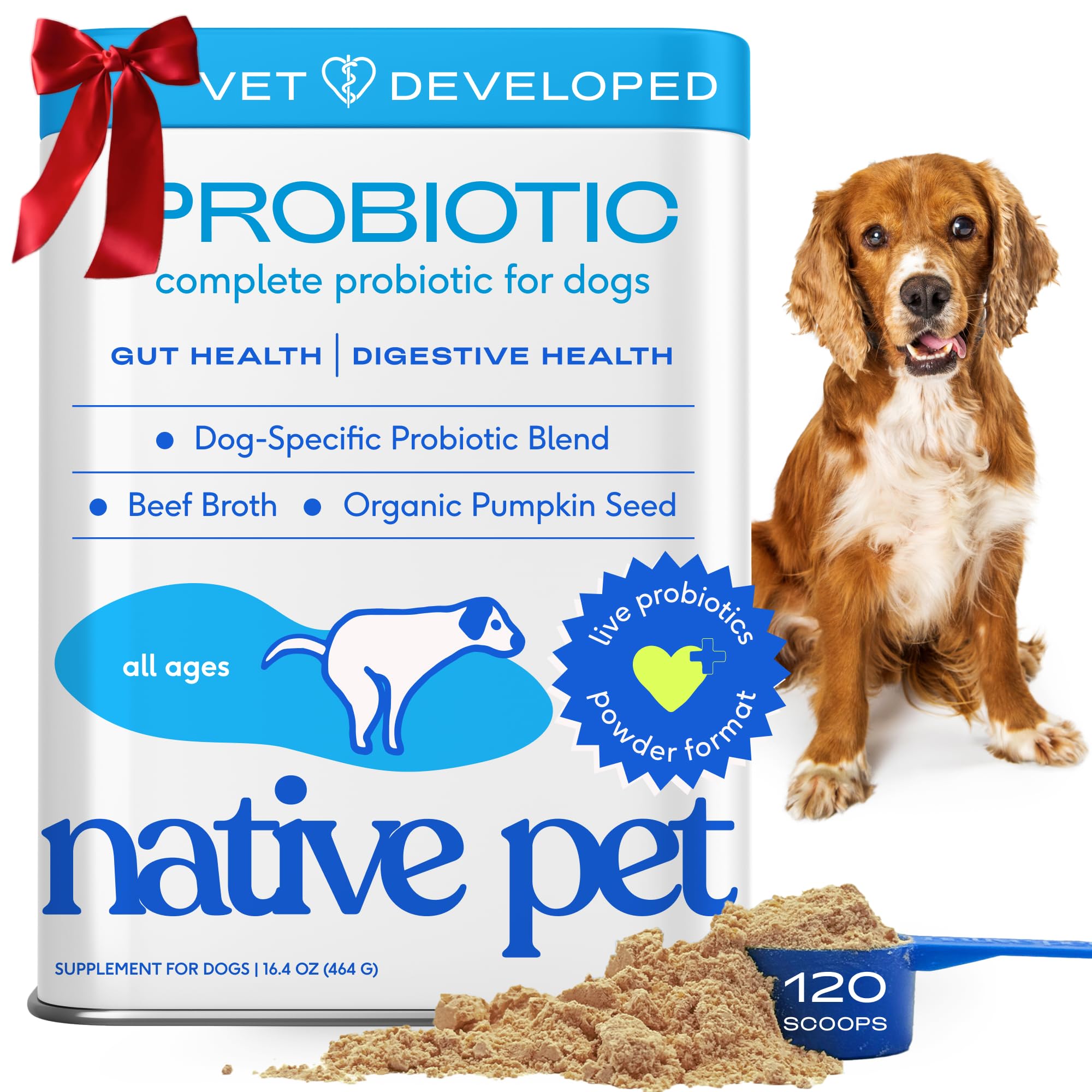
The intricate world of canine health often hinges on factors that are not immediately visible. Among these, the microscopic ecosystem within a dog’s gut plays a remarkably significant role. Understanding “good probiotics for dogs” is paramount for any owner dedicated to their companion’s holistic well-being. Probiotics are beneficial microorganisms that, when administered in adequate amounts, confer a health benefit on the host. For dogs, these live bacteria and yeasts contribute to a balanced gut flora, which is essential for proper digestion, nutrient absorption, and a robust immune system. Issues related to gut imbalance commonly arise during periods of stress, dietary changes, antibiotic treatment, or simply due to age or underlying health conditions. By comprehending the importance and appropriate use of good probiotics, owners can proactively support their dogs digestive health, potentially leading to improved energy levels, better coat condition, reduced digestive upset, and an enhanced overall quality of life.
💡 Pet Care Key Takeaways:
- Core Focus: Practical health, nutrition, and wellness guidelines for Good Probiotics For Dogs.
- Target Scope: Pet owners, animal caregivers, and veterinary support staff.
- Best Recommendation: Maintain consistent daily routines and consult an accredited veterinarian before introducing major diet or medical changes.
Common Causes and Key Factors
Several factors can disrupt a dog’s delicate gut microbiome, thereby creating a need for supportive probiotics. Dietary imbalances frequently top the list; sudden changes in food, consumption of poor-quality ingredients, or even an overly processed diet can negatively impact gut flora. Stress, whether from environmental changes, travel, boarding, or veterinary visits, also triggers physiological responses that can alter gut health. For more related activities, check out our Breeds Susceptable To Diabetes.
One of the most significant disruptors is antibiotic therapy. While crucial for treating bacterial infections, antibiotics unfortunately do not differentiate between harmful and beneficial bacteria, often wiping out a substantial portion of the healthy gut flora. Age is another crucial factor; puppies are still developing their microbial communities, while older dogs may experience a natural decline in digestive efficiency and beneficial bacteria over time. Furthermore, underlying health conditions such as inflammatory bowel disease (IBD), allergies, or pancreatic issues can compromise gut integrity and necessitate probiotic support as part of a broader management plan.
Signs and Symptoms to Observe
Observing a dog’s behavior and physical condition can provide valuable clues that their gut health may be compromised and that probiotics could be beneficial. The most common indicators relate directly to digestive function. Persistent or recurring episodes of diarrhea, constipation, excessive gas, bloating, and occasional vomiting are strong signals of an imbalanced gut.
Beyond direct digestive issues, other signs can manifest. A dull, dry coat, excessive shedding, or recurring skin irritations and allergies can often be linked to gut health, highlighting the intricate gut-skin axis. Some dogs might exhibit reduced energy levels or lethargy, potentially due to inefficient nutrient absorption. Furthermore, a weakened immune system, characterized by frequent infections or slow recovery from illness, suggests that the body’s primary line of defense largely located in the gut may be underperforming. In some instances, even behavioral changes like increased anxiety or irritability have been linked to an imbalanced gut-brain axis, underscoring the widespread impact of a healthy microbiome. These signs can vary depending on a dog’s age, breed, and overall health status, necessitating careful and consistent observation.
Practical Solutions and Management Strategies
Selecting and administering good probiotics for dogs requires an informed approach to ensure maximum benefit. The effectiveness of a probiotic supplement largely depends on the specific strains of bacteria it contains. Key strains often recommended for canine health include species from Lactobacillus (e.g., L. acidophilus, L. plantarum), Bifidobacterium (e.g., B. animalis, B. longum), Enterococcus faecium, and Bacillus coagulans. Different strains offer varied benefits, from supporting digestion to boosting immunity, making research into specific formulations important.
The quantity of live bacteria, measured in Colony-Forming Units (CFUs), is another critical factor; a higher CFU count generally indicates a more potent product, though the ideal amount can vary. Probiotics are available in various forms, including powders, capsules, chews, and sometimes incorporated into specialized foods. Powders can be easily mixed into food, while capsules can be given whole or opened. Regardless of the form, consistency in administration is key to establishing and maintaining a healthy gut flora.
When choosing a product, prioritizing reputable brands that offer third-party testing for purity and potency is advisable. These products should ideally be free from unnecessary fillers or artificial ingredients. Introducing probiotics gradually can help a dog’s system adjust. Pairing probiotic supplementation with a balanced, high-quality diet and potentially prebiotic fibers (which feed the beneficial bacteria) can further enhance their efficacy, fostering a truly thriving internal environment.
When Professional Help May Be Needed
While good probiotics can be a valuable tool for supporting canine health, there are specific circumstances when veterinary consultation or professional guidance becomes essential. If a dog exhibits severe or persistent digestive issues, such as prolonged diarrhea, recurrent vomiting, significant changes in appetite, or the presence of blood in the stool, immediate veterinary attention is warranted. These symptoms could indicate a more serious underlying health condition that requires diagnosis and specific medical treatment beyond probiotic supplementation.
Additionally, if a dog’s symptoms do not improve after a reasonable period of consistent probiotic use, or if new, concerning symptoms emerge, it signifies a need for professional evaluation. Dogs with known allergies, immune-compromised states, or those currently on medication should also have any new supplements, including probiotics, discussed with their veterinarian to avoid potential interactions or complications. A veterinarian can offer tailored advice, recommend specific probiotic strains or dosages based on a dog’s individual health profile, and rule out any critical health issues that might mimic digestive upset.
Conclusion
The journey to optimal canine health often involves a comprehensive approach, and the strategic inclusion of “good probiotics for dogs” stands as a foundational element. These beneficial microorganisms are not merely a trend but a scientifically supported means to enhance digestive function, bolster immunity, and contribute significantly to a dogs overall vitality. Understanding the critical role of gut health, recognizing the signs of imbalance, and making informed choices about probiotic supplementation empower owners to be proactive advocates for their pets. By carefully selecting high-quality products, observing responses, and seeking veterinary guidance when necessary, owners can ensure their canine companions benefit from a robust and balanced internal ecosystem, leading to a happier, healthier, and more energetic life. Consistent care and informed decisions remain the cornerstones of exceptional pet stewardship.
Pet Care & Wellness Overview Table
| Life Stage | Daily Activity Level | Key Nutrition / Care Focus |
|---|---|---|
| Puppy / Kitten | High (frequent short bursts) | High-protein growth diet & early socialization |
| Adult Companion | Moderate (30–60 mins daily) | Balanced maintenance nutrition & dental hygiene |
| Senior Pets | Low to Gentle (mindful walks) | Joint support (Glucosamine) & routine vet checks |
Images References


For more expert pet care tips and advice, check out our dedicated Dog Health guides to keep your companions healthy and happy.


