

Introduction
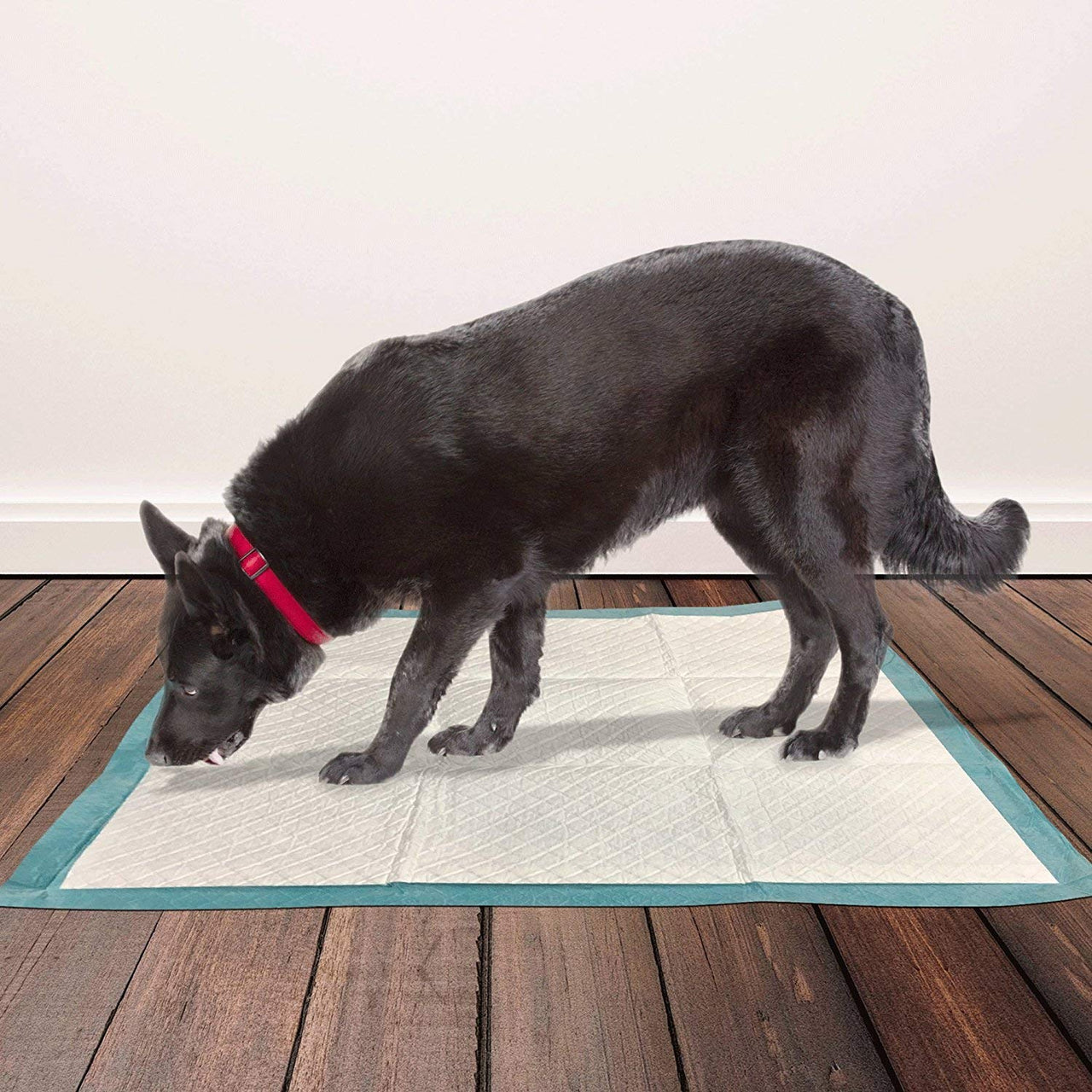
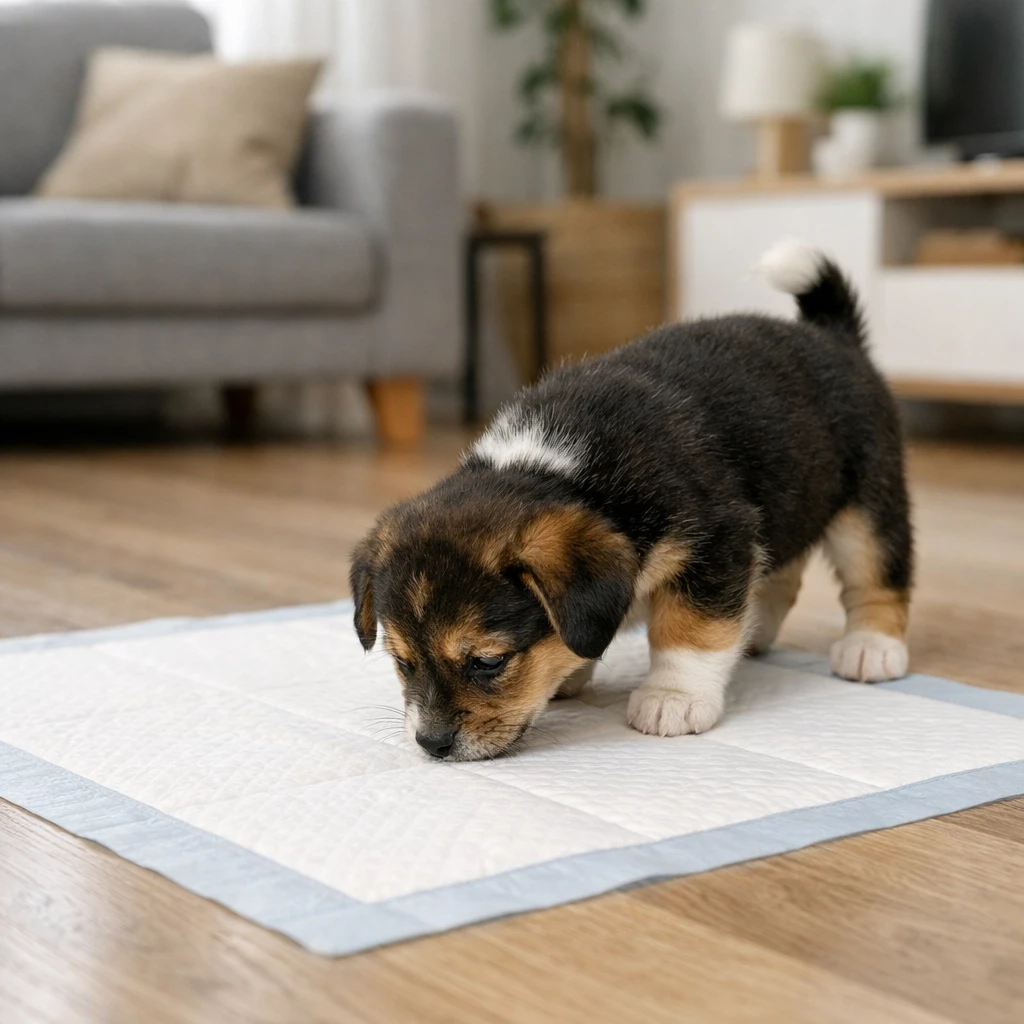
Puppy pad training, also known as pee pad or potty pad training, is a widely adopted method designed to teach young dogs or those with specific needs to relieve themselves indoors on a designated absorbent mat. This training approach offers a practical alternative or temporary solution to outdoor house training, making it particularly valuable for owners of very young puppies who lack full bladder control, dogs living in apartments without easy outdoor access, or those navigating harsh weather conditions. Understanding and implementing effective puppy pad training can significantly reduce household accidents, promote cleanliness, and contribute positively to a dog’s overall well-being and the harmony within its living environment. It establishes a predictable routine for the dog, fostering confidence and reducing stress associated with elimination.
💡 Pet Care Key Takeaways:
- Core Focus: Practical health, nutrition, and wellness guidelines for Puppy Pad Training.
- Target Scope: Pet owners, animal caregivers, and veterinary support staff.
- Best Recommendation: Maintain consistent daily routines and consult an accredited veterinarian before introducing major diet or medical changes.
Common Causes and Key Factors
Several factors influence the implementation and success of puppy pad training. The age of a puppy is a primary consideration, as very young dogs, typically under four months old, possess limited bladder and bowel control, necessitating frequent opportunities to relieve themselves. Smaller dog breeds may also benefit from pad training due to their smaller bladders and potential reluctance to venture outdoors in inclement weather. Environmental factors, such as living in high-rise apartments, having limited or no yard access, or experiencing extreme weather conditions, often make outdoor potty breaks challenging or impractical. For more related activities, check out our Kikkopupbiting.
Furthermore, puppy pads can serve as a temporary solution for dogs recovering from illness or injury, preventing them from needing to go outside during recuperation. Inconsistency in training methods, a lack of a clear schedule, or insufficient supervision from owners can also contribute to accidents and prolong the training process. Understanding a dog’s natural instinct to eliminate in a designated area, if taught consistently, forms the foundation of this training method.
Signs and Symptoms to Observe
Observing a puppy’s behavior provides crucial cues regarding its need to eliminate. Common pre-potty behaviors include sniffing around the floor intently, circling in a specific area, or sudden restlessness and pacing. Some puppies may whine, bark, or scratch at the door if they associate these actions with being let out, though during pad training, they are typically seeking a designated indoor spot.
More direct signs involve the actual squatting position for urination or the hunker-down posture for defecation. An observant owner can often interrupt these behaviors before an accident occurs, gently guiding the puppy to the pad. Consistent observation allows for timely intervention, reinforcing the desired behavior of using the pad. A puppy consistently missing the pad despite being near it may indicate a need to reassess the training approach or rule out underlying health issues.
Practical Solutions and Management Strategies
Effective puppy pad training relies on consistency, patience, and positive reinforcement. Establishing a predictable routine for feeding, watering, and designated potty breaks is paramount. Puppies should be taken to the pad immediately after waking up, after meals, before and after playtime, and before bedtime.
Initial pad placement should be in an easily accessible area, often within a confined space like a playpen or a designated puppy-proofed room, close to the puppy’s sleeping area but not directly adjacent. Gradually, as the puppy consistently uses the pad, its location can be moved closer to an exit door if outdoor transitioning is the ultimate goal. When a puppy successfully uses the pad, immediate praise, a cheerful tone of voice, and a small, high-value treat should be provided. This positive reinforcement creates a strong association between using the pad and receiving a reward.
Accidents will inevitably happen; when they do, they should be cleaned thoroughly with an enzymatic cleaner to eliminate odors that might attract the puppy back to the same spot. Punishment for accidents is counterproductive and can lead to fear or secretive elimination. Close supervision is essential during active periods to catch pre-potty signals. Using a crate or a restricted area when direct supervision is not possible can help prevent accidents and reinforce the idea that elimination happens in a specific spot.
When Professional Help May Be Needed
While puppy pad training is often a straightforward process, certain situations may warrant professional intervention. A sudden change in a dog’s house-training habits, particularly in an otherwise well-trained dog, should always prompt a veterinary visit. Such changes can be indicative of underlying medical conditions, including urinary tract infections, diabetes, kidney disease, or gastrointestinal issues, which require veterinary diagnosis and treatment.
If persistent accidents continue despite consistent and appropriate training efforts, or if a dog exhibits behavioral issues such as extreme anxiety, fear, or territorial marking that contribute to inappropriate elimination, consulting with a certified professional dog trainer or a veterinary behaviorist can be beneficial. These experts can assess individual situations, rule out medical causes, and provide tailored training plans or behavioral modification strategies to address specific challenges effectively.
Conclusion
Puppy pad training serves as a valuable tool in the journey of raising a well-adjusted and house-trained dog. It offers a flexible and practical solution for managing a puppy’s elimination needs, especially during critical developmental stages or in specific living conditions. The foundation of successful pad training rests on consistent routines, diligent observation of a dog’s behavior, and the positive reinforcement of desired actions. Through patience and understanding, owners can guide their pets toward appropriate elimination habits, ultimately contributing to a cleaner home environment and a stronger bond with their canine companions. Awareness, consistent care, and timely professional consultation when needed are key pillars in ensuring a dog’s well-being and a harmonious household.
Pet Care & Wellness Overview Table
| Life Stage | Daily Activity Level | Key Nutrition / Care Focus |
|---|---|---|
| Puppy / Kitten | High (frequent short bursts) | High-protein growth diet & early socialization |
| Adult Companion | Moderate (30–60 mins daily) | Balanced maintenance nutrition & dental hygiene |
| Senior Pets | Low to Gentle (mindful walks) | Joint support (Glucosamine) & routine vet checks |
Images References


For more expert pet care tips and advice, check out our dedicated Dog Training guides to keep your companions healthy and happy.




