

Introduction
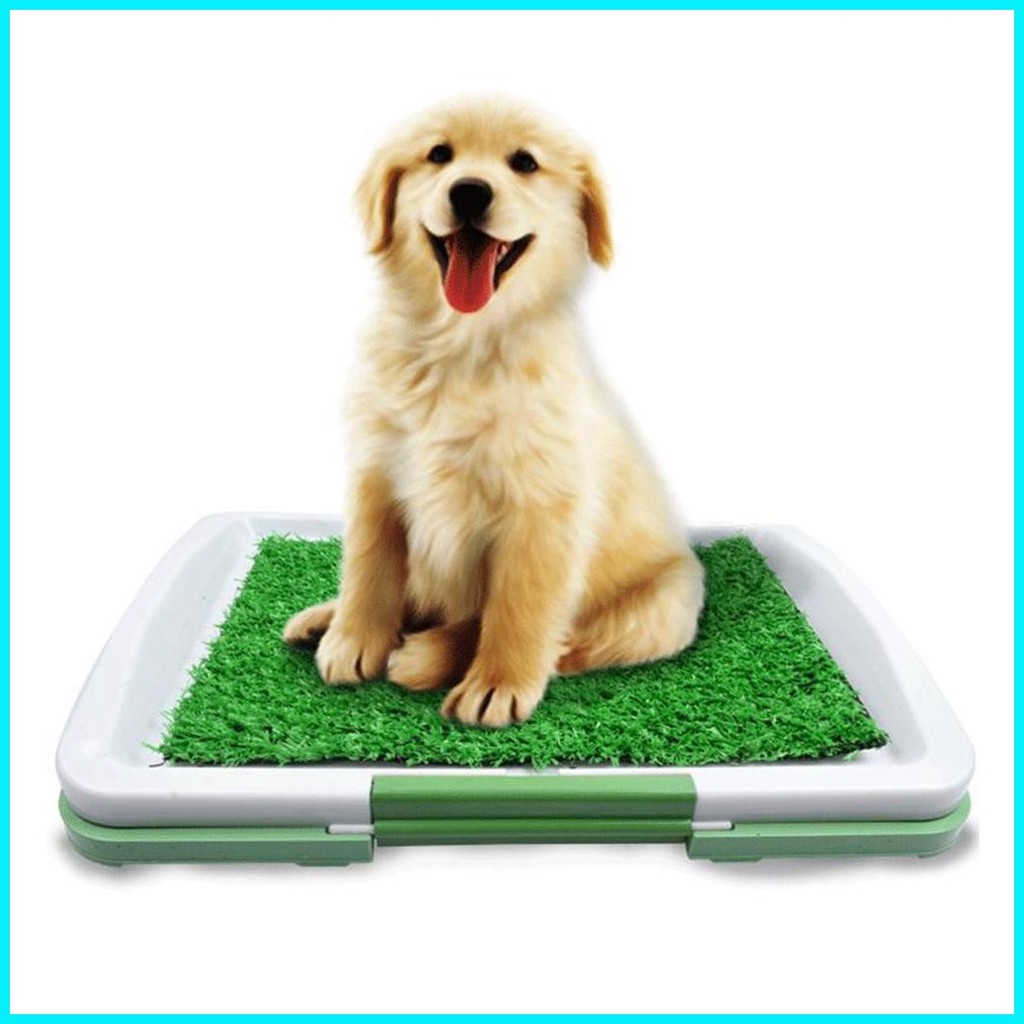
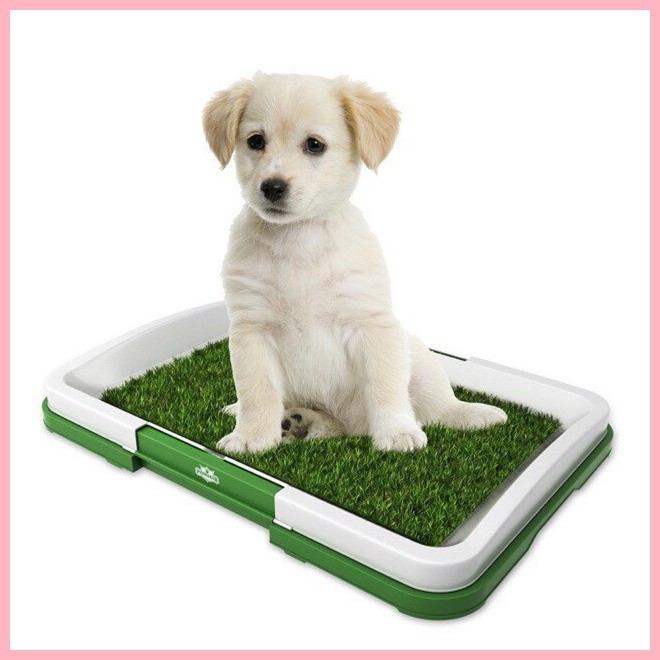
The initial stages of bringing a new canine companion into a home often involve a crucial aspect of training: house-training. Among the various tools available to assist in this process, the puppy potty pad stands out as a widely recognized and frequently utilized aid. A puppy potty pad, often referred to as a training pad or wee-wee pad, is an absorbent mat designed to provide a designated indoor area for a puppy or dog to relieve itself. Understanding the proper application and purpose of these pads is essential for dog owners, as their judicious use can significantly ease the house-training journey, minimize indoor accidents, and contribute to a more harmonious living environment. This resource explores the role of puppy potty pads, offering insights into their effective integration into a comprehensive training regimen, ultimately fostering a cleaner home and a well-adjusted canine.
💡 Pet Care Key Takeaways:
- Core Focus: Practical health, nutrition, and wellness guidelines for Puppy Potty Pad.
- Target Scope: Pet owners, animal caregivers, and veterinary support staff.
- Best Recommendation: Maintain consistent daily routines and consult an accredited veterinarian before introducing major diet or medical changes.
Common Causes and Key Factors
The decision to incorporate a puppy potty pad into a dog’s routine stems from various factors, primarily revolving around the challenges of house-training and specific living conditions. Puppies, especially those under five or six months of age, possess limited bladder and bowel control, necessitating frequent elimination. For individuals residing in apartments without immediate outdoor access, or those with demanding work schedules, pads offer a practical interim solution to manage a puppy’s frequent needs. Furthermore, adverse weather conditions, such as heavy rain, snow, or extreme heat, can make outdoor potty breaks impractical or uncomfortable for both the dog and owner, thereby increasing the reliance on indoor pads. For more related activities, check out our What Trick Can Only A Border Collie Learn.
Beyond convenience, puppy potty pads can be crucial for puppies not yet fully vaccinated, protecting them from potential health risks associated with public outdoor areas. They also serve as a useful tool for elderly dogs experiencing incontinence or for dogs recovering from surgery that temporarily limits their mobility. While offering considerable benefits, it is vital to acknowledge that over-reliance or improper introduction of these pads can sometimes lead to confusion during the house-training process, potentially delaying a dog’s full transition to outdoor elimination. The success of a puppy potty pad strategy hinges on a clear understanding of these underlying causes and careful consideration of how they integrate into a dog’s overall training and care plan.
Signs and Symptoms to Observe
Effective utilization of a puppy potty pad is often indicated by a dog consistently choosing the pad for elimination. Owners may observe a puppy actively seeking out the pad, circling or sniffing the designated area before relieving itself. This behavior signifies that the dog understands the pad’s purpose and location. Conversely, signs that indicate difficulties or misuse of the pad require immediate attention. These include a puppy eliminating near, but not directly on, the pad, or completely avoiding the pad in favor of other indoor spots.
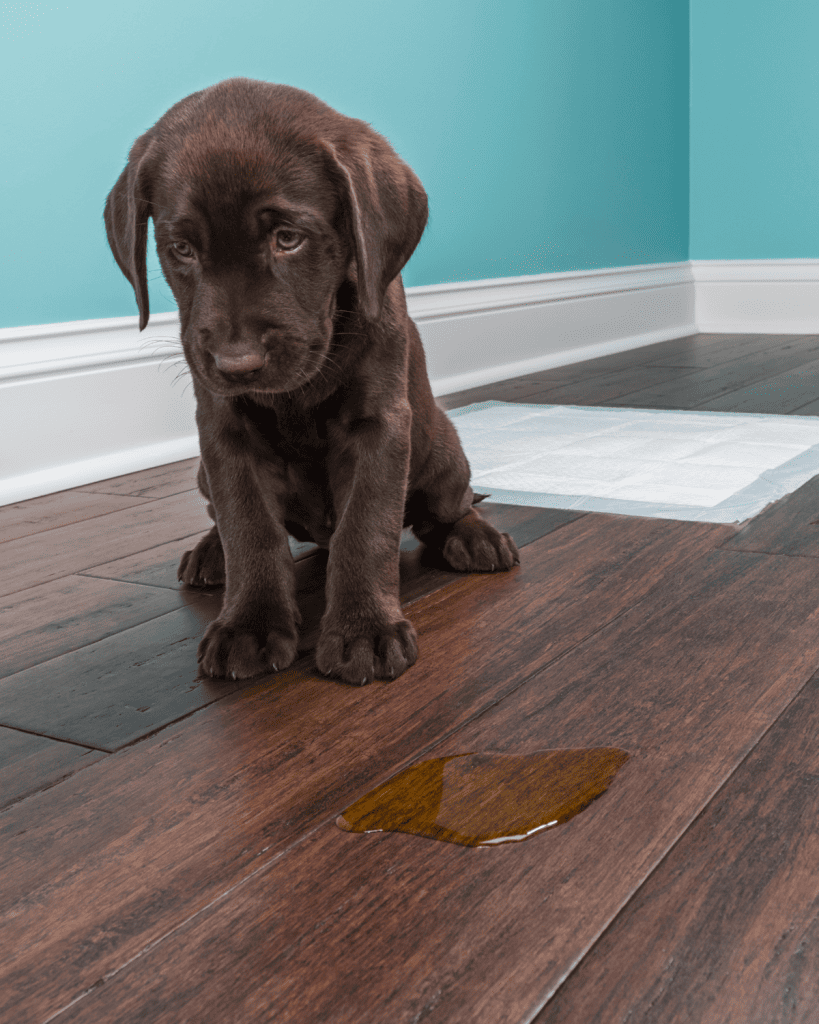
Other observable behaviors suggesting a need for adjustment in the training approach might include tearing or playing with the pad, rather than using it for its intended purpose. Some dogs may develop a preference for soft surfaces, leading them to eliminate on rugs or carpets if the pad is not adequately appealing or accessible. For older dogs, a sudden increase in indoor accidents, even on pads, could signal underlying health issues such as urinary tract infections, kidney problems, or incontinence, warranting veterinary assessment. Observing these subtle cues allows owners to proactively adjust training strategies or seek professional advice, ensuring the well-being and successful house-training of the dog.
Practical Solutions and Management Strategies
Implementing a successful puppy potty pad training strategy requires consistency, patience, and positive reinforcement. When introducing a pad, careful placement in a consistent, easily accessible location, away from feeding and sleeping areas, is paramount. Immediately after waking up, after meals, and before bedtime, a puppy should be gently guided to the pad. Praising and rewarding the puppy with treats and affectionate words immediately after successful elimination on the pad reinforces the desired behavior.
A crucial step involves establishing a predictable schedule for feeding, watering, and potty breaks, as this aids in predicting when a puppy will need to eliminate. Accidents off the pad should be cleaned thoroughly with enzymatic cleaners to eliminate odors that might attract the dog back to the same spot. To transition a puppy from pads to outdoor elimination, the pad can be gradually moved closer to the door over several days. Eventually, the pad can be placed just outside the door, then removed entirely as the dog consistently eliminates outdoors. For dogs prone to tearing pads, a secure pad holder can provide a more durable and stable surface. Integrating crate training can also be beneficial, as dogs typically avoid soiling their sleeping area, thus learning to hold their bladder until they are released to the pad or outdoors.
When Professional Help May Be Needed
While puppy potty pad training is often straightforward, there are instances where professional intervention becomes advisable. If a puppy consistently struggles with house-training despite diligent and consistent efforts, a consultation with a certified professional dog trainer or veterinary behaviorist may be necessary. These experts can assess the training methods, identify potential behavioral issues such as separation anxiety or marking behaviors, and develop a tailored plan.
Furthermore, any significant or sudden changes in a dog’s elimination habits, such as increased frequency of urination, straining, blood in the urine, or apparent discomfort during elimination, warrant an immediate veterinary examination. These symptoms could indicate underlying medical conditions like urinary tract infections, bladder stones, or other health concerns that require medical attention. A veterinarian can rule out physical causes, ensuring the dog’s well-being is addressed before focusing solely on behavioral training aspects. Early intervention, whether behavioral or medical, ensures the best outcome for the dog and the household.
Conclusion
The effective use of a puppy potty pad serves as a valuable component in the house-training journey for many dog owners. These absorbent mats offer a practical solution for managing a puppy’s frequent elimination needs, providing a bridge between limited bladder control and successful outdoor training. While offering convenience and cleanliness, their role is often transitional, aiming to guide a dog towards a preference for outdoor elimination. Success hinges on a foundation of consistency, positive reinforcement, and a deep understanding of a dog’s developmental stage and individual needs. By observing behaviors closely, implementing practical strategies, and knowing when to seek professional guidance, owners can foster a clean home environment and a well-trained, happy companion. The dedication to proper training reflects a commitment to a dog’s well-being and strengthens the bond shared within the household.
Pet Care & Wellness Overview Table
| Life Stage | Daily Activity Level | Key Nutrition / Care Focus |
|---|---|---|
| Puppy / Kitten | High (frequent short bursts) | High-protein growth diet & early socialization |
| Adult Companion | Moderate (30–60 mins daily) | Balanced maintenance nutrition & dental hygiene |
| Senior Pets | Low to Gentle (mindful walks) | Joint support (Glucosamine) & routine vet checks |
Images References



For more expert pet care tips and advice, check out our dedicated Dog Training guides to keep your companions healthy and happy.




