
Introduction
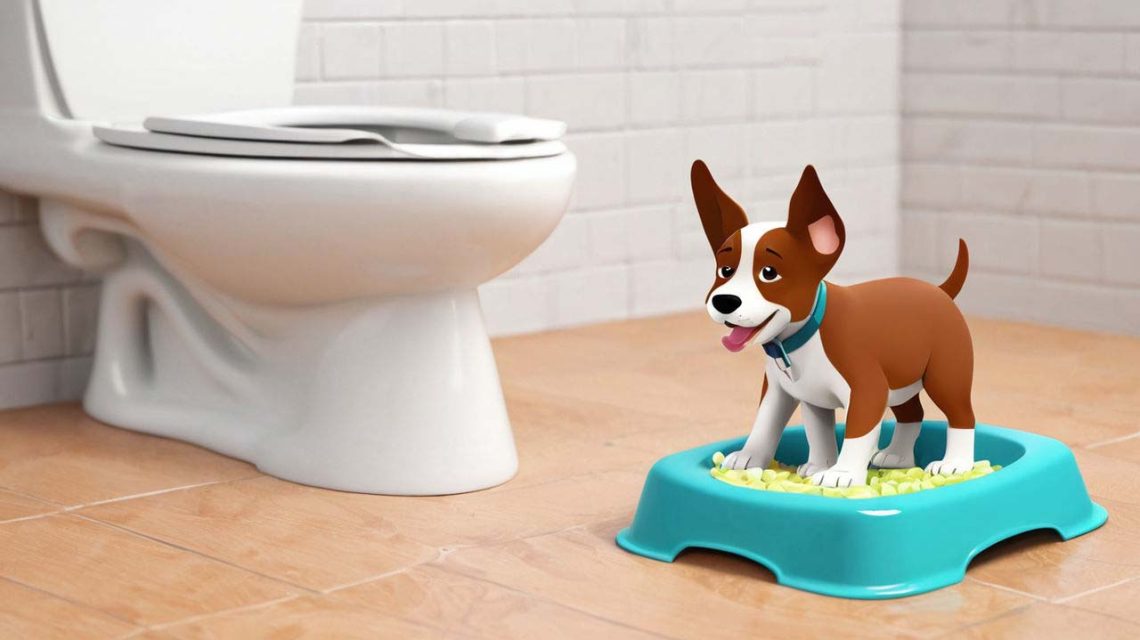
Understanding “puppy potty” is a fundamental aspect of responsible dog ownership and forms the cornerstone of a harmonious relationship between a dog and its human companions. This term encompasses the entire process of a young dog learning to eliminate in appropriate, designated areas, alongside the associated behaviors and training efforts. Properly addressing puppy potty habits is crucial for a dogs physical health, behavioral development, and integration into a household. Without effective management and training, inconsistent elimination can lead to unsanitary living conditions, stress for both the dog and its owners, and potential damage to property. A clear understanding of a puppy’s needs and the implementation of consistent training strategies significantly improves a dogs well-being, fosters good habits, and enhances the overall quality of life for all involved.
💡 Pet Care Key Takeaways:
- Core Focus: Practical health, nutrition, and wellness guidelines for Puppy Potty.
- Target Scope: Pet owners, animal caregivers, and veterinary support staff.
- Best Recommendation: Maintain consistent daily routines and consult an accredited veterinarian before introducing major diet or medical changes.
Common Causes and Key Factors
Several interconnected factors influence a puppy’s potty habits and can contribute to challenges in house training. Biologically, young puppies possess immature bladders and bowels, meaning they have limited control over elimination and require frequent opportunities to relieve themselves. Their digestive systems are also developing, leading to quicker processing of food and water. For more related activities, check out our Iaabc Dog Behavior Welfare Enrichment Training Resources.
Environmental factors play a significant role. A lack of a consistent schedule for feeding, watering, and potty breaks can disorient a puppy and make it difficult for it to learn appropriate timing. Furthermore, an absence of a designated, consistent outdoor potty area can hinder the establishment of good habits. Overly large living spaces or insufficient supervision inside the home can also allow accidents to occur unnoticed, reinforcing undesirable behaviors.
Behavioral and emotional factors are also influential. Puppies may eliminate indoors due to excitement, submissiveness, or anxiety in new or stressful situations. Inconsistent training methods, punishment for accidents, or a lack of positive reinforcement for successful outdoor elimination can confuse a puppy and impede its progress. Some puppies may also develop preferences for certain surfaces if not consistently guided to appropriate outdoor locations.
Signs and Symptoms to Observe
Observing a puppy’s behavior provides critical clues regarding its immediate need to eliminate. Common precursors to urination or defecation include sniffing the ground intently, circling a particular spot, whining or whimpering, or suddenly interrupting play to focus on an area. A puppy might also start heading towards a specific, previously favored indoor spot if it has had accidents there before.
The subtlety of these signs can vary significantly depending on the puppy’s age and individual temperament. Very young puppies, typically under three months of age, often give very little warning before relieving themselves due to their underdeveloped bladder and bowel control. As puppies mature, their ability to “hold it” and signal their needs generally improves. Breed differences can also play a minor role, with some breeds historically noted for quicker house-training acquisition than others, though individual differences are more significant. Environmental factors, such as being distracted in a new location, can sometimes override typical warning signs, making close supervision even more essential.
Practical Solutions and Management Strategies
Effective management of “puppy potty” involves a structured, patient, and consistent approach. Establishing a strict daily routine is paramount. This includes taking the puppy outside immediately upon waking, after every meal or drink, after play sessions, and just before bedtime. Young puppies typically need to go out every 1-2 hours, with intervals gradually increasing as they mature.
Constant supervision within the home is crucial, especially during the initial training phases. This allows for immediate intervention if a puppy begins to show signs of needing to eliminate. When direct supervision is not possible, confining the puppy to a safe, puppy-proofed area or using a crate can prevent accidents. Crate training leverages a dogs natural denning instinct; most dogs are reluctant to soil their sleeping area. The crate must be appropriately sized, allowing the puppy to stand up, turn around, and lie down comfortably, but not so large that it can designate a separate sleeping and potty area.
Positive reinforcement is key to successful training. When a puppy eliminates in the designated outdoor area, immediate praise, a small high-value treat, and enthusiastic encouragement reinforce the desired behavior. Avoiding punishment for accidents indoors is essential, as this can create fear and anxiety, potentially leading to a puppy hiding its elimination rather than signaling its needs. Instead, if an accident occurs, it should be cleaned thoroughly with an enzymatic cleaner to neutralize odors and prevent the puppy from being attracted back to the same spot.
Guidance on proper feeding and hydration can also aid consistency. Feeding on a regular schedule rather than free-feeding allows for more predictable elimination times. Restricting water intake an hour or two before bedtime can help reduce overnight accidents, ensuring the puppy has a final potty break just before settling down for the night.
When Professional Help May Be Needed
While most “puppy potty” challenges can be overcome with consistent training and patience, there are situations where professional intervention becomes appropriate. If a puppy, despite consistent and correct house-training efforts, continues to have frequent accidents, a veterinary consultation is strongly recommended. Persistent indoor elimination could indicate an underlying medical condition, such as a urinary tract infection, kidney issues, bladder stones, or even certain metabolic disorders like diabetes. A veterinarian can conduct necessary diagnostic tests to rule out or address any health concerns that might be impacting bladder or bowel control.
Furthermore, if a puppy exhibits extreme anxiety related to elimination, consistently hides its accidents, or if house-training progress plateaus or regresses despite diligent application of established methods, seeking guidance from a certified professional dog trainer or a veterinary behaviorist may be beneficial. These experts can assess the specific circumstances, identify complex behavioral patterns, and develop tailored training plans that address individual puppy needs and household dynamics. Their expertise can be invaluable in navigating challenging cases and ensuring both the puppy’s and the owner’s well-being.
Conclusion
Navigating the nuances of “puppy potty” is a significant, yet ultimately rewarding, journey for any dog owner. Success hinges on a foundation of patience, consistency, and a deep understanding of canine behavior. Establishing predictable routines, providing ample opportunities for outdoor elimination, and utilizing positive reinforcement are critical components of effective house-training. Vigilant observation of a puppy’s signals, coupled with immediate and appropriate responses, minimizes accidents and reinforces desirable habits. While challenges may arise, persistent effort, combined with an understanding of when to seek professional veterinary or behavioral advice, ensures that puppies develop into well-adjusted, healthy companions. Mastering “puppy potty” training lays the groundwork for a lifetime of positive interactions and contributes significantly to the overall well-being and integration of a dog into its family environment.
Pet Care & Wellness Overview Table
| Life Stage | Daily Activity Level | Key Nutrition / Care Focus |
|---|---|---|
| Puppy / Kitten | High (frequent short bursts) | High-protein growth diet & early socialization |
| Adult Companion | Moderate (30–60 mins daily) | Balanced maintenance nutrition & dental hygiene |
| Senior Pets | Low to Gentle (mindful walks) | Joint support (Glucosamine) & routine vet checks |
Images References




For more expert pet care tips and advice, check out our dedicated Dog Training guides to keep your companions healthy and happy.




