

Introduction
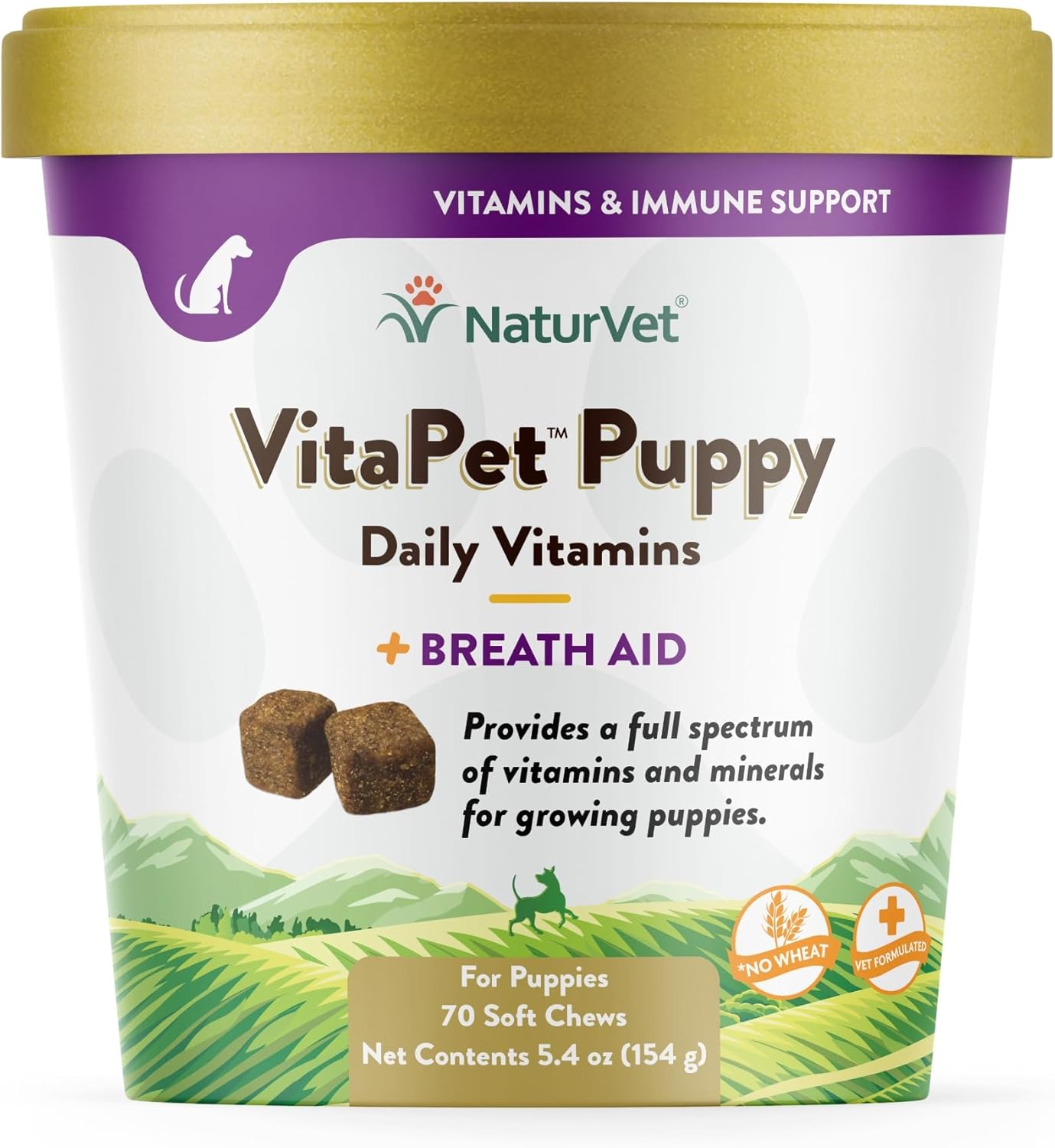
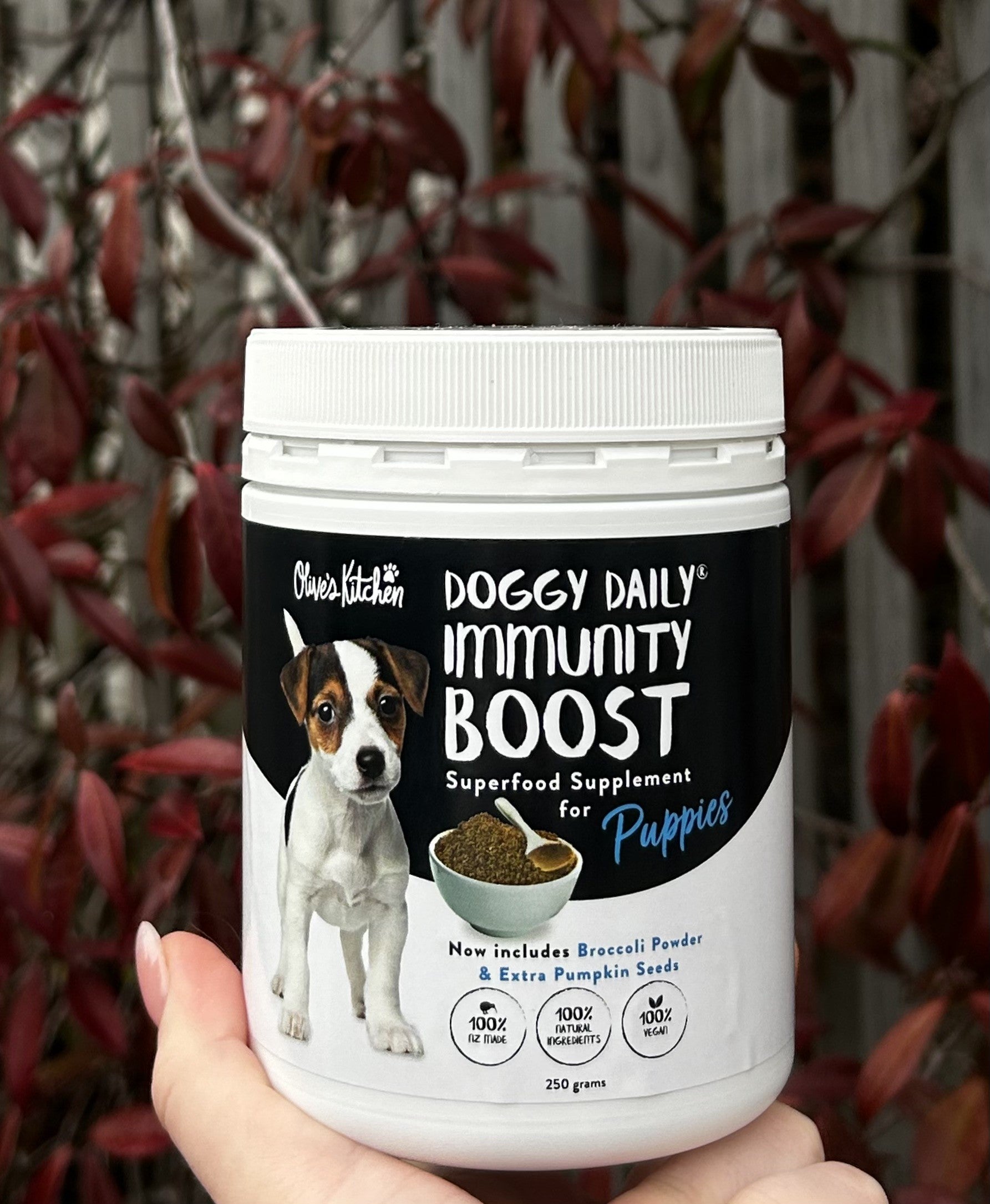
The journey of raising a puppy is filled with joy, discovery, and a significant responsibility to ensure optimal health and development. A key aspect of this responsibility revolves around nutrition, and within this realm, the topic of “puppy supplement” often arises. Puppy supplements refer to concentrated sources of nutrients, such as vitamins, minerals, amino acids, or fatty acids, intended to complement a puppys regular diet. These products are designed to address specific nutritional needs that might not be fully met by food alone or to support particular bodily functions during critical growth phases. Understanding when and why a puppy might benefit from supplemental nutrition is paramount, as it directly impacts their bone development, immune system strength, coat health, and overall vitality. A thoughtful approach to puppy supplementation can significantly contribute to a dogs well-being and set the foundation for a healthy life.
💡 Pet Care Key Takeaways:
- Core Focus: Practical health, nutrition, and wellness guidelines for Puppy Supplement.
- Target Scope: Pet owners, animal caregivers, and veterinary support staff.
- Best Recommendation: Maintain consistent daily routines and consult an accredited veterinarian before introducing major diet or medical changes.
Common Causes and Key Factors
While most high-quality commercial puppy foods are formulated to be complete and balanced, several factors can lead pet owners to consider puppy supplements. One primary reason is the existence of dietary gaps. Puppies fed homemade diets, for instance, may unknowingly miss essential vitamins and minerals if the recipes are not expertly balanced. Similarly, some commercial diets, while meeting basic requirements, might not provide optimal levels of certain nutrients for individual puppies with specific needs. For more related activities, check out our Ol Roy Ingredients List.
Rapid growth phases are another critical factor. Puppies grow at an astonishing rate, requiring a higher concentration of nutrients, particularly calcium and phosphorus for bone development, and protein for muscle and tissue growth, compared to adult dogs. Large and giant breeds, in particular, have unique skeletal development needs that sometimes warrant additional support.
Furthermore, specific health conditions can necessitate supplementation. Puppies recovering from illness, those with compromised immune systems, or individuals experiencing chronic digestive issues may struggle to absorb nutrients efficiently from their food. In such cases, targeted puppy supplements can aid recovery and support bodily functions. Environmental stressors, such as the transition to a new home or intensive training, can also place additional demands on a puppy’s immune system, making supplemental support a consideration.
Signs and Symptoms to Observe
Observing a puppy’s physical condition and behavior can provide valuable clues about potential nutritional needs. One common indicator is a poor coat condition, manifesting as dull, dry, brittle fur, or excessive shedding beyond what is typical for the breed. A healthy coat is often a reflection of internal health.
Lethargy or unusually low energy levels can also suggest a nutritional imbalance. While puppies are naturally active, persistent tiredness, lack of playfulness, or reluctance to engage in activity could indicate a deficiency. Stunted growth, where a puppy is noticeably smaller or developing slower than its littermates or breed standards, is a serious sign that warrants immediate attention.
Digestive issues like persistent loose stools, diarrhea, or recurrent vomiting (once other medical causes are ruled out by a veterinarian) might suggest a need for probiotic or digestive enzyme supplements. Furthermore, weakness, lameness, or abnormal gait, especially in rapidly growing large breeds, could point towards issues with bone and joint development that may benefit from specific joint support supplements. A poor appetite or a puppys general disinterest in eating adequate amounts of its food can also be a red flag. These signs, while not exclusively tied to nutritional deficiencies, often prompt a closer look at a puppy’s diet and overall health.
Practical Solutions and Management Strategies
Approaching puppy supplementation requires careful consideration and a structured plan. The most crucial first step is always a veterinary consultation. A veterinarian can assess a puppy’s overall health, diet, and specific needs, advising whether supplements are necessary and which types would be most beneficial. Over-supplementation can be harmful, making professional guidance indispensable.
A thorough dietary assessment should be conducted. This involves reviewing the current puppy food to ensure it is a high-quality, reputable brand specifically formulated for puppies and appropriate for the puppy’s breed size. Sometimes, simply upgrading to a better quality food can resolve minor nutritional gaps.
If supplements are recommended, choosing the right product is key. Options include general multivitamins, joint supplements (often containing glucosamine and chondroitin for large breeds), omega-3 fatty acids for skin, coat, and cognitive development, and probiotics for digestive health. It is essential to select supplements from reputable manufacturers, ensuring product quality and safety.
Adherence to recommended dosages and administration guidelines is paramount. Supplements are not a “more is better” scenario. Consistent administration, as advised by the veterinarian or product label, ensures efficacy and minimizes risks. Finally, a holistic approach is beneficial; supplements should complement a balanced diet, regular exercise, proper training, and routine veterinary check-ups, rather than being seen as a standalone solution.
When Professional Help May Be Needed
The decision to introduce any puppy supplement should ideally begin with professional guidance. A veterinary consultation is always recommended before starting any new supplement regimen, even if the signs seem minor. This ensures the supplement is appropriate for the puppy’s age, breed, and current health status, preventing potential interactions with existing medications or underlying conditions.
Professional help is particularly crucial if symptoms worsen or persist despite dietary adjustments or initial attempts at supplementation. This could indicate a more serious underlying health issue that requires veterinary diagnosis and treatment beyond nutritional support.
Furthermore, if suspected nutritional deficiencies are significant or severe, requiring precise diagnostic testing, a veterinarian’s expertise is indispensable. They can perform blood tests or other assessments to pinpoint exact deficiencies and recommend a targeted and safe course of action. For specific health conditions such as chronic digestive problems, orthopedic concerns, or immune system weaknesses, a tailored veterinary plan that may include specialized diets and specific medical-grade supplements is often necessary. Any uncertainty regarding a puppy’s health, nutritional needs, or the appropriateness of a supplement always warrants professional guidance.
Conclusion
Puppy supplements can serve as a valuable tool in ensuring a young dog’s optimal health and development, but their use requires a thoughtful and informed approach. While a well-balanced, high-quality puppy food forms the cornerstone of canine nutrition, targeted supplementation can address specific needs arising from rapid growth, unique breed requirements, or particular health challenges. Emphasizing the importance of veterinary guidance, careful observation of a puppys health, and consistent care establishes a solid foundation for their well-being. A proactive and educated stance on a puppy’s nutrition, integrating excellent primary feeding practices with professionally advised supplementation when necessary, supports a vibrant, healthy, and happy life for these cherished companions.
Pet Care & Wellness Overview Table
| Life Stage | Daily Activity Level | Key Nutrition / Care Focus |
|---|---|---|
| Puppy / Kitten | High (frequent short bursts) | High-protein growth diet & early socialization |
| Adult Companion | Moderate (30–60 mins daily) | Balanced maintenance nutrition & dental hygiene |
| Senior Pets | Low to Gentle (mindful walks) | Joint support (Glucosamine) & routine vet checks |
Images References




For more expert pet care tips and advice, check out our dedicated Dog Nutrition guides to keep your companions healthy and happy.




