Introduction
The world of canine wellness continues to expand, and among the natural health trends gaining significant attention are mushroom supplements for dogs. These products, derived from various types of fungi, are increasingly being explored by dog owners seeking to support their pets’ overall health and vitality. Understanding mushroom supplements involves recognizing their potential benefits, identifying reputable sources, and knowing how to safely incorporate them into a dog’s regimen. The growing interest in holistic pet care and natural remedies has brought these botanical aids into the spotlight, making it essential for pet owners to acquire comprehensive knowledge on the topic. Proper understanding can empower owners to make informed decisions that could contribute positively to a dogs well-being and quality of life. Explore more in our Dog Nutrition collection.
💡 Pet Care Key Takeaways:
- Core Focus: Practical health, nutrition, and wellness guidelines for Mushroom Supplements For Dogs.
- Target Scope: Pet owners, animal caregivers, and veterinary support staff.
- Best Recommendation: Maintain consistent daily routines and consult an accredited veterinarian before introducing major diet or medical changes.
Common Factors for Considering Mushroom Supplements
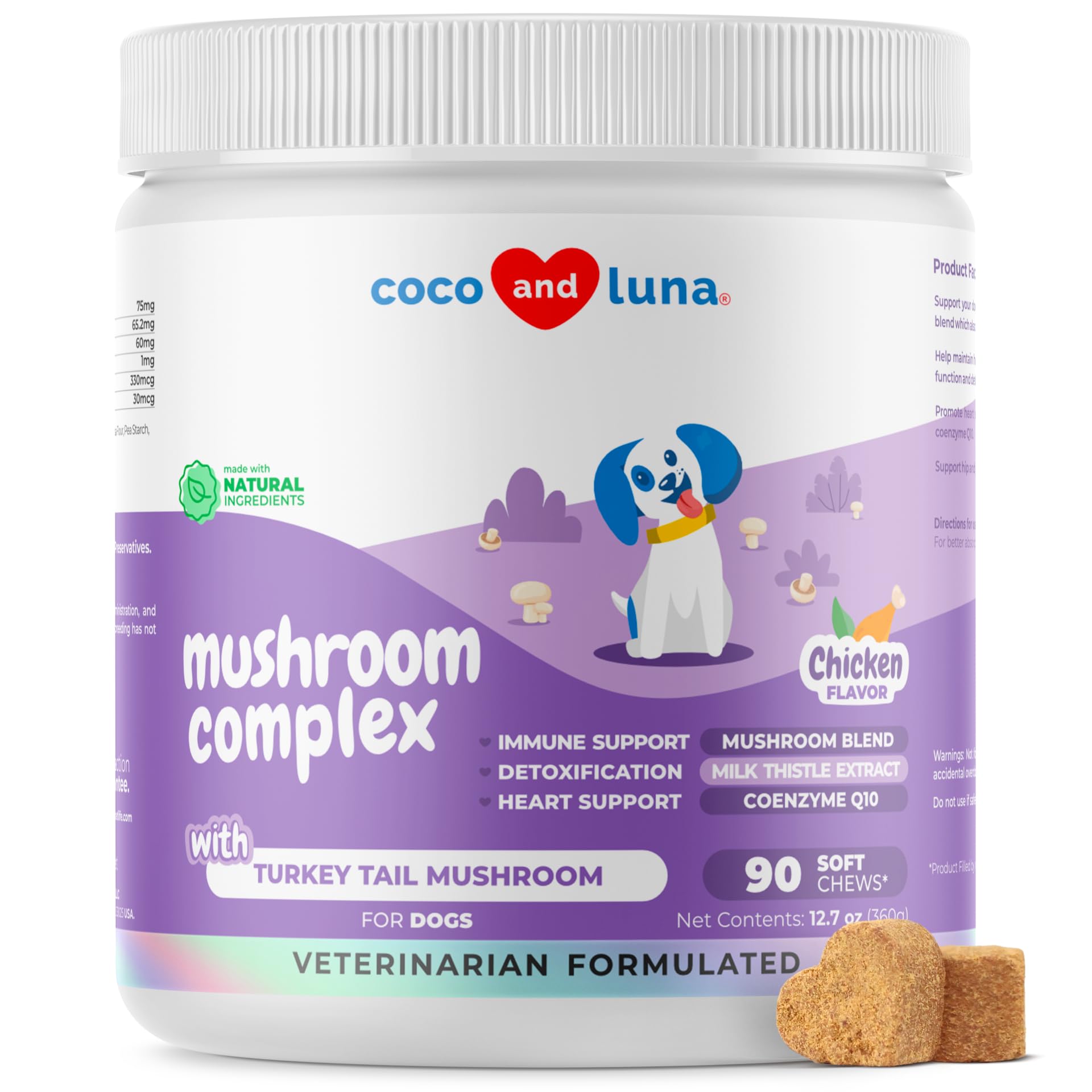
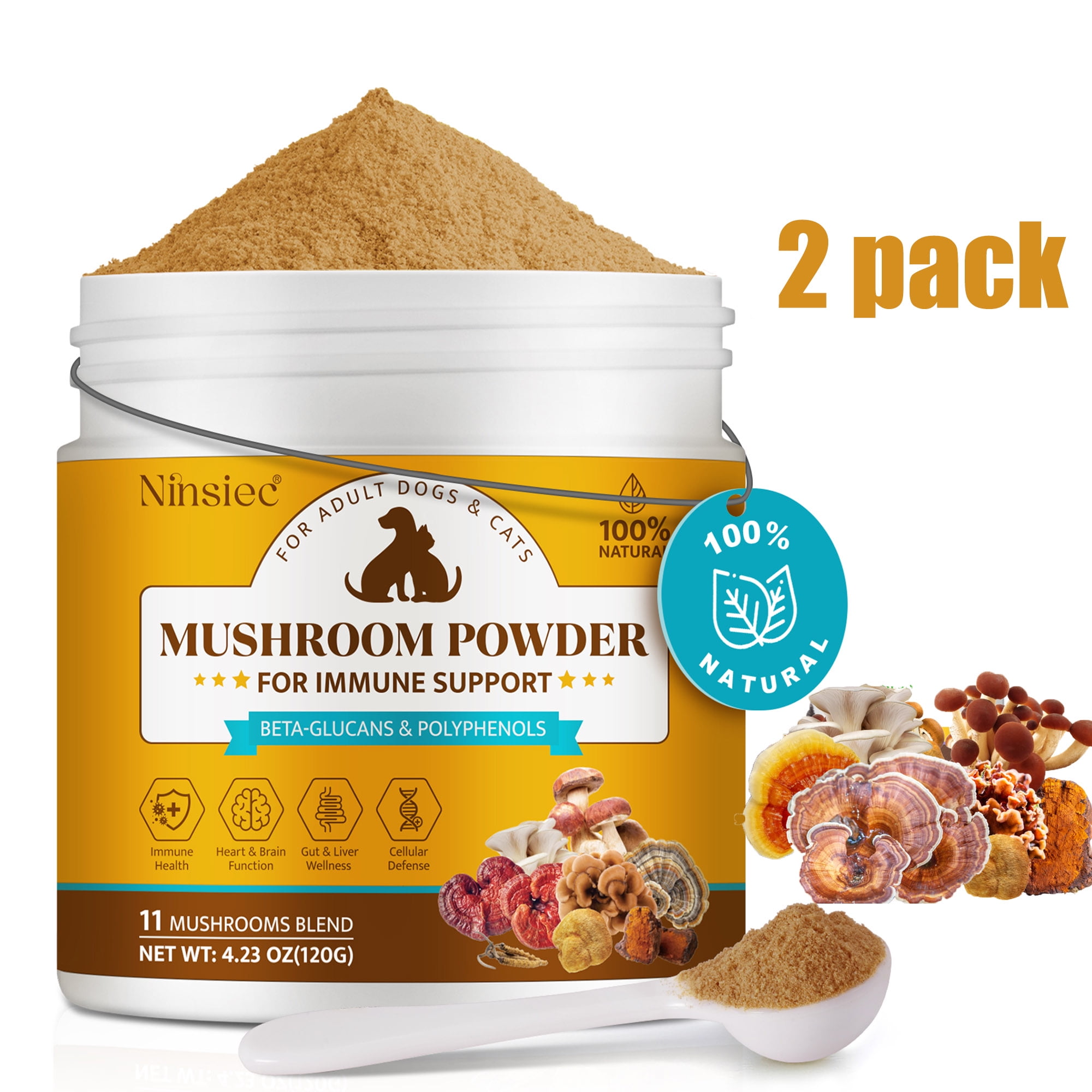
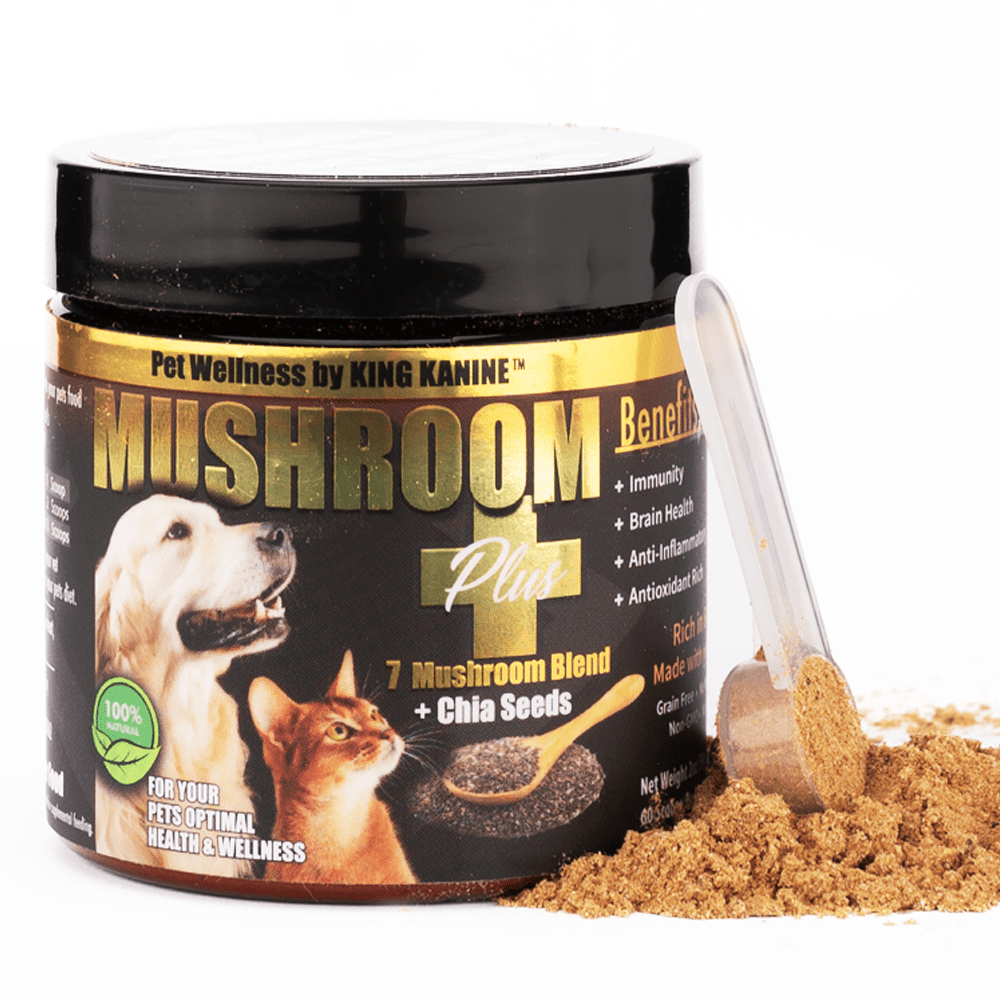
The decision to explore mushroom supplements for dogs often stems from a desire to enhance a pet’s health through natural means. Several factors contribute to their consideration. Firstly, specific types of medicinal mushrooms, such as Reishi, Turkey Tail, Lion’s Mane, Shiitake, and Maitake, contain bioactive compounds like polysaccharides (beta-glucans), triterpenes, and antioxidants. These compounds are believed to offer various health-supporting properties, which are the primary draw for many pet owners. For more related activities, check out our Tibetan Mastiff Food Aggression.
Different mushroom types are often associated with particular benefits. For example, Turkey Tail is widely studied for its immune-modulating effects, while Lion’s Mane is frequently linked to cognitive support. Reishi mushrooms are often cited for their adaptogenic properties, helping the body manage stress and promoting balance. This targeted potential is a key reason owners investigate mushroom supplements. Furthermore, the increasing interest in complementary and alternative veterinary medicine has paved the way for more pet owners to consider natural interventions alongside conventional care. This growing openness to holistic approaches plays a significant role in the rising popularity of these supplements. Discover more free resources across our collection library.
Observable Indicators and Considerations
When considering or introducing mushroom supplements for dogs, observing a pet’s current health status and any changes is paramount. Owners might consider these supplements for dogs exhibiting signs of aging, such as decreased energy or cognitive decline, where Lion’s Mane might be explored. Similarly, dogs with compromised immune systems or those recovering from illness might prompt investigation into immune-boosting mushrooms like Turkey Tail or Reishi. Dogs with digestive sensitivities could potentially benefit from mushroom varieties that support gut health.
Upon introducing any new supplement, including mushroom supplements, careful observation for any adverse reactions is crucial. While generally considered safe, some dogs may experience mild digestive upset, such as loose stools or vomiting, especially during the initial introduction phase. Changes in appetite, lethargy, or unusual behaviors should also be noted. These indicators, though uncommon, necessitate immediate attention. Monitoring a dog’s overall demeanor, energy levels, coat quality, and regularity of bodily functions before and after supplementation provides valuable insights into the product’s suitability and effectiveness.
Practical Approaches and Implementation Strategies
Implementing mushroom supplements for dogs requires a structured and informed approach. The first and most critical step involves thorough research into reputable brands. This means looking for products that provide transparent information about their sourcing, extraction methods, and third-party testing for purity and potency. High-quality supplements often specify the concentration of active compounds like beta-glucans.
Once a suitable product is selected, adherence to proper dosage instructions is vital. These guidelines are typically provided by the manufacturer and should be followed carefully, often starting with a lower dose and gradually increasing to the recommended amount. This allows a dog’s system to adjust and helps identify any sensitivities. Mushroom supplements are commonly available in powder, capsule, or liquid form, making them easy to mix into a dog’s food. Consistency in administration is key, as the beneficial effects of many natural supplements develop over time rather than instantaneously. Maintaining a consistent routine and patiently observing for subtle improvements over several weeks or months is often necessary. Regular documentation of any observed changes in health or behavior can also be beneficial in assessing the supplement’s impact.
When Veterinary Consultation Is Advisable
While mushroom supplements for dogs are natural, their introduction into a pet’s diet should always be discussed with a qualified veterinarian. This professional guidance is essential for several reasons. Firstly, a veterinarian can confirm whether mushroom supplements are appropriate for a dog’s specific health condition, age, and breed, ensuring no underlying medical issues would contraindicate their use.
Secondly, if a dog is currently on any medications or has pre-existing health conditions, a veterinarian can assess potential interactions between the supplements and other treatments. Certain compounds in mushrooms might affect medication efficacy or exacerbate specific conditions. Thirdly, if any adverse reactions or concerning symptoms are observed after starting mushroom supplements, immediate veterinary attention is crucial. A professional can determine the cause of the reaction and advise on appropriate next steps, whether it involves discontinuing the supplement, adjusting the dosage, or addressing an unrelated health issue. Regular veterinary check-ups also provide an opportunity to discuss ongoing supplementation and monitor a dog’s overall health trajectory.
Conclusion
Mushroom supplements for dogs present an intriguing avenue for supporting canine health and wellness through natural means. From immune modulation to cognitive enhancement, the potential benefits associated with various medicinal mushrooms are drawing considerable attention from pet owners. Understanding the different types of mushrooms, their purported effects, and the importance of high-quality sourcing is fundamental for any owner considering these supplements. Ultimately, responsible supplementation involves diligent research, careful observation of a dogs responses, and, most importantly, professional veterinary consultation. By approaching mushroom supplements with informed consideration and expert guidance, owners can make choices that thoughtfully contribute to their beloved companion’s optimal health and enduring vitality, aligning perfectly with the educational mission of petsanimalsworld.com.
Pet Care & Wellness Overview Table
| Life Stage | Daily Activity Level | Key Nutrition / Care Focus |
|---|---|---|
| Puppy / Kitten | High (frequent short bursts) | High-protein growth diet & early socialization |
| Adult Companion | Moderate (30–60 mins daily) | Balanced maintenance nutrition & dental hygiene |
| Senior Pets | Low to Gentle (mindful walks) | Joint support (Glucosamine) & routine vet checks |
Images References