

Introduction
Ensuring a puppy’s healthy growth and development is a paramount concern for any devoted dog owner. While many associate puppyhood with boundless energy and robust appetites, some young canines may struggle to maintain an ideal weight. The concept of puppy supplements for weight gain refers to specialized nutritional aids designed to help underweight or recovering puppies achieve a healthy body condition. Understanding when and why these supplements might be necessary provides a crucial foundation for optimal canine care. This proactive approach supports not only physical development but also contributes to a stronger immune system, improved energy levels, and a generally happier, more resilient companion. Properly addressing a puppy’s weight concerns ensures they receive the essential nutrients required for a thriving start in life, directly impacting their long-term health and well-being.
💡 Pet Care Key Takeaways:
- Core Focus: Practical health, nutrition, and wellness guidelines for Puppy Supplements For Weight Gain.
- Target Scope: Pet owners, animal caregivers, and veterinary support staff.
- Best Recommendation: Maintain consistent daily routines and consult an accredited veterinarian before introducing major diet or medical changes.
Common Causes and Key Factors
Several factors can contribute to a puppy’s inability to gain or maintain an appropriate weight, necessitating a closer look at their nutritional and health status. One common cause is an inadequate dietary intake. This can stem from being fed insufficient quantities of food, receiving a diet that is not calorically dense enough for their growth stage, or consuming low-quality kibble that lacks vital nutrients. High-energy breeds or exceptionally active individual puppies may also naturally burn calories at a faster rate, requiring a higher caloric intake than standard recommendations. For more related activities, check out our Purina One Xxl 10Kg Feeding Guide 20Kg Dog.
Internal parasites present another significant challenge. Worms, such as roundworms or hookworms, are unfortunately common in young puppies and can leach essential nutrients, preventing proper absorption and leading to malnourishment and weight loss despite adequate feeding. Regular deworming protocols are crucial in preventing this issue.
Underlying health conditions can also impede weight gain. Chronic illnesses, malabsorption disorders, dental problems that make eating difficult, or even stress from environmental changes can suppress appetite or hinder the body’s ability to utilize nutrients effectively. Factors like stress from a new home environment or competition within a litter can lead to reduced food intake. Furthermore, some genetic predispositions in certain breeds might result in a naturally leaner body type or a slower rate of weight accretion compared to others.
Signs and Symptoms to Observe
Recognizing the signs that a puppy might be underweight is crucial for timely intervention. Visual cues are often the most immediate indicators. A puppy struggling with weight gain may exhibit prominent ribs, spine, or hip bones that are easily visible or felt beneath the skin, indicating a lack of adequate fat covering. A healthy puppy should have a slight padding over these areas.
Beyond physical appearance, behavioral changes can also signal an issue. Lethargy or unusually low energy levels compared to typical puppy exuberance might be observed. An underweight puppy might not be as playful, active, or inquisitive as expected for its age and breed. The condition of their coat can also deteriorate, appearing dull, dry, or excessively shedding, a common symptom of nutritional deficiencies.
Perhaps one of the most concerning signs is a failure to thrive, where a puppy does not grow at the expected rate when compared to its littermates or breed-specific growth charts. This might be accompanied by a picky appetite or general reluctance to eat sufficient quantities of food. Puppies that are consistently underweight may also experience more frequent illnesses, as their compromised nutritional status can weaken their immune system, making them more susceptible to infections. Observing these signs carefully helps determine if further steps, including dietary adjustments or professional consultation, are necessary.
Practical Solutions and Management Strategies
Addressing a puppy’s struggle with weight gain requires a multi-faceted approach, always beginning with a veterinary assessment. The primary step involves ensuring the puppy is receiving a high-quality, age-appropriate puppy food that is specifically formulated for growth and development. These foods typically contain higher calorie and nutrient densities compared to adult formulas. Adjusting feeding frequency and portion sizes can be effective; offering smaller, more frequent meals throughout the day may be more manageable for a puppy’s digestive system and encourage greater overall intake.
Once underlying health issues have been ruled out by a veterinarian, calorie-dense additions can be considered. Small amounts of plain, cooked chicken, cottage cheese, or scrambled eggs (without seasonings) can provide an extra boost of protein and fat. However, any additions to the diet should be introduced gradually and with veterinary approval to prevent digestive upset and ensure nutritional balance. For puppies with diagnosed malabsorption or specific deficiencies, a veterinarian might recommend digestive enzyme supplements or specific vitamin formulations.
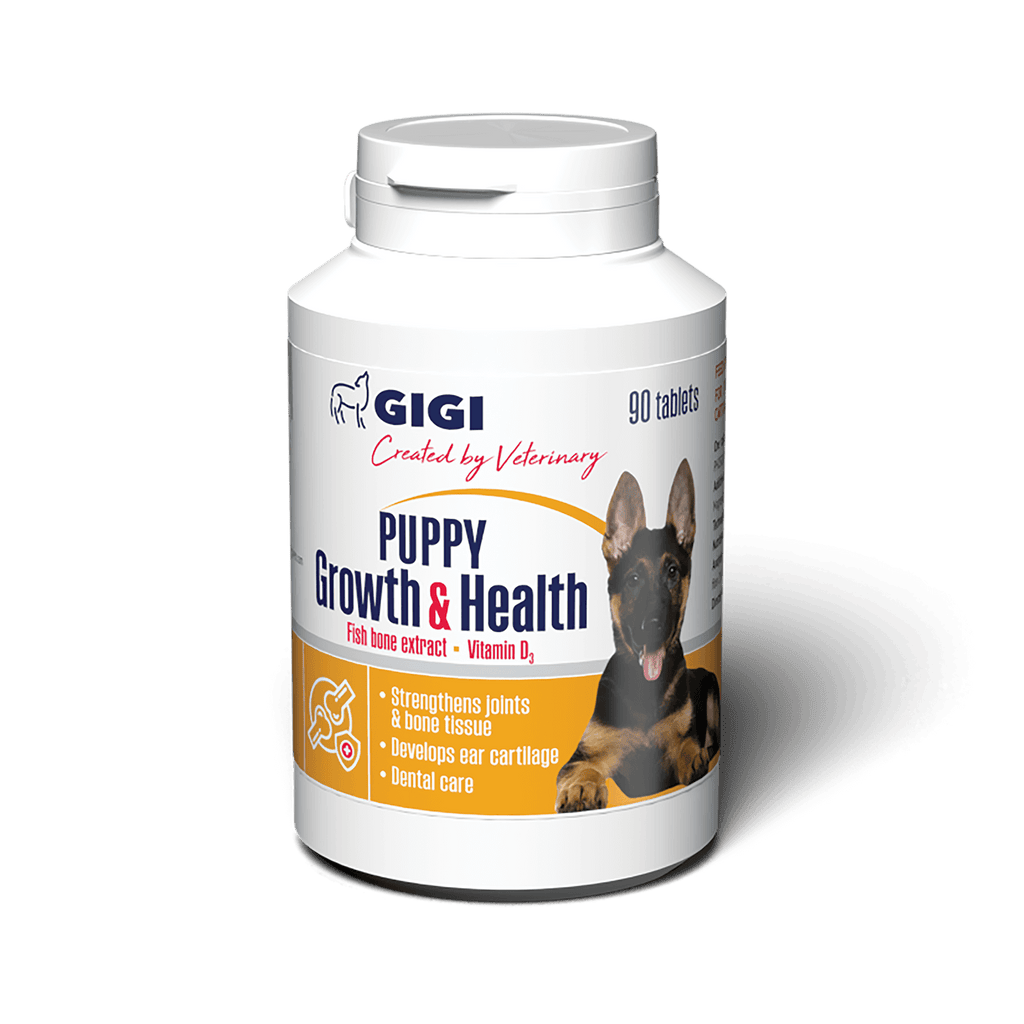
Specialized puppy supplements for weight gain, such as high-calorie pastes or nutrient-rich gels, are often available. These products are designed to provide concentrated calories and essential nutrients in a small volume, making them ideal for puppies with poor appetites or high energy demands. Regular deworming according to a veterinarian’s schedule is critical, as parasites are a common impediment to weight gain. Creating a calm and consistent eating environment, free from distractions or competition from other pets, can also encourage a more relaxed and effective feeding experience. Controlled, appropriate exercise is important for overall health but should not be excessive, as over-exertion can burn too many calories unnecessarily when weight gain is the goal.
When Professional Help May Be Needed
While diligent observation and dietary adjustments are often effective, there are specific circumstances when veterinary consultation or professional guidance becomes indispensable. If a puppy’s underweight condition persists despite consistent efforts with appropriate high-quality food and increased caloric intake, a deeper medical investigation is warranted. Persistent weight issues often signal an underlying health problem that requires professional diagnosis and treatment.
Immediate veterinary attention is necessary if a puppy exhibits a sudden or prolonged loss of appetite (more than 24 hours), especially if accompanied by other concerning symptoms. The presence of diarrhea, vomiting, or significant lethargy alongside poor weight gain also indicates a potential medical emergency that cannot be resolved through dietary changes alone.
Crucially, before introducing any form of puppy supplements for weight gain, a thorough veterinary examination is highly recommended. A veterinarian can accurately diagnose the cause of the weight issue, rule out serious conditions, and recommend the most appropriate and safe supplements or dietary strategies tailored to the individual puppy’s needs. Relying solely on supplements without professional guidance could mask a serious illness or lead to an imbalanced diet, potentially causing more harm than good. A veterinarian’s expertise ensures that interventions are both safe and effective for the puppy’s long-term health.
Conclusion
Addressing a puppy’s weight gain challenges is a vital aspect of responsible pet ownership, directly influencing their long-term health and vitality. Understanding the potential causes, recognizing key signs, and implementing practical, vet-approved strategies are fundamental steps. While premium nutrition and a nurturing environment form the bedrock of healthy development, puppy supplements for weight gain can play a supportive role when guided by professional veterinary advice. Consistent observation, proactive care, and the willingness to seek expert help when needed ensure that every puppy receives the best possible start. By prioritizing their nutritional needs and overall well-being, dog owners contribute significantly to a happy, healthy, and thriving life for their cherished canine companions.
Pet Care & Wellness Overview Table
| Life Stage | Daily Activity Level | Key Nutrition / Care Focus |
|---|---|---|
| Puppy / Kitten | High (frequent short bursts) | High-protein growth diet & early socialization |
| Adult Companion | Moderate (30–60 mins daily) | Balanced maintenance nutrition & dental hygiene |
| Senior Pets | Low to Gentle (mindful walks) | Joint support (Glucosamine) & routine vet checks |
Images References




For more expert pet care tips and advice, check out our dedicated Dog Nutrition guides to keep your companions healthy and happy.




