

Introduction
Selecting the appropriate diet stands as a cornerstone of responsible dog ownership, directly influencing a canine companion’s vitality and longevity. Among the numerous options available, Hills Science Diet has established itself as a prominent brand, recognized for its science-backed nutritional formulations. This brand represents a significant player in the pet food industry, distinguished by its focus on tailored nutrition for various life stages, breed sizes, and specific health needs of dogs. Understanding the philosophy and product range of Hills Science Diet enables owners to make informed decisions regarding their dog’s dietary requirements. A well-chosen diet, aligned with a dog’s unique physiology and health status, can dramatically enhance its overall well-being, contribute to a healthy coat, maintain optimal energy levels, and support a robust immune system, thereby significantly improving its quality of life.
💡 Pet Care Key Takeaways:
- Core Focus: Practical health, nutrition, and wellness guidelines for Hills Science Diet.
- Target Scope: Pet owners, animal caregivers, and veterinary support staff.
- Best Recommendation: Maintain consistent daily routines and consult an accredited veterinarian before introducing major diet or medical changes.
Common Causes and Key Factors
The widespread use and recommendation of Hills Science Diet are rooted in several key factors that influence pet owners’ dietary choices. Foremost among these is often veterinary recommendation. Veterinarians frequently suggest Hills Science Diet due to the brand’s extensive research, clinical testing, and the development of specialized formulas. The specific nutritional needs of individual dogs also play a crucial role. These needs vary significantly based on age, differentiating between the rapid growth phase of puppies, the sustained energy requirements of adult dogs, and the age-related changes observed in senior canines. For more related activities, check out our Home Remedy For Dog With Struvite Crystals.
Breed size presents another important consideration, with formulas designed to meet the metabolic rates and structural support needs of small, medium, and large breeds. Furthermore, activity levels dictate caloric intake, with high-energy dogs requiring denser, more calorie-rich diets. Perhaps one of the most compelling aspects of Hills Science Diet is its comprehensive range of therapeutic or prescription diets, developed to manage specific health conditions. These include formulations for weight management, sensitive stomachs, joint health, allergies, and various organ diseases, highlighting the brand’s commitment to addressing complex dietary requirements through scientific innovation.
The brand emphasizes ingredient quality and digestibility, aiming to provide foods that dogs can efficiently process and absorb nutrients from. This focus is critical for preventing digestive upset and ensuring optimal nutrient utilization. The substantial investment in scientific research and development, involving veterinary nutritionists and food scientists, underpins the credibility and effectiveness of Hills Science Diet products, offering a level of assurance to concerned pet owners.
Signs and Symptoms to Observe
A dog’s diet profoundly impacts its physical health and observable behaviors. While Hills Science Diet aims to address various nutritional requirements, discerning whether a diet is suitable involves careful observation of several key indicators. The condition of a dog’s coat and skin serves as an immediate visual cue; a dull, dry, flaky coat or persistent skin irritation might signal nutritional deficiencies or allergies. Conversely, a healthy dog typically exhibits a shiny, soft coat and supple skin.
Energy levels are another important metric. A dog experiencing lethargy, lack of enthusiasm for play, or excessive hyperactivity could be responding to an imbalanced diet, either lacking sufficient energy or struggling with certain ingredients. Digestive health provides critical feedback. Signs such as consistent loose stools, constipation, excessive gas, or recurrent vomiting frequently point to dietary sensitivities or an inappropriate food choice. A well-balanced diet should promote firm, consistent stool.
Weight management is a practical consideration. Both underweight and overweight conditions often stem from improper caloric intake or nutrient balance. A suitable diet helps maintain an ideal body condition. Furthermore, signs of allergies or sensitivities, including chronic itching, paw licking, ear infections, or skin redness, can be directly linked to dietary components. While these signs can vary based on a dog’s age, breed predispositions, and environmental factors, a dog thriving on an appropriate diet generally displays good energy, mental alertness, healthy bodily functions, and an overall vigorous demeanor.
Practical Solutions and Management Strategies
Effectively managing a dog’s nutrition, often with the consideration of brands like Hills Science Diet, involves a structured approach. The initial and most crucial step is a consultation with a veterinarian. A veterinary professional can accurately assess a dog’s current health, identify any underlying medical conditions, and provide tailored recommendations based on individual needs, which may include specific Hills Science Diet formulas.
Once a recommendation is made, selecting the right formula within the Hills Science Diet range becomes paramount. This involves choosing a product that aligns with the dog’s age (e.g., puppy, adult, senior formulas), size, activity level, and any specific health concerns (e.g., weight control, digestive care, joint support, or formulas from the Prescription Diet line for clinical conditions). Understanding the specific benefits of each formula ensures optimal nutritional support.
When transitioning a dog to a new food, including Hills Science Diet, a gradual introduction is essential. This process typically involves mixing increasing amounts of the new food with decreasing amounts of the old food over a period of 7 to 10 days. This slow change helps prevent digestive upset and allows the dog’s system to adjust smoothly. Portion control and adherence to a consistent feeding schedule are also vital. The caloric density of pet foods varies, so following the feeding guidelines on the Hills Science Diet packaging, adjusted for a dog’s ideal weight and activity, is important. Dividing daily portions into two or more meals can also aid digestion.
Ongoing monitoring of a dog’s condition is a continuous management strategy. Regular observation of weight, coat quality, energy levels, and stool consistency provides valuable feedback on the diet’s effectiveness. Should any adverse changes be noted, or if the dog’s needs evolve, adjustments to the diet can be made, ideally in consultation with a veterinarian.
When Professional Help May Be Needed
While diligent dietary management, potentially involving Hills Science Diet products, is crucial, there are clear instances when professional veterinary consultation or specialized support becomes indispensable. If a dog exhibits persistent health issues despite being on a well-chosen diet, such as ongoing poor coat quality, chronic digestive problems, unmanageable weight fluctuations, or consistently low energy levels, veterinary intervention is warranted. These symptoms can indicate underlying medical conditions that require more than just a change in diet.
The diagnosis of specific medical conditions, such as kidney disease, diabetes, severe allergies, or other chronic illnesses, unequivocally necessitates professional guidance. In these cases, a veterinarian will often prescribe specialized therapeutic diets, such as those found in the Hills Prescription Diet line, which are formulated to medically manage and support specific health challenges. Attempting to address such complex health issues without veterinary oversight could lead to exacerbated conditions and compromised well-being.
Furthermore, if a dietary change to Hills Science Diet or any other quality food does not yield the expected improvements in a dog’s health or behavior after a reasonable period, further veterinary investigation is crucial to rule out other medical causes. Similarly, significant or sudden behavioral changes, even if potentially diet-related, should always prompt a visit to the veterinarian to ensure no serious underlying medical issues are present. Professional support ensures accurate diagnosis and the most effective course of action for a dog’s health.
Conclusion
The thoughtful selection of a dog’s diet is a foundational element of its care, with brands like Hills Science Diet offering a diverse range of nutritionally balanced options developed with extensive scientific research. From supporting the rapid growth of puppies to managing the specific health challenges of senior dogs, Hills Science Diet provides formulations designed to meet varied requirements. An informed approach to nutrition, often guided by professional veterinary advice, stands as a cornerstone of responsible dog ownership. Paying close attention to a dog’s age, breed, activity level, and any unique health conditions ensures that dietary choices are optimized for its individual needs. Consistent observation of a dog’s physical condition and behavior allows for timely adjustments, ensuring the diet continues to support its health effectively. Ultimately, a well-chosen and appropriate diet contributes significantly to a dog’s health, happiness, and overall longevity, embodying a commitment to its lifelong well-being.
Pet Care & Wellness Overview Table
| Life Stage | Daily Activity Level | Key Nutrition / Care Focus |
|---|---|---|
| Puppy / Kitten | High (frequent short bursts) | High-protein growth diet & early socialization |
| Adult Companion | Moderate (30–60 mins daily) | Balanced maintenance nutrition & dental hygiene |
| Senior Pets | Low to Gentle (mindful walks) | Joint support (Glucosamine) & routine vet checks |
Images References


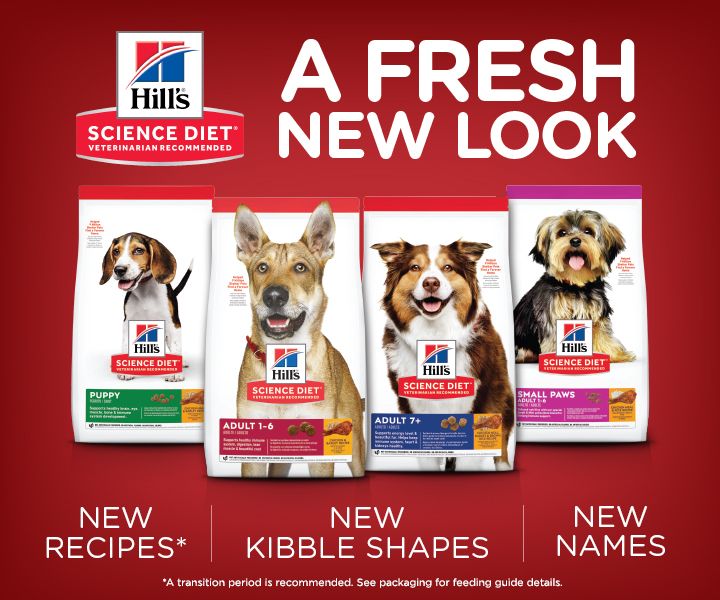


For more expert pet care tips and advice, check out our dedicated Dog Health guides to keep your companions healthy and happy.


