

Introduction
The concept of “puppy toilet” refers to the entire process surrounding a young dog’s elimination habits, encompassing everything from bladder and bowel control development to the crucial journey of house training. For any new dog owner, mastering this aspect is not merely about maintaining a clean home; it is a fundamental building block for a puppys well-being, behavioral development, and the overall quality of the relationship established between pet and guardian. This phase commonly presents challenges as puppies possess underdeveloped physiological control and require consistent guidance to understand appropriate elimination locations. A thorough understanding of puppy toileting needs and effective training strategies can significantly reduce stress for both the puppy and its family, fostering a confident, well-adjusted canine companion.
💡 Pet Care Key Takeaways:
- Core Focus: Practical health, nutrition, and wellness guidelines for Puppy Toilet.
- Target Scope: Pet owners, animal caregivers, and veterinary support staff.
- Best Recommendation: Maintain consistent daily routines and consult an accredited veterinarian before introducing major diet or medical changes.
Common Causes and Key Factors
Successful “puppy toilet” training hinges on understanding the various factors influencing a puppy’s elimination behavior. Physiologically, young puppies have small bladders and underdeveloped sphincter muscles, necessitating frequent urinationoften every few hours. Their digestive systems are also still maturing, leading to more frequent and less predictable bowel movements, particularly after meals, naps, and periods of play. For more related activities, check out our Iaabc Dog Behavior Welfare Enrichment Training Resources.
Environmental factors play a critical role. An inconsistent schedule for potty breaks can confuse a puppy, making it difficult to learn when and where to eliminate. Lack of easy access to a designated toilet area, or an area that feels unsafe or unpleasant to the puppy, can also lead to indoor accidents. Similarly, distractions in the designated potty area can prevent a puppy from focusing on the task at hand.
Training-related issues are significant contributors to “puppy toilet” challenges. Insufficient supervision indoors means a puppy can have accidents unnoticed, missing opportunities for redirection. Inconsistent communication regarding the desired potty spot, or failure to reward successful eliminations promptly, hinders learning. Conversely, punishment for accidents can teach a puppy to fear eliminating in front of its human, leading to secretive indoor toileting.
Medical conditions must also be considered. Urinary tract infections (UTIs) can cause increased frequency and urgency, often leading to accidents. Intestinal parasites or dietary sensitivities can result in diarrhea or frequent bowel movements, making house training particularly difficult. Any sudden change in a puppy’s toileting habits should prompt a veterinary consultation to rule out underlying health issues.
Signs and Symptoms to Observe
Recognizing a puppy’s pre-elimination cues is paramount for effective “puppy toilet” training. Before needing to relieve themselves, puppies often exhibit distinct behaviors. These can include sniffing the ground intently, circling restlessly, whining, or suddenly becoming quiet and focused. A puppy might also start heading towards a secluded corner of a room, a doorway, or an area previously used for accidents. Some puppies may scratch at a door or give a specific bark indicating their need.
Observing the patterns of actual elimination is equally important. Note the frequency of urination and defecation, the typical times they occur (e.g., immediately after waking, eating, or playing), and the specific locations of any indoor accidents. Consistent indoor accidents in the same spot might indicate a lingering odor acting as an attractant, while random accidents might suggest a lack of understanding regarding the designated toilet area.
Changes in elimination patterns or appearance can signal health concerns. Increased frequency of urination, straining during elimination, blood in the urine or stool, or changes in stool consistency (e.g., diarrhea or extreme hardness) warrant attention. Excessive licking of the genital area can also indicate discomfort or infection. These signs can vary with a puppy’s age, breed, and general environment, emphasizing the need for diligent observation.
Practical Solutions and Management Strategies
Effective management of “puppy toilet” behavior requires a multi-faceted approach centered on consistency, structure, and positive reinforcement. Establishing a predictable schedule for potty breaks is crucial. Take the puppy outside immediately upon waking in the morning, after every nap, within 15-20 minutes of eating or drinking, after playing, and right before bedtime. Young puppies may need to go out every 1-2 hours initially.
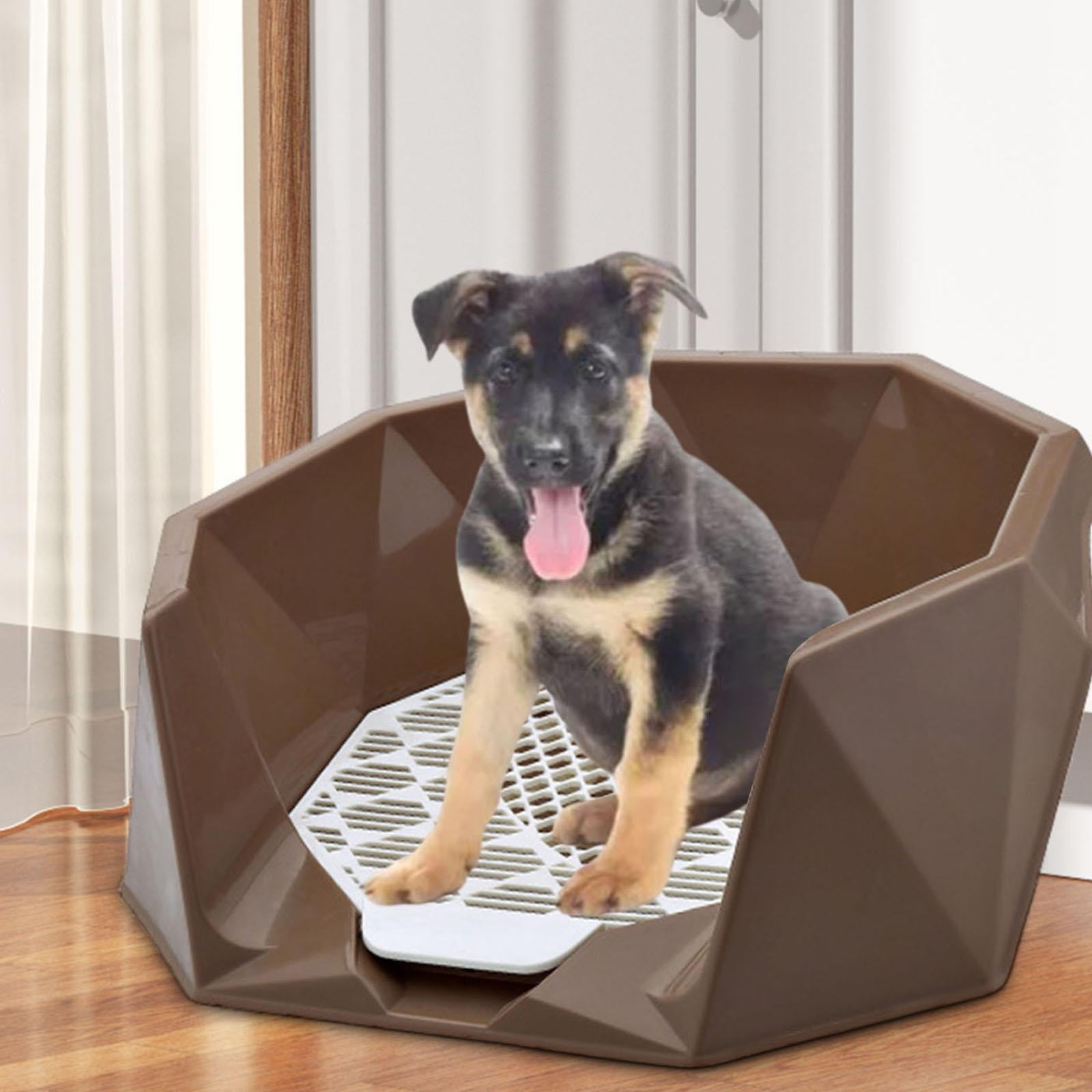
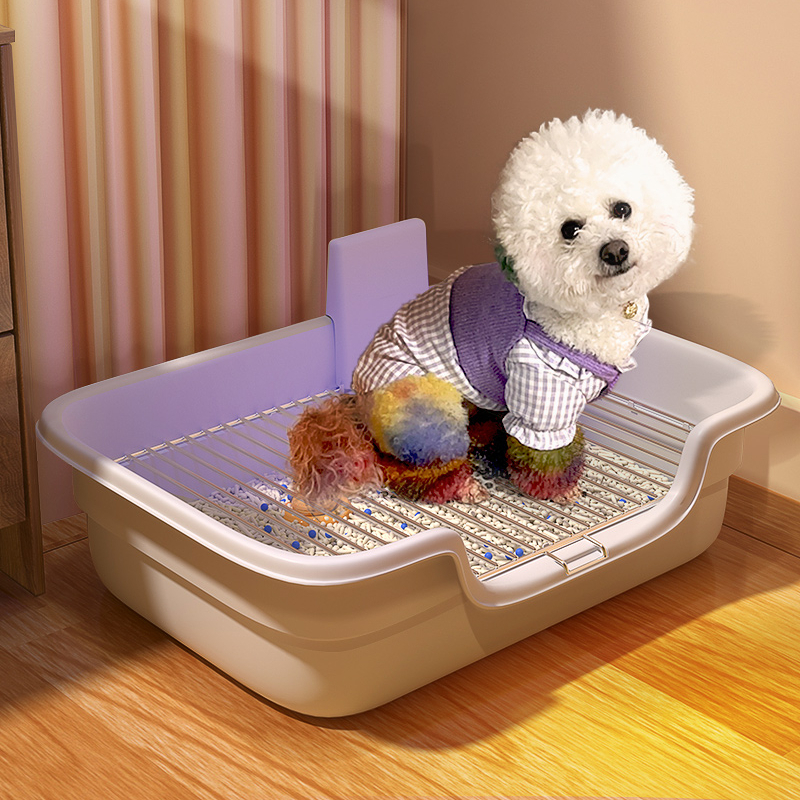
Designating a specific, consistent potty area, whether outdoors or an indoor alternative like puppy pads or an artificial turf patch, is vital. Always take the puppy to this exact spot, allowing it time to sniff and eliminate. Providing a verbal cue like “go potty” as the puppy eliminates can help create an association.
Close supervision indoors prevents accidents. When direct supervision is not possible, confine the puppy to a safe, small, puppy-proofed area like a playpen or a crate. Crate training is a highly effective method, leveraging a dog’s natural instinct to avoid soiling its sleeping area. Ensure the crate is appropriately sized, allowing the puppy to stand up, turn around, and lie down comfortably but not large enough to designate a separate “toilet” area.
The cornerstone of successful training is positive reinforcement. Immediately after the puppy finishes eliminating in the correct spot, offer lavish praise, a small high-value treat, and perhaps a quick moment of play. This immediate reward helps the puppy understand that it has done something desirable.
Accidents will happen, and how they are handled is important. Never punish a puppy for an indoor accident; this can lead to fear and secretive elimination. Instead, calmly interrupt the puppy if caught in the act, gently pick it up, and immediately take it to the designated potty area. Thoroughly clean any accidents using an enzymatic cleaner to neutralize odors, which can otherwise attract the puppy back to the same spot.
Dietary consistency also plays a role. Feeding a high-quality, consistent diet at regular times can lead to more predictable bowel movements, aiding in schedule adherence.
When Professional Help May Be Needed
While many “puppy toilet” challenges can be resolved with consistent application of the strategies outlined, there are specific circumstances where professional intervention becomes advisable. A sudden and unexplained onset of accidents in a puppy that was previously well on its way to being house-trained should always prompt a visit to a veterinarian. This abrupt change could indicate an underlying medical issue, such as a urinary tract infection, kidney problems, or gastrointestinal distress, which requires veterinary diagnosis and treatment.
Physical symptoms accompanying toileting issues are another clear sign for professional consultation. These include straining during urination or defecation, the presence of blood in urine or stool, excessive thirst, lethargy, loss of appetite, or persistent vomiting or diarrhea. Such symptoms can indicate serious health concerns requiring immediate medical attention.
If consistent and appropriate house-training methods have been diligently applied for a reasonable period (e.g., several weeks) without significant improvement, or if the problem seems to be worsening despite efforts, seeking guidance from a certified professional dog trainer or a veterinary behaviorist is recommended. They can assess the specific situation, identify potential overlooked factors, and offer tailored training plans.
Furthermore, extreme behavioral concerns related to toileting, such as severe anxiety when needing to eliminate, fear-based urination, or persistent submissive or excitement urination that extends beyond typical puppyhood, may also benefit from professional behavioral consultation. These issues often have roots in deeper emotional or learned responses that require specialized expertise to address effectively.
Conclusion
Mastering “puppy toilet” behaviors is a foundational aspect of raising a well-adjusted dog and creating a harmonious household. This journey requires dedication, consistency, and a deep understanding of canine development and communication. By diligently observing a puppy’s cues, establishing a consistent schedule, utilizing positive reinforcement, and ensuring a designated, accessible potty area, dog owners can effectively guide their young companions toward appropriate elimination habits. Patience remains a critical virtue throughout this training phase, as accidents are an inevitable part of the learning process. Early intervention, informed observation, and a supportive, reward-based approach are key to fostering a puppy’s confidence and ensuring successful house training. Through these efforts, the rewarding experience of welcoming a well-behaved and cherished companion into the home becomes a reality, enriching the lives of both the puppy and its family.
Pet Care & Wellness Overview Table
| Life Stage | Daily Activity Level | Key Nutrition / Care Focus |
|---|---|---|
| Puppy / Kitten | High (frequent short bursts) | High-protein growth diet & early socialization |
| Adult Companion | Moderate (30–60 mins daily) | Balanced maintenance nutrition & dental hygiene |
| Senior Pets | Low to Gentle (mindful walks) | Joint support (Glucosamine) & routine vet checks |
Images References





For more expert pet care tips and advice, check out our dedicated Dog Training guides to keep your companions healthy and happy.




