

Introduction
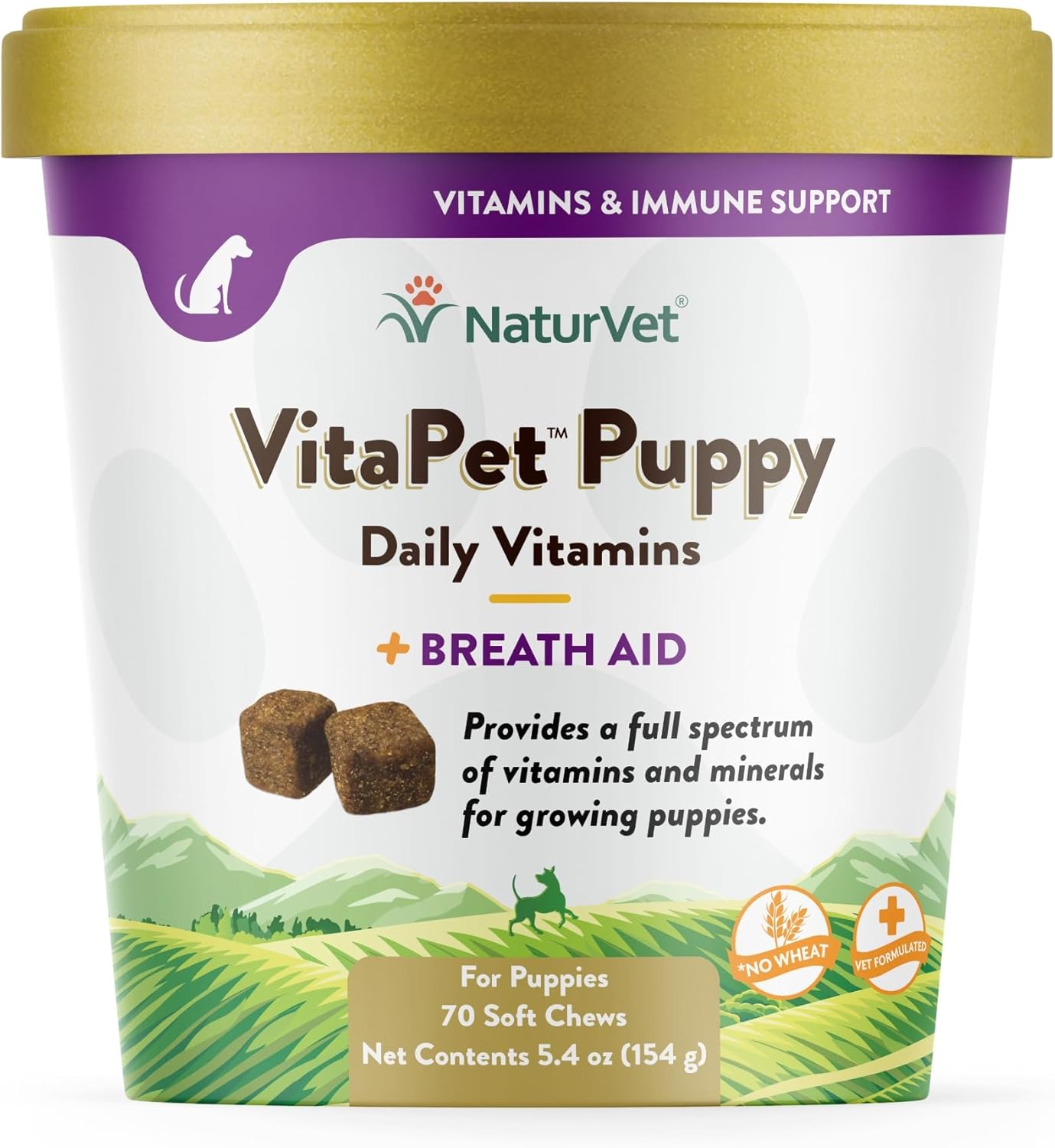
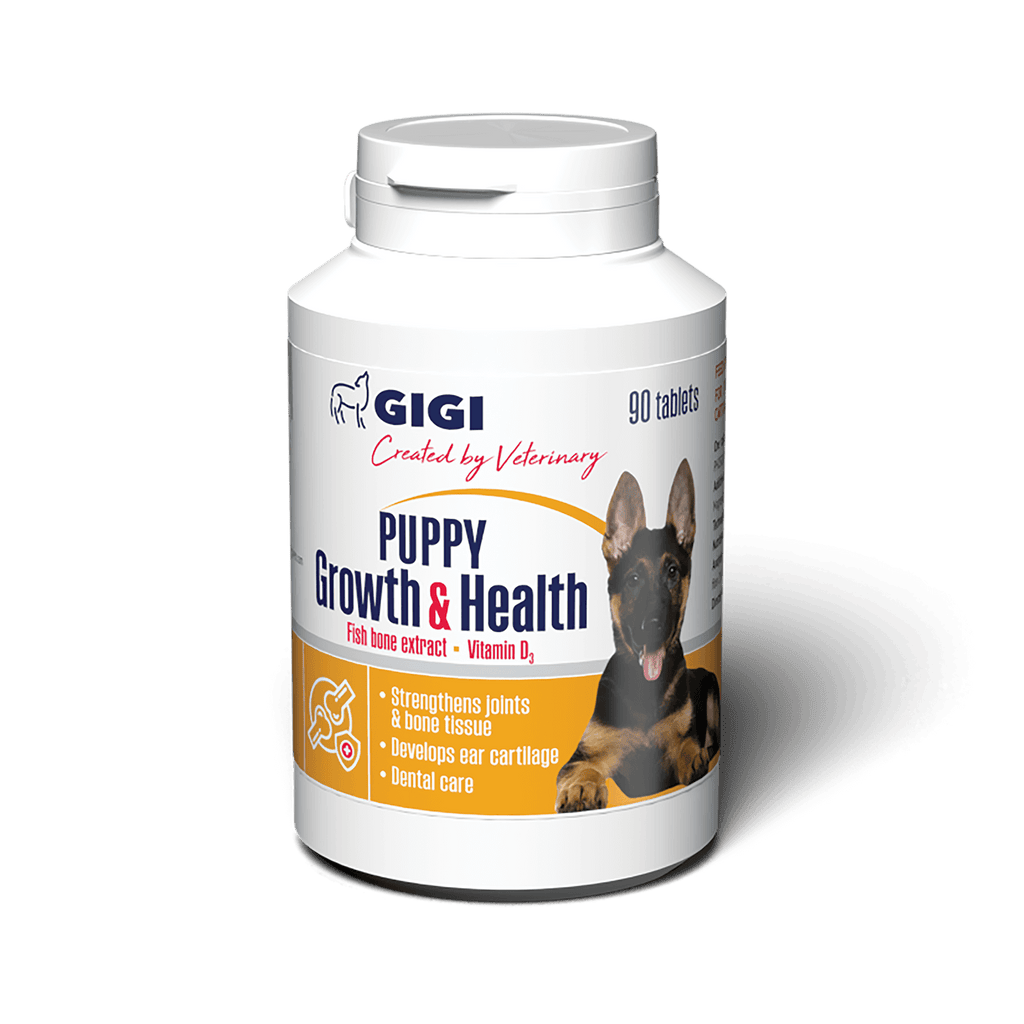
The nutritional demands of a growing puppy are immense, laying the foundation for a lifetime of health and vitality. Understanding the role of a balanced diet is paramount, and this often leads to questions about puppy vitamin supplements. These products are formulated to provide additional vitamins and minerals beyond what a standard diet might offer, often with the intent of bridging nutritional gaps or supporting specific physiological processes. The topic becomes particularly relevant when a puppy’s growth rate is rapid, when dietary quality is uncertain, or when specific health concerns arise. A clear grasp of when and why these supplements might be considered, or more importantly, when they are not needed, is crucial for improving a dog’s overall well-being and ensuring proper development.
💡 Pet Care Key Takeaways:
- Core Focus: Practical health, nutrition, and wellness guidelines for Puppy Vitamin Supplements.
- Target Scope: Pet owners, animal caregivers, and veterinary support staff.
- Best Recommendation: Maintain consistent daily routines and consult an accredited veterinarian before introducing major diet or medical changes.
Common Causes and Key Factors
Several factors contribute to discussions around puppy vitamin supplements. Primarily, the quality and completeness of a puppy’s diet stand as the most significant determinant. High-quality commercial puppy foods are typically formulated to be nutritionally complete and balanced, adhering to standards set by regulatory bodies, thus minimizing the need for additional supplementation. For more related activities, check out our Natural Balance Puppy Food Quantity Chart.
However, not all diets are created equal. Homemade diets, while well-intentioned, can frequently lack essential nutrients or contain them in incorrect ratios unless meticulously formulated by a veterinary nutritionist. Similarly, some lower-quality commercial foods may not provide optimal levels of certain vitamins.
Another key factor is the rapid growth phase of puppies. Large and giant breeds, in particular, experience accelerated growth that places immense demands on their skeletal system and overall metabolism. Imbalances or deficiencies during this critical period can have long-lasting consequences, although over-supplementation can be equally detrimental. Underlying health conditions, such as malabsorption disorders or chronic illnesses, can also impair a puppy’s ability to absorb and utilize nutrients from its food, potentially necessitating targeted supplementation under veterinary guidance.
Signs and Symptoms to Observe
Observing a puppy’s physical condition and behavior can offer clues regarding its nutritional status, though these signs are not exclusive to vitamin deficiencies and always warrant professional evaluation. One common indicator can be a dull, dry, or brittle coat that lacks the usual puppy sheen, possibly accompanied by excessive shedding or skin issues.
Lethargy, reduced playfulness, or an overall lack of energy that is not attributable to normal rest cycles might also suggest nutritional shortcomings. Puppies with significant deficiencies might exhibit slower growth rates or appear undersized for their age and breed. In severe cases, skeletal abnormalities or lameness can emerge, especially in rapidly growing large breeds where calcium, phosphorus, and vitamin D levels are not properly balanced.
Less common, but still possible, are issues like pica (the consumption of non-food items), which can sometimes be linked to mineral deficiencies. A weakened immune response, leading to more frequent or severe infections, can also be a subtle sign of inadequate vitamin intake, as many vitamins play crucial roles in immune function. It is important to remember that these symptoms can arise from a multitude of health problems, making accurate veterinary diagnosis essential.
Practical Solutions and Management Strategies
The cornerstone of managing a puppy’s nutritional needs, and by extension, the consideration of puppy vitamin supplements, begins with a high-quality, complete, and balanced puppy-specific diet. For the vast majority of puppies, a premium commercial puppy food designed for their age and breed size provides all necessary nutrients without the need for additional supplementation. Owners opting for homemade diets must consult with a board-certified veterinary nutritionist to ensure the diet is precisely balanced for their puppy’s specific needs, as imbalances can be highly detrimental.
If a veterinarian diagnoses a specific vitamin or mineral deficiency, targeted supplementation will be recommended. This approach ensures that only the necessary nutrients are provided and in appropriate dosages, preventing the risks associated with over-supplementation. Strict adherence to veterinary instructions regarding type, dosage, and duration of any supplement is critical.
Environmental enrichment and stress reduction also play a supportive role in overall health, as a healthy, happy puppy is better able to utilize nutrients. Regular exercise appropriate for the puppy’s age and breed supports healthy growth and development. Avoiding the temptation to indiscriminately add human vitamin supplements or general “all-in-one” pet supplements without professional advice is a vital management strategy, as these can easily lead to nutrient toxicities or imbalances.
When Professional Help May Be Needed
Consulting a veterinarian is the most critical step whenever there are concerns about a puppy’s health or nutrition, especially when considering puppy vitamin supplements. Professional help is unequivocally needed if a puppy exhibits any of the previously mentioned signs of potential nutrient deficiency, such as persistent lethargy, poor coat quality, stunted growth, or unusual behaviors. A veterinarian can perform diagnostic tests to identify specific deficiencies or underlying health issues that might be impacting nutrient absorption.
It is also essential to seek veterinary advice before initiating any supplementation. Providing vitamins or minerals without a diagnosed need can be dangerous, leading to hypervitaminosis (vitamin toxicity) or mineral imbalances, which can sometimes be more harmful than a deficiency. This is particularly true for fat-soluble vitamins (A, D, E, K) and certain minerals like calcium, which can accumulate in the body and cause serious health problems. For puppies on specialized diets, such as those with allergies or specific medical conditions, ongoing veterinary nutritional guidance is indispensable to ensure all dietary requirements are met safely.
Conclusion
The journey of raising a healthy puppy is deeply intertwined with providing optimal nutrition. While puppy vitamin supplements can play a vital, targeted role in addressing specific nutritional needs, they are not a universal solution or a substitute for a high-quality, balanced diet. The vast majority of puppies thrive on premium commercial puppy foods designed to meet their complete nutritional requirements. Vigilant observation of a puppy’s health and behavior, coupled with proactive veterinary consultation, forms the most responsible approach to ensuring their well-being. By prioritizing informed decision-making and professional guidance, owners can confidently support their puppy’s development, fostering a foundation for a long and healthy life.
Pet Care & Wellness Overview Table
| Life Stage | Daily Activity Level | Key Nutrition / Care Focus |
|---|---|---|
| Puppy / Kitten | High (frequent short bursts) | High-protein growth diet & early socialization |
| Adult Companion | Moderate (30–60 mins daily) | Balanced maintenance nutrition & dental hygiene |
| Senior Pets | Low to Gentle (mindful walks) | Joint support (Glucosamine) & routine vet checks |
Images References






For more expert pet care tips and advice, check out our dedicated Dog Nutrition guides to keep your companions healthy and happy.




