

Introduction
As dogs transition into their golden years, their bodies undergo significant changes, often leading to altered nutritional needs. The term “senior dog vitamins” refers to dietary supplements specifically formulated to support the health and vitality of aging canines. Understanding this crucial aspect of senior dog care is paramount for owners aiming to provide the best possible quality of life for their beloved companions. This need commonly arises as dogs approach their senior stage, typically around seven years of age, though this can vary by breed. Addressing these evolving nutritional demands through appropriate supplementation can significantly impact a senior dog’s overall well-being, helping to maintain their energy levels, cognitive function, and physical comfort, thereby improving their overall quality of life during their later years.
💡 Pet Care Key Takeaways:
- Core Focus: Practical health, nutrition, and wellness guidelines for Senior Dog Vitamins.
- Target Scope: Pet owners, animal caregivers, and veterinary support staff.
- Best Recommendation: Maintain consistent daily routines and consult an accredited veterinarian before introducing major diet or medical changes.
Common Causes and Key Factors
The necessity for senior dog vitamins stems from several physiological changes and key factors inherent to the aging process. One primary cause is the natural decrease in a senior dog’s ability to absorb nutrients efficiently from their regular diet. Even high-quality senior dog foods, while tailored, may not fully compensate for individual deficiencies or increased demands. Furthermore, age-related conditions, such as osteoarthritis, cognitive dysfunction, and weakening immune systems, often increase the body’s need for specific nutrients beyond what a standard diet can provide. For more related activities, check out our Ol Roy Ingredients List.
Metabolic rate changes can also affect nutrient utilization. Older dogs may experience increased oxidative stress, requiring a greater intake of antioxidants to protect cells from damage. Reduced physical activity and changes in digestive health can further exacerbate nutrient imbalances. Additionally, some senior dogs may develop chronic health conditions affecting organs like the kidneys, liver, or heart, for which certain vitamins and supplements can offer supportive care, always in consultation with a veterinarian. These factors collectively highlight why targeted nutritional support becomes increasingly vital for aging canines.
Signs and Symptoms to Observe
Recognizing the signs that a senior dog might benefit from supplemental vitamins is a crucial step in proactive care. Observable indicators often reflect underlying nutritional gaps or the onset of age-related conditions. A common sign is decreased mobility or stiffness, evident as difficulty getting up, reluctance to climb stairs, or a general reduction in playfulness, which can suggest a need for joint-supporting nutrients.
Changes in coat quality, such as a dull or dry appearance, or excessive shedding, may indicate deficiencies impacting skin and coat health. A noticeable decline in energy levels, increased lethargy, or extended periods of sleep can point to various issues, including general nutrient deficiencies. Cognitive changes, such as disorientation, altered sleep-wake cycles, or reduced interaction with the family, suggest potential benefits from cognitive support.
Other signs include a weakened immune system, manifested by more frequent infections or slower recovery from illness, and unexplained weight changes. Appetite fluctuations, from pickiness to reduced intake, can also be a subtle indicator. These signs can vary depending on the dog’s breed, size, and individual health status, but a general decline in vitality often signals that additional nutritional support should be considered.
Practical Solutions and Management Strategies
Implementing practical solutions for managing a senior dog’s nutritional needs involves a multi-faceted approach, with dietary supplements playing a significant role. The initial and most critical step is a comprehensive veterinary consultation. A veterinarian can accurately assess a senior dog’s health status, identify specific deficiencies, and recommend the most appropriate supplements. This step is crucial before introducing any new vitamin regimen.
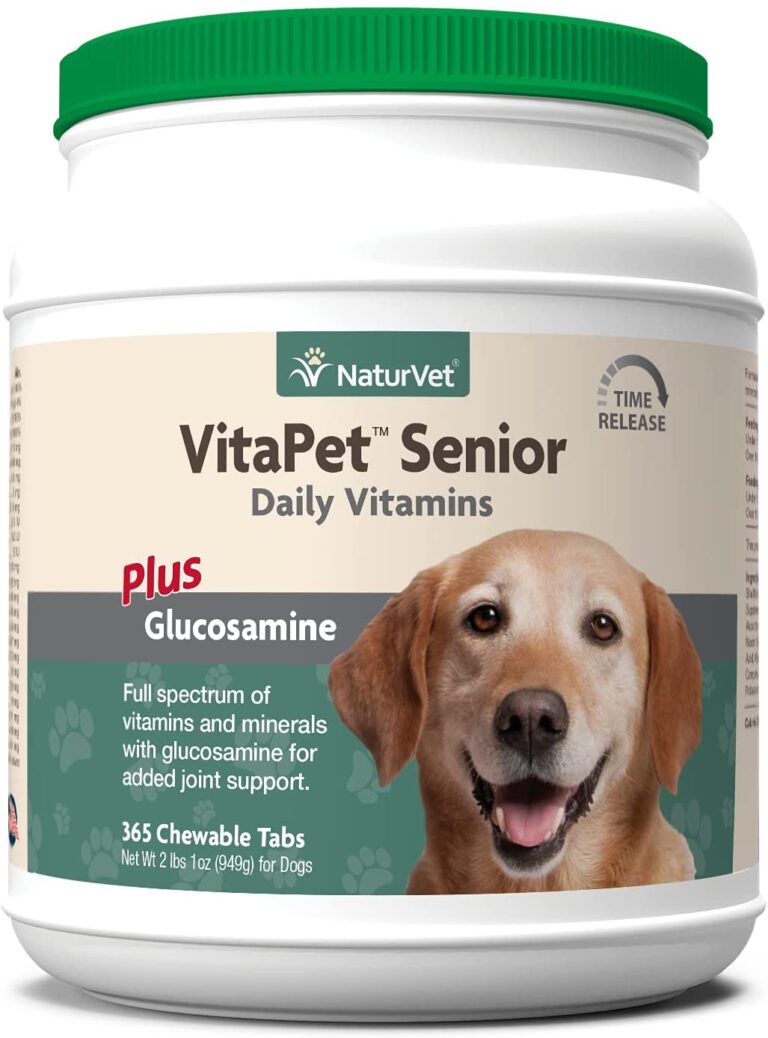
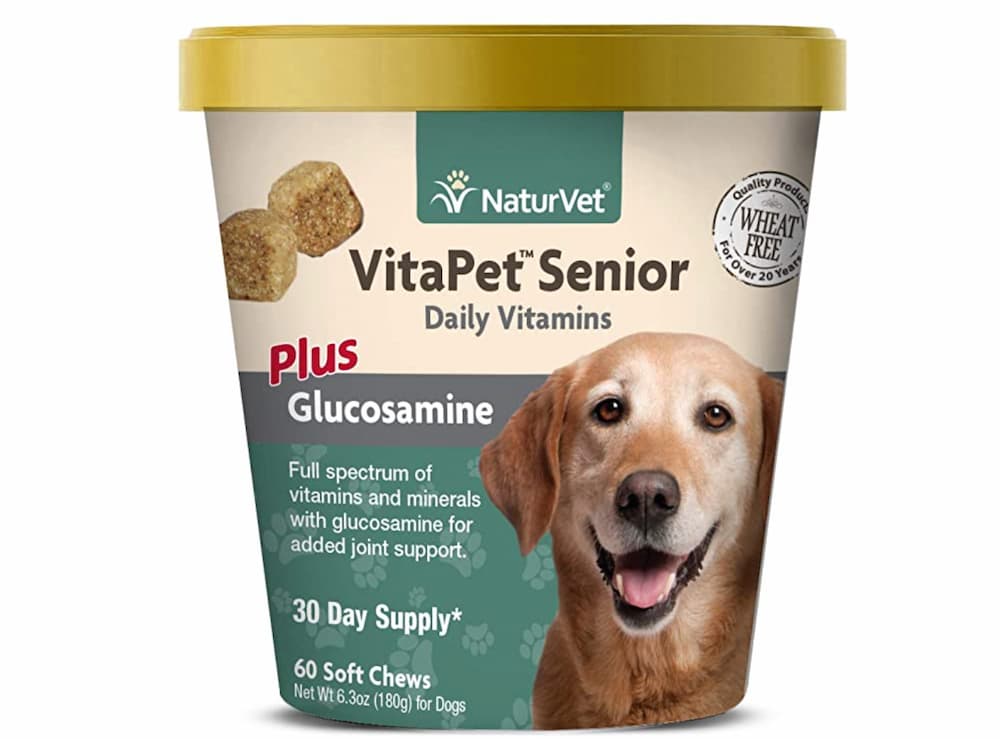
Once specific needs are identified, various types of senior dog vitamins can be considered. For joint support, supplements containing glucosamine, chondroitin, and MSM are often recommended to alleviate discomfort and maintain cartilage health. Cognitive function can be supported by omega-3 fatty acids (DHA and EPA), along with antioxidants like Vitamin E and C, which help combat oxidative stress in the brain. Immune system strength often benefits from vitamins C and E, selenium, and probiotics, which also aid in digestive health.
When selecting products, emphasis should be placed on reputable brands known for quality manufacturing practices and third-party testing to ensure product purity and potency. Supplements come in various forms, including chewable tablets, liquids, and soft chews, making administration easier for owners. Consistency in administering supplements as directed by a veterinarian is key, as beneficial effects often take time to become noticeable. Integrating these vitamins with a balanced, senior-specific diet, along with appropriate gentle exercise and regular veterinary check-ups, forms a comprehensive strategy for supporting an aging dog’s health.
When Professional Help May Be Needed
While senior dog vitamins can offer substantial support, understanding when professional veterinary intervention is necessary is paramount. It is always recommended to consult a veterinarian before initiating any new supplement regimen, as certain vitamins or dosages might interact with existing medications or be contraindicated for specific health conditions. A veterinarian can perform a thorough examination, including blood tests, to pinpoint any underlying medical issues and determine the most appropriate course of action.
Professional help is especially crucial if a dog exhibits severe or rapidly worsening symptoms, as vitamins are not a substitute for medical diagnosis and treatment of diseases. If a dog’s condition does not improve, or if symptoms worsen despite consistent supplementation, further veterinary investigation is warranted. Adverse reactions, such as vomiting, diarrhea, or unusual lethargy after starting a new vitamin, necessitate immediate veterinary attention. Furthermore, for senior dogs managing existing chronic illnesses, a veterinarian can provide guidance on supplements that safely complement prescribed treatments and avoid potential drug interactions. Regular veterinary check-ups remain essential for monitoring a senior dog’s overall health and adjusting their care plan as they continue to age.
Conclusion
The unique nutritional requirements of senior dogs necessitate a thoughtful and proactive approach to their care. Senior dog vitamins serve as a valuable tool in addressing age-related physiological changes, supporting crucial bodily functions, and enhancing overall quality of life during their later years. Understanding the signs that indicate a need for supplemental support and engaging in an informed selection process, always guided by veterinary expertise, ensures that aging canines receive the most appropriate and effective nutritional assistance. By prioritizing awareness, consistent observation, and a commitment to tailored care, owners can help their senior dogs thrive, ensuring their golden years are as comfortable, healthy, and happy as possible.
Pet Care & Wellness Overview Table
| Life Stage | Daily Activity Level | Key Nutrition / Care Focus |
|---|---|---|
| Puppy / Kitten | High (frequent short bursts) | High-protein growth diet & early socialization |
| Adult Companion | Moderate (30–60 mins daily) | Balanced maintenance nutrition & dental hygiene |
| Senior Pets | Low to Gentle (mindful walks) | Joint support (Glucosamine) & routine vet checks |
Images References


For more expert pet care tips and advice, check out our dedicated Dog Nutrition guides to keep your companions healthy and happy.




