

Introduction
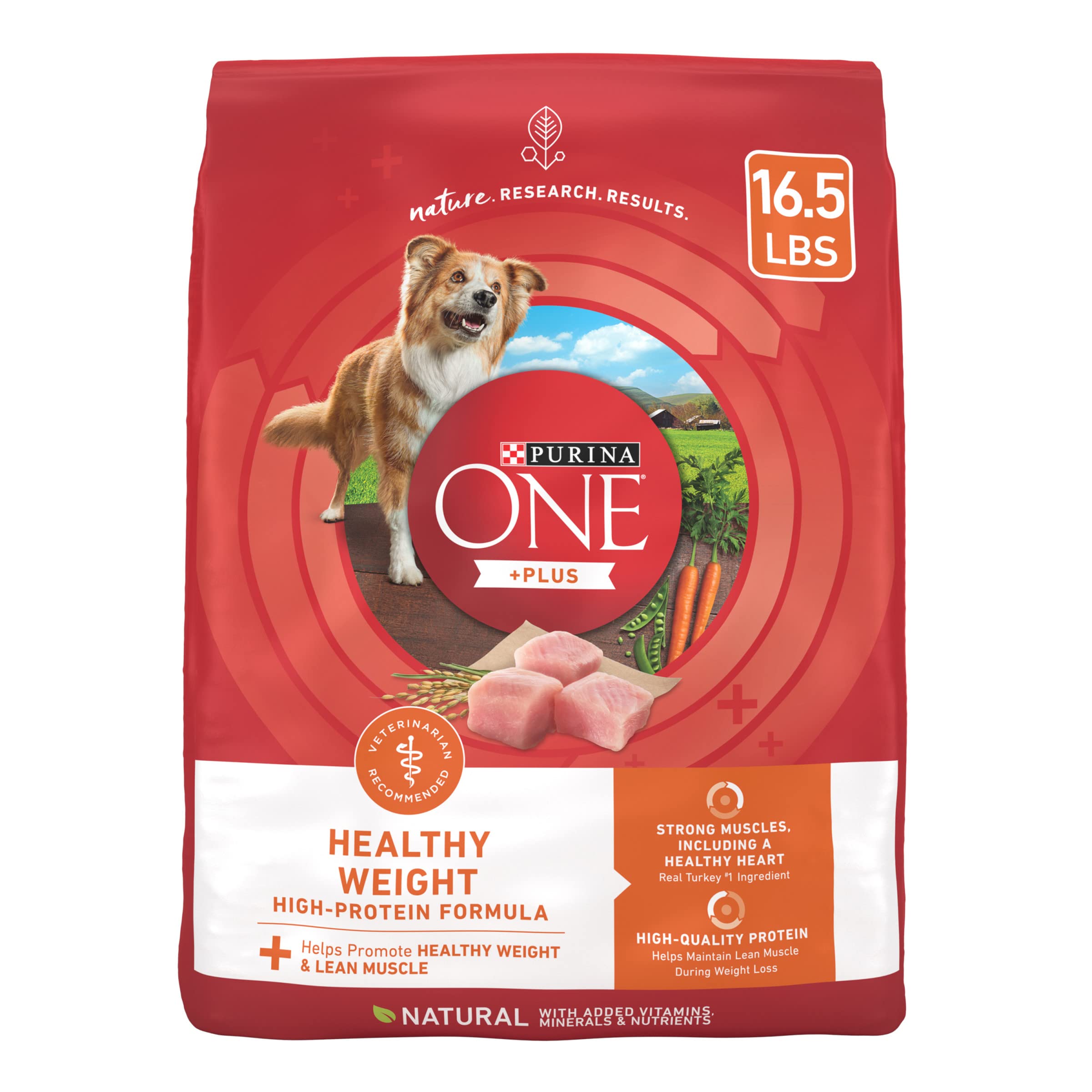
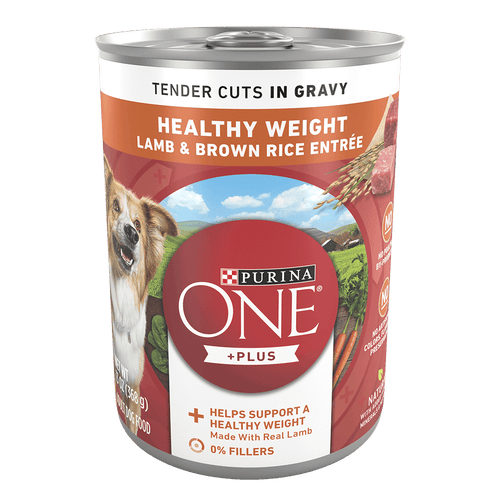
Maintaining an optimal weight is paramount for a dog’s overall health and longevity. The topic of canine weight management often brings into focus specialized nutritional approaches, and one such consideration for many pet owners is a diet like Purina One Plus Healthy Weight. This specific food formulation is designed to assist dogs in reaching and sustaining a healthy body condition, addressing concerns ranging from obesity prevention to supporting metabolic needs. Weight-related issues in dogs commonly arise from a combination of factors including inappropriate dietary habits, insufficient physical activity, and sometimes underlying medical conditions. Understanding how a tailored diet such as Purina One Plus Healthy Weight works, and its role within a comprehensive wellness strategy, is crucial. Such knowledge empowers dog owners to make informed decisions that can significantly improve a dog’s physical well-being, energy levels, and overall quality of life.
💡 Pet Care Key Takeaways:
- Core Focus: Practical health, nutrition, and wellness guidelines for Purina One Plus Healthy Weight.
- Target Scope: Pet owners, animal caregivers, and veterinary support staff.
- Best Recommendation: Maintain consistent daily routines and consult an accredited veterinarian before introducing major diet or medical changes.
Common Causes and Key Factors
Several interconnected factors contribute to a dog’s weight status, making effective management a multifaceted endeavor. At the forefront is dietary imbalance, often stemming from overfeeding, excessive high-calorie treats, or the consumption of foods not suited to a dog’s specific needs. Many commercial dog foods, while nutritious, may contain calorie densities that, if not portion-controlled, can quickly lead to weight gain. For more related activities, check out our Breeds Susceptable To Diabetes.
Another significant contributor is a lack of adequate physical exercise. Dogs require regular activity tailored to their breed, age, and health status. A sedentary lifestyle, often prevalent in urban environments or for dogs with limited outdoor access, allows calorie intake to surpass energy expenditure, resulting in the accumulation of excess fat.
Genetic predisposition also plays a role, with certain breeds showing a higher propensity for weight gain. Breeds like Labrador Retrievers, Beagles, and Dachshunds are often genetically inclined to store fat more readily. Furthermore, a dog’s age can impact metabolism; older dogs typically have slower metabolisms and reduced activity levels, necessitating a lower caloric intake to maintain a healthy weight.
Spaying or neutering can also lead to physiological changes that affect metabolism, making dogs more susceptible to weight gain post-procedure. Lastly, underlying medical conditions such as hypothyroidism or Cushing’s disease, or even certain medications, can directly impact a dog’s weight. Identifying these root causes is the first step toward effective weight management.
Signs and Symptoms to Observe
Recognizing the signs of unhealthy weight in a dog is essential for timely intervention. The most obvious indicator is the difficulty in feeling the dog’s ribs without applying excessive pressure, or the absence of a discernible waistline when viewed from above or the side. A healthy dog should have a visible tuck-up behind the rib cage.
Beyond visual cues, changes in physical activity and stamina are common signs. An overweight dog may exhibit labored breathing after minimal exertion, show less enthusiasm for walks or playtime, or tire quickly during activities it once enjoyed. Reduced mobility, such as struggling to jump onto furniture, climb stairs, or even groom itself properly, also signals potential weight issues.
Behavioral changes can also be observed. Overweight dogs may appear more lethargic, spend more time resting, or pant excessively even in cool environments. These signs can vary depending on the dog’s age, breed, and typical activity level. For instance, a highly active young dog might only show subtle decreases in endurance, while an older, less active dog might exhibit more pronounced difficulties with movement. Regular monitoring of a dog’s weight on a scale, especially during routine veterinary visits, provides objective data that complements these observable symptoms, helping to track trends and identify deviations from an ideal weight.
Practical Solutions and Management Strategies
Effective weight management for dogs requires a holistic approach that integrates dietary modifications with increased physical activity. A cornerstone of this strategy often involves introducing a specialized diet, such as Purina One Plus Healthy Weight. This formulation is typically designed with a lower calorie density, higher fiber content to promote satiety, and an appropriate protein level to help maintain muscle mass during weight loss.
Accurate portion control is paramount. Owners should meticulously measure food portions according to the guidelines on the food packaging, adjusting as necessary based on the dog’s current weight, target weight, and activity level. Veterinary advice is invaluable for tailoring these recommendations. Scheduled feeding rather than free-feeding allows for better control over calorie intake and can help establish a routine.
Complementing dietary changes, increased physical activity is critical. This does not necessarily mean intense, strenuous exercise. Regular, moderate walks, engaging playtime in the yard, swimming, or incorporating dog-friendly games can significantly boost calorie expenditure. The type and intensity of exercise should be appropriate for the dog’s current physical condition and gradually increased over time.
When it comes to treats, opting for low-calorie, healthy alternatives or using a small portion of the dog’s daily kibble as rewards can prevent unintended calorie intake. Utilizing slow feeders or puzzle toys for meals can also be beneficial, as they extend mealtime, slow down consumption, and provide mental stimulation, reducing the likelihood of overeating. Consistent monitoring of the dog’s weight and body condition score every few weeks allows for timely adjustments to the management plan.
When Professional Help May Be Needed
While many aspects of weight management can be addressed at home, there are specific situations where veterinary consultation or professional guidance becomes indispensable. If a dog continues to gain weight or struggles to lose it despite consistent efforts with dietary changes and increased exercise, a veterinarian’s assessment is crucial. This persistent weight issue could indicate underlying medical conditions that require diagnosis and treatment, rather than simply a caloric imbalance.
Sudden or unexplained weight gain that occurs without an obvious change in diet or activity levels warrants immediate veterinary attention. This can be a symptom of serious health problems such as thyroid disorders, hormonal imbalances, or even certain types of tumors.
When weight gain is accompanied by other concerning symptoms, such as changes in appetite, increased thirst, lethargy, vomiting, or diarrhea, professional help is definitely needed. These signs point towards a more complex health issue that requires a medical diagnosis.
Furthermore, if an owner is uncertain about how to accurately assess their dog’s ideal weight or body condition score, or needs assistance in developing a comprehensive, safe, and effective weight management plan, a veterinarian can provide invaluable expertise. They can rule out medical causes for weight gain, prescribe specific dietary strategies, and recommend appropriate exercise regimens tailored to the individual dog’s health profile and lifestyle. Engaging with a professional ensures a responsible and informed approach to the dog’s health.
Conclusion
Maintaining a healthy weight for a dog is a cornerstone of responsible pet ownership, directly impacting their vitality, mobility, and overall lifespan. Dietary solutions like Purina One Plus Healthy Weight offer a targeted approach to managing canine weight, providing balanced nutrition with reduced calories and enhanced satiety. However, the effectiveness of any specialized diet is amplified when combined with diligent portion control, a consistent feeding schedule, and a commitment to regular, appropriate physical activity.
Vigilant observation for signs of weight gain and proactive intervention are vital. When in doubt, or if weight challenges persist, seeking veterinary guidance is the most responsible course of action, ensuring any underlying health issues are addressed and a tailored plan is developed. By embracing awareness, consistent care, and professional advice, dog owners can help their beloved companions achieve and maintain an ideal weight, leading to a happier, more active, and significantly longer life.
Pet Care & Wellness Overview Table
| Life Stage | Daily Activity Level | Key Nutrition / Care Focus |
|---|---|---|
| Puppy / Kitten | High (frequent short bursts) | High-protein growth diet & early socialization |
| Adult Companion | Moderate (30–60 mins daily) | Balanced maintenance nutrition & dental hygiene |
| Senior Pets | Low to Gentle (mindful walks) | Joint support (Glucosamine) & routine vet checks |
Images References





For more expert pet care tips and advice, check out our dedicated Dog Health guides to keep your companions healthy and happy.


