

Introduction
The pursuit of optimal canine health often leads dedicated pet owners to explore various dietary approaches, with raw feeding gaining considerable attention. Within this context, the topic of raw food supplements emerges as a crucial consideration for ensuring a dog receives complete and balanced nutrition. Raw food supplements refer to nutritional additives, often in a minimally processed or freeze-dried form, designed to complement a raw or fresh diet. These supplements aim to bridge potential nutritional gaps that might exist in a homemade raw diet or to enhance specific aspects of a dog’s health even when a commercial raw diet is provided. Understanding raw food supplements is vital because a well-rounded diet, supported by appropriate supplementation, can significantly improve a dogs vitality, immune function, digestive health, and overall quality of life, ensuring a robust foundation for well-being and longevity.
💡 Pet Care Key Takeaways:
- Core Focus: Practical health, nutrition, and wellness guidelines for Raw Food Supplements.
- Target Scope: Pet owners, animal caregivers, and veterinary support staff.
- Best Recommendation: Maintain consistent daily routines and consult an accredited veterinarian before introducing major diet or medical changes.
Common Causes and Key Factors
The decision to incorporate raw food supplements into a dog’s diet is typically driven by several key factors and underlying concerns regarding nutritional completeness and specific health goals. For more related activities, check out our Tibetan Mastiff Food Aggression.
One primary reason involves homemade raw diets. While many owners meticulously prepare these diets, achieving perfect nutritional balance without expert guidance can be challenging. Such diets might inadvertently lack essential vitamins, minerals, trace elements, or specific fatty acids crucial for long-term health. Supplements are then introduced to ensure these vital components are consistently provided.
Another significant factor is the desire to address specific health needs. Dogs, like humans, can benefit from targeted nutritional support for various conditions. For instance, older dogs may require joint-support supplements, puppies may need additional nutrients for growth, and dogs with allergies or sensitive stomachs might benefit from digestive enzymes or probiotics. Active or working dogs often require increased energy support and muscle recovery aids.
Even when feeding a commercially prepared raw diet, which is typically formulated to be complete and balanced, some owners opt for additional raw food supplements. This can stem from a desire to further boost particular health areas, such as skin and coat vibrancy, immune system strength, or cognitive function. Concerns about ingredient sourcing, the potential degradation of certain nutrients during processing or freezing, or simply a proactive approach to health can also motivate this choice. These factors collectively highlight the dynamic role raw food supplements play in tailoring a dog’s nutrition to individual requirements.
Signs and Symptoms to Observe
Observing a dog’s physical condition and behavior can provide valuable clues about potential nutritional imbalances or deficiencies that raw food supplements might help address. Recognizing these signs early allows for timely intervention and improved quality of life.
Skin and Coat Health: A dull, dry, or brittle coat, excessive shedding beyond normal seasonal changes, flaky skin, or recurring hot spots can indicate a deficiency in essential fatty acids (like omega-3s) or other skin-supporting nutrients.
Digestive Issues: Frequent bouts of loose stools, constipation, excessive gas, or occasional vomiting not linked to other illnesses might suggest an imbalance in gut flora or a need for digestive enzymes and probiotics.
Energy Levels and Stamina: Persistent lethargy, a noticeable decrease in stamina during walks or play, or a general lack of enthusiasm could point to broader nutrient deficiencies affecting energy production and overall vitality.
Joint and Mobility Concerns: Stiffness after resting, difficulty rising, reluctance to jump, or a noticeable limp, particularly in older dogs or larger breeds, often signal the need for joint-supportive nutrients such as glucosamine, chondroitin, or MSM.
Immune System Function: Frequent minor infections, slow wound healing, or a general susceptibility to illness might indicate a weakened immune system that could benefit from specific immune-boosting raw food supplements.
Picky Eating or Poor Appetite: While sometimes behavioral, a persistent lack of appetite or picky eating can occasionally be linked to nutritional deficiencies or digestive discomfort, prompting owners to consider palatable supplements that also add crucial nutrients.
These signs can vary depending on a dog’s age (puppies have different needs than seniors), breed predisposition (some breeds are more prone to certain conditions), and environmental factors. Careful observation helps owners and veterinary professionals determine if raw food supplements could offer beneficial support.
Practical Solutions and Management Strategies
Incorporating raw food supplements effectively into a dogs diet requires a thoughtful and informed approach to ensure maximum benefit and avoid potential pitfalls.
Seek Professional Guidance First: Before introducing any raw food supplements, especially when feeding a homemade raw diet, a consultation with a veterinary nutritionist is highly recommended. This professional can help formulate a nutritionally complete base diet and advise on specific supplements to address any identified gaps or health concerns without over-supplementation.
Prioritize Reputable Brands: When selecting supplements, choosing brands with a strong reputation for quality, transparency in ingredient sourcing, and third-party testing is crucial. Look for clear labeling that lists all ingredients and their concentrations, along with dosage instructions.
Understand Supplement Functions: Educating oneself on what different raw food supplements do helps in making targeted choices. For example, probiotics support gut health, omega-3 fatty acids aid in skin, coat, and anti-inflammatory processes, while joint supplements such as glucosamine and chondroitin support cartilage health. A comprehensive multivitamin can help ensure broad nutritional coverage.
Introduce Gradually and Observe: When starting a new supplement, introduce it slowly, beginning with a smaller dose than recommended and gradually increasing it over several days. Monitor the dog closely for any adverse reactions, such as digestive upset or allergic responses, as well as for positive changes.
Match Supplements to Specific Needs: Avoid the temptation to add numerous supplements without a clear purpose. Instead, focus on addressing specific deficiencies or health goals identified through observation and professional advice. If the base diet is a complete commercial raw food, careful consideration is needed to avoid nutrient excesses.
Proper Storage and Handling: Raw food supplements, particularly those containing live cultures or delicate nutrients, require proper storage as per manufacturer instructions. This often means keeping them in a cool, dark place or refrigerating them to maintain potency and efficacy.
By adhering to these strategies, owners can effectively integrate raw food supplements into their dog’s regimen, enhancing their overall health and vitality.
When Professional Help May Be Needed
While raw food supplements can be valuable tools for optimizing canine nutrition, there are specific circumstances where professional veterinary consultation or specialized expertise becomes essential. Relying solely on supplements without proper guidance can sometimes lead to imbalances or mask underlying health issues.
A professional veterinary nutritionist should be consulted before embarking on any homemade raw diet regimen. Crafting a nutritionally complete and balanced diet from scratch is complex, and expert formulation is critical to prevent serious deficiencies or excesses. Without this, even with supplements, the diet may not meet a dog’s full nutritional requirements.
Professional help is also warranted if a dog exhibits persistent health issues despite dietary adjustments and the introduction of raw food supplements. If digestive problems, skin conditions, lethargy, or mobility issues do not improve or worsen, it indicates that the underlying cause may be more complex than a simple nutritional gap and requires veterinary diagnosis and treatment.
Dogs with specific medical conditions, such as kidney disease, liver disease, pancreatitis, or certain autoimmune disorders, require highly specialized dietary management. In these cases, even seemingly beneficial raw food supplements could potentially exacerbate the condition or interact negatively with medications. A veterinarian can provide tailored advice that considers both the medical condition and dietary needs.
Finally, if an owner feels uncertain or overwhelmed by the vast array of raw food supplements available, seeking professional advice can provide clarity. A veterinarian or certified veterinary nutritionist can help navigate the options, recommend appropriate products, and guide on correct dosages based on the individual dog’s health profile, age, breed, and lifestyle. Any adverse reactions to a supplement, no matter how minor, also warrant immediate veterinary attention.
Conclusion
Raw food supplements represent a valuable component in the comprehensive care of dogs, particularly for those on raw or fresh food diets. They offer a proactive means to ensure complete nutrition, address specific health concerns, and enhance overall vitality. The proper application of these supplements hinges on a clear understanding of their purpose, the observation of a dogs individual needs, and a commitment to informed decision-making. By recognizing the signs that might indicate a nutritional gap, choosing reputable products, and integrating them thoughtfully into a dogs diet, owners can significantly contribute to their companion’s well-being. Ultimately, a balanced base diet, careful selection of raw food supplements, and consistent professional guidance are indispensable elements for fostering a dogs optimal health and supporting a long, vibrant life.
Pet Care & Wellness Overview Table
| Life Stage | Daily Activity Level | Key Nutrition / Care Focus |
|---|---|---|
| Puppy / Kitten | High (frequent short bursts) | High-protein growth diet & early socialization |
| Adult Companion | Moderate (30–60 mins daily) | Balanced maintenance nutrition & dental hygiene |
| Senior Pets | Low to Gentle (mindful walks) | Joint support (Glucosamine) & routine vet checks |
Images References


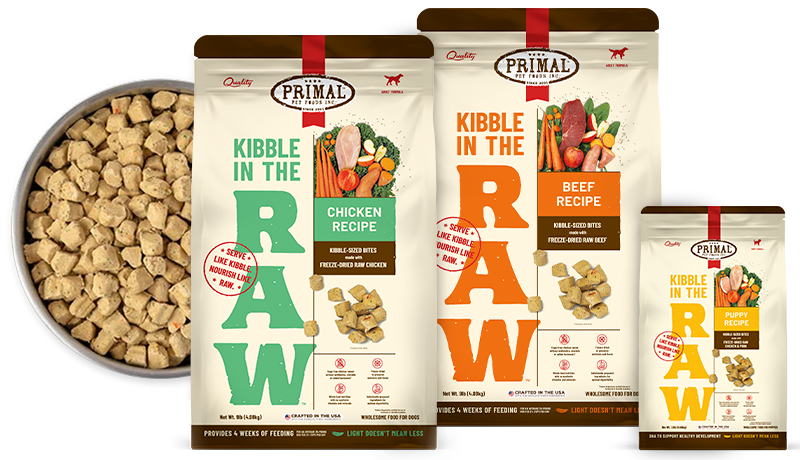


For more expert pet care tips and advice, check out our dedicated Dog Nutrition guides to keep your companions healthy and happy.




