

Opening our homes to shelter animals is one of the most rewarding journeys a household can undertake, yet it frequently brings unique challenges.
According to the American Society for the Prevention of Cruelty to Animals (ASPCA), millions of companion animals enter shelters nationwide every year, and many carry invisible emotional scars from their past experiences. When a newly adopted animal crosses the threshold, excitement often masks underlying trepidation. Over years of hands-on practice observing canine rehabilitation, one pattern remains consistently clear: dogs migrating from shelter environments to domestic households require immense patience, time, and structured guidance to feel completely secure. Understanding why an animal acts out is the foundational first step toward establishing a harmonious, lifelong bond. Explore more in our Dog Behavior collection.
💡 Pet Care Key Takeaways:
- Core Focus: Practical health, nutrition, and wellness guidelines for Rescue Dog Behavior Issues And Concerns.
- Target Scope: Pet owners, animal caregivers, and veterinary support staff.
- Best Recommendation: Maintain consistent daily routines and consult an accredited veterinarian before introducing major diet or medical changes.
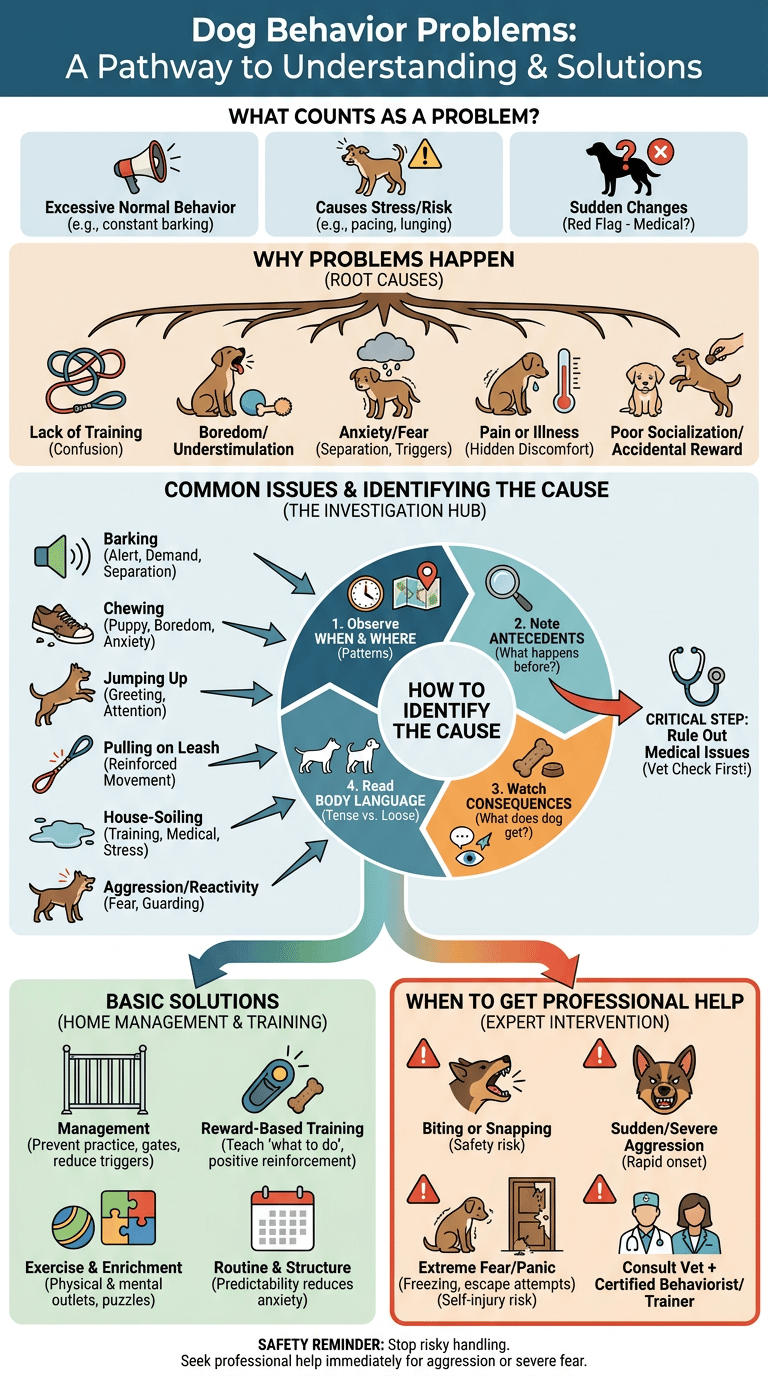
These challenges typically manifest as fear-based reactions, reactivity, separation anxiety, resource guarding, or generalized mistrust toward unfamiliar humans and environments. In professional behavior consulting, a trigger refers to any stimulus—such as loud noises, sudden movements, or strange dogs—that provokes a defensive or fearful reaction. Because shelter backgrounds are frequently unpredictable, rescued canines often default to hyper-vigilance. They scan their surroundings constantly, bracing for perceived threats that no longer exist in a safe, stable home. For more related activities, check out our Dog Care Edge Ultrasonic Dog Trainer.
Unaddressed behavioral hurdles can severely impact a canine’s overall quality of life and strain the newly formed human-animal relationship.
When chronic stress hormones like cortisol remain elevated in a dog’s system, the physiological toll can mimic or exacerbate physical illnesses, leading to digestive upset, sleep disturbances, and a weakened immune system. Furthermore, households may experience property destruction, intense vocalization, or accidental house-soiling as the animal attempts to cope with overwhelming emotional pressure. Recognizing these signs early prevents minor maladaptive habits from cementing into permanent behavioral patterns.
Chronic stress and untreated anxiety in newly adopted canines can significantly elevate cortisol levels, which impairs learning capacity and delays successful household integration — American Society for the Prevention of Cruelty to Animals (ASPCA)
Managing and overcoming these transitional hurdles requires a predictable routine, positive reinforcement, and a deep respect for the animal’s individual boundaries.
Creating a sanctuary space, such as a cozy crate or a quiet corner designated solely for the dog, gives the animal a reliable retreat when environmental stimuli become too intense. Desensitization, which involves very gradual, low-intensity exposure to a feared trigger paired with high-value treats, helps reframe the dog’s emotional response. Rather than forcing interactions, caregivers should allow the animal to initiate contact at their own pace, building trust organically through consistent, calm leadership.
Implementing best practices while avoiding common training mistakes ensures a smoother adjustment period for everyone involved.
A frequent misstep is flooding the animal with too many new experiences, visitors, or public outings during the initial decompression phase. Instead, practice the rule of three: three days to decompress, three weeks to learn the household routine, and three months to feel truly at home. Avoid all punitive or dominance-based techniques, as punishment heightens fear and can inadvertently trigger defensive aggression in an already insecure animal. Focus exclusively on rewarding calm, desirable actions to reinforce positive neural pathways.
Proper behavioral rehabilitation in shelter animals relies heavily on reward-based conditioning rather than punitive corrections, which have been scientifically proven to increase fear and stress-related reactivity — American Kennel Club (AKC)
Pet Care & Wellness Overview Table
| Life Stage | Daily Activity Level | Key Nutrition / Care Focus |
|---|---|---|
| Puppy / Kitten | High (frequent short bursts) | High-protein growth diet & early socialization |
| Adult Companion | Moderate (30–60 mins daily) | Balanced maintenance nutrition & dental hygiene |
| Senior Pets | Low to Gentle (mindful walks) | Joint support (Glucosamine) & routine vet checks |
Images References





Individual temperament, genetic heritage, age, and past trauma heavily influence how a specific canine processes rehabilitation.
Working with mixed breeds means understanding that an adoption profile is often an educated guess, requiring owners to respond to the dog in front of them rather than relying solely on breed stereotypes. Senior canines might struggle with hidden joint pain that makes them irritable when handled, whereas adolescent rescues often possess boundless energy that requires constructive physical and mental outlets. Tailoring the approach to fit the specific life stage and personality of the individual dog yields the most successful, lasting behavioral outcomes.
Professional guidance from a qualified veterinarian or certified behaviorist becomes essential when behaviors pose physical risks or fail to improve with standard management.
If an animal displays severe human-directed aggression, intense self-mutilation, or absolute panic that defies basic desensitization, expert intervention is mandatory. A veterinarian must first rule out underlying medical issues or chronic pain before a certified trainer or veterinary behaviorist formulates a customized modification plan. For serious cases involving fear or aggression, avoid unverified internet advice and instead partner with professionals who utilize force-free, science-based methodologies.
By honoring the unique emotional journey of a shelter animal and utilizing structured, empathetic management strategies, households can unlock their new companion’s true potential. To expand your knowledge on supporting your animal companion, explore further resources on Dog Training, learn about specific physical needs through Dog Health, or browse general guidance under Dog Care. Welcome to a wonderful life together with your rescued companion, and visit PetsAnimalsWorld.com often for more expert guidance.




