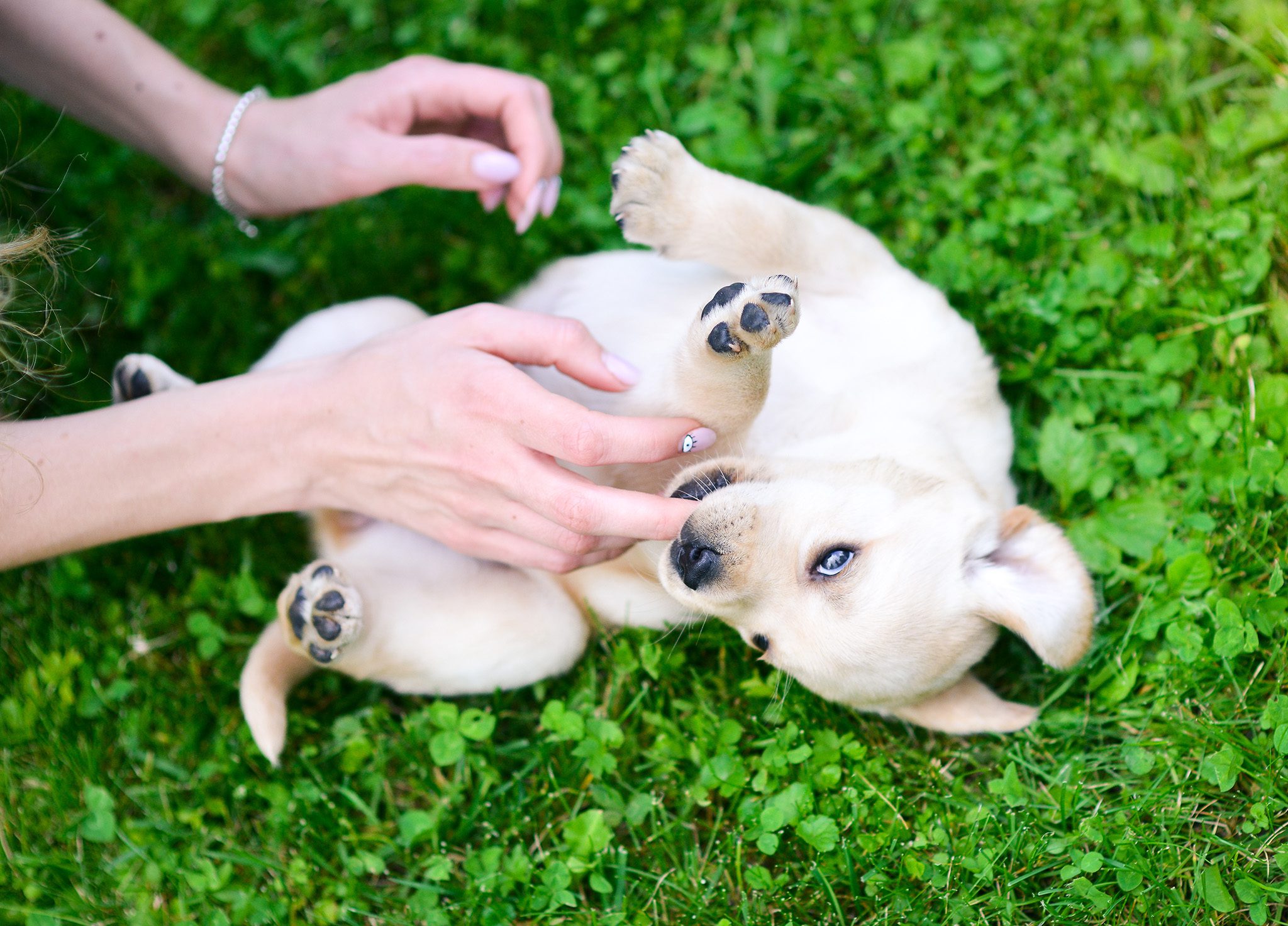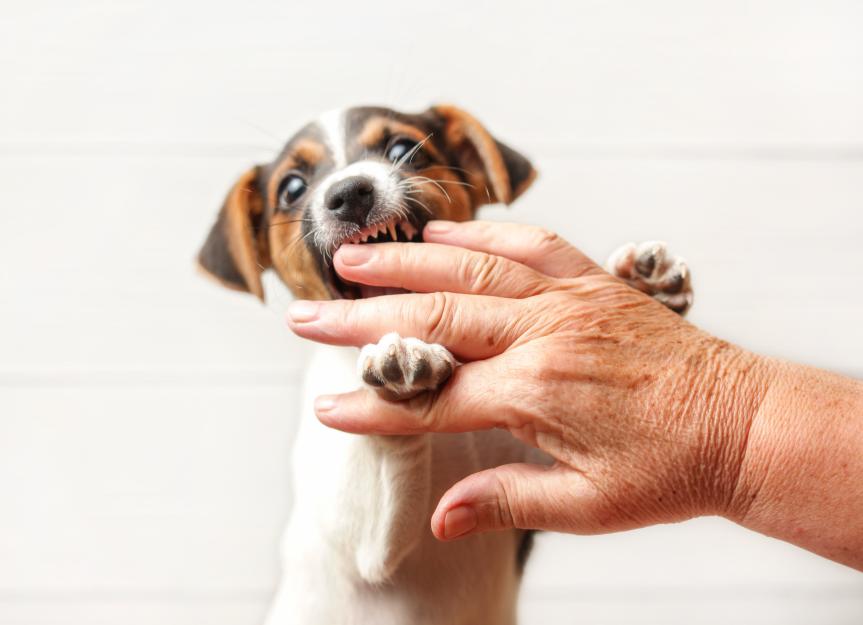
According to the American Society for the Prevention of Cruelty to Animals (ASPCA), integrating a new canine family member into a multi-dog household frequently shifts established social hierarchies, often resulting in tension between resident pets and fresh arrivals. Witnessing a seasoned canine matriarch snap or nip at a bouncy, high-energy youngster can instantly trigger panic among human caregivers. Yet, seasoned behaviorists know that inter-canine communication rarely mirrors human social etiquette. In professional practice, consultations often begin with a distressed household reporting sudden hostility, only for the evaluation to reveal a completely normal educational exchange. Understanding canine communication bridges the gap between fear and understanding, ensuring a harmonious domestic environment for all pets.
💡 Pet Care Key Takeaways:
- Core Focus: Practical health, nutrition, and wellness guidelines for Older Female Dog Nips At Puppy.
- Target Scope: Pet owners, animal caregivers, and veterinary support staff.
- Best Recommendation: Maintain consistent daily routines and consult an accredited veterinarian before introducing major diet or medical changes.
Canine communication etiquette explains why an older female dog nips at puppy arrivals as a form of natural boundary setting.
Correctional nipping is a structured mechanism of maternal and social feedback used to teach social etiquette to juvenile dogs. Canines lack human speech, relying instead on vocalizations, posture, and calibrated mouthiness to convey rules. When a mature female uses social feedback—defined as non-injurious behavioral correction intended to teach manners—she is essentially communicating canine boundaries. Puppies possess boundless enthusiasm but lack natural impulse control, frequently invading personal space, chewing on ears, or demanding play long after a senior pet grows tired. A swift muzzle punch, a low growl, or a quick snap serves as immediate, unmistakable feedback in the language of the species. Most young canines quickly learn to heed these signals, stepping back and adopting calming postures.
Distinguishing between healthy socialization boundaries and dangerous hostility protects the psychological well-being of both animals. Healthy corrections are typically fast, leave no physical marks, and are followed by an immediate return to a neutral or relaxed state by the older animal. Conversely, relentless bullying, sustained attacks, or preventing a youngster from accessing food, water, or resting spots indicates problematic domestic stress. In clinical settings, prolonged anxiety can stunt juvenile development and cause chronic defensiveness in senior dogs. Maintaining a peaceful home requires careful monitoring of these interactions to prevent friction from turning into chronic behavioral distress, which can be further explored through Dog Behavior guides.
Proper socialization in multi-dog households relies on allowing senior pets to establish gentle, non-injurious boundaries without human interference — American Kennel Club (AKC)
Managing daily interactions safely requires structured routines, dedicated personal space, and proactive intervention from human caregivers.
Creating a balanced home environment involves supervising all shared moments while guaranteeing the senior canine adequate downtime away from persistent juvenile energy. Strategic management tools, such as baby gates, secure crates, and designated resting zones, allow the mature female to retreat whenever patience wears thin. Caregivers should consistently reward the youngster for respecting social boundaries, reinforcing calm responses when approaching the older pet. Furthermore, distributing attention evenly prevents resource guarding, a common catalyst for tension. When feeding time arrives, separate bowls situated in different rooms eliminate competition before it starts.
Adopting best practices and avoiding common pitfalls ensures the integration process remains smooth and positive for every household member.
One frequent mistake involves punishing the resident female for growling or offering a mild warning nip. Suppressing these natural warning signs often teaches a dog to skip the growl and go straight to a bite, removing a vital communication safety valve. Instead, praise the senior animal for using soft corrections rather than escalating into panic. Another pitfall is forcing continuous interaction when the older dog clearly requests solitude. Respecting her need for rest preserves her trust in human leadership. For deeper insights into daily upkeep during multi-dog transitions, review resources dedicated to Dog Care.
Punishing a dog for growling removes a crucial warning signal, potentially increasing the risk of unannounced bites during household disputes — American Veterinary Medical Association (AVMA)
Breed heritage, age disparities, and individual temperament heavily influence how mature females respond to incoming juveniles.
Certain canine lineages possess stronger guarding instincts, higher independence, or lower tolerance for unruly behavior. Herding breeds, for instance, may attempt to police movement constantly, while senior dogs suffering from joint pain or sensory decline have significantly lower physical thresholds for youthful bouncing. A teenager bumping into sore hips triggers an instantaneous, defensive reaction that differs entirely from intentional malice. Evaluating these physical and genetic factors helps owners tailor expectations to match the biological reality of their animals, making a review of various Dog Breeds invaluable.
Knowing when to consult a certified veterinary behaviorist ensures that underlying medical or psychological issues receive professional evaluation.
Persistent, escalating hostility that fails to improve with management requires immediate expert intervention. Any interaction resulting in broken skin, bleeding, or extreme terror in the juvenile demands professional oversight rather than casual home remedies. A certified behaviorist or veterinarian must rule out hidden pain, neurological changes, or resource guarding pathologies that distort normal communication. Avoid punitive or dominance-based training techniques, which frequently increase anxiety and worsen interpersonal conflict within the pack. For medical insights into pain-related irritability, consult guides on Dog Health.
Building a peaceful multi-dog home requires patience, observation, and respect for the natural communication styles of senior animals.
Guiding two distinct generations through household integration is a rewarding journey that strengthens the bond between human and animal companions alike. By honoring the wisdom of mature resident pets and providing structured guidance for energetic newcomers, households achieve lasting equilibrium. Continuous education remains the cornerstone of responsible pet guardianship, ensuring every animal feels secure and respected. Visit PetsAnimalsWorld.com to explore additional expert-backed articles covering Dog Training and general wellness strategies designed to support lifelong canine harmony.
Pet Care & Wellness Overview Table
| Life Stage | Daily Activity Level | Key Nutrition / Care Focus |
|---|---|---|
| Puppy / Kitten | High (frequent short bursts) | High-protein growth diet & early socialization |
| Adult Companion | Moderate (30–60 mins daily) | Balanced maintenance nutrition & dental hygiene |
| Senior Pets | Low to Gentle (mindful walks) | Joint support (Glucosamine) & routine vet checks |
Images References