
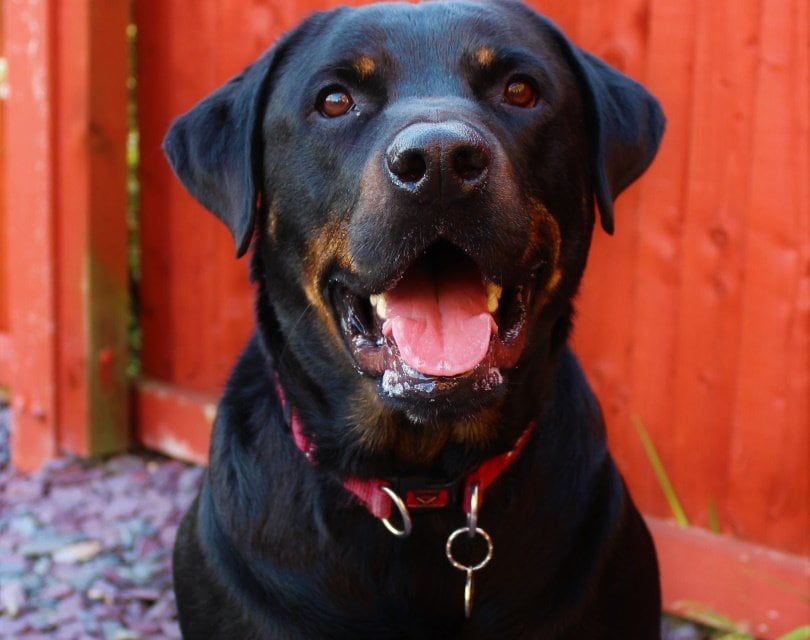
Understanding the Dynamic Nature of the Rotterman Breed
According to the American Kennel Club, hybrid dogs combining guarding lineages with athletic drives require specialized handling to thrive in modern domestic environments. Bringing a powerhouse canine companion into a household demands careful consideration of both physical and mental preparation. Working with high-drive working dogs on a daily basis reveals just how quickly an under-stimulated dog can invent its own employment, often by redesigning furniture or testing backyard fences. Canine professionals recognize that these hybrid dogs demand consistency, structure, and a deep appreciation for their working heritage. Establishing clear expectations from day one prevents minor puppy habits from escalating into unmanageable adult behaviors. Explore more in our Dog Breeds collection.
💡 Pet Care Key Takeaways:
- Core Focus: Practical health, nutrition, and wellness guidelines for Rotterman Breed.
- Target Scope: Pet owners, animal caregivers, and veterinary support staff.
- Best Recommendation: Maintain consistent daily routines and consult an accredited veterinarian before introducing major diet or medical changes.
Rotterman breed characteristics combine the Rottweiler and the Doberman Pinscher into a powerful hybrid.
The rotterman breed is a purposeful cross between two of the most formidable and intelligent guarding dogs known: the Rottweiler and the Doberman Pinscher. Standing tall with a muscular build and a sleek, short coat, these dogs command attention wherever they go. They typically inherit the broad, blocky head of the Rottweiler alongside the elegant, athletic silhouette of the Doberman. Beneath that striking exterior lies a deeply loyal companion that forms intense bonds with household members. Because both parent breeds carry strong guardian instincts, understanding the genetic makeup of this hybrid is the first step toward successful ownership. For more related activities, check out our Blonde Dacshund.
Health, behavioral, and physical management considerations shape daily life with this working hybrid.
Managing a large, high-energy hybrid requires vigilance regarding structural health, joint maintenance, and mental enrichment. Due to the genetic contributions of both parent breeds, the rotterman breed is prone to inherited conditions such as canine hip dysplasia, an abnormal formation of the hip socket that can lead to arthritis, and dilated cardiomyopathy, a disease affecting heart muscle function. Preventive veterinary screenings and balanced nutrition tailored to large-athletic dogs remain vital throughout every life stage. Beyond physical health, mental stagnation poses a severe risk to household harmony. Without daily tasks or structured problem-solving games, intelligent hybrids frequently channel their boundless energy into destructive chewing or obsessive patrolling.
Large hybrid dogs inheriting guarding traits require at least ninety minutes of intense physical and mental stimulation daily to prevent destructive boredom — American Kennel Club Guidelines
Guiding this powerful hybrid requires positive reinforcement methods that build mutual trust without relying on intimidation or punitive dominance techniques. Early and continuous socialization introduces the developing dog to diverse environments, novel sounds, people of all ages, and unfamiliar animals, helping to temper natural wariness into confident neutrality. Obedience training must start early while the puppy remains manageable, focusing heavily on impulse control and reliable recall. Furthermore, channeling their natural athletic ability into structured canine sports like agility, tracking, or obedience trials provides a healthy outlet for their drive to work alongside humans.
Avoiding common mistakes and implementing best practices for hybrid dog owners
Preventing behavioral challenges involves steering clear of isolation, inconsistent boundaries, and harsh correction methods that can provoke defensive reactions. Many novice owners mistakenly believe that leaving a large guarding dog in a fenced yard fulfills its exercise needs, whereas these social animals crave active engagement with their human family. Establishing predictable daily routines reduces anxiety and helps channel protective instincts appropriately. Regular health checks, high-quality nutrition adjusted for age and activity level, and consistent leash manners ensure a harmonious relationship between the dog and the community.
Preventative screening for inherited cardiac conditions in large guard-dog hybrids significantly improves long-term wellness outcomes — Veterinary Cardiac Health Registry
Pet Care & Wellness Overview Table
| Life Stage | Daily Activity Level | Key Nutrition / Care Focus |
|---|---|---|
| Puppy / Kitten | High (frequent short bursts) | High-protein growth diet & early socialization |
| Adult Companion | Moderate (30–60 mins daily) | Balanced maintenance nutrition & dental hygiene |
| Senior Pets | Low to Gentle (mindful walks) | Joint support (Glucosamine) & routine vet checks |
Images References

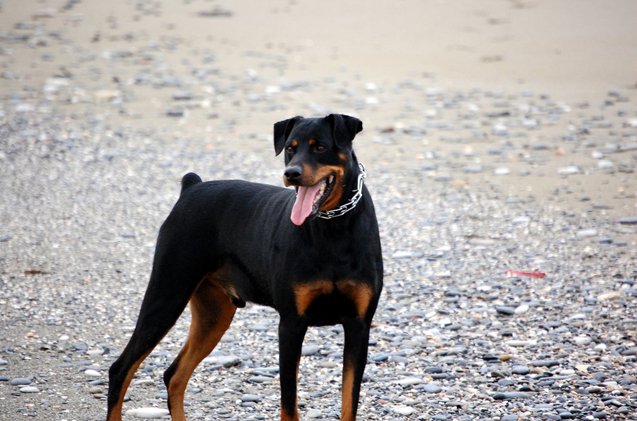





Lifespan, size, and temperament expectations for this unique designer dog
Adult members of this hybrid typically weigh between seventy and one hundred pounds, standing proudly at heights ranging from twenty-four to twenty-eight inches at the shoulder. Their average lifespan spans from nine to twelve years, provided they receive attentive healthcare, proper nutrition, and adequate exercise. Temperament-wise, they are fiercely loyal, affectionate with trusted family members, and naturally suspicious of strangers. This makes them exceptional watchdogs, but it also necessitates vigilant management when visitors arrive. Proper leadership prevents their protective nature from crossing into unwarranted territorial aggression.
When to consult a veterinarian or professional behaviorist for your hybrid dog
Consulting a qualified veterinarian is essential whenever a dog displays sudden changes in mobility, lethargy, unexplained aggression, or signs of acute discomfort. For complex behavioral concerns such as barrier frustration, excessive stranger wariness, or noise phobias, seeking guidance from a certified professional dog trainer or veterinary behaviorist ensures safe, science-based intervention. Professional oversight prevents minor behavioral roadblocks from escalating into severe safety risks for the household and the community.
Closing thoughts on nurturing a balanced relationship with working-line hybrids
Living with a dedicated working hybrid is an immensely rewarding journey that repays patient training and consistent care tenfold. By prioritizing both physical fitness and mental health, owners unlock the full potential of these magnificent animals. Exploring specialized resources on Dog Training, Dog Health, and Dog Care can further empower owners to provide exceptional lifelong support. Discover more expert guidance and breed insights across PetsAnimalsWorld.com to ensure a vibrant, healthy life for every canine companion.




