Introduction
Unlocking the full potential of a Rottweiler involves understanding what constitutes effective training. The term “rottweiler training secrets” does not refer to hidden knowledge, but rather to a compilation of proven methods and dedicated practices that consistently yield well-behaved, confident, and harmonious canine companions. These strategies are particularly vital for a breed renowned for its strength, intelligence, and protective instincts. Initiating comprehensive and thoughtful training from an early age is paramount; it establishes a foundation for appropriate behavior, prevents common behavioral challenges from developing, and significantly strengthens the bond between the dog and its human family. Such an approach ensures a Rottweiler’s overall well-being and enhances its quality of life within any household. Explore more in our Dog Training collection.
💡 Pet Care Key Takeaways:
- Core Focus: Practical health, nutrition, and wellness guidelines for Rottweiler Training Secrets.
- Target Scope: Pet owners, animal caregivers, and veterinary support staff.
- Best Recommendation: Maintain consistent daily routines and consult an accredited veterinarian before introducing major diet or medical changes.
Common Causes and Key Factors
Several key factors and common challenges influence the training journey of a Rottweiler. Understanding these elements is fundamental to successful outcomes. Rottweilers possess innate breed characteristics such as considerable intelligence, robust physical power, unwavering loyalty, and a strong natural guarding instinct. Training methodologies must acknowledge and appropriately channel these traits, rather than suppressing them. For more related activities, check out our Iaabc Dog Behavior Welfare Enrichment Training Resources.
A significant factor is the absence of adequate early socialization. Without sufficient exposure during puppyhood to a diverse range of environments, sounds, people, and other dogs, a Rottweiler can develop fear-based reactions or an overly protective demeanor, which can manifest as aggression. Another impediment to effective training is inconsistency in commands and expectations. Dogs thrive on predictable routines and clear communication; mixed signals or varying rules among household members can confuse a Rottweiler and hinder its ability to learn desired behaviors. Discover more free resources across our collection library.
Furthermore, a lack of clear leadership and structured guidance from human companions can create uncertainty for the dog, as Rottweilers benefit from well-defined boundaries and confident direction. Inadequate physical exercise and insufficient mental stimulation are also critical factors. A bored or under-exercised Rottweiler is more prone to developing destructive habits or exhibiting unruly behavior due to pent-up energy and a lack of constructive outlets for its intelligence. Finally, failing to identify and utilize what truly motivates an individual Rottweiler be it specific treats, favorite toys, or enthusiastic praise can impede training progress.
Signs and Symptoms to Observe
Recognizing specific behavioral indicators is crucial for identifying areas where a Rottweiler’s training may need adjustment or further attention. A primary sign is a consistent lack of response to basic commands such as “sit,” “stay,” or “come,” especially in varying environments or when distractions are present. This often indicates insufficient reinforcement or a lack of understanding.
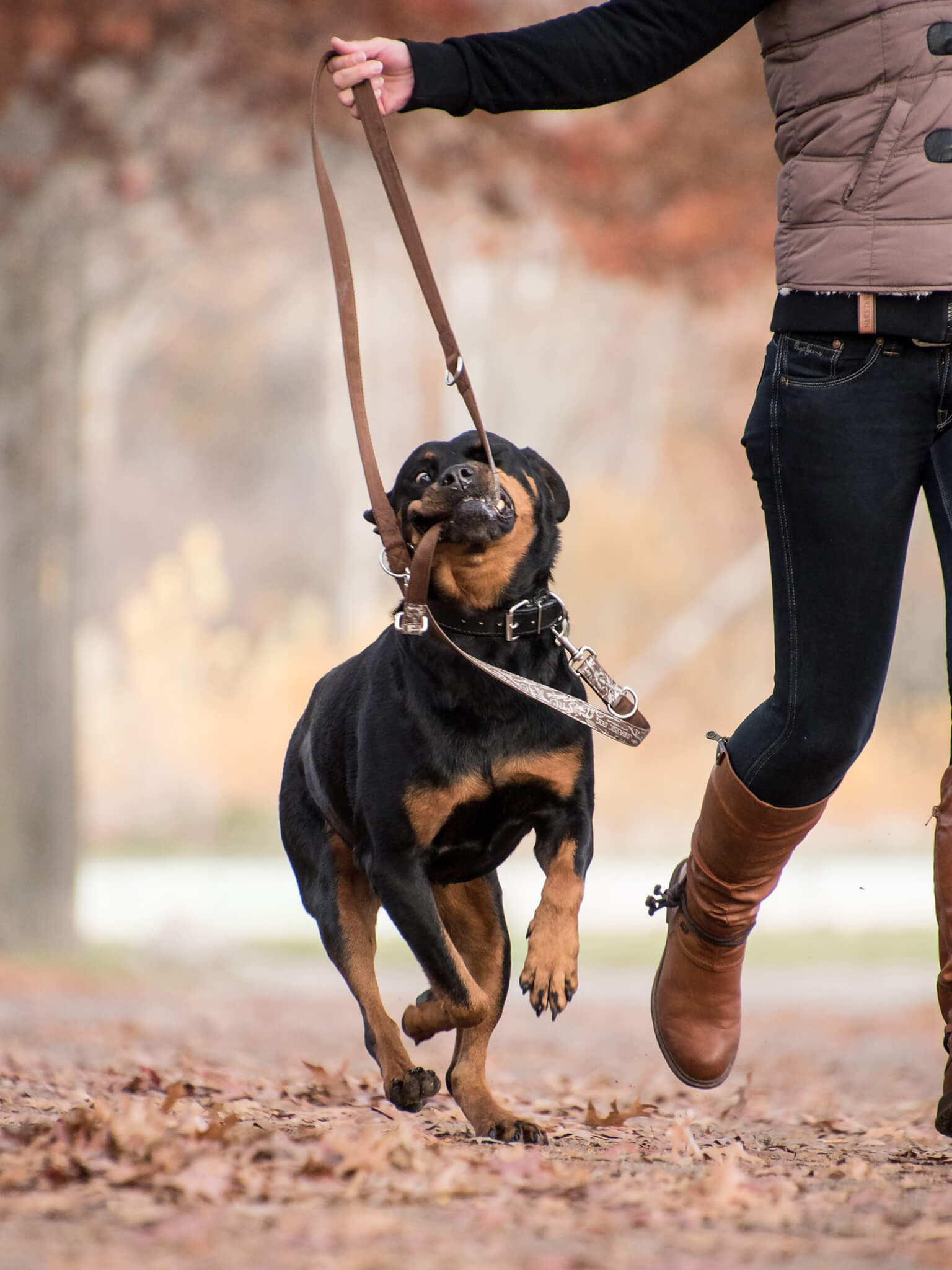
Excessive pulling on the leash during walks is another common symptom, signifying a need for more focused loose-leash training and control. Unwanted jumping on people or persistent mouthing, particularly as a playful puppy matures into an adult, suggests a failure to redirect these natural behaviors towards appropriate interactions.
More concerning signs include resource guarding, where a Rottweiler aggressively protects food bowls, toys, beds, or even human companions from others. Fearfulness, expressed through cowering or excessive barking, or overt aggression such as growling, lunging, or snapping at strangers, other dogs, or even household members, demands immediate and serious intervention. Destructive chewing or digging, particularly when the dog is left unsupervised, can point to boredom, anxiety, or a lack of appropriate outlets. Persistent, excessive barking without a clear trigger can also indicate underlying issues such as lack of stimulation, territoriality, or fear. These signs may vary in intensity depending on the Rottweiler’s age, with puppies more likely to display playful but uninhibited behaviors, while adult dogs might show more pronounced protective or territorial tendencies if not properly trained and socialized.
Practical Solutions and Management Strategies
Implementing effective training and management strategies is essential for a well-adjusted Rottweiler. Foremost among these is early and consistent socialization. From puppyhood, a Rottweiler benefits immensely from controlled exposure to a wide array of sights, sounds, people, and well-behaved dogs. This helps foster confidence and appropriate social skills, minimizing the risk of fear-based aggression or over-protectiveness later in life.
Positive reinforcement forms the cornerstone of effective Rottweiler training. Desired behaviors should be immediately rewarded with high-value treats, genuine praise, or preferred toys. This method builds a strong, trusting relationship and encourages the dog to repeat actions that earn rewards, avoiding the negative consequences often associated with punitive approaches. Consistency in commands and household rules is non-negotiable; every member of the family should use the same verbal cues, hand signals, and expectations to prevent confusion.
Enrollment in basic obedience classes is highly recommended. Commands such as “sit,” “stay,” “come,” “down,” and “heel” are not just tricks; they are crucial safety cues. Training should begin in distraction-free environments and gradually progress to more challenging settings. Crate training provides a secure den for the dog, assists significantly with house-training efforts, and offers a safe management tool when supervision is not possible. Loose-leash walking training is vital for managing a powerful breed like the Rottweiler, ensuring enjoyable and controlled walks.
Providing ample mental and physical exercise is critical. Daily structured walks, interactive play sessions, puzzle toys, scent work, and even advanced obedience or dog sports prevent boredom and channel the Rottweiler’s energy and intelligence constructively. Establishing clear boundaries, such as no jumping on furniture or no begging at the table, and enforcing them calmly and consistently, reinforces the dog’s place within the family structure. For puppies, bite inhibition training teaches them to control the pressure of their bite by redirecting nipping onto appropriate chew toys.
When Professional Help May Be Needed
While many Rottweiler training challenges can be addressed with consistent effort and practical strategies, there are specific situations where professional intervention becomes necessary. Persistent or escalating aggression, particularly if it involves unprovoked lunging, biting, or severe resource guarding, warrants immediate consultation with an expert. These behaviors pose significant safety risks and often require specialized behavioral modification plans.
Severe anxiety, such as intense separation anxiety leading to destructive behavior when left alone, or extreme phobias to sounds or situations, also indicates a need for professional guidance. If a dog owner feels overwhelmed, unable to manage their Rottweiler’s behavior effectively, or perceives a lack of progress despite consistent training efforts, seeking assistance is a responsible step.
Consultation with a certified professional dog trainer (CPDT-KA), a certified behavior consultant (CBCC-KA), or a veterinary behaviorist can provide invaluable support. These professionals possess the expertise to accurately assess the root cause of behavioral issues, develop tailored training plans, and implement advanced techniques that may be beyond the scope of a typical dog owner. Early intervention by a qualified professional can prevent minor issues from escalating into major behavioral problems, ensuring the safety and well-being of both the dog and its human companions.
Conclusion
The true “rottweiler training secrets” are not elusive or mystical, but rather a commitment to consistent, positive, and informed training practices. Success with this powerful and loyal breed stems from a deep understanding of its unique characteristics, prioritizing early and continuous socialization, and dedicating time to ongoing education and reinforcement. By embracing these core principles, dog owners can navigate the complexities of Rottweiler behavior, addressing challenges proactively and effectively. The reward for this dedication is a well-behaved, confident, and loving companion, enriching the lives of everyone in the household. Continued awareness, diligent observation, and unwavering consistent care are paramount in fostering a strong, respectful bond, aligning perfectly with the educational mission of petsanimalsworld.com to promote responsible and knowledgeable pet ownership.
Pet Care & Wellness Overview Table
| Life Stage | Daily Activity Level | Key Nutrition / Care Focus |
|---|---|---|
| Puppy / Kitten | High (frequent short bursts) | High-protein growth diet & early socialization |
| Adult Companion | Moderate (30–60 mins daily) | Balanced maintenance nutrition & dental hygiene |
| Senior Pets | Low to Gentle (mindful walks) | Joint support (Glucosamine) & routine vet checks |
Images References