

Introduction
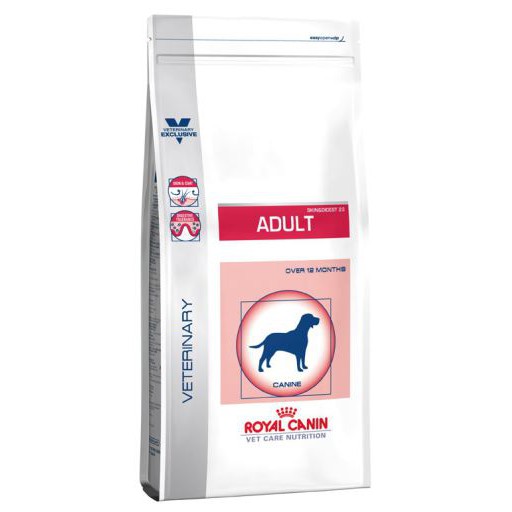
The journey of canine companionship often involves navigating various aspects of a dog’s health, with nutrition standing as a fundamental pillar. Among the many dietary options available, Royal Canin Vet Care Nutrition represents a specialized category developed specifically to address unique health challenges and support medical treatments. This range of diets is not merely general dog food; it comprises precise formulations crafted by veterinarians and pet nutritionists, designed to manage specific health conditions such as kidney disease, digestive sensitivities, urinary issues, or post-surgical recovery. Understanding the role of Royal Canin Vet Care Nutrition is crucial for dog owners, as these specialized diets are typically recommended or prescribed by a veterinarian. Implementing such a diet, when medically indicated, can significantly enhance a dogs well-being, support its recovery, and improve its overall quality of life by providing targeted nutritional support that complements veterinary care.
💡 Pet Care Key Takeaways:
- Core Focus: Practical health, nutrition, and wellness guidelines for Royal Canin Vet Care Nutrition.
- Target Scope: Pet owners, animal caregivers, and veterinary support staff.
- Best Recommendation: Maintain consistent daily routines and consult an accredited veterinarian before introducing major diet or medical changes.
Common Causes and Key Factors
The necessity for a specialized diet like Royal Canin Vet Care Nutrition typically arises from a specific health diagnosis made by a veterinarian. Various biological and situational factors can lead to a dog requiring such precise nutritional intervention. For more related activities, check out our Breeds Susceptable To Diabetes.
One primary cause involves organ system dysfunction, where conditions affecting the kidneys, liver, or heart necessitate diets tailored to reduce the workload on these organs or manage specific metabolic byproducts. For instance, diets for kidney disease often feature restricted phosphorus and protein levels.
Metabolic disorders are another significant factor. Dogs diagnosed with diabetes, for example, benefit from diets formulated to help regulate blood sugar levels. Similarly, certain obesity management diets are designed to promote satiety and healthy weight loss.
Digestive sensitivities and allergies frequently lead to the need for specialized nutrition. Dogs suffering from inflammatory bowel disease (IBD), food allergies, or general gastrointestinal upset may require highly digestible ingredients, novel protein sources, or specific fiber blends to alleviate symptoms and support gut health.
Furthermore, urinary tract issues, such as bladder stones, often necessitate diets that modify urine pH or alter mineral concentrations to prevent stone formation or aid in dissolution. Orthopedic conditions and certain skin sensitivities also have specialized dietary solutions aimed at reducing inflammation or supporting skin barrier function. In addition, recovery from surgery or critical illness can demand high-calorie, easily digestible, and immune-supporting diets to aid in the healing process. Each of these situations highlights the importance of a professional diagnosis in determining the appropriate nutritional approach.
Signs and Symptoms to Observe
Observing a dog’s behavior and physical condition is paramount for early detection of potential health issues that might necessitate a specialized diet. While these signs do not definitively point to the need for Royal Canin Vet Care Nutrition, they certainly warrant veterinary attention, which could then lead to a prescription diet.
Changes in appetite or weight can be telling indicators. A sudden loss of appetite, excessive thirst, or unexplained weight gain or loss could signal underlying metabolic or organ-related problems.
Gastrointestinal disturbances such as chronic vomiting, diarrhea, or difficulty passing stool are common signs of digestive issues. These symptoms can range from mild sensitivities to severe inflammatory conditions.
Urinary changes including frequent urination, straining to urinate, blood in the urine, or accidents inside the house, may suggest urinary tract infections or the presence of bladder stones.
Skin and coat abnormalities like excessive scratching, hot spots, hair loss, or a dull, dry coat can indicate allergies, nutrient deficiencies, or other dermatological problems.
Changes in energy levels or mobility such as increased lethargy, stiffness, or reluctance to play or move, might point to joint pain, metabolic imbalances, or other systemic diseases. These signs can vary significantly depending on a dog’s age, breed predispositions, and environmental factors. For instance, a senior dog might show more subtle signs of kidney issues than a younger dog with an acute condition. Prompt veterinary consultation upon noticing any persistent changes in a dog’s normal behavior or physical state is always recommended.
Practical Solutions and Management Strategies
Once a veterinarian prescribes a Royal Canin Vet Care Nutrition diet, successful management hinges on consistent adherence to their recommendations. This is not merely switching dog food; it is an integral part of a therapeutic plan.
Strict adherence to feeding guidelines is paramount. The veterinarian will specify the exact type of diet, the daily quantity, and the frequency of meals. Deviating from these instructions, even with small treats or table scraps, can undermine the diet’s therapeutic efficacy. Portion control is often crucial, especially for weight management or managing specific nutrient levels.
A gradual transition to the new diet is typically advised to prevent digestive upset. This usually involves mixing increasing amounts of the new food with decreasing amounts of the old food over several days. The specific timeline can vary based on the individual dog’s sensitivity.
Regular monitoring of the dog’s condition is essential. Owners should observe for improvements in symptoms, changes in weight, energy levels, and overall well-being. Keeping a log of these observations can be helpful for subsequent veterinary appointments. Any adverse reactions or lack of improvement should be reported to the veterinarian immediately.
Environmental management can also play a supportive role. For dogs with stress-related conditions (e.g., some urinary issues), ensuring a calm, predictable home environment can complement the dietary treatment. For dogs with mobility issues, ensuring easy access to food and water bowls can be beneficial. Furthermore, ensuring the diet is stored properly to maintain freshness and nutritional integrity is an often-overlooked but important detail.
When Professional Help May Be Needed
The entire premise of Royal Canin Vet Care Nutrition is rooted in professional veterinary guidance. Therefore, professional help is not just “needed” in certain situations; it is fundamental from the outset and throughout the dietary management process.
Initial diagnosis and diet prescription are exclusively within the veterinarian’s purview. Only a trained professional can accurately diagnose an underlying condition and recommend the specific Royal Canin Vet Care Nutrition diet that best addresses that condition. Attempting to self-diagnose or select a therapeutic diet without professional input can be detrimental to a dog’s health.
Monitoring and adjustments necessitate ongoing veterinary involvement. Regular check-ups are vital for dogs on specialized diets, particularly for chronic conditions. The veterinarian will assess the diet’s effectiveness through physical examinations, blood tests, urine analysis, or other diagnostic tools. Based on these findings, the diet may need adjustments, or a different formula might be prescribed if the initial one is not yielding the desired results or if the dog’s condition changes.
When symptoms persist, worsen, or new problems arise, immediate veterinary consultation is crucial. This indicates that the current management plan, including the diet, may not be fully effective or that a new underlying issue has developed.
Furthermore, for complex cases or dogs with multiple health concerns, a veterinarian may recommend consultation with a board-certified veterinary nutritionist. These specialists can provide even more tailored dietary advice, ensuring the most comprehensive and effective nutritional support. Royal Canin Vet Care Nutrition is a powerful tool, but its successful application always relies on the expertise and ongoing oversight of a qualified veterinary professional.
Conclusion
Royal Canin Vet Care Nutrition represents a vital component in the comprehensive health management of dogs facing specific medical challenges. These precisely formulated diets, developed with scientific rigor and veterinary expertise, provide targeted nutritional support that goes beyond general maintenance food. The importance of awareness regarding a dog’s health indicators, diligent observation of any changes, and consistent communication with a veterinary professional cannot be overstated. From the initial diagnosis to ongoing dietary management and adjustments, veterinary guidance is the cornerstone of effectively utilizing these specialized diets. By embracing a proactive approach to a dog’s health and adhering to professional recommendations for Royal Canin Vet Care Nutrition, owners can significantly contribute to their beloved companion’s recovery, comfort, and long-term well-being, reinforcing the fundamental truth that proper nutrition is an indispensable element of a healthy, fulfilling life for dogs.
Pet Care & Wellness Overview Table
| Life Stage | Daily Activity Level | Key Nutrition / Care Focus |
|---|---|---|
| Puppy / Kitten | High (frequent short bursts) | High-protein growth diet & early socialization |
| Adult Companion | Moderate (30–60 mins daily) | Balanced maintenance nutrition & dental hygiene |
| Senior Pets | Low to Gentle (mindful walks) | Joint support (Glucosamine) & routine vet checks |
Images References


For more expert pet care tips and advice, check out our dedicated Dog Health guides to keep your companions healthy and happy.


