

Introduction
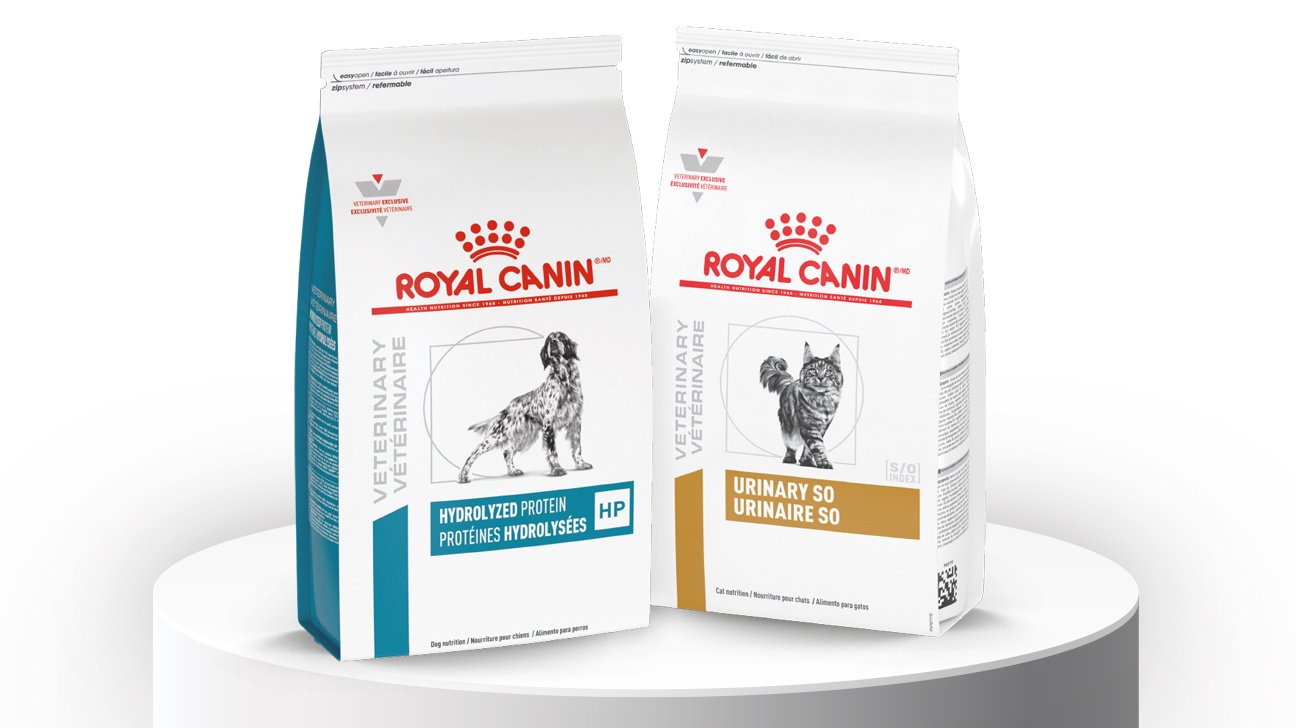
The well-being of a canine companion often hinges on proper nutrition, but for some dogs, standard commercial diets are simply not enough. This is where Royal Canin Veterinary Care Nutrition steps in. This specialized range of diets is meticulously formulated to address specific health conditions and support the therapeutic needs of dogs under veterinary supervision. It represents a crucial category of pet food designed not just for general health, but as a vital component in managing illnesses, supporting recovery, and mitigating symptoms associated with various medical challenges. Understanding the role of Royal Canin Veterinary Care Nutrition is paramount for dog owners, as it provides a targeted approach to dietary management that can significantly improve a dogs overall health, comfort, and quality of life when prescribed by a veterinarian.
💡 Pet Care Key Takeaways:
- Core Focus: Practical health, nutrition, and wellness guidelines for Royal Canin Veterinary Care Nutrition.
- Target Scope: Pet owners, animal caregivers, and veterinary support staff.
- Best Recommendation: Maintain consistent daily routines and consult an accredited veterinarian before introducing major diet or medical changes.
Common Causes and Key Factors
The necessity for Royal Canin Veterinary Care Nutrition typically arises from specific underlying health issues that require dietary intervention beyond what a regular maintenance diet can provide. For more related activities, check out our Tibetan Mastiff Food Aggression.
- Biological Factors: Many conditions, such as chronic kidney disease, liver dysfunction, diabetes, urinary tract issues (e.g., bladder stones), and certain cardiac conditions, necessitate precise nutrient profiles. These diets are formulated to either reduce the workload on compromised organs, manage blood sugar levels, or alter urine pH to prevent stone formation.
- Gastrointestinal Sensitivities and Allergies: Digestive upsets, inflammatory bowel disease, or adverse food reactions often require highly digestible ingredients, novel protein sources, or hydrolyzed proteins to minimize allergic responses and soothe the digestive tract.
- Weight Management: For dogs struggling with obesity or, conversely, unexplained weight loss, specialized diets offer controlled calorie content, high fiber for satiety, or highly palatable, calorie-dense options for convalescence.
- Post-Surgical Recovery and Convalescence: Following surgery, injury, or severe illness, dogs often require enhanced nutritional support to aid healing, boost the immune system, and regain strength. Therapeutic diets can provide easily assimilated nutrients and energy.
- Age-Related Conditions: While not exclusively for veterinary care, some senior dogs develop conditions like osteoarthritis or cognitive dysfunction that can benefit from formulas rich in joint-supporting nutrients or brain-boosting antioxidants, often found within the veterinary range due to their concentrated efficacy.
Signs and Symptoms to Observe
Recognizing the signs that a dog might benefit from specialized nutrition is a critical step for owners. These indicators often signal an underlying health issue that requires veterinary attention and potentially a prescription diet.
- Digestive Disturbances: Chronic or recurrent vomiting, diarrhea, constipation, excessive gas, or a persistently poor appetite can point to gastrointestinal problems or food sensitivities.
- Skin and Coat Issues: Persistent itching, redness, flaky skin, dull coat, hair loss, or recurrent ear infections are often signs of environmental allergies or, more commonly, adverse food reactions.
- Urinary Changes: Increased thirst and urination, straining to urinate, bloody urine, or frequent small urinations can indicate bladder stones, urinary tract infections, or kidney disease.
- Weight Fluctuations: Unexplained weight loss, despite a seemingly adequate diet, or difficulty losing weight despite reduced intake, suggests metabolic imbalances or specific dietary needs.
- Mobility and Energy Levels: Stiffness, reluctance to move, limping, or a noticeable decrease in energy can be symptoms of joint disease, while lethargy might indicate systemic illness.
- Behavioral Shifts: While less direct, chronic discomfort from an untreated medical condition can manifest as irritability, withdrawal, or unusual anxiety.
The manifestation of these signs can vary significantly based on a dogs age, breed, and overall health, underscoring the importance of professional veterinary assessment.
Practical Solutions and Management Strategies
When a veterinarian determines that a dog requires a specific therapeutic diet, integrating Royal Canin Veterinary Care Nutrition into their routine involves a structured and disciplined approach to ensure optimal outcomes.
- Veterinary Consultation and Prescription: The first and most crucial step is a thorough veterinary examination to accurately diagnose the underlying condition. Royal Canin Veterinary Care Nutrition products are prescription-only, meaning they are specifically recommended and dispensed by a veterinarian based on a dog’s unique health needs.
- Gradual Transition: Upon starting a new veterinary diet, a gradual transition over 7-10 days is typically advised. This involves slowly mixing increasing amounts of the new food with decreasing amounts of the old food to prevent gastrointestinal upset and allow the dog to adjust to the new taste and texture.
- Strict Adherence to Feeding Guidelines: The precise formulation of these diets means that adherence to the veterinarian’s feeding recommendations is paramount. Deviating from the prescribed portions or mixing with other foods or treats (unless explicitly approved) can compromise the diet’s therapeutic effect.
- Consistent Monitoring: Owners should closely observe the dog for improvements in symptoms, changes in energy levels, coat condition, and weight. Regular follow-up appointments with the veterinarian are essential to assess the diet’s effectiveness and make any necessary adjustments.
- Environmental Support: While nutrition is key, a holistic approach to managing a dog’s condition includes providing a low-stress environment, ensuring access to fresh water, and maintaining appropriate exercise levels tailored to their health status. These factors complement the dietary management.
When Professional Help May Be Needed
The decision to utilize Royal Canin Veterinary Care Nutrition always originates from professional veterinary guidance. However, there are specific situations when further professional intervention becomes particularly critical.
- Persistent or Worsening Symptoms: If a dog’s condition does not improve, or if symptoms worsen despite consistent feeding of a prescribed veterinary diet, immediate consultation with the veterinarian is necessary. This could indicate a need to adjust the diet, investigate for concurrent conditions, or explore alternative treatments.
- Adverse Reactions to the Diet: Although rare, a dog might develop digestive upset (vomiting, diarrhea) or an allergic reaction after starting a new therapeutic diet. Any such reaction warrants prompt veterinary advice.
- Diagnosis of a New Health Issue: Should a dog develop new health concerns while on a veterinary diet, a re-evaluation by the veterinarian is crucial to determine if the existing diet is still appropriate or if a different specialized formula is required.
- Long-Term Management of Chronic Conditions: For dogs with chronic conditions like kidney disease, diabetes, or severe allergies, regular veterinary check-ups are indispensable. These appointments allow for monitoring of bloodwork, weight, and overall health, ensuring the diet continues to meet their evolving needs.
- Transitioning Off a Therapeutic Diet: In some cases, a therapeutic diet may only be needed temporarily. The decision to transition a dog back to a maintenance diet, or to a different therapeutic formula, should always be made under veterinary guidance.
Conclusion
Royal Canin Veterinary Care Nutrition plays an indispensable role in the targeted management of numerous canine health conditions. These meticulously formulated diets are more than just food; they are therapeutic tools, developed through extensive research and designed to work in conjunction with veterinary care. From supporting vital organ function to alleviating allergy symptoms and aiding post-operative recovery, these specialized diets provide essential nutritional support that can dramatically enhance a dog’s comfort and longevity. For dog owners, understanding the purpose and importance of Royal Canin Veterinary Care Nutrition underscores the value of proactive health monitoring and a strong partnership with veterinary professionals. By recognizing signs that indicate a need for specialized nutrition and diligently following veterinary recommendations, owners can significantly contribute to their dog’s well-being, ensuring a healthier, happier life for their beloved companion.
Pet Care & Wellness Overview Table
| Life Stage | Daily Activity Level | Key Nutrition / Care Focus |
|---|---|---|
| Puppy / Kitten | High (frequent short bursts) | High-protein growth diet & early socialization |
| Adult Companion | Moderate (30–60 mins daily) | Balanced maintenance nutrition & dental hygiene |
| Senior Pets | Low to Gentle (mindful walks) | Joint support (Glucosamine) & routine vet checks |
Images References





For more expert pet care tips and advice, check out our dedicated Dog Nutrition guides to keep your companions healthy and happy.




